



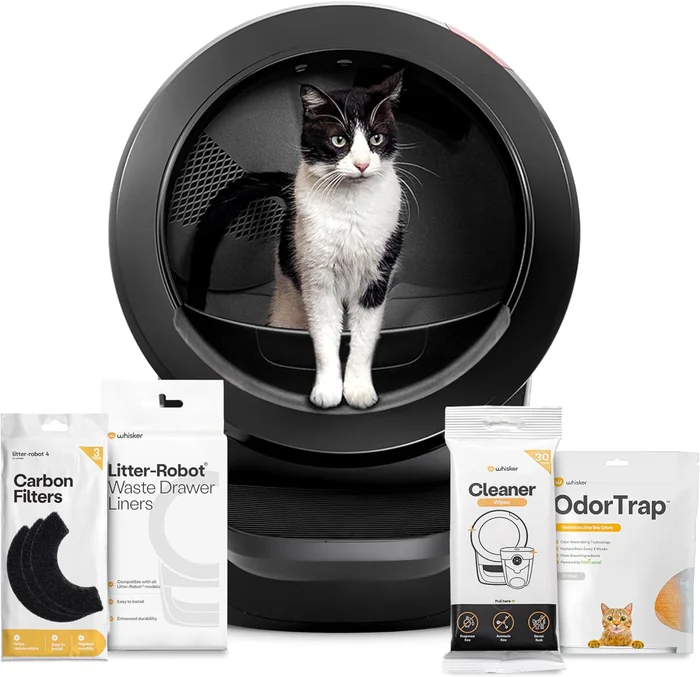



Wie viele Kisten pro Katze? Der ultimative Leitfaden für ein glückliches Zuhause

If you’ve ever found yourself wondering, “Is one litter box enough for my cat?”, you’re not alone. This is one of the most common questions among new and experienced cat owners alike. The answer, however, is more than just a simple number—it’s a cornerstone of feline well-being that can prevent a host of behavioral issues and ensure a harmonious home. Getting the litter box equation right is crucial for preventing accidents, reducing stress, and respecting your cat’s natural instincts. This guide will break down the official rule, explain the critical reasons behind it, and provide practical tips for implementation, drawing on expert insights and real-world testing from the team at PawLiter.
The Golden Rule: How Many Litter Boxes Do You Really Need?
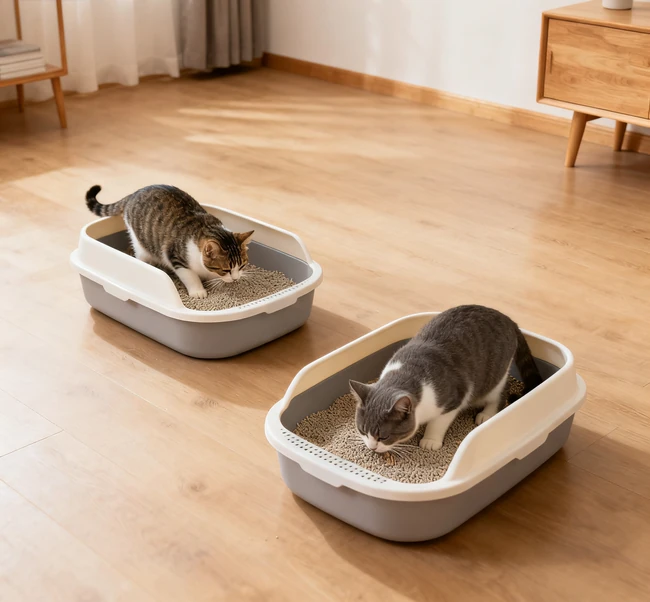
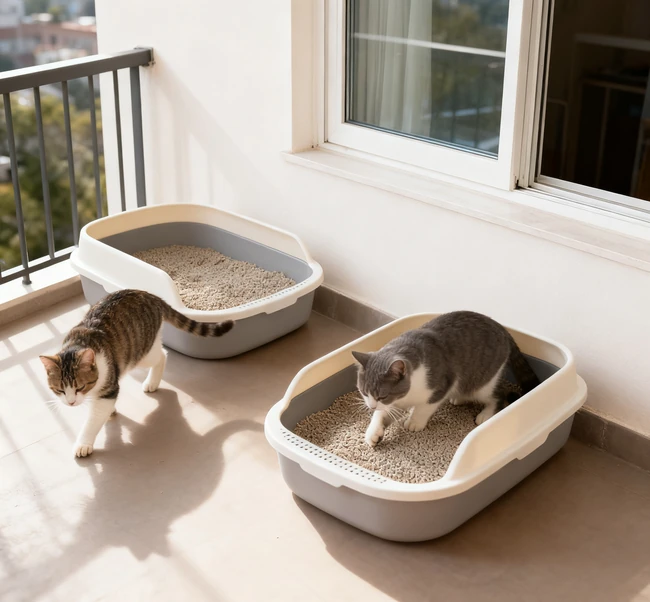
For a single-cat household, the answer isn’t just one. The universally recommended guideline by veterinarians and feline behaviorists is the “n+1 rule”. This means you should have Eine Kiste pro Katze, plus eine zusätzliche.
Let’s put this into practice:
- 1 Cat: 2 Litter Boxes
- 2 Cats: 3 Litter Boxes
- 3 Cats: 4 Litter Boxes
While this may seem like overkill at first, this simple formula is the single most effective strategy for preventing litter box aversion and inter-cat conflict. It’s a small investment that pays off in a huge way for your cat’s happiness and your own peace of mind.
Why the “Plus One” Rule is Non-Negotiable
This rule isn’t arbitrary; it’s rooted in understanding feline psychology and social dynamics. Cats are both predators and prey in the wild, making them inherently cautious creatures. Their bathroom habits are a vulnerable time, and the litter box setup must respect this.
1. Prevents Resource Guarding and “Ambushes”
In multi-cat homes, a dominant cat can block a more timid cat’s access to a single, shared litter box. Having multiple boxes in different locations ensures that every cat has a safe and accessible place to go without being intimidated. This is a common cause of soiling outside the box, which is often a behavioral issue, not a spiteful one.
2. Provides a Clean, Odor-Free Option at All Times
Cats are fastidiously clean animals. If their only litter box is soiled, they are highly likely to find a cleaner spot—like your rug or a pile of laundry. Multiple boxes guarantee that even if one is recently used, there is always a fresh, acceptable alternative available. This is especially important if you’re away from home for extended periods.
3. Accommodates Medical and Aging Needs
Cats with medical conditions like arthritis, kidney disease, or a urinary tract infection may need to go more frequently and urgently. Having boxes on every level of your home or with lower entry points can be a lifesaver for these cats. For more on health considerations, see our guide on Ist Katzenwurfstaub schädlich? Ein Vet-Reviewed Guide.
Litter Box Placement: Location, Location, Location
Simply having the right number of boxes isn’t enough; where you put them is equally critical. The goal is to create a positive and stress-free bathroom experience.
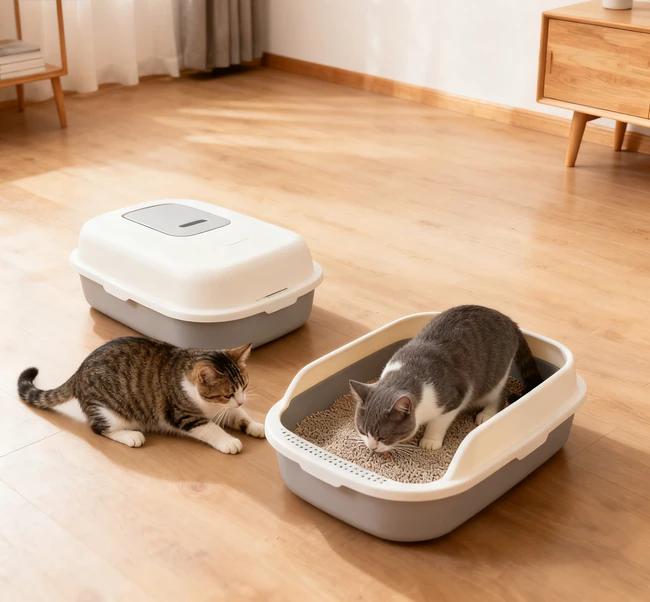
- Spread Them Out: Don’t place all boxes in one room. This can be perceived as a single, large litter box that can be easily guarded by one cat. Place them in different, quiet areas of your home.
- Quiet and Low-Traffic Areas: Avoid noisy appliances (like washing machines), high-foot-traffic hallways, and areas where your cat might feel cornered.
- Easy Escape Routes: Ensure your cat has multiple exit paths from the box and can see the room entrance. This makes them feel secure.
- Consider the Type of Box: The style of litter box matters. At PawLitter, our testing with real cats has shown that some felines strongly prefer open boxes for their visibility, while others feel more secure in covered ones. It’s often best to offer a variety. For a deep dive on this topic, check out our article on Wo sollte man keine Kiste legen? Der ultimative Leitfaden für schlechte Platzierung.
Special Considerations and Exceptions
While the n+1 rule is the gold standard, certain situations may require adjustments.
For a Single Cat in a Small Apartment
If space is extremely limited, one large, well-maintained litter box might be acceptable for a single cat, provided you scoop it Zumindest twice daily. However, offering two boxes, even if they are smaller or placed in creative locations (like a covered box that doubles as a side table), is still highly recommended to prevent problems before they start.
For Multi-Level Homes
If your home has more than one story, you should have at least one litter box on each level. This prevents your cat from having to traverse stairs when the urge strikes, which is especially important for kittens, seniors, and cats with mobility issues.
Choosing the Right Litter Box and Litter
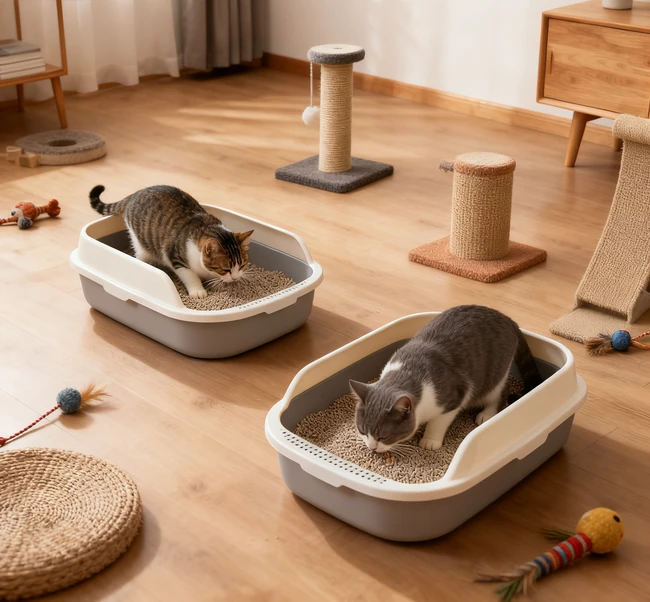
The quantity and placement are foundational, but the quality and type of the box and litter are also vital. At PawLitter, we test a wide range of products, from traditional open boxes to high-tech Selbstreinigende Kisten, to see what works best for both cats and their owners.
| Typ der Litter Box | Bestes für | Erwägungen |
|---|---|---|
| Open Box | Kätzchen, ältere Katzen und Katzen, die vor geschlossenen Räumen vorsichtig sind. | Easiest for cats to use, but offers no odor containment or privacy. Litter scatter can be an issue. |
| Covered / Hooded Box | Owners seeking odor control and reduced litter scatter. | Some cats dislike the confined space and trapped odors. Requires diligent cleaning. |
| Top-Entry - Box | Households with dogs or curious children; reduces litter scatter. | Can be difficult for kittens, seniors, or cats with mobility issues to enter and exit. |
| Selbstreinigung Box | Busy owners and multi-cat households needing constant cleanliness. | Higher cost; some cats are frightened by the noise and mechanism. Requires specific litter and power source. |
Your choice of cat litter is equally important. Most cats prefer a soft, unscented, clumping litter. Consistency is key—suddenly changing the litter type can cause your cat to reject the box altogether.
Maintenance: The Key to Litter Box Success
No matter how many boxes you have, poor maintenance will undo all your good work.
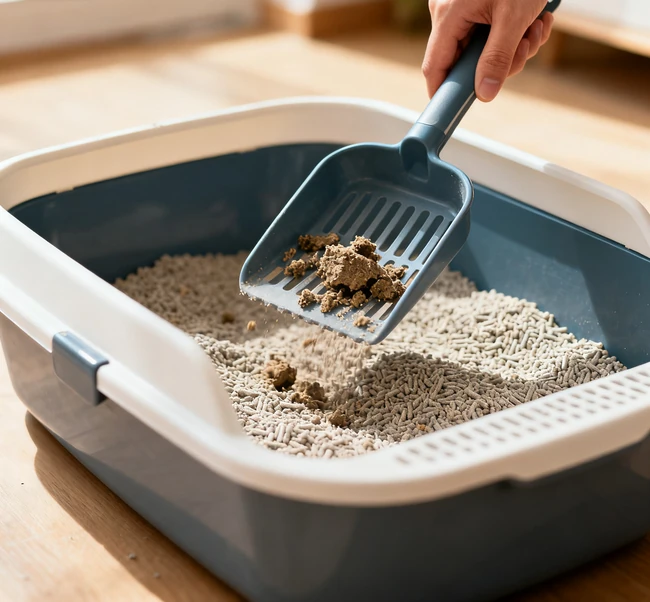
- Scoop Abfall täglich Remove solid waste and clumps at least once, ideally twice, a day.
- Deep Clean: wöchentlich Empty all the litter, wash the box with warm water and a mild, unscented soap (avoid harsh chemicals), and refill with fresh litter.
- Replace Boxes Regularly: Plastic litter boxes can develop microscopic scratches that harbor bacteria and odors. Replace them every year or so, or if they become visibly scratched or stained.
Proper disposal is part of good maintenance. For the best methods, read our complete guide on Wie entsorge ich meinen Katzen litter? Ein vollständiger Guide. And remember, putting cat litter in the toilet is generally not recommended as it can cause serious plumbing issues.
Häufig gestellte Fragen
Is one litter box enough for two cats?
No, it is not. While some cats may tolerate it, sharing a single box is a significant source of stress and a common trigger for house soiling. For two cats, three litter boxes are strongly recommended to prevent resource competition and ensure hygiene.
Where is the worst place to put a litter box?
The worst places are next to a loud appliance (like a furnace or washing machine), in a dark basement, in a busy hallway, or in a small, enclosed space like a closet without an easy escape route. These locations make cats feel vulnerable and stressed. Learn more in our article on bad litter box placement.
My cat suddenly isn’t using the litter box. What should I do?
The first step is always to consult your veterinarian to rule out a medical issue like a UTI, which can cause pain and urgency. If your cat gets a clean bill of health, then consider behavioral causes: Is the box clean? Is there a new cat in the house? Has the litter type changed? Has something frightening happened near the box? Our guide on Wie man eine Katze Litter Train can help with retraining.
Kann ich zwei Schachteln nebeneinander platzieren?
It’s not ideal. Placing two boxes side-by-side is often perceived by cats as one large litter box. If one area is soiled or “claimed” by one cat, the other cat may avoid both boxes. For the n+1 rule to be effective, the boxes should be in separate locations.
Ist es sicher, im selben Raum zu schlafen wie in einer Müllkasse?
While not typically dangerous for healthy adults, it is not recommended. The dust and ammonia from urine can irritate airways, and the odor can be disruptive to sleep. It’s also not ideal for your cat, who may prefer privacy. For a detailed breakdown, see Ist es sicher, in einem Raum mit einer Katzen-Litter - Box zu schlafen? Ein Experten-Guide.
Wie prüft und evaluiert PawLitter Müllkisten?
At PawLitter, our reviews are built on a foundation of trust and real-world experience. We conduct hands-on testing for a minimum of 30 days with real cats in home environments. We evaluate based on strict criteria: odor control, ease of cleaning, cat comfort and acceptance, durability, and overall value. We are transparent about our affiliate relationships and prioritize what’s best for the cat over any brand partnership or commission.
Can you flush cat poop without litter?
This is a complex question with important environmental and plumbing considerations. While the poop itself can be flushed in some municipal systems, it’s not universally recommended. We explore the surprising answer in our dedicated article: Kann man Katze-Kack ohne Schleim spülen?Überraschende Antwort.
Verwandte Themen
- Wie man eine Katze Litter Train
- Welche Art von Katzen litter ist am besten?
- Was ist ein Wurf für Katzen?
- Wo sollte man keine Kiste legen?
- PawLitter Litter Box Bewertungen & Leitfäden
Schlussfolgerung
Adhering to the “one litter box per cat, plus one extra” rule is one of the most impactful decisions you can make for your cat’s health and your household’s harmony. It’s a simple formula that respects feline nature, prevents stress, and promotes consistent litter box use. Remember to pair the right quantity with strategic placement, diligent maintenance, and a litter box type that your cat actually likes. For more in-depth, unbiased reviews and practical guides to help you choose the perfect setup for your feline friend, explore the comprehensive resources available at PawLiter.

Verwandte Artikel
 Automatische Katze Litter Box
Die 8 besten Kristall-Katzen - Wurfs von 2024? Ein Experten Review
 Automatische Katze Litter Box
Die besten nicht verklumpenden Katzen-Würfte? Ein Leitfaden 2024 für Katzenbesitzer
 Automatische Katze Litter Box
Die besten staubfreien Katzen litter? Ein Leitfaden für 2024 für ein sauberes, gesünderes Zuhause
 Automatische Katze Litter Box
Der beste Katzenwurf für die Geruchskontrolle im Jahr 2025? Experten getestet und überprüft
 Automatische Katze Litter Box
Wie oft sollte man den Katzenwurf wechseln? Ein Vet-Reviewed - Guide
 Automatische Katze Litter Box