





14 hechos inesperados sobre los gatos machos (#7 es verdaderamente revelador)

Male and female cats share many wonderful traits—their playful antics, soothing purrs, and independent spirits. But beneath the surface, tomcats possess a unique set of biological and behavioral quirks that every cat owner should understand. From surprising physical traits to instinctive behaviors with profound implications, knowing these facts is key to providing the best care for your feline friend. At PawLitter, we combine expert knowledge with practical solutions to help you navigate the fascinating world of male cat ownership. Let’s dive into 14 facts that will change how you see your tomcat.
1. They Are More Likely to Be “Left-Pawed”
Research suggests that paw preference, similar to human handedness, exists in cats. A 2018 study published in Animal Behaviour indicated that male cats are significantly more likely to be left-pawed, while females often favor their right paw. This isn’t just a cute party trick; lateralization is linked to brain hemisphere dominance and can influence behavior. Observing which paw your cat uses to bat at toys or step out of the litter box can offer a tiny window into his unique neurology.
2. Intact Males Have Distinctive Facial Features
An unneutered male cat, or “tom,” develops characteristic physical traits due to testosterone. Most notably, they develop prominent cheek jowls and a thicker, more muscular neck. These features serve a practical purpose in the wild: the extra skin and muscle protect them during fights with rival toms over territory or mates. Once a tom is neutered, testosterone levels drop, and these distinctive “stud jowls” typically diminish over time.
3. They Are Prone to Territorial Marking
This is one of the most well-known male cat behaviors. Territorial marking, or spraying, involves depositing small amounts of pungent urine on vertical surfaces. While both sexes can spray, intact males are driven to do it most frequently to advertise their presence and claim territory. The urine of an intact tom contains strong-smelling hormones and pheromones. Even after neutering, some cats may continue the habit if it’s become ingrained or is triggered by stress, such as the presence of other cats.
Pro Tip from PawLitter: If spraying is an issue, address both medical causes (like a UTI) and environmental stressors. Creating a secure, enriched environment is crucial. For multi-cat households experiencing tension, a synthetic pheromone diffuser can work wonders by sending calming signals.
Our Top Pick for Reducing Multi-Cat Tension: FELIWAY MultiCat Calming Diffuser
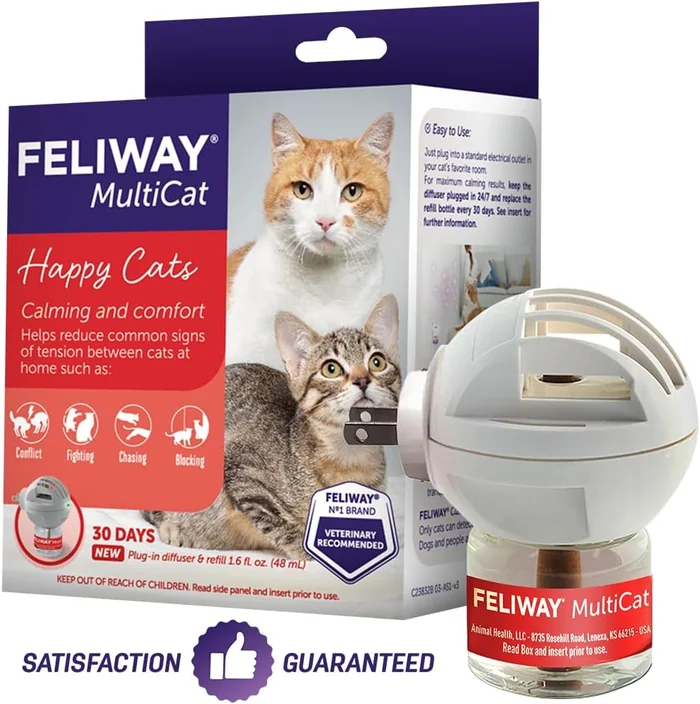
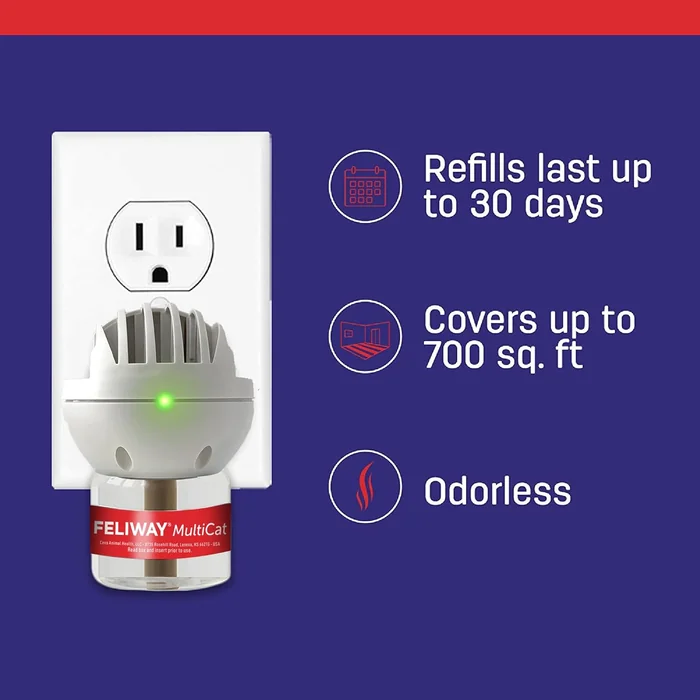
FELIWAY MultiCat 30 días enchufe calmante para gatos en el kit inicial de difusores de feromonas, 48ml - ayuda a reducir los conflictos y los signos de tensión en hogares con varios gatos
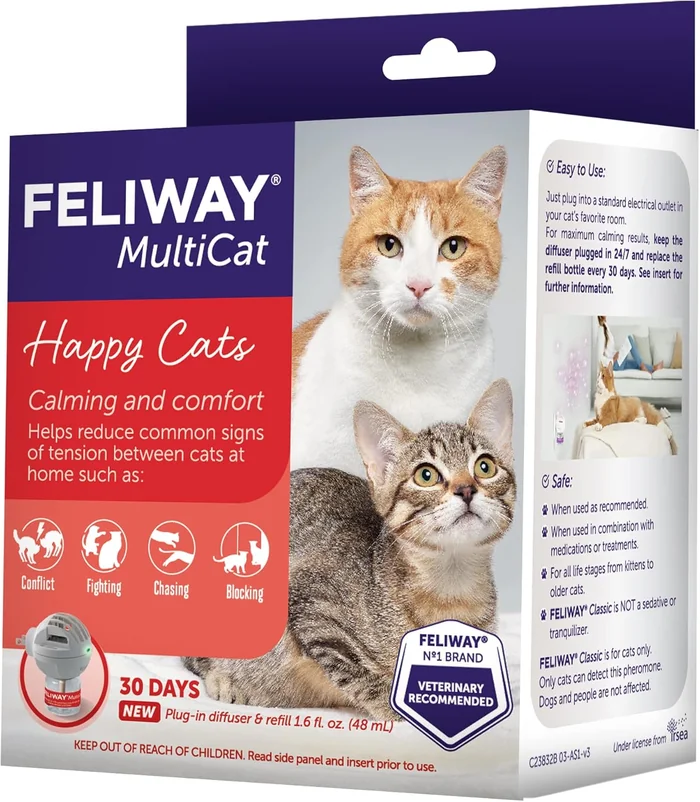
Principales características:
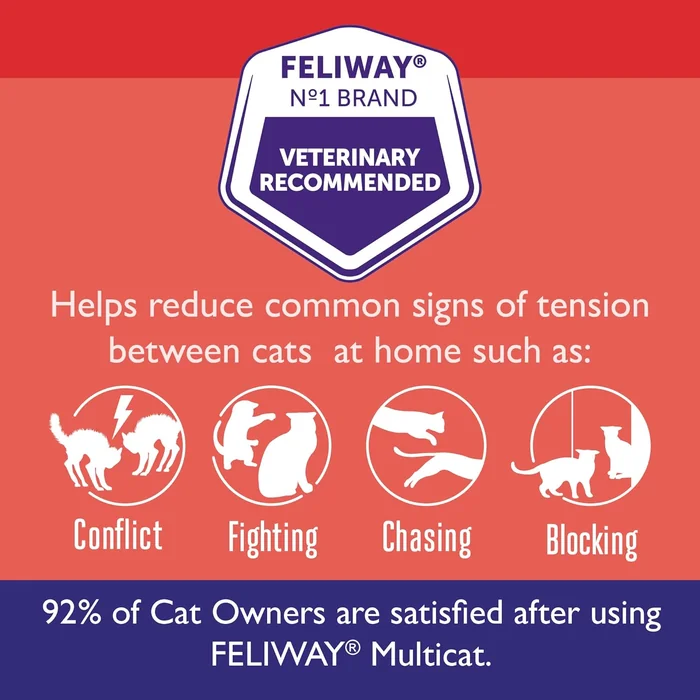
- FELIWAY MultiCat, desarrollado por la marca recomendada por el veterinario #1, ayuda a reducir los signos comunes de tensión entre gatos como: conflicto, peleas, persecución y bloqueo.
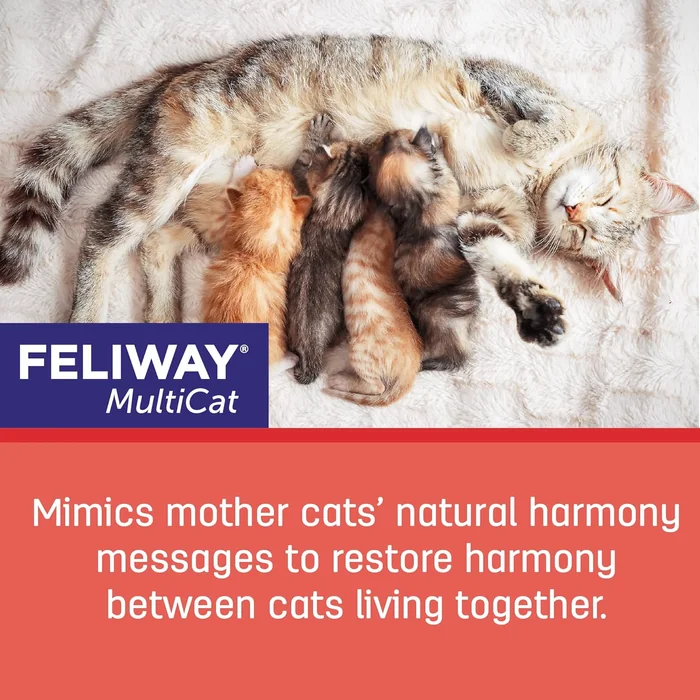
- Calma mejorada en el hogar para los hogares MULTICAT: el difusor enchufable FELIWAY MultiCat utiliza la ciencia de las feromonas para enviar mensajes calmantes que imitan las feromonas naturales de una madre felina para ayudar a reducir las tensiones y los conflictos. 84% de dueños de gatos vieron una mejora significativa en los conflictos entre gatos cuando usaban FELIWAY MultiCat
- Los difusores FELIWAY están libres de drogas, no son sedantes, y mientras que los análogos de feromonas gatinas pueden ayudar a su gato, no afectarán a los humanos u otras mascotas.
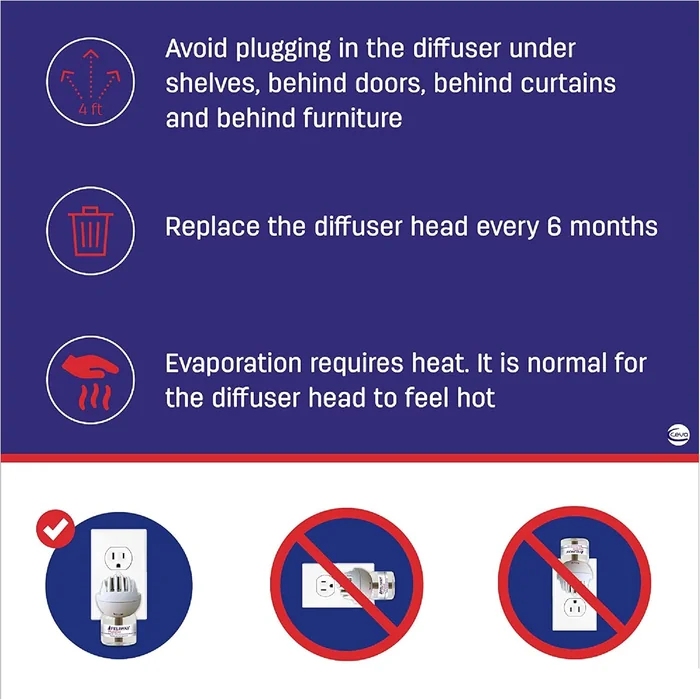
When tension leads to marking or conflict, we often recommend the FELIWAY MultiCat Calming Diffuser. Developed by vet-recommended experts, it mimics “happy” cat pheromones to reduce signs of tension like blocking, chasing, and fighting. In studies, 84% of cat owners saw significant improvement. It’s a drug-free, non-sedating way to help your cats, especially males adjusting to each other, feel more secure in their shared space without affecting humans or other pets. For ongoing territorial stress, this plug-in solution provides continuous support.
4. They Are Generally Larger and Heavier
Sexual dimorphism is evident in cats. Male cats typically have a larger bone structure and carry more muscle mass than females, often making them noticeably bigger and heavier. An average domestic male cat can weigh 2-4 pounds more than a female of the same breed. This size advantage relates to their historical role in competition and territory defense. It’s also a key reason why nutritional needs can differ; larger bodies require careful calorie management to prevent obesity.
5. They Have a Higher Risk of Urinary Blockages
This is a critical health fact. Male cats have a longer, narrower urethra than females, making them exponentially more susceptible to life-threatening urinary blockages. Crystals, mucus, or inflammation can easily obstruct the narrow passage. This is a true veterinary emergency requiring immediate care. Symptoms include straining in the litter box with little output, vocalizing in pain, lethargy, and vomiting.
PawLitter’s Care Advice: Prevention is paramount. Encourage water intake with fountains, feed a high-quality diet that supports urinary health (consult your vet), and maintain impeccable litter box hygiene. A clean box encourages regular urination, which helps flush the urinary tract. For owners looking to eliminate hygiene as a variable, an automatic litter box can be a game-changer.
Our Solution for Optimal Litter Box Hygiene: PetSafe SmartSpin Self-Cleaning Litter Box

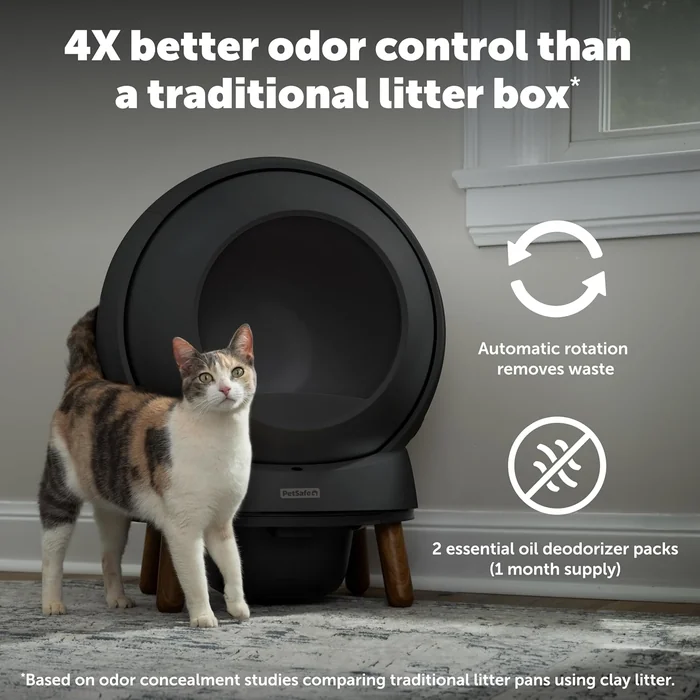
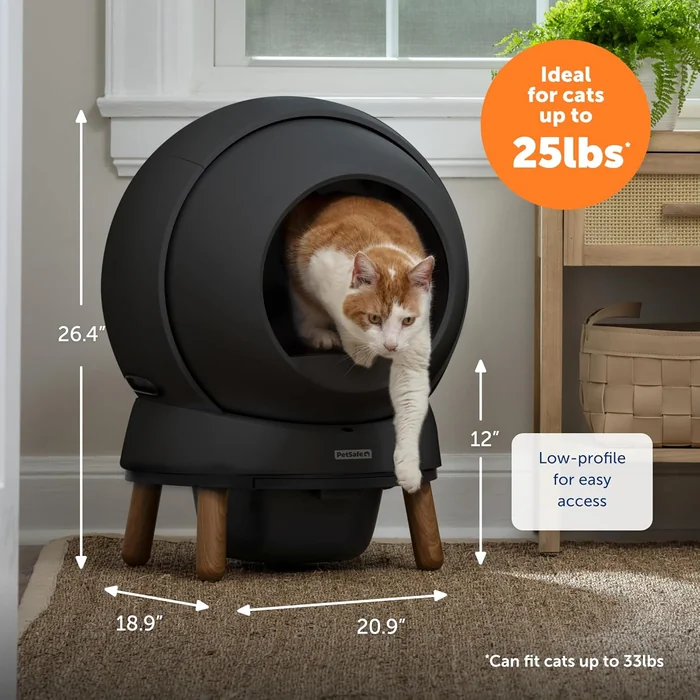
PetSafe ScoopFree SmartSpin Self-Cleaning Cat Litter Box, Black – Advanced Odor Control, App Controlled with Health Monitoring, Works with Any Litter, Up to 2 Weeks of Hands-Free Cleaning



Principales características:
- PUT A NEW SPIN ON YOUR CAT’S LITTER BOX: Enjoy up to 2 weeks of hands-free cleaning with SmartSpin technology that sifts away clumps into a sealed waste drawer
- ADVANCED ODOR CONTROL: Get up to 4x better odor control than traditional litter boxes, thanks to SmartSpin’s sealed waste drawer and deodorizer
- MONITOR YOUR CAT’S HEALTH: PetSafe SmartSpin App gives you real-time health data including weight updates and litter box usage from your phone. Wi-Fi required for app connectivity (2.4 GHz)
To support urinary health through consistent cleanliness, we suggest the PetSafe ScoopFree SmartSpin. Its smart technology sifts waste after each use into a sealed drawer, offering up to 2 weeks of hands-free cleaning and advanced odor control—up to 4x better than traditional boxes. Crucially, its connected app provides health monitoring, tracking your cat’s weight and litter box visits. A sudden change in frequency could be your first clue to a potential urinary issue, allowing for early veterinary intervention. It’s a powerful tool for proactive male cat care.
6. They Can Be More Socially Bold and Adventurous
Behavioral studies and owner surveys consistently show that male cats often score higher in traits like boldness, activity, and curiosity. They tend to explore more readily and approach novel objects or people with less hesitation than females. This “adventurous tomcat” stereotype has some basis in reality. However, individual personality is always the biggest factor, and a cat’s early socialization plays a massive role in shaping these traits.
7. Intact Males May Exhibit Disturbing Aggression Towards Kittens
This is the unsettling fact our title references. In the wild, and sometimes in domestic settings, an intact male cat may kill kittens that are not his own. This brutal behavior, called infanticide, is driven by an evolutionary instinct. By eliminating the offspring of a rival male, the tom can bring the mother cat back into heat sooner, allowing him to sire his own kittens and pass on his genes. This is one of the most compelling reasons for responsible neutering, which virtually eliminates this drive. It underscores the profound impact of reproductive hormones on feline behavior.
8. They Roam Farther and Fight More
Driven by the quest for mates and territory, unneutered male cats have enormous home ranges and are famous for roaming. They will travel miles, often getting into fierce, injury-prone battles with other toms. These fights are the primary cause of injuries like abscesses, torn ears, and spread of diseases like FIV (Feline Immunodeficiency Virus). Neutering dramatically reduces the urge to roam and fight, making it the single most important action for an outdoor male cat’s longevity and wellbeing.
9. Their “Love Bite” During Mating is a Trigger Mechanism
The mating process in cats is unique and appears aggressive. The male tom bites the nape of the female’s neck to hold her in position. This specific bite also plays a neurological role: it triggers ovulation in the female (cats are induced ovulators). The female will often cry out and turn to swat at the male immediately afterward. This entire process is instinctual and is another aspect of behavior normalized by neutering.
10. Neutering Changes More Than Just Reproductive Ability
Neutering (castration) is often discussed for population control, but its behavioral and health benefits for male cats are immense:
- Reduces Roaming & Fighting: Reduce el riesgo de lesiones y enfermedades en más de 90%.
- Curtales de pulverización: Elimina el marcado hormonal en ~ 90% de los gatos si se hace antes de que se forme el hábito.
- Menor riesgo de cáncer: Virtualmente elimina el cáncer testicular y reduce los problemas de próstata.
- Promueve la Longevidad: Los machos castrados en interiores a menudo viven 12 - 15 años, mientras que los machos intactos al aire libre promedian solo 2 - 5 años.
En PawLitter, abogamos firmemente por la castración temprana, típicamente alrededor de 4 - 6 meses, para la salud holística de su gato.
11. Tienen una vocalización única llamada “Tomcat aullando ”.”
Ese gruñido fuerte, prolongado, casi triste es la comunicación de Tomcat. Los machos intactos lo usan para proclamar territorio y atraer a las hembras a largas distancias. Es diferente de un meow o silbido estándar, de tono más bajo, más gutural y sostenido. Incluso los machos castrados pueden retener esta vocalización, especialmente si son castrados más adelante en la vida o si si sienten un gato cercano en calor. Es un sonido primordial directamente de su ancestral salvaje.
12. Los tabbies naranja son más a menudo masculinos
El gen para el color naranja (feomelanina) está en el cromosoma X. Un gato hembra (XX) necesita el gen naranja en ambos cromosomas X para ser completamente naranja. Un macho (XY) sólo necesita una de su madre. Esto hace que los gatos de color naranja sólido o naranja sea aproximadamente tres veces más propensos a ser machos. Es un ejemplo fascinante de cómo la genética y el sexo están vinculados en los colores de la capa felina. Los gatos calico y tortuga, por el contrario, son casi exclusivamente hembras debido a un mecanismo genético similar.
13. Pueden ser más propensas a ciertas condiciones genéticas
Algunos problemas de salud tienen predisposición de género. Por ejemplo, Distrofia muscular ligada al X Se ha documentado más en gatos machos, ya que solo tienen un cromosoma X. Si ese X lleva el gen defectuoso, tienen la condición. Los varones también están ligeramente sobrerepresentados en ciertos tipos de enfermedades cardíacas. Esto no significa que todos los gatos machos tendrán estos problemas, pero resalta la importancia de la investigación específica de la raza y los chequeos veterinarios regulares para la detección temprana.
14. Su personalidad puede profundizarse después de la castración
Un concepto erróneo común es que la castración hace que un gato sea perezoso o aburrido En realidad, a menudo permite que su verdadera personalidad brille sin el constante impulso hormonal para aparearse, luchar y marcar. Muchos propietarios informan que sus gatos machos se Más afectuoso, juguetón y centrado en el hogar después de la recuperación. Retenen sus peculiaridades y energía únicas, pero las canalizan hacia la unión con su familia humana en lugar de responder a los impulsos primordiales. Es una transformación que fortalece inmensamente el vínculo humano- felino.
Cuidar a tu gato macho: una guía de PawLitter
Entender estos hechos es el primer paso. Aplicarlos es donde comienza un cuidado excepcional. Este es nuestro enfoque integrado:
- Neutral temprano: Esta es la piedra angular de la propiedad responsable de un gato macho para la salud, el comportamiento y la longevidad.
- Priorizar la salud urinaria: Controla la ingesta de agua, provee una caja de basura limpia (considera opciones automatizadas como el PetSafe SmartSpin) y discute la dieta con tu veterinario.
- Manejo del ambiente y el estrés: Utilice el espacio vertical, proporcione múltiples recursos (cuencos de comida, cajas de basura) y emplee ayudas calmante como FELIWAY en hogares con varios gatos para evitar problemas relacionados con la tensión como la fumigación.
- Fomentar el juego seguro: Canalizar su audacia y energía en sesiones de juego diarias interactivas con juguetes de varita para satisfacer los instintos de caza y evitar el aburrimiento.
- Compromiso con el cuidado preventivo veterinario: Los chequeos anuales no son negociables. Para los varones mayores, considere las visitas bienales para detectar problemas relacionados con la edad temprano.
Los gatos machos son compañeros cautivadores, llenos de profundidad y carácter sorprendente. Al abrazar su biología e instintos únicos, pueden fomentar una vida más feliz, saludable y armoniosa juntos. Desde elegir la caja de basura adecuada para el monitoreo de la salud hasta crear un ambiente tranquilo, cada decisión informada marca la diferencia. Para inmersiones más profundas en el comportamiento felino y soluciones de cuidado, explore nuestros otros recursos aquí en ¿Cómo entrenar a un gato? Una guía sin estrés para gatitos y gatos adultos, La guía definitiva para encontrar la mejor caja de basura para varios gatos, y, y ¿Qué es una litera para gatos? Una guía completa para dueños de gatos.

Art ículos relacionados
 Cat básico
10 hechos fascinantes sobre las patas de sus gatos
 Cat básico
10 hechos sorprendentes sobre los bigotes de gato que todo dueño debería saber
 Cat básico
10 maneras sencillas y efectivas de mantener limpio el área de la caja de basura de su gato
 Cat básico
11 Alternativas asequibles y ecológicas de chatarra para un hogar más verde
 Cat básico
100 citas de amor a gatos más populares de todos los tiempos
 Cat básico