





15 Datos esenciales sobre los gatos salvajes para entender y ayudar a los gatos de la comunidad

Feral cats are a common yet often misunderstood part of our urban and rural landscapes. Unlike the stray cat that might approach you for food, a truly feral cat is one that has had little to no human contact and is primarily fearful of people. These community cats live complex lives, and their welfare is a topic of significant importance for animal lovers and ecologists alike. At PawLitter, we believe that understanding is the first step toward compassionate action. This guide will walk you through 15 crucial facts about feral cats, dispel common myths, and provide practical advice on how you can make a positive difference in their lives.
1. Feral Cats Are Not the Same as Stray Cats
While the terms are often used interchangeably, there’s a key behavioral distinction. A stray cat is a domesticated cat that has been lost or abandoned. They are often socialized to humans and may approach people, houses, or cars. A feral cat, however, is born and raised in the wild or has lived without human interaction for so long that they have reverted to a wild state. They are typically too fearful and unsocialized to be handled or adopted as a traditional pet. Recognizing this difference is vital for determining the appropriate type of help.
2. They Live in Social Groups Called Colonies
Feral cats are not solitary creatures. They often form social groups called colonies, which are usually centered around a reliable food source. These colonies have complex social structures and are typically made up of related females and their offspring. Understanding colony behavior is essential for effective Trap-Neuter-Return (TNR) management, as cats within a colony often need to be returned to their specific social group for their well-being.
3. Trap-Neuter-Return (TNR) Is the Humane and Effective Solution
The single most important fact to know about feral cat management is the efficacy of TNR. This non-lethal method involves humanely trapping cats, having them spayed or neutered and vaccinated by a veterinarian, and then returning them to their territory. TNR stabilizes and gradually reduces colony size by preventing new litters. It also improves the cats’ health and eliminates problematic mating behaviors like yowling, fighting, and spraying. For anyone looking to help, supporting or volunteering with a local TNR program is the most impactful step.
Essential Gear: A Reliable Drop Trap
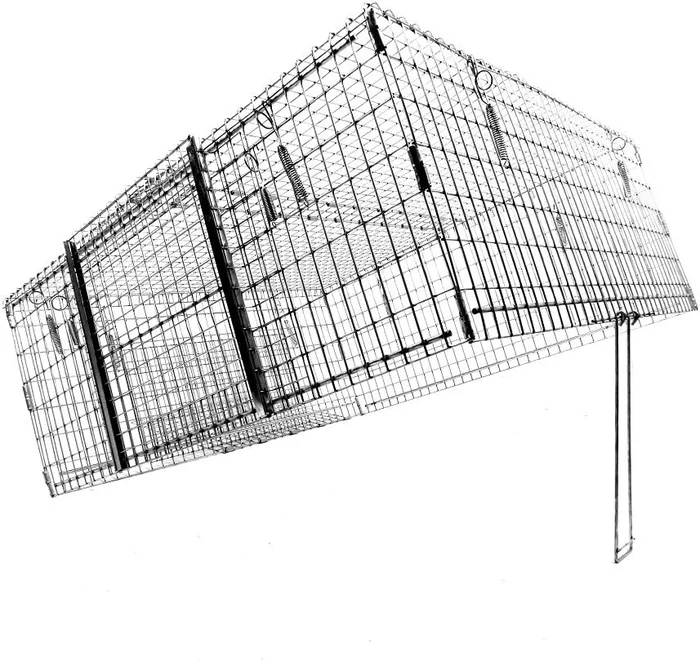
Tomahawk Live Trap – Model DT1 – Tomahawk TNR Series Neighborhood Cats Drop Trap – 36x36x14 Collapsible
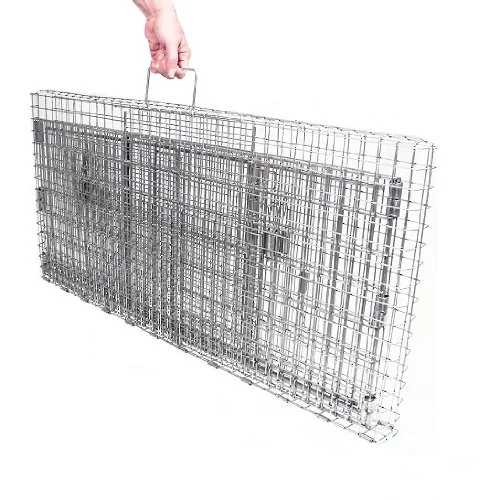
Principales características:
- Sets up easily
- Collapses to 36″ x 18″ x 4″ for easy transport and storage
- Great for catching wary, trap shy cats
For implementing TNR, especially with trap-savvy cats, a specialized drop trap like the Tomahawk TNR Series is invaluable. Its collapsible design (folding down to just 4 inches thick) makes transport and storage simple. The large 36″x36″ area allows for strategic bait placement, increasing success rates with wary felines. With over 340 reviews, this tool is trusted by community cat caregivers nationwide for its effectiveness in humane trapping efforts.
4. Their Lifespan Is Significantly Shorter Than Indoor Cats
The life of a feral cat is harsh. While an indoor cat can live 15-20 years, the average lifespan of a feral cat is often only 2-5 years. They face numerous threats including disease, parasites, extreme weather, predation, traffic, and a lack of consistent nutrition and veterinary care. This stark reality underscores the importance of TNR and providing supplemental care like shelter and food.
5. They Are Prolific Breeders
One unspayed female cat can produce two to three litters per year, with an average of four kittens per litter. In just seven years, that single female and her offspring can theoretically produce hundreds of thousands of cats. This exponential growth is why managed TNR programs are critical to prevent overpopulation and the associated suffering.
6. Providing Shelter Is a Lifesaving Act
One of the most direct ways to improve a feral cat’s quality of life is by providing insulated, weatherproof shelter. A proper shelter offers protection from rain, snow, wind, and extreme temperatures, which can be a matter of survival. The ideal shelter is elevated, insulated with straw (not hay, which retains moisture), and has a small entrance to retain heat and deter larger animals.
Providing Warmth in Harsh Climates
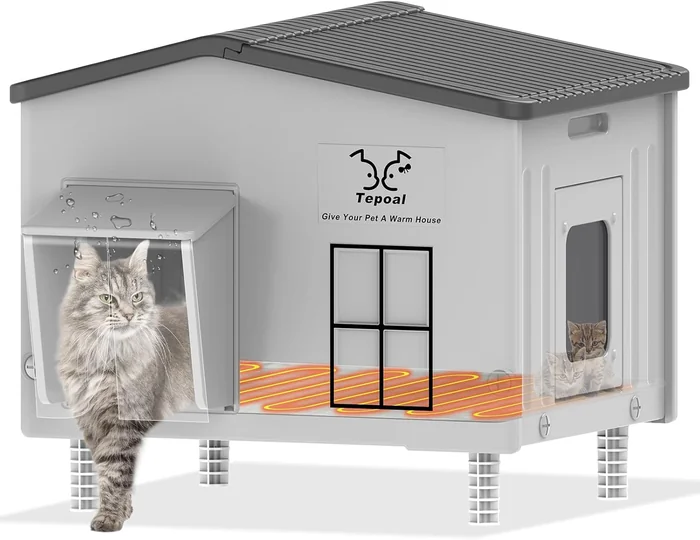
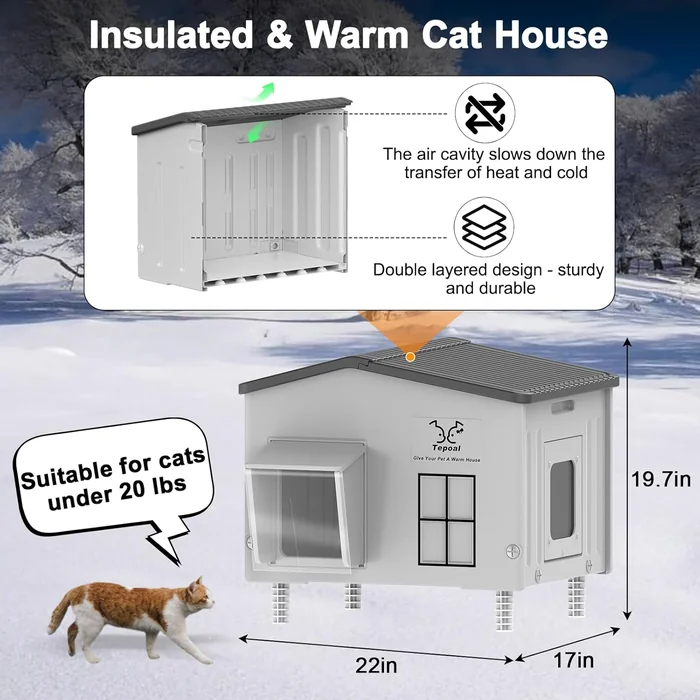
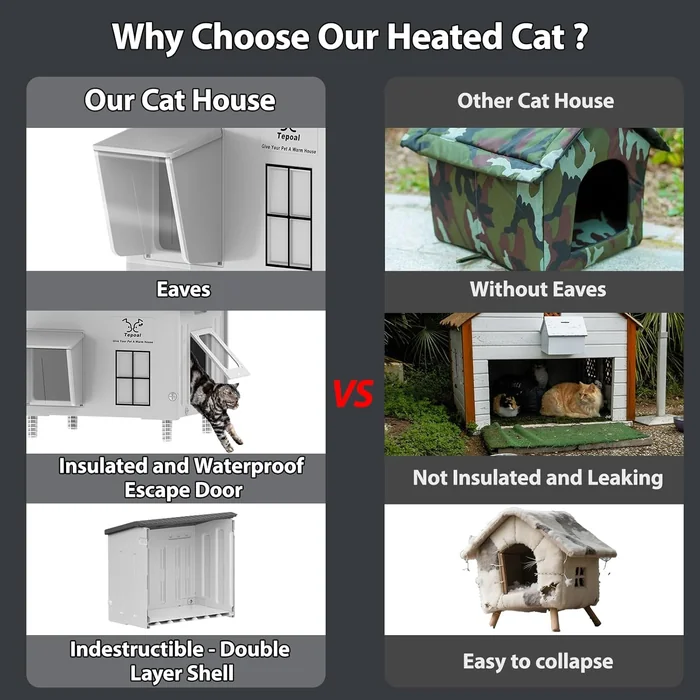
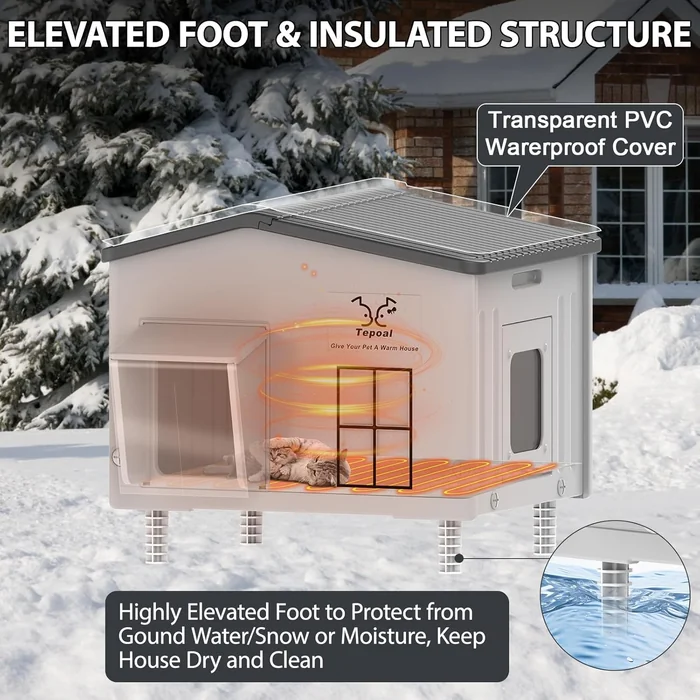
Large Indestructible Heated Cat House for Outside, Extrmely Waterproof & Weatherproof Heated Outdoor Cat House for Winter, Fully Insulated Feral Cat Shelter for Outdoor Barn Cats Strays, 22x17x19.7 in


Principales características:
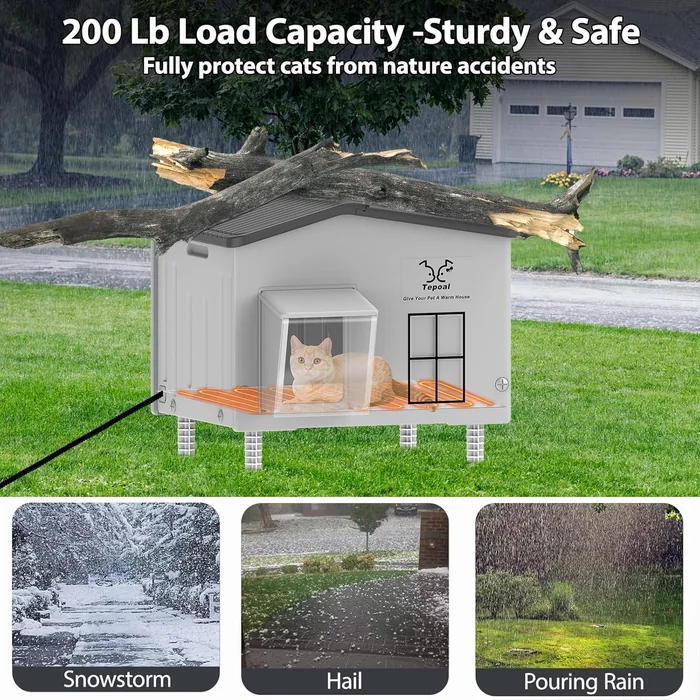
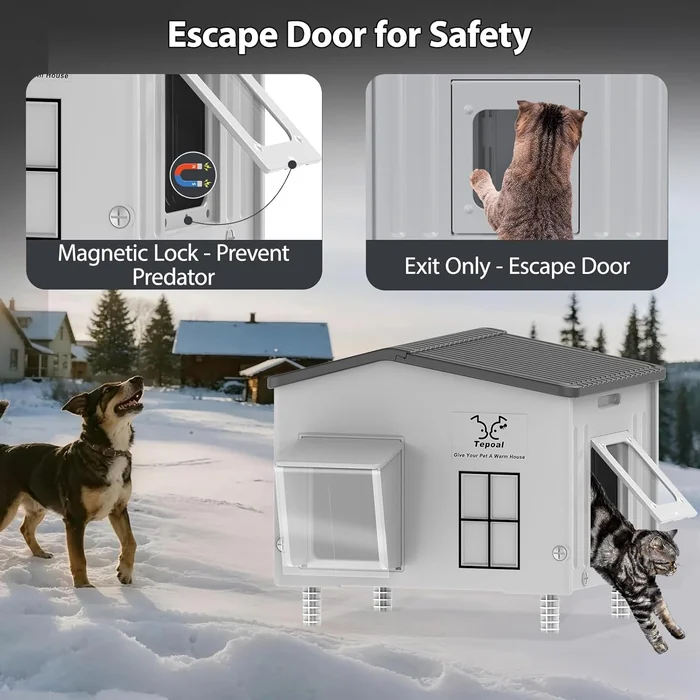
- 【A Must-Have for Outdoor Cats in Winter and Rainy Days】- – Our heavy-duty heated cat house provides ample protection for cats. It is soak-proof, weather-resistant, built with a durable metal structure and has heating function, so cats can stay comfortable no matter what the outdoor climate is like. Specialized waterproof materials protect stray and feral cats from the harsh weather.
- 【Extremely Insulated Aluminum Foil Cover Keeps Cats Warm】- – The aluminum foil cover outside the cat heated house is waterproof and windproof. The heated cat bed inside the house can keep cats warm – even when the temperature drops below zero. This outdoor cat heated shelter with good insulation helps cats maintain body temperature. The heating pad is UL-approved, and approved number is ZKT-2303312234S.
- 【Easy to Assemble and Durable】- – No tools are required to assemble the insulated outdoor cat house, it is foldable, all you have to do is pull it up and secure it, it only takes 30 seconds to install, and then place it anywhere you want your kitty to snuggle and keep warm. Our outdoor heated cat house is made of metal, which is very durable and can better withstand strong winds, heavy rain and hail.
For areas with severe winters, a heated shelter like the Myodal Indestructible Heated Cat House can be a game-changer. Its UL-approved heating pad provides a safe, consistent warmth source, crucial for survival when temperatures plummet. The extremely waterproof aluminum foil cover and durable metal structure offer robust protection against rain, snow, and wind. With assembly taking just 30 seconds and over 1,060 positive reviews, it’s a reliable, heavy-duty solution for giving outdoor cats a fighting chance against the cold.
7. They Are Territorial
Feral cats establish and defend territories that provide their resources—food, water, and shelter. This territorial nature is why simply removing cats (a practice called “catch and kill”) is ineffective and inhumane. Vacated territories often experience the “vacuum effect,” where new cats move in to exploit the resources, and the breeding cycle continues. TNR, by contrast, maintains stable, non-breeding colonies that hold the territory.
8. Not All Feral Kittens Are “Feral”
Kittens born to feral mothers have a critical socialization window. If they are handled by humans before they are about 8 weeks old, they can often be socialized, adopted, and live as indoor pets. This is why TNR programs often include efforts to trap kittens for fostering and adoption. After this window closes, socialization becomes exponentially more difficult and stressful for the cat.
9. They Play an Important Role in Rodent Control
Feral cats are instinctive hunters. In many settings, such as farms, warehouses, and alleys, their presence provides natural rodent control. This is a symbiotic relationship that has existed for thousands of years. While their impact on native wildlife is a complex and debated issue, their role in managing pest populations in human-altered environments is well-documented.
10. Feeding Stations Should Be Managed Carefully
Providing food is a compassionate act, but it must be done responsibly. Food should be offered on a regular schedule (not left out 24/7) to avoid attracting wildlife, insects, or creating nuisance issues. Leftover food should be promptly removed. Using dedicated feeding stations can keep the area clean and make monitoring the cats’ health easier.
A Dedicated, Weatherproof Feeding Station
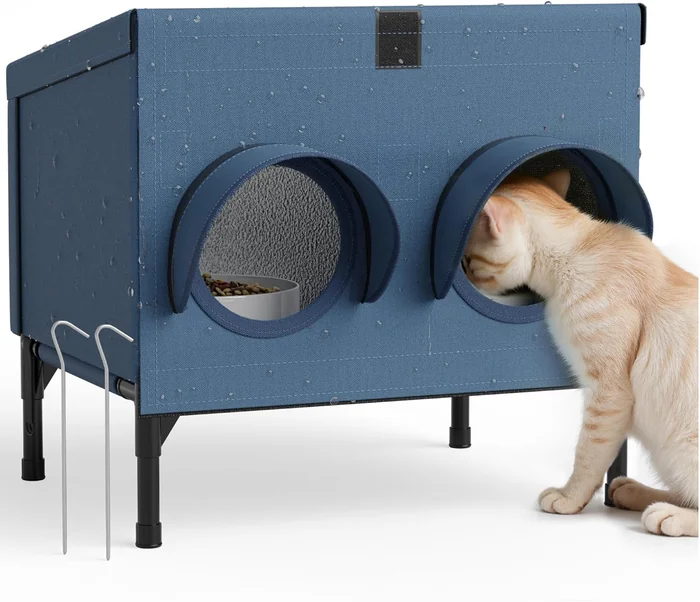
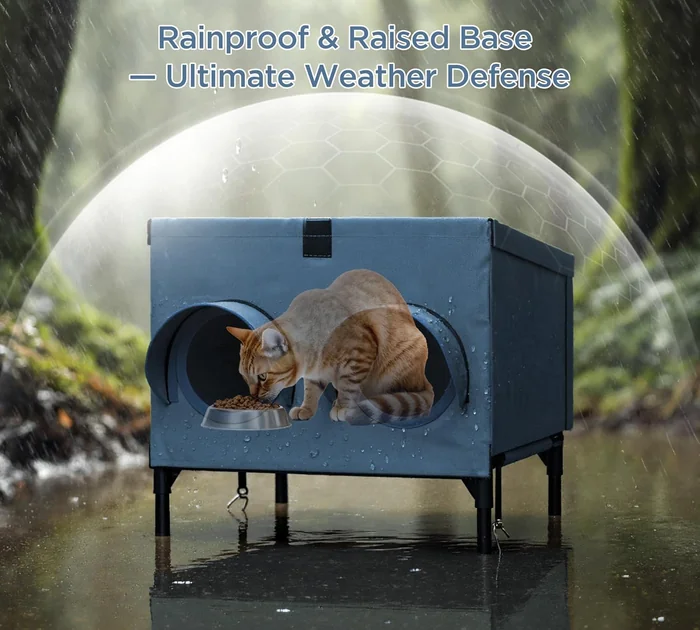
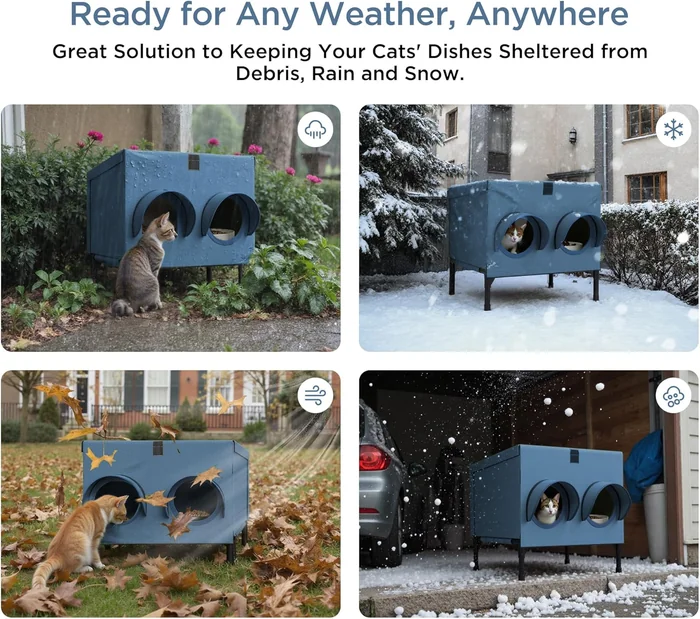
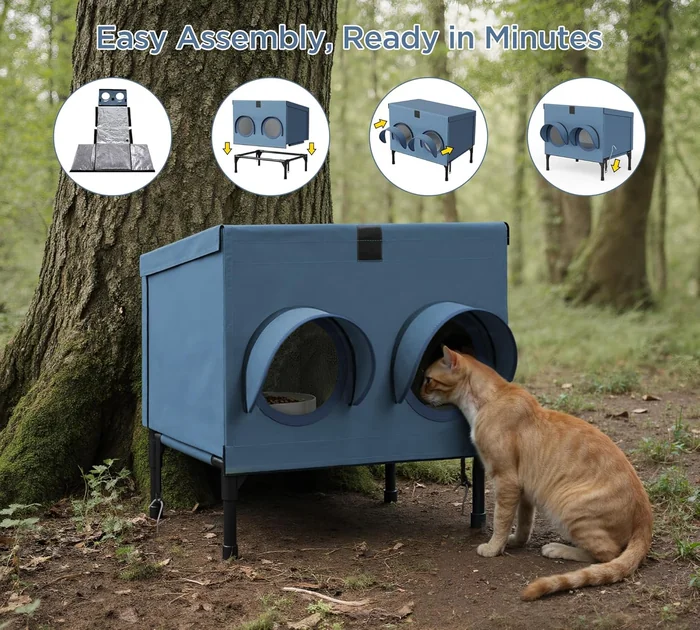
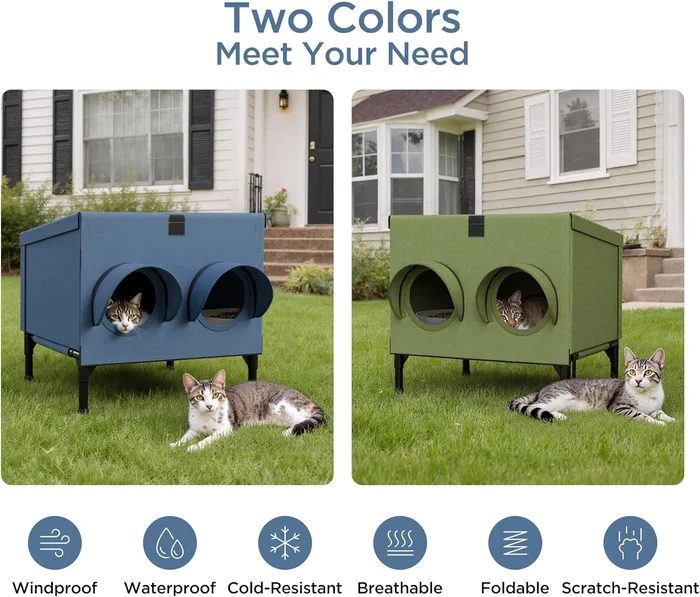
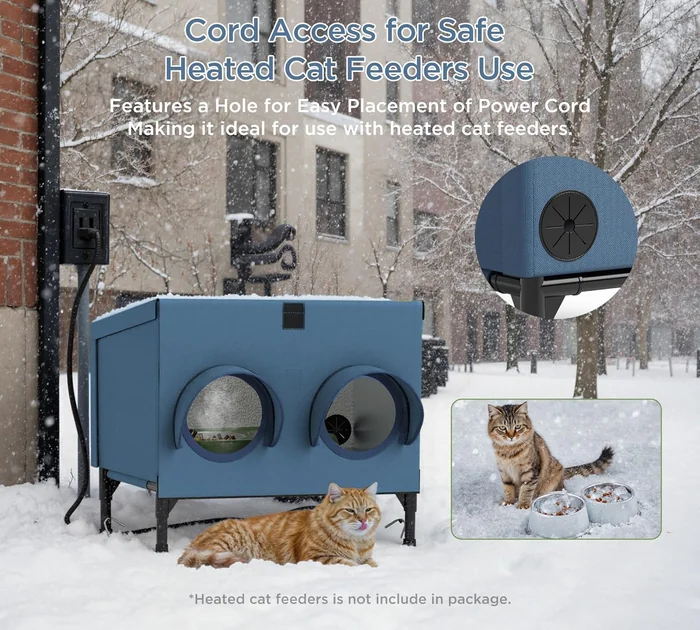
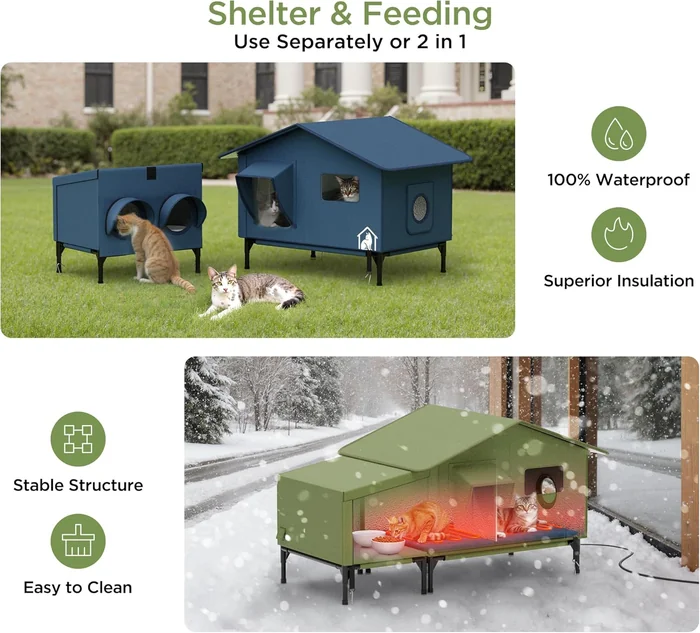
Outdoor Cat Feeding Shelter for Feral & Stray Cats, Insulated Dining Room with Slanted Roof & Double Feed Hole, Connects to PELUOMOZ Cat Houses, Windproof & Weatherproof – Navy Blue, 16″×12″×15.5″

Principales características:
- Spacious, Insulated Shelter for Outdoor Dining: Measuring 16″×12″×15.5″ , this feeding house provides ample space for food and water bowls; The sloped roof and insulated walls help maintain internal temperature, ensuring your cat’s meals stay dry and accessible year-round.
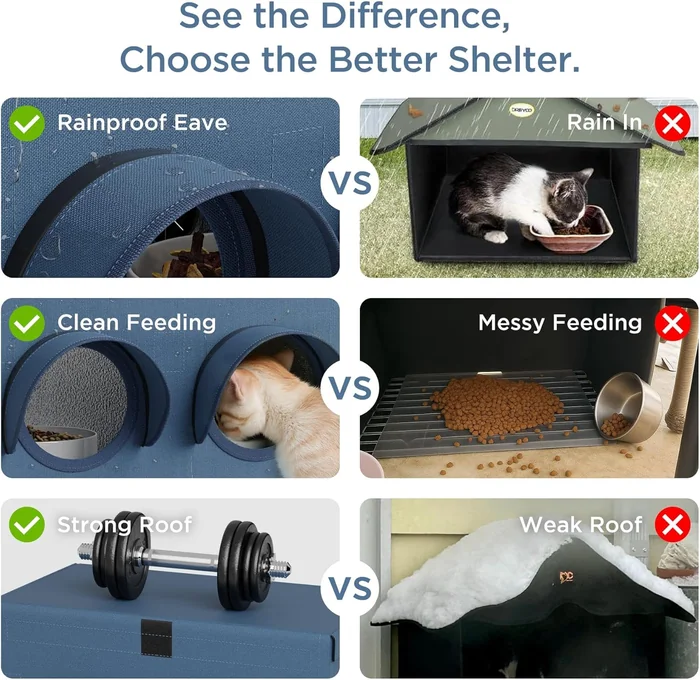
- Dual Feed Hole Design for Clean & Dry Meals: Our thoughtfully engineered dual feed holes keep your cat’s food and water protected from rain, snow, and falling debris; The enclosed access limits movement inside, helping prevent bowls from tipping or being pushed over while your cat eats.
- Stable and Wind-Resistant Build: Includes ground stakes to anchor the house in place, even during strong wind or stormy weather; The durable fabric shell and reinforced structure offer lasting outdoor reliability.
The PELUOMOZ Outdoor Cat Feeding Shelter is an excellent tool for responsible feeding. Its insulated, slanted-roof design protects food and water bowls from rain and snow year-round. The dual feed hole design is a thoughtful feature that helps prevent bowls from being tipped over while cats eat. We especially appreciate the included ground stakes, which provide stability in windy conditions, ensuring the station stays put and meals stay clean and accessible.
11. El eartip es un signo universal de cuidado
Si ves a un gato con la punta de una oreja cuidadosamente cortada, no te alarmes. Esto es llamado El Ear-Tipping, Es un signo universal realizado durante la cirugía de esterilización / castración mientras el gato está bajo anestesia. Es una forma rápida, indolora y humana de identificar a distancia que un gato ha pasado por un programa de TNR. Esto evita que el gato sea atrapado y anestesiado innecesariamente en el futuro.
12. Pueden convivir con la vida silvestre
Si bien la depredación es una preocupación, los estudios y las prácticas de colonias administradas muestran que la alimentación enfocada (proporcionando comida abundante para gatos) y la TNR pueden reducir significativamente la actividad de caza de un gato. Los gatos bien alimentados y esterilizados están menos impulsados a cazar y pasan más tiempo descansando. Colocar estaciones de alimentación lejos de áreas de alta actividad de la vida silvestre y usar campanas en los collares (si es seguro para el gato) son estrategias de mitigación adicionales.
13. Apoyo comunitario es clave
Ayudar a los gatos salvajes no es una tarea solitaria. El éxito depende del apoyo de la comunidad, desde los vecinos que acuerdan no llamar al control de animales, hasta las empresas locales que permiten estaciones de alimentación, hasta los veterinarios que ofrecen servicios de esterilización / castración de bajo costo. La educación y la comunicación transparente son esenciales para construir este apoyo y crear una comunidad compasiva para todos sus habitantes.
14. Puede ayudar incluso sin contacto manual
No necesitas poder tocar a un gato salvaje para ayudarlos. El apoyo puede tomar varias formas: Donar a organizaciones sin fines de lucro locales de TNR, construir y distribuir albergues al aire libre, patrocinar una cirugía de esterilización / castración, o simplemente educar a otros sobre TNR. La promoción y el suministro de recursos son contribuciones increíblemente valiosas. Para más ideas sobre la interacción segura, vea nuestra guía en ¿Cómo entrenar a un gato? Una guía sin estrés para gatitos y gatos adultos.
15. Merecen nuestra compasión y nuestro respeto
Los gatos salvajes son un producto de la negligencia humana, de las mascotas no esterilizadas siendo abandonadas. Son supervivientes resilientes que navegan por un mundo no construido para ellos. Nuestra respuesta debe ser una gestión humana y basada en la evidencia, no la persecución. Al comprender su naturaleza e implementar TNR, cumplimos con nuestra responsabilidad de cuidar a los animales en nuestras comunidades y trabajamos hacia un futuro donde cada gato tenga la oportunidad de una vida segura y saludable.
Cómo PawLitter apoya a cuidadores de gatos salvajes
En PawLitter, estamos comprometidos a proporcionar no solo información, sino también recursos prácticos para aquellos que cuidan a los gatos de la comunidad. Seleccionamos cuidadosamente y recomendamos productos, desde refugios resistentes como los anteriores hasta equipos de trampa esenciales, que satisfacen las necesidades específicas y exigentes de la vida felina al aire libre. Nuestro objetivo es equiparlo con herramientas y conocimientos fiables, ya sea que esté administrando una colonia, cuidando a un visitante del patio trasero o simplemente quiera aprender más. Para una inmersión más profunda en la creación de un espacio seguro al aire libre, explore nuestro recurso en ¿Con qué frecuencia debes cambiar la cama de gato? Una guía revisada, y para comprender el comportamiento felino, revise La guía definitiva para encontrar la mejor caja de basura para varios gatos.
Discusión: Este artículo está diseñado con fines informativos. Siempre consulte con las organizaciones locales de bienestar animal o veterinarios para obtener orientación específica a su situación y para garantizar el cumplimiento de las ordenanzas locales con respecto a los gatos salvajes y comunitarios.

Art ículos relacionados
 Cat básico
14 hechos inesperados sobre los gatos machos (#7 es verdaderamente revelador)
 Cat básico
10 trucos probados para mantener a tu gato alejado de las plantas y salvar tu vegetación
 Cat básico
10 mitos populares de gatos completamente desacreditados por un veterinario
 Cat básico
10 signos de embarazo en gatos: una guía completa para los dueños preocupados
 Cat básico
10 hechos poco conocidos sobre la lengua de tus gatos
 Cat básico