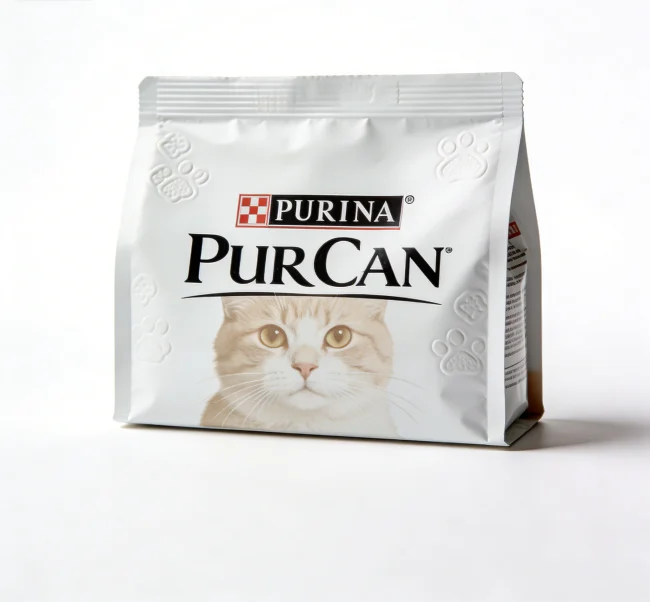
¿Qué es lo más saludable para comer un gato? Una guía de nutrición aprobada por veterinarios
Como un dueño de gato preocupado preguntando: “¿Qué es lo más saludable para que un gato coma? ” Usted está buscando algo más que una simple lista de alimentos. Usted quiere una guía exhaustiva y confiable sobre la nutrición felina que asegure la vitalidad a largo plazo de su mascota. La dieta más saludable para un gato es una dieta equilibrada y adecuada para la especie que satisfaga sus necesidades biológicas únicas como carnívoros obligados. Esto significa un enfoque primario en proteínas animales de alta calidad, humedad adecuada y nutrientes esenciales específicos como la taurina, todos adaptados a su etapa de vida y estado de salud. Esta guía aprobada por un veterinario sintetizará la ciencia compleja de la nutrición en consejos claros y procesables, lo que le permitirá tomar las decisiones más informadas para el tazón y el bienestar de su gato.
Los gatos no son perros pequeños, ni tampoco son omnívoros. Su fisiología está exquisitamente sintonizada para una dieta basada en carne. Este imperativo biológico, conocido como ser un “carnívoro obligatorio ”, significa que tienen un requisito dietético crítico de nutrientes que se encuentran solo en el tejido animal. Sus cuerpos son ineficientes para sintetizar ciertas vitaminas y aminoácidos de fuentes vegetales. Por ejemplo, la taurina, un aminoácido vital para la función cardíaca, la visión y la reproducción, está ausente en las plantas. Una deficiencia puede conducir a problemas de salud devastadores como la cardiomiopatía dilatada. Su metabolismo también está orientado para obtener energía de proteínas y grasas, no de carbohidratos. Comprender esta verdad fundamental es el primer paso para proporcionar la dieta más saludable: debe centrarse en ingredientes animales de alta calidad.
Los pilares nutricionales básicos de una dieta saludable para gatos

Una dieta nutricionalmente completa se basa en varios pilares clave. El primero es Proteínas de alta calidad, El alimento, que debe ser el ingrediente más abundante, proporcionando aminoácidos esenciales para el mantenimiento muscular, la función inmune y el metabolismo general. Segundo son Las grasas, Las grasas de origen animal como la grasa de pollo o el aceite de pescado, que suministran energía y ácidos grasos esenciales (como el ácido araquidónico y los omega - 3) para la piel, la piel y la salud celular. Terceros están Vitamina y minerales en proporciones precisas - vitamina A del hígado, calcio y fósforo para los huesos - que se proporcionan mejor a través de una dieta comercial equilibrada o recetas cuidadosamente formuladas. El pilar más crítico, pero a menudo descuidado, es Agua. Los gatos tienen una sed baja, por lo que el contenido de humedad en los alimentos es fundamental para la salud urinaria y renal.
Decodificación de alimentos comerciales para gatos: Cómo hacer una elección informada
Navegar por el pasillo de alimentos para mascotas puede ser abrumador. La opción comercial más saludable es la que es “completa y equilibrada ” de acuerdo con los estándares establecidos por la Asociación de Funcionarios de Control de Alimentos Americanos (AAFCO) para la etapa específica de la vida de su gato. La verdadera habilidad reside en interpretar la etiqueta más allá de las afirmaciones de marketing.
Lista de ingredientes y análisis garantizado: Los ingredientes se enumeran por peso. Busque una proteína animal nombrada (por ejemplo, “pollo ”,“ salmón ”) como el primer ingrediente, no una “carne ” genérica o“ pollo ”. Comprenda que los “subproductos de la carne” (órganos internos limpios como el hígado, el corazón) son densos en nutrientes y no son inherentemente de baja calidad. El análisis garantizado muestra los porcentajes mínimos de proteínas y grasas crudas y los porcentajes máximos de fibra y humedad. Utilice para la comparación, pero recuerde que no indica la calidad o la digestibilidad de los ingredientes.
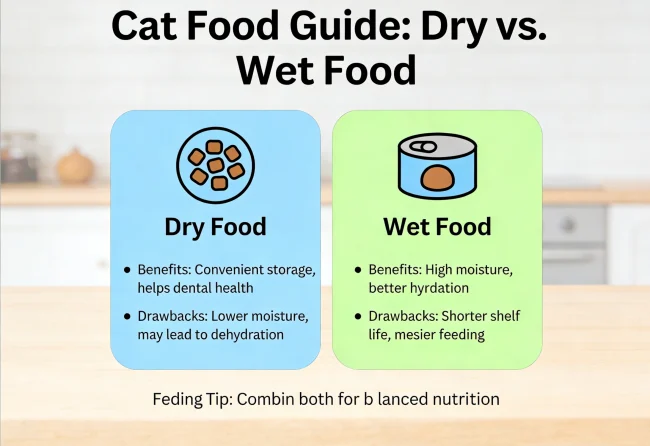
Comida húmeda vs. comida seca: Esta es una decisión crucial con importantes implicaciones para la salud.
| Características | Alimentos enlatados / enlatados | Dry / Kibble |
|---|---|---|
| Contenido de humedad | Alto (70 - 80%) | Bajo (5 - 10%) |
| Beneficio de salud primario | Promueve la hidratación, apoya la salud del tracto urinario, menor en carbohidratos | Conveniente, puede ayudar a reducir el sarro dental a través de la masticación (pero no un sustituto para el cepillado) |
| Protein & Carb Perfil Típico | Muchas veces proteínas más altas, carbohidratos más bajos | A menudo carbohidratos más altos (necesarios para la forma de croquetas), proteínas variables |
| Costo & Almacenamiento | Por lo general, más caro por caloría, requiere refrigeración después de abrir | Más denso en calorías, rentable, fácil de almacenar |
Para una salud óptima, muchos veterinarios recomiendan una dieta principalmente o exclusivamente de alimentos húmedos, o al menos incorporarla regularmente para aumentar la ingesta total de agua.
Más allá de la bolsa: Alimentos humanos seguros y la realidad de las dietas caseras

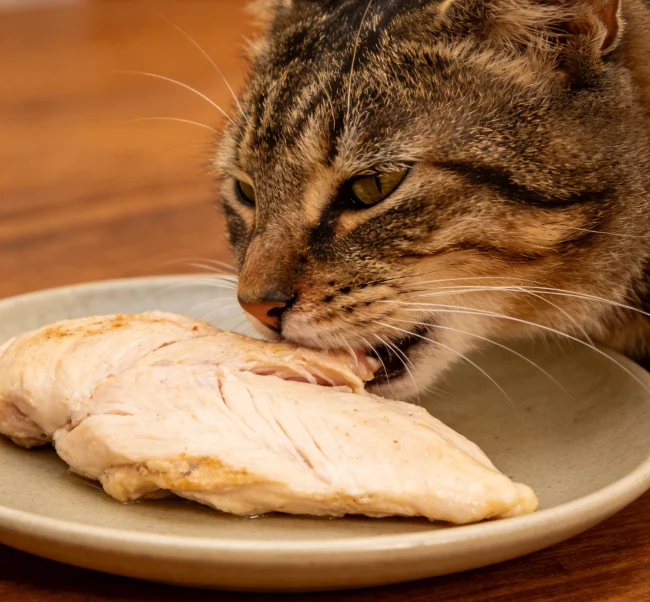
Si bien una dieta comercial completa es la más segura, algunos alimentos humanos se pueden ofrecer como golosinas ocasionales. opciones seguras Incluyen pollo, pavo o pescado (sin huesos) cocido, sin seasonar, pequeñas cantidades de huevo cocido y ciertas verduras como el brócoli o la zanahoria al vapor. Evite siempre cebollas, ajo, chivo, uvas, pasas, chocolate, cafeína, alcohol y xilitol (un edulcorante artificial), ya que estos son tóxicos.
El Desafío de la Dieta Casera: Impulsados por un deseo de control y salud, algunos propietarios consideran comidas caseras. Es fundamental comprender que simplemente alimentar carne o pescado cocinado es No es nutricionalmente completo y conducirá a deficiencias o excesos graves con el tiempo. Una revisión de 2026 en la Revista de Medicina Felina y Cirugía Más de 951 TP3T de recetas caseras que se encuentran en línea son deficientes en al menos un nutriente esencial Si está decidido a seguir este camino, no es negociable trabajar con un nutricionista veterinario certificado por la junta. Ellos formularán una receta específica para su gato, le recetarán suplementos necesarios (como calcio, taurina y mezclas de vitaminas) y le recomendarán análisis sanguíneos regulares para monitorear su salud.
Nutrición a medida: Estadio de vida y consideraciones de salud

La dieta “más saludable ” evoluciona a lo largo de la vida de un gato. Los kittens Requieren alimentos etiquetados como “crecimiento ” o“ todas las etapas de la vida ”, que son más altos en calorías, proteínas y minerales como el calcio. Adult cats (1-7 years) need maintenance diets to support an ideal body condition. Senior cats (7+ years) may benefit from diets with adjusted protein levels (high-quality, easily digestible protein remains crucial), added joint support nutrients, and controlled phosphorus for kidney health. Cats with medical conditions such as chronic kidney disease, diabetes, food allergies, or obesity require therapeutic diets prescribed by a veterinarian. Never put a cat on a medically restricted diet without professional guidance.
A Practical Guide to Cost vs. Nutritional Value
Providing a healthy diet doesn’t always mean buying the most expensive brand. Value lies in nutritional adequacy, not price tag. Compare the cost per calorie, not per can or bag. Mid-priced brands that meet AAFCO standards and have a named meat as the first ingredient can be excellent choices. Investing in higher-quality food can be preventative healthcare, potentially reducing future veterinary costs for issues like urinary crystals or obesity-related diabetes. For budget-conscious owners, incorporating a portion of a high-quality wet food into a balanced dry diet can boost nutrition and hydration affordably.
Implementing Change: Transition Plans and Problem-Solving
Switching foods must be done gradually over 7-10 days to avoid gastrointestinal upset. Start by mixing 25% new food with 75% old, gradually increasing the ratio. For finicky eaters or multi-cat households, strategies like scheduled feeding times (rather than free-feeding), using puzzle feeders for mental stimulation, and separating cats during meals can promote healthy eating habits. Always ensure fresh water is available in multiple locations, away from the food bowl.
Preguntas frecuentes (FAQ)
Q: Is dry food or wet food healthier for my cat?
For most cats, wet food is considered healthier due to its high moisture content, which supports kidney and urinary tract health. It is also typically lower in carbohydrates. Dry food is more convenient and can help with dental health through mechanical scraping, but it should not be the sole source of nutrition. A combination or a primarily wet diet is often recommended by veterinarians.
Q: Can I feed my cat a vegetarian diet?
No. Cats are obligate carnivores and require nutrients like taurine, vitamin A, and arachidonic acid that are not available in sufficient or bioavailable forms from plants. A vegetarian diet will lead to severe, life-threatening nutritional deficiencies and is considered inhumane.
Q: How often should I feed my cat?
This depends on age and lifestyle. Kittens need multiple small meals (3-4 times daily). Most adult cats do well with two measured meals per day. Scheduled feeding helps prevent obesity. Some cats, especially those prone to urinary issues, may benefit from more frequent, smaller meals. Consult your vet for a personalized plan.
Q: Are grain-free diets better for cats?
Not necessarily. True food allergies to grains are rare in cats; they are more commonly allergic to animal proteins. Grain-free diets often replace grains with other carbohydrate sources like potatoes or legumes. Recent veterinary research has focused on a potential link between some grain-free diets (high in legumes) and heart disease in dogs, and while a direct link in cats is less clear, it underscores the importance of choosing diets based on nutritional science, not trends.
Q: What human foods are absolutely toxic to cats?
You must avoid onions, garlic, chives, leeks, grapes, raisins, chocolate, caffeine, alcohol, raw yeast dough, and any foods containing the sweetener xylitol. Even small amounts of these can cause serious illness or death.
Q: How can I tell if my cat’s food is high quality?
Look for an AAFCO nutritional adequacy statement for your cat’s life stage. The first ingredient should be a specified animal protein (e.g., “deboned chicken”). Avoid foods with excessive fillers like corn, wheat, or soy listed in the top ingredients, and those with artificial colors, flavors, or preservatives like BHA/BHT.
Q: My cat is overweight. What is the healthiest diet for weight loss?
The healthiest approach is a vet-supervised weight loss plan. It typically involves a controlled-calorie diet, often a prescription weight management food that is high in protein and fiber to promote satiety. Simply reducing portion size of a regular diet may lead to nutrient deficiencies. Increased play and exercise are also crucial components.
Q: Is it safe to give my cat milk?
Despite the popular image, most adult cats are lactose intolerant. Cow’s milk can cause digestive upset, including diarrhea. Special “cat milk” products are lactose-free and safer as an occasional treat, but water should always be the primary drink.
Q: Do indoor cats need a different diet than outdoor cats?
Yes, often. Indoor cats tend to be less active and have a lower calorie requirement. They benefit from a diet formulated for “indoor” or “weight control” lifestyles, which is often higher in fiber and has a carefully managed calorie density to help prevent obesity.
Q: How do I transition my cat to a new food?
Transition slowly over 7-10 days to avoid stomach upset. Start with a mix of 25% new food and 75% old food for a few days, then move to a 50/50 mix, then 75% new/25% old, before finally switching completely to the new food. If diarrhea or vomiting occurs, slow the transition further.
Q: Should I be concerned about by-products in cat food?
Not necessarily. In the context of pet food, “by-products” refer to clean, nutrient-rich internal organs (like liver, heart, lungs) that are highly palatable and nutritious for cats. They are not “fillers.” The concern is more with vague sourcing (e.g., “meat by-products” vs. “chicken by-products”).
Q: Are raw diets healthier for cats?
Raw diets carry significant risks, including bacterial contamination (Salmonella, E. coli) for both the pet and the household, and potential for parasitic infection. While proponents cite benefits, most veterinary organizations, including the American Veterinary Medical Association, discourage raw diets due to public health risks. If pursued, it must be done under strict guidance from a veterinary nutritionist.
Q: How much water should my cat drink daily?
A general guideline is that a cat should consume about 50-60ml of water per kilogram of body weight per day. Since cats on wet food get much of their water from their diet, they may drink very little. Cats on dry food must drink more. Always provide fresh, clean water in a wide, clean bowl (some cats prefer fountains).
Q: What are the signs of a good quality commercial cat food?
Signs include: a named animal protein as the #1 ingredient, an AAFCO statement, appropriate life stage labeling, transparency about the manufacturer, and the absence of artificial colors/flavors. Reputable brands often employ veterinary nutritionists and conduct feeding trials.
Providing the healthiest diet for your cat is one of the most impactful ways to ensure a long, vibrant life. It requires moving beyond marketing hype to understand the core principles of feline nutrition as an obligate carnivore. Prioritize high-quality animal protein, essential nutrients, and adequate hydration—primarily through wet food—while tailoring choices to your cat’s individual needs. Remember, the most perfect diet plan should always be implemented in partnership with your veterinarian, who can provide personalized advice and regular health monitoring. Your informed choices at the food bowl are a direct investment in your cat’s health and happiness.
Ver comentarios (0)