
¿Cuántas cajas de litter por gato? La guía definitiva para una casa feliz
Si alguna vez te has preguntado: “¿Es suficiente una caja de arena para mi gato?” No estás solo. Esta es una de las preguntas más comunes entre los dueños de gatos nuevos y experimentados por igual. La respuesta, sin embargo, es más que un simple número: es una piedra angular del bienestar felino que puede prevenir una serie de problemas de comportamiento y garantizar un hogar armonioso. Obtener la ecuación correcta de la caja de arena es crucial para prevenir accidentes, reducir el estrés y respetar los instintos naturales de tu gato. Esta guía analizará la regla oficial, explicará las razones críticas detrás de ella y proporcionará consejos prácticos para su implementación, basándose en los conocimientos de expertos y las pruebas del mundo real del equipo en el sitio web. El PawLitter.
La regla de oro: ¿Cuántas cajas de basura realmente necesita?
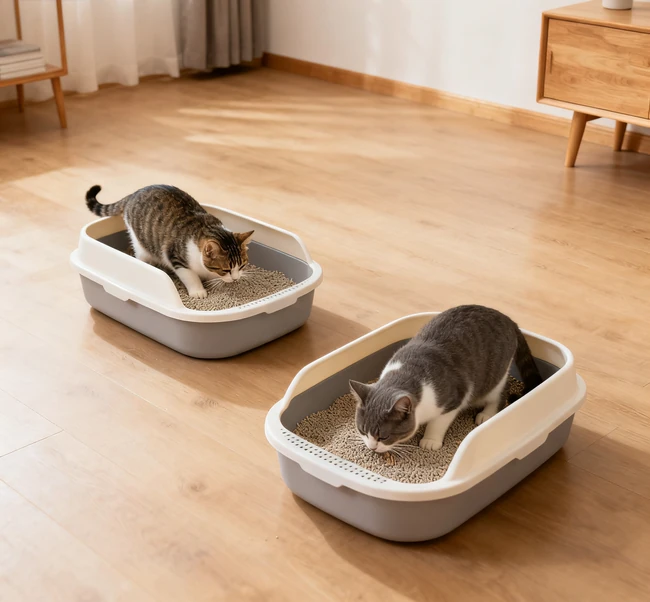
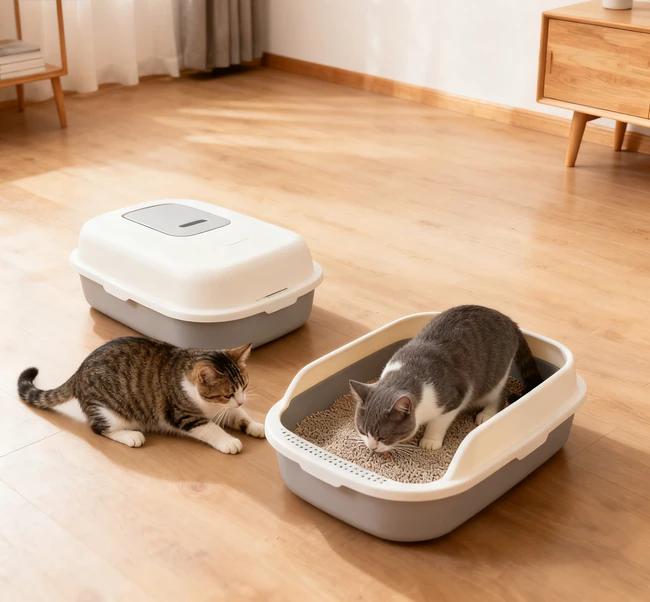
Para un hogar de un solo gato, la respuesta no es solo una. La guía universalmente recomendada por los veterinarios y conductistas felinos es la “Regla n + 1”. Esto significa que usted debe tener Una caja de litter por gato, más una extra.
Vamos a poner esto en práctica:
- 1 Gato: 2 cajas de litros
- Dos gatos: 3 cajas de litros
- 3 gatos: Cuatro cajas de litros
Si bien esto puede parecer un exceso al principio, esta simple fórmula es la estrategia más efectiva para prevenir la aversión a la caja de basura y el conflicto entre gatos. Es una pequeña inversión que paga de una manera enorme para la felicidad de su gato y su propia tranquilidad.
Por qué la regla “más uno ” no es negociable
Esta regla no es arbitraria; está arraigada en la comprensión de la psicología felina y la dinámica social. Los gatos son a la vez depredadores y presas en la naturaleza, lo que los convierte en criaturas intrínsecamente cautas. Sus hábitos de baño son un momento vulnerable, y la configuración de la caja de basura debe respetar esto.
1. Previene la custodia de recursos y “emboscas”
En hogares con varios gatos, un gato dominante puede bloquear el acceso de un gato más tímido a una sola caja de basura compartida. Tener múltiples cajas en diferentes ubicaciones garantiza que cada gato tenga un lugar seguro y accesible al que ir sin ser intimidado. Esta es una causa común de ensuciamiento fuera de la caja, que a menudo es un problema de comportamiento, no un rencoroso.
2. Proporciona una opción limpia y libre de olores en todo momento
Los gatos son animales delicadamente limpios. Si su única caja de basura está sucia, es muy probable que encuentren un lugar más limpio, como su alfombra o una pila de ropa. Las múltiples cajas garantizan que incluso si uno se usa recientemente, siempre hay una alternativa fresca y aceptable disponible. Esto es especialmente importante si estás lejos de casa por períodos prolongados.
3. Acomoda necesidades médicas y de envejecimiento
Los gatos con afecciones médicas como artritis, enfermedad renal o una infección del tracto urinario pueden necesitar ir más frecuentemente y con urgencia. Tener cajas en cada nivel de su casa o con puntos de entrada más bajos puede ser un salvavidas para estos gatos. Para obtener más información sobre las consideraciones de salud, consulte nuestra guía sobre ¿Es dañino inhalar polvo de basura de gato? Una guía revisada.
Colocación de la caja de basura: ubicación, ubicación, ubicación
Simplemente tener el número correcto de cajas no es suficiente; donde las pones es igualmente crítico. El objetivo es crear una experiencia de baño positiva y libre de estrés.
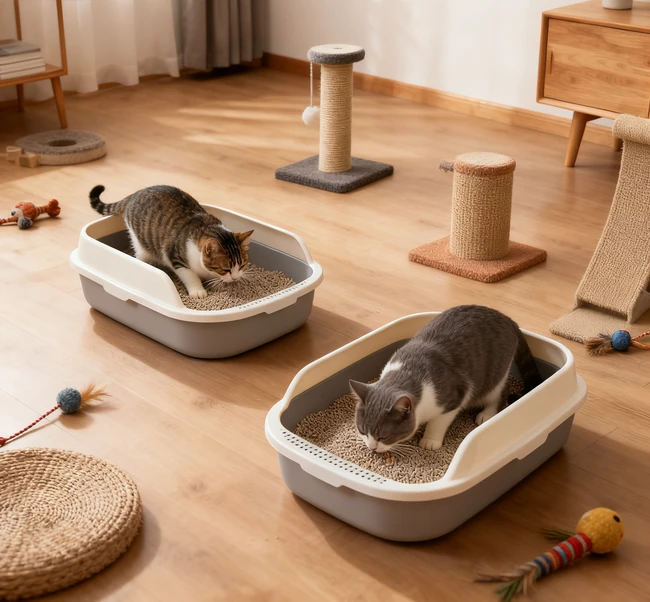
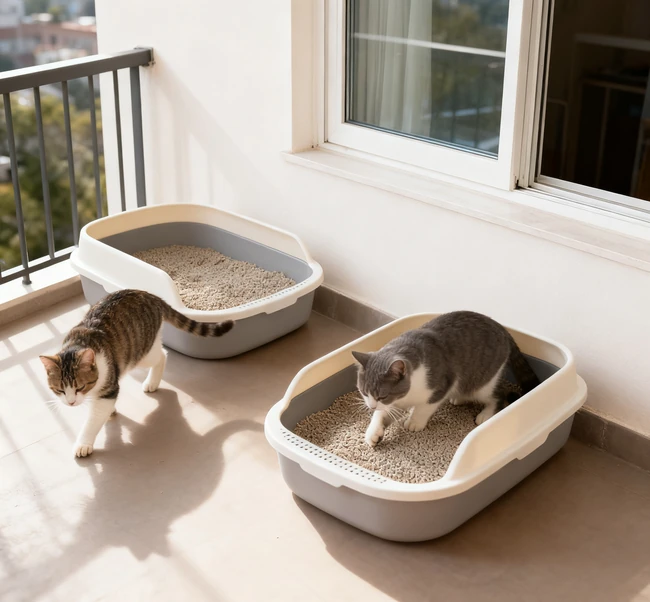
- Difundirlos fuera: No coloque todas las cajas en una habitación. Esto puede ser percibido como una caja de basura única y grande que puede ser fácilmente custodiada por un gato. Colocarlos en diferentes áreas tranquilas de su hogar.
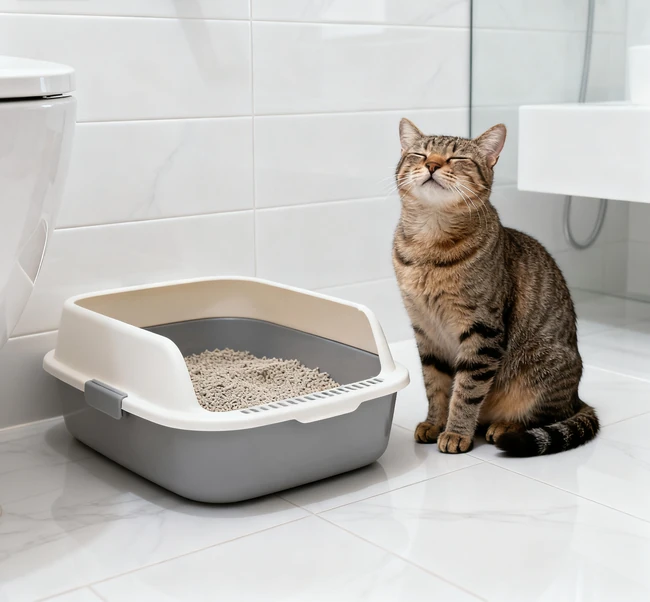
- Áreas tranquilas y de bajo tráfico: Evite los electrodomésticos ruidosos (como las lavadoras), los pasillos de alto tráfico y las áreas donde su gato pueda sentirse acorralado.
- Rutas de escape sencillas: Asegúrese de que su gato tiene múltiples caminos de salida de la caja y puede ver la entrada de la habitación. Esto les hace sentirse seguros.
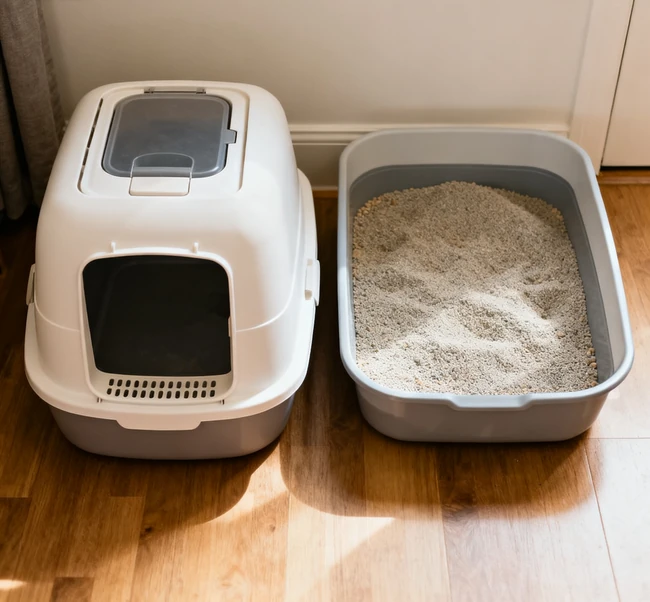
- Considera el tipo de caja: El estilo de la caja de basura es importante. En PawLitter, nuestras pruebas con gatos reales han demostrado que algunos felinos prefieren fuertemente las cajas abiertas por su visibilidad, mientras que otros se sienten más seguros en las cubiertas. A menudo es mejor ofrecer una variedad. Para una inmersión profunda sobre este tema, consulte nuestro artículo en ¿Dónde no debes poner una caja de basura? La guía definitiva para la mala colocación.
Consideraciones y excepciones especiales
Si bien la regla n + 1 es el estándar de oro, ciertas situaciones pueden requerir ajustes.
Para un gato en un pequeño apartamento
Si el espacio es extremadamente limitado, una caja de arena grande y bien mantenida podría ser aceptable para un solo gato, siempre que la recojas. Al menos Dos veces al día. Sin embargo, ofrecer dos cajas, incluso si son más pequeñas o colocadas en lugares creativos (como una caja cubierta que se duplica como una mesa lateral), sigue siendo muy recomendable para evitar problemas antes de que empiecen.
Casas multi-nivel
Si tu casa tiene más de una planta, debes tener Al menos una caja de arena en cada nivel. Esto evita que su gato tenga que atravesar escaleras cuando la necesidad golpea, lo que es especialmente importante para gatitos, personas mayores y gatos con problemas de movilidad.
Elegir la caja de basura correcta y la basura
La cantidad y la colocación son fundamentales, pero la calidad y el tipo de la caja y la basura también son vitales. En PawLitter, probamos una amplia gama de productos, desde cajas abiertas tradicionales hasta de alta tecnología. Cajas de basura autolimpiadas, Para ver qué funciona mejor para los gatos y sus dueños.
| Tipos de caja de basura | Mejor para | Consideración |
|---|---|---|
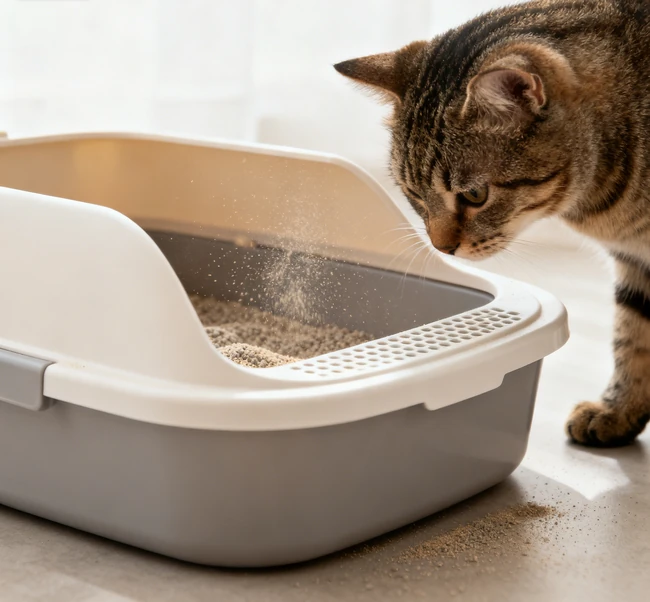
| La caja abierta | Gatos, gatitos mayores y gatos que desconfian de los espacios cerrados. | Es más fácil de usar para los gatos, pero no ofrece contención de olores ni privacidad. La dispersión de basura puede ser un problema. |
| Caja cubierta / Hooded | Propietarios que buscan control de olores y disminución de la dispersión de basura. | A algunos gatos no les gusta el espacio confinado y los olores atrapados. Requiere una diligente limpieza. |
| Caja de entrada superior | Hogares con perros o niños curiosos; reduce la dispersión de la basura. | Puede ser difícil para gatitos, personas mayores o gatos con problemas de movilidad entrar y salir. |
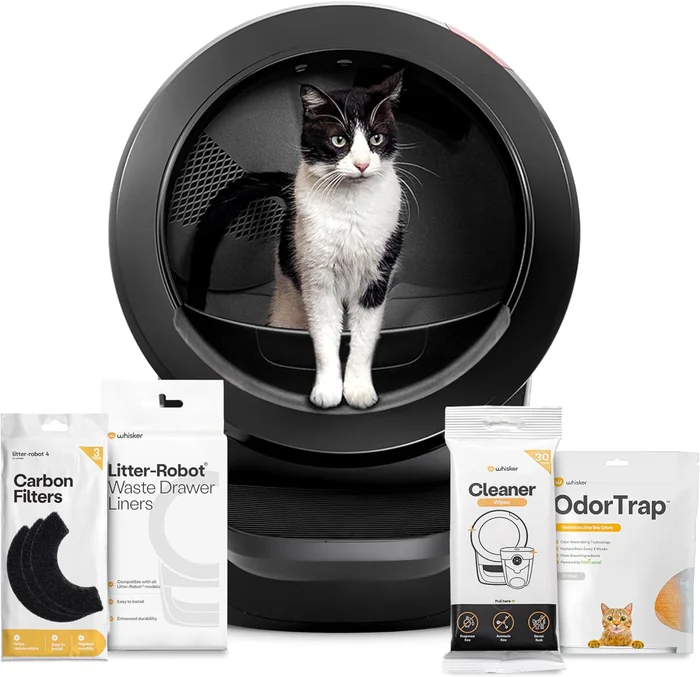
| Caja de autolimpieza | Propietarios ocupados y hogares con varios gatos que necesitan una limpieza constante. | Mayor costo; algunos gatos se asustan por el ruido y el mecanismo. Requiere basura específica y fuente de alimentación. |
Su elección de Cat litter es igualmente importante. La mayoría de los gatos prefieren una camada suave, sin perfumes y aglomerada. La consistencia es clave: cambiar repentinamente el tipo de litter puede hacer que su gato rechace la caja por completo.
Mantenimiento: La clave para el éxito de la caja de basura
No importa cuántas cajas tenga, un mantenimiento deficiente deshacerá todo su buen trabajo.
- El desperdicio diario: Retire los desechos sólidos y los grumos al menos una vez, idealmente dos veces al día.
- Deep Clean Semanal: Vaciar toda la basura, lavar la caja con agua tibia y un jabón suave, sin perfume (evitar productos químicos duros), y rellenar con basura fresca.
- Reemplazar las cajas con regularidad: Las cajas de basura de plástico pueden desarrollar arañazos microscópicos que albergan bacterias y olores. Reemplazarlos cada año o más, o si se rascan o se manchan visiblemente.
La eliminación adecuada es parte de un buen mantenimiento. Para los mejores métodos, lea nuestra guía completa en ¿Cómo debo deshacerme de la basura de mi gato? Una guía completa. Y recuerda, Poner basura de gato en el inodoro generalmente no se recomienda ya que puede causar graves problemas de plomería.
Preguntas Frecuentes
¿Es suficiente una caja de arena para dos gatos?
No, no es así. Si bien algunos gatos pueden tolerarlo, compartir una sola caja es una fuente significativa de estrés y un desencadenante común para la contaminación de la casa. Para dos gatos, se recomiendan encarecidamente tres cajas de arena para evitar la competencia por los recursos y garantizar la higiene.
¿Dónde es el mejor lugar para poner una caja de basura?
Los peores lugares están al lado de un electrodoméstico ruidoso (como un horno o una lavadora), en un sótano oscuro, en un pasillo ocupado, o en un espacio pequeño y cerrado como un armario sin una ruta de escape fácil. Estas ubicaciones hacen que los gatos se sientan vulnerables y estresados. Aprenda más en nuestro artículo sobre Mala colocación de la caja.
Mi gato de repente no está usando la caja de arena.¿Qué debo hacer?
El primer paso es siempre Consulta a tu veterinario para descartar un problema médico como una infección urinaria, que puede causar dolor y urgencia. Si su gato recibe un informe de salud limpio, entonces considere las causas del comportamiento: ¿Está limpia la caja?¿Hay un gato nuevo en la casa?¿Cambió el tipo de basura?¿Ha pasado algo aterrador cerca de la caja? Nuestra guía sobre Cómo entrenar a un gato Puede ayudar con el reciclaje.
¿Puedo colocar dos cajas de basura una al lado de la otra?
No es ideal. Colocar dos cajas lado a lado a menudo es percibido por los gatos como una gran caja de arena. Si una zona está sucia o “reclamada” por un gato, el otro gato puede evitar ambas cajas. Para que la regla n + 1 sea efectiva, las cajas deben estar en lugares separados.
¿ Es seguro dormir en la misma habitación que una caja de basura ?
Aunque no suele ser peligroso para los adultos sanos, no se recomienda. El polvo y el amoníaco de la orina pueden irritar las vías respiratorias, y el olor puede ser perturbador para dormir. Tampoco es ideal para tu gato, que puede preferir privacidad. Para un desglose detallado, vea ¿ Es seguro dormir en una habitación con una caja de basura para gat os ? Una gu ía exper ta.
¿Cómo prueba y evalúa PawLitter las cajas de basura?
En PawLitter, nuestras revisiones se basan en la confianza y la experiencia en el mundo real. Realizamos pruebas prácticas durante un mínimo de 30 días con gatos reales en entornos caseros. Evaluamos basándonos en criterios estrictos: control de olores, facilidad de limpieza, comodidad y aceptación de los gatos, durabilidad y valor general. Somos transparentes sobre nuestras relaciones de afiliados y priorizamos lo que es mejor para el gato por encima de cualquier asociación de marca o comisión.
¿Puedes enjuagar las heces de gato sin basura?
Esta es una cuestión compleja con importantes consideraciones ambientales y de plomería. Si bien la propia caca puede ser lavada en algunos sistemas municipales, no se recomienda universalmente. Exploramos la respuesta sorprendente en nuestro artículo dedicado: ¿Puedes enjuagar la caca de gato sin basura? La respuesta sorprendente.
Temas relacionados
- Cómo entrenar a un gato
- ¿Qué tipo de cat litter es el mejor?
- ¿Qué es un Litter para Gatos?
- ¿ Dónde no debes poner una caja de basura ?
- PawLitter Litter Box Comentarios y guías
Conclusión
Adherirse a la regla de “una caja de litter por gato, más una extra ” es una de las decisiones más impactantes que puede tomar para la salud de su gato y la armonía de su hogar. Es una fórmula sencilla que respeta la naturaleza felina, previene el estrés y promueve el uso consistente de la caja de basura. Recuerde combinar la cantidad correcta con una colocación estratégica, un mantenimiento diligente y un tipo de caja de arena que realmente le guste a su gato. Para obtener revisiones más detalladas e imparciales y guías prácticas para ayudarle a elegir la configuración perfecta para su amigo felino, explore los recursos completos disponibles en WEB El PawLitter.
Ver comentarios (0)