Feline obesity is a growing concern, affecting over 50% of domestic cats and leading to serious health issues like diabetes, arthritis, and heart disease. Choosing the right cat food for weight loss is crucial to ensure your pet sheds pounds safely while maintaining muscle mass and overall health. This article provides a comprehensive guide to selecting and using weight management cat food, backed by veterinary insights and practical tips. You’ll learn about key nutritional components, feeding strategies, and how to monitor your cat’s progress effectively. By the end, you’ll have the tools to help your feline friend achieve a healthier weight and a longer, happier life.
Understanding Feline Obesity and Its Risks
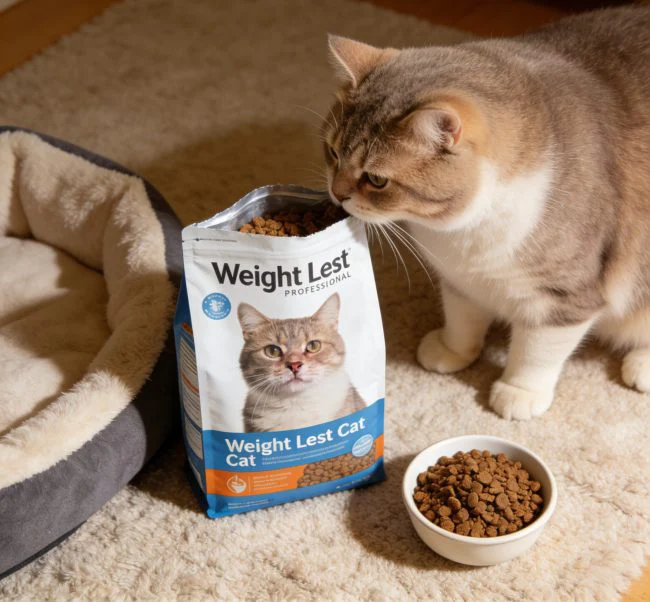
Obesity in cats is defined as being 20% above their ideal body weight. This condition is often caused by overfeeding, lack of exercise, or high-calorie diets. Excess weight puts strain on a cat’s joints, increases the risk of diabetes, and can shorten their lifespan by up to two years. Veterinary studies show that even a few extra pounds can significantly impact a cat’s quality of life.
1. Joint problems: Extra weight exacerbates arthritis and other mobility issues.
3. Heart disease: Fat accumulation around the heart can lead to cardiovascular issues.
Recognizing the signs of obesity is the first step. Look for a lack of a visible waistline, difficulty feeling ribs, and reduced activity. A veterinarian can confirm your cat’s condition using a body condition score (BCS) chart.
Key Nutritional Components of Weight Loss Cat Food
When selecting cat food for weight loss, focus on formulas designed to support lean muscle while reducing fat. These foods typically have lower calorie density but higher protein content. Protein is essential to preserve muscle mass during weight loss, as cats are obligate carnivores and require high-quality animal-based proteins.
• High protein: Look for at least 30% protein from sources like chicken, turkey, or fish.
• Moderate fat: Fat content should be around 10-15% to provide essential fatty acids without excess calories.
• Fiber: Added fiber promotes satiety and helps control hunger between meals.
Avoid foods with excessive fillers like corn or wheat, as they offer little nutritional value and can contribute to weight gain. Always check the AAFCO (Association of American Feed Control Officials) label to ensure the food meets nutritional standards for adult maintenance.
How to Choose the Right Weight Loss Cat Food
Selecting the best cat food for weight loss involves evaluating several factors, including your cat’s age, health status, and preferences. Start by consulting your veterinarian to rule out underlying conditions that may affect weight loss. For healthy adult cats, a therapeutic weight management formula is often recommended.
2. Evaluate protein sources: Opt for named animal proteins like “deboned chicken” over vague terms like “meat by-products.”
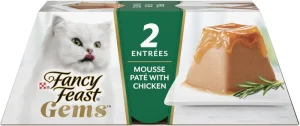
3. Consider wet vs. dry food: Wet food can aid hydration and often has higher protein and lower carbs.
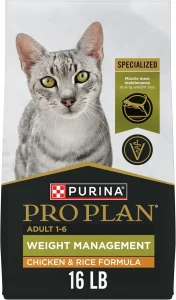
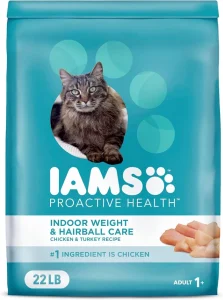
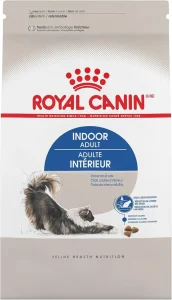
Some brands, like Hill’s Prescription Diet Metabolic or Royal Canin Satiety Support, are formulated specifically for weight loss. These foods use ingredients like L-carnitine to boost metabolism and prebiotic fibers to enhance digestion.
Feeding Strategies for Effective Weight Loss
Even the best cat food for weight loss won’t work without proper feeding practices. Portion control is critical; use a kitchen scale or measuring cup to avoid overfeeding. Divide daily meals into two or three smaller portions to prevent hunger and maintain stable energy levels.
• Measure meals: Avoid free-feeding, as it leads to overconsumption.
• Use puzzle feeders: These slow down eating and provide mental stimulation.
• Monitor treats: Treats should not exceed 10% of daily calorie intake.
Track your cat’s weight weekly and adjust portions as needed. A safe rate of weight loss is 1-2% of body weight per week. Rapid weight loss can cause hepatic lipidosis, a serious liver condition, so patience is key.
The Role of Exercise in Weight Management
Diet alone isn’t enough; exercise is vital for successful weight loss. Encourage physical activity through interactive play, laser pointers, or climbing structures. Aim for at least 15-20 minutes of active play twice daily. This not only burns calories but also strengthens the bond between you and your cat.
1. Wand toys: Mimic prey to trigger your cat’s hunting instincts.
2. Food puzzles: Combine feeding with mental and physical challenges.
3. Vertical spaces: Cat trees or shelves promote climbing and jumping.
For older or less mobile cats, gentle activities like treat rolls or short sessions with feather toys can still make a difference. Always tailor exercise to your cat’s abilities and health status.
Monitoring Progress and Adjusting the Plan
Regular monitoring ensures your weight loss plan is working. Weigh your cat weekly and record the results. If weight loss stalls, reassess portion sizes or consult your vet for formula adjustments. Look for improvements in energy levels, mobility, and coat condition as signs of success.
• Weekly weigh-ins: Use the same scale and time of day for consistency.
• Body condition scoring: Reassess your cat’s BCS monthly.
• Vet check-ups: Schedule visits every 4-6 weeks to track progress.
Remember, weight loss is a gradual process. Celebrate small victories and stay consistent. With the right cat food for weight loss and a structured plan, your cat can achieve a healthier weight and improved quality of life.
Conclusión
Choosing the right cat food for weight loss is a critical step in combating feline obesity and its associated health risks. Focus on high-protein, low-calorie formulas, and combine them with controlled feeding and regular exercise. Monitor your cat’s progress closely and consult your veterinarian for personalized guidance. By following these strategies, you can help your cat achieve a healthier weight, ensuring a longer, happier life. Remember, patience and consistency are key to successful weight management.
James Anderson
Sobre el autor & PawLitter
PawLitter es un recurso líder en línea dedicado a proporcionar información sobre el cuidado de mascotas basada en la evidencia, revisiones completas de productos y orientación experta para dueños de perros y gatos en todo el mundo.
Nuestra misión:
Ofrecer reseñas honestas e imparciales de productos respaldadas por pruebas del mundo real
· Compartir consejos expertos sobre salud, nutrición y comportamiento de mascotas
· Ayudar a los dueños de mascotas a tomar decisiones de compra informadas
· Construir una comunidad de confianza de entusiastas del cuidado de mascotas
Con años de experiencia en la industria de las mascotas y un compromiso con el contenido de calidad, hemos ayudado a miles de dueños de mascotas a encontrar los mejores productos y soluciones para sus amados compañeros.
Colaboraciones y asociaciones de la industria:
Buscamos activamente asociaciones con marcas de mascotas de renombre, profesionales veterinarios y expertos de la industria que comparten nuestros valores de transparencia y bienestar de las mascotas. Si usted está interesado en:
· Revisiones de productos y pruebas
· Oportunidades de contenido patrocinado
· Publicación de invitados y colaboración de contenido
· Alianzas de afiliados
Por favor, visite nuestra página de Asociación o póngase en contacto con nosotros directamente. Esperamos trabajar juntos para promover la excelencia en el cuidado de mascotas.



 Alim entos para gat os y gol os inas FAQ
 Alim entos para gat os y gol os inas FAQ
 Alim entos para gat os y gol os inas FAQ
 Alim entos para gat os y gol os inas FAQ
 Alim entos para gat os y gol os inas FAQ
 Alim entos para gat os y gol os inas FAQ