

¿Deberían los gatos comer alimentos secos o húmedos? La guía de los veterinarios para elegir

Choosing between dry and wet food for your cat is a common dilemma for pet owners, and the answer isn’t a simple one-size-fits-all. The best choice depends on your individual cat’s health, age, lifestyle, and even personal preference. This comprehensive, evidence-based guide will cut through the confusion by comparing the key benefits and drawbacks of each, providing a clear framework for your decision, and offering practical advice from veterinary nutritionists. Ultimately, a combination of both often yields the best results, promoting optimal hydration, nutrition, and enjoyment for your feline friend.
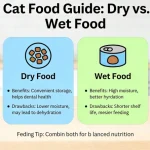
At their most basic, wet and dry cat foods are defined by their moisture content and processing method. Wet food, typically found in cans, pouches, or trays, contains about 75-85% water, closely mimicking the moisture content of natural prey. Dry food, or kibble, contains only about 6-10% water, having had the moisture removed through baking or extrusion to create a shelf-stable product. This fundamental difference drives nearly every other comparison point, from health impacts to cost and convenience. Understanding this moisture gap is the first step to making an informed nutritional choice for your cat.
The Benefits of Wet Cat Food
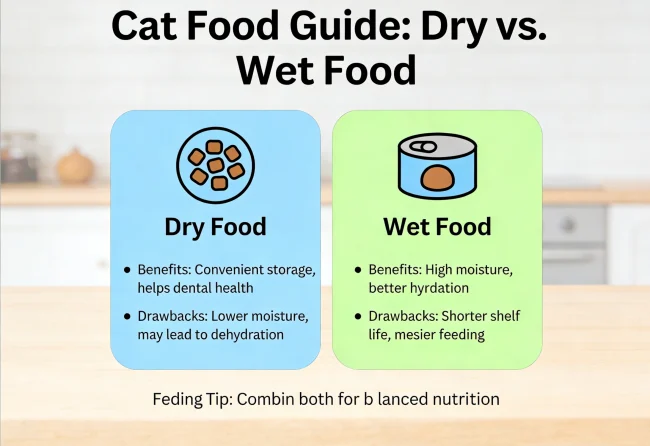
The high moisture content of wet food is its most significant advantage. Cats have a low natural thirst drive, a trait inherited from desert-dwelling ancestors who obtained most of their water from prey. Feeding wet food is the most effective way to increase their total water intake, which is crucial for supporting kidney function, promoting urinary tract health by producing dilute urine, and preventing conditions like feline idiopathic cystitis. Furthermore, wet food is generally higher in protein and lower in carbohydrates than dry food, aligning better with a cat’s obligate carnivore physiology. It’s also highly palatable and easier to eat for kittens, seniors, or cats with dental issues, though it does not clean teeth.
The Benefits of Dry Cat Food
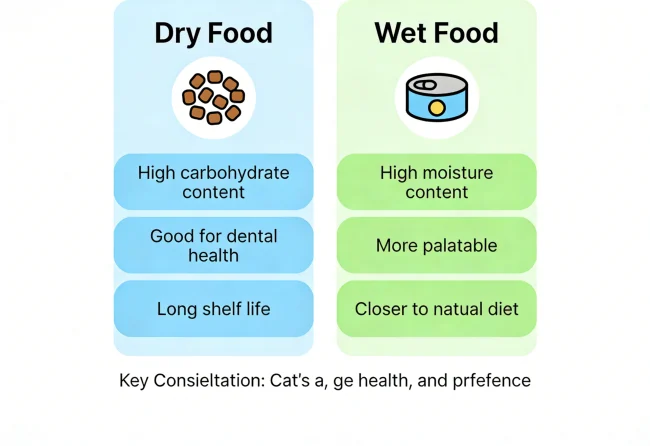
Dry food offers unparalleled convenience and cost-effectiveness for many owners. Its long shelf life once opened and ease of portioning for free-feeding or puzzle feeders make it a practical choice for busy households. It is also more energy-dense, meaning cats need to eat a smaller volume to meet their caloric needs. A common belief is that the mechanical abrasion from chewing kibble helps clean teeth; however, veterinary dental specialists note this effect is minimal unless the kibble is specifically designed with a dental texture and proven by the Veterinary Oral Health Council (VOHC). For dental health, dedicated brushing or dental treats are far more effective.
Potential Drawbacks of Each Format
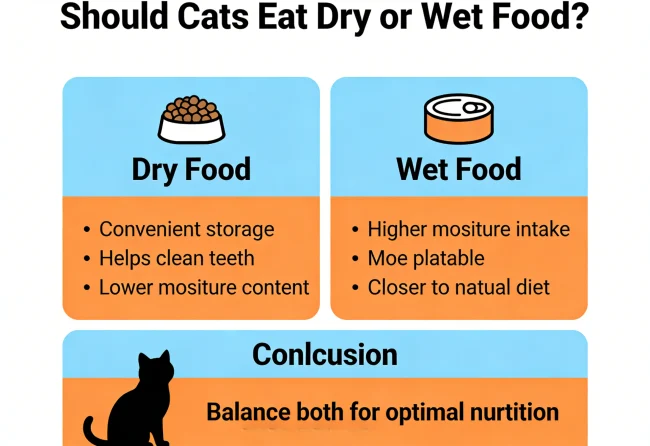
Each food type has trade-offs. For wet food, the primary drawbacks are cost per calorie, shorter shelf life once opened, and potential messiness. It can also contribute to faster tartar buildup if not supplemented with dental care. For dry food, the major concern is chronic low-level dehydration, especially in cats who don’t drink enough water, potentially straining the kidneys over time. Its high carbohydrate content in some formulas can be a issue for weight management and diabetic cats. Relying solely on dry food also misses the hydration benefits critical for long-term urinary health.
How to Choose: A Personalized Decision Framework
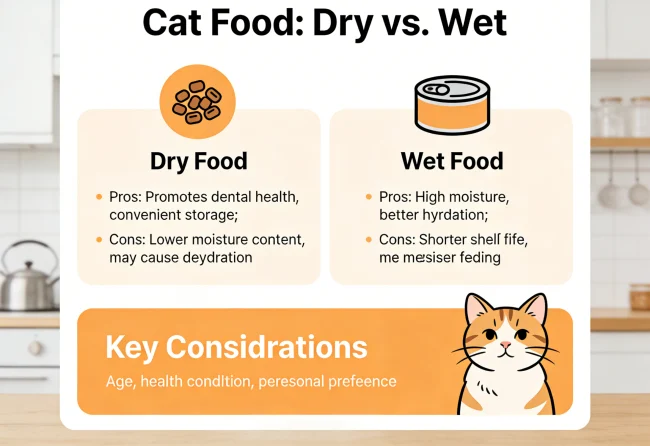
The decision shouldn’t be about which food is universally “better,” but which is better for your cat. Use this framework to evaluate.
Estadio de vida: Kittens benefit from the easy-to-eat, protein-rich nature of wet food, while highly active adults may utilize the caloric density of quality dry food. Seniors, particularly those with early kidney changes, often thrive on the increased moisture and easier digestion of wet food.
Health Status: For cats with a history of urinary crystals, kidney disease, diabetes, or constipation, the high moisture content of wet food is often medically recommended. For obese cats, carefully measured portions of a weight-management dry or wet food can be effective, but volume-for-volume, wet food can promote satiety with fewer calories.
Lifestyle & Budget: Multi-cat households or busy schedules might find the simplicity of dry food advantageous. However, budget should factor in long-term veterinary costs; investing in wet food for hydration may prevent expensive urinary or kidney issues later.
Preferencia de gato: Some cats are notoriously picky. Their willingness to eat is paramount, so finding a nutritious option they enjoy—whether wet, dry, or a mix—is essential.
The Best of Both Worlds: A Guide to Feeding a Mixed Diet
Feeding a combination of wet and dry food is an increasingly popular strategy endorsed by veterinarians to balance hydration, nutrition, and practicality. Here is a safe, step-by-step protocol:
- Transition Slowly: Over 7-10 days, mix increasing amounts of the new food type with the old to avoid gastrointestinal upset.
- Establish a Routine: Offer wet food at set meal times (e.g., morning and evening) to monitor intake. Provide a measured portion of dry food for free-feeding or in a puzzle toy for the day.
- Monitor Calories: Use the feeding guidelines on both packages to calculate total daily calorie needs and avoid overfeeding. A common starting ratio is 50/50 by calorie, not volume.
FactorWet FoodDry FoodMixed Diet (Example)Primary BenefitSuperior HydrationConvenience & CostBalanced Hydration & PracticalityContenido de humedad75-85%6-10%Varies (e.g., ~50% total intake)Dental Health ImpactMinimal to noneMinimal (unless VOHC approved)Requires separate dental careCost (Per Calorie)HigherLowerModerateMejor paraUrinary/Kidney health, picky eatersMulti-cat homes, busy schedulesMost cats, for balanced long-term health
Addressing Common Myths and Veterinarian Insights
Let’s clarify widespread misconceptions with evidence-based answers.
Myth: Dry food cleans teeth effectively. While some kibble is designed for dental health, most generic dry food shatters on contact and provides no cleaning benefit. The gold standard remains daily tooth brushing.
Myth: Wet food causes dental decay. It doesn’t cause decay but can allow plaque to build up faster. This is managed with proper dental hygiene, not by avoiding wet food.
Insight: Water fountains and broths. For cats on dry food, a cat water fountain can encourage drinking. Adding a bit of water, tuna juice, or a vet-approved hydration broth to wet or dry food can further boost fluid intake.
Insight: The protein quality matters most. Whether wet or dry, look for a food that lists a named animal protein (like chicken, salmon) as the first ingredient and is labeled “complete and balanced” by AAFCO for your cat’s life stage.
Final Recommendations and Summary
There is no single winner in the dry versus wet food debate. For optimal feline health, prioritize moisture. This makes wet food a superior choice from a physiological standpoint, particularly for cats prone to urinary and kidney issues. However, dry food offers practical benefits that cannot be ignored. Therefore, the most balanced approach for the average healthy cat is a mixed diet. This strategy leverages the hydration of wet food and the convenience of dry food. Always introduce new foods gradually, monitor your cat’s weight and water intake, and discuss any dietary changes with your veterinarian, especially for cats with existing health conditions. Your cat’s ideal diet is as unique as they are.
Preguntas frecuentes (FAQ)
P: ¿Puedo alimentar a mi gato solo con alimentos secos?
Sí, pero requiere diligencia. Los gatos con una dieta seca solo dependen enteramente del agua potable para satisfacer sus necesidades de hidratación. Muchos no beben lo suficiente, lo que puede predisponerlos a la deshidratación, la orina concentrada y un mayor riesgo de problemas del tracto urinario y enfermedad renal crónica con el tiempo. Proporcionar una fuente de agua para gatos y controlar la ingesta de agua es crucial.
P: ¿Es malo el alimento húmedo para los dientes de mi gato?
Los alimentos húmedos no son inherentemente malos para los dientes. Sin embargo, debido a que no proporciona abrasión, puede permitir que la placa se acumule más fácilmente si no se proporciona atención dental. Independientemente de la dieta, todos los gatos se benefician de chequeos dentales regulares y cuidados en el hogar, como cepillarse o tratamientos dentales para prevenir la enfermedad periodontal.
P: ¿Cuál es mejor para un gato con enfermedad renal?
Los veterinarios casi universalmente recomiendan alimentos húmedos para los gatos con enfermedad renal crónica (CKD). La enfermedad perjudica la capacidad de los riñones para concentrar la orina, lo que lleva a una mayor pérdida de agua. El alto contenido de humedad en la comida húmeda ayuda a combatir la deshidratación, apoya la función renal restante y hace que los gatos se sientan mejor. Las dietas renales con receta están disponibles en formas húmedas y secas, pero la versión húmeda suele ser preferida.
P: ¿Cuánto difiere realmente el costo?
El costo varía según marca y calidad. Por lo general, en una base por caloría, los alimentos secos son menos costosos. Sin embargo, una visión holística del “costo ” debería incluir posibles impactos a la salud a largo plazo. Invertir en alimentos húmedos por sus beneficios de hidratación puede ayudar a evitar costosos tratamientos veterinarios para obstrucciones urinarias o enfermedades renales más adelante en la vida de su gato.
P: Mi gato es obeso.¿Debo usar alimentos húmedos o secos?
Ambos pueden ser parte de un plan de pérdida de peso, pero los alimentos húmedos tienen ventajas. Es menos denso en calorías, lo que significa que su gato puede comer un volumen más grande y más satisfactorio por menos calorías. Su alto contenido de agua también promueve la saciedad. La clave es una porción medida con precisión de una fórmula de control de peso, prescrita por su veterinario, independientemente del tipo.
P: ¿Puedo mezclar alimentos húmedos y secos en el mismo recipiente?
Por lo general, no se recomienda mezclarlos en el mismo tazón para una sola comida. La comida seca puede llegar a ser húmeda y poco atractiva, y si el gato no la termina, el residuo de comida húmeda puede hacer que la garrafa se deteriore rápidamente. Es mejor ofrecerlos como comidas separadas o en tazones separados si se alimentan simultáneamente.
P: ¿Cómo puedo cambiar a mi gato a un nuevo tipo de alimento?
Transición lentamente durante 7 - 10 días para evitar malestar estomacal. Comience mezclando 25% de la nueva comida con 75% de la comida vieja durante unos días, luego vaya a una mezcla 50 / 50, luego 75% nuevo / 25% viejo, antes de cambiar por completo. Si su gato es muy resistente, pruebe diferentes texturas o sabores, o consulte a su veterinario para obtener consejos.
¿Los alimentos secos tienen más carbohidratos que los alimentos húmedos?
En general, sí. El proceso de extrusión utilizado para hacer kibble a menudo requiere carbohidratos como agente de unión. Mientras que los alimentos secos de alta calidad minimizan los carbohidratos, los alimentos húmedos, especialmente los pasteles, suelen tener un contenido de carbohidratos más bajo, lo que se alinea mejor con la dieta carnívora natural de un gato.
P: ¿Qué pasa con las dietas crudas o caseras?
Las dietas crudas y caseras son una categoría separada de la comida húmeda / seca comercial. Requieren una formulación meticulosa por parte de un nutricionista veterinario para que sean completos y equilibrados. Las dietas mal preparadas pueden conducir a deficiencias nutricionales severas, contaminación bacteriana y riesgos para la salud. Los alimentos comerciales están formulados para satisfacer todos los requerimientos nutricionales conocidos.
P: ¿Los alimentos sin granos son mejores?
Sin granos no necesariamente significa bajo en carbohidratos o más saludable. Muchos alimentos sin granos simplemente reemplazan los granos con otras fuentes de carbohidratos como las papas o los guisantes. El enfoque debe estar en la proteína animal de alta calidad y los niveles de grasa adecuados, no sólo la ausencia de granos, a menos que su gato tenga una alergia a los granos diagnosticada (lo que es raro).

Produ ctos relacionados
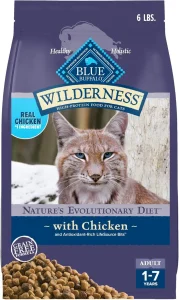
Blue Buffalo Wilderness Alimentos para gatos de alta proteína
Blue Buffalo Wilderness Nature 's Evolutionary Diet High-Protein, Free-Grain Natural Dry Food para Gatos Adultos es un...
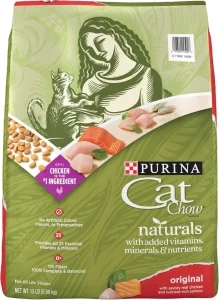
Purina Cat Chow Naturals Comida seca para gatos 13 lb
Purina Cat Chow Naturals con vitaminas, minerales y nutrientes añadidos Alimentos secos para gatos, Naturals Original,...
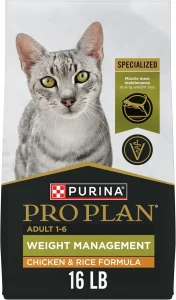
Purina Pro Plan para Gestión de Peso Alimentos para Gatos
Purina Pro Plan Weight Management Pollo y Arroz Fórmula para Adultos Comida seca para gatos es un...
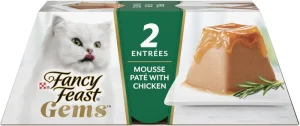
Fancy Feast Gems Chicken Pate Cat Food 8 Pack (en inglés)
Fancy Feast Gems Pate Mousse de alimento para gatos con pollo y un halo de salsa salada...
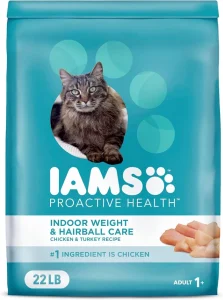
IAMS Peso interior y comida para gatos Hairball
IAMS Proactive Health Indoor Weight Control & Hairball Care Adult Dry Cat Food es especialmente diseñado para...
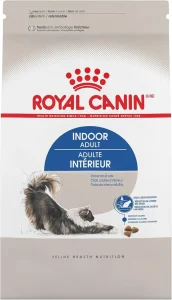
Royal Canin Indoor Adult Seco Comida para gatos - 7 lb
Royal Canin Feline Health Nutrition Indoor Adult Dry Cat Food es una fórmula premium diseñada para...
Art ículos relacionados
 Alim entos para gat os y gol os inas FAQ
Purina de comida para gatos: La guía definitiva para ONE, Pro Plan y Chow para gatos comparados
 Alim entos para gat os y gol os inas FAQ
El mejor alimento para gatos para problemas dentales: guía de expertos 2025
 Alim entos para gat os y gol os inas FAQ
Mejor comida para gatos para baja energía: consejos y guía de expertos
 Alim entos para gat os y gol os inas FAQ
El mejor alimento para gatos para problemas oculares: guía y consejos expertos
 Alim entos para gat os y gol os inas FAQ
El mejor alimento para gatos para hipertiroidismo: consejos y guía de expertos
 Alim entos para gat os y gol os inas FAQ