10 faits peu connus sur votre langue de chat
Every cat owner is familiar with the unique, sandpaper-like feel of their feline friend’s tongue. It’s a tool used for everything from grooming to drinking to showing affection. But beyond the familiar rasp, your cat’s tongue is a marvel of biological engineering, packed with secrets that science is only just beginning to fully understand. At PawLitter, we’re fascinated by the details that make our cats so extraordinary. In this deep dive, we’ll explore ten incredible facts about your cat’s tongue, backed by the latest research, and show you how this knowledge can help you provide even better care for your pet.
1. Those Spines Are Called “Papillae” and They’re Made of Keratin
The rough texture of your cat’s tongue isn’t random grit; it’s caused by hundreds of tiny, backward-facing spines called filiform papillae. These spines are made of keratin, the same tough protein that makes up your fingernails and a cat’s claws. Under a microscope, they look like tiny, hollow claws. This unique structure is the key to almost every function of the tongue, from grooming to thermoregulation. Unlike human tongues, which have various papillae for taste, the cat’s filiform papillae are primarily mechanical tools, revolutionizing how we understand this common organ.
2. It’s a Highly Efficient, Self-Cleaning Comb
Your cat’s tongue is nature’s perfect grooming tool. The backward-facing papillae act like the teeth of a comb, detangling fur and reaching deep into the undercoat to remove loose hair, dirt, and parasites. The hollow structure of each spine also wicks saliva—up to the tip—and deposits it deep onto the skin and the base of the fur. This saliva acts as a natural cleaner and coolant. However, this efficient system is a double-edged sword. All that swallowed hair can form hairballs. For long-haired cats or heavy shedders, regular brushing with a tool designed to remove loose undercoat is essential to support their natural grooming and prevent problematic hairballs.
Our Top Pick for Reducing Shedding & Hairballs: FURminator deShedding Tool
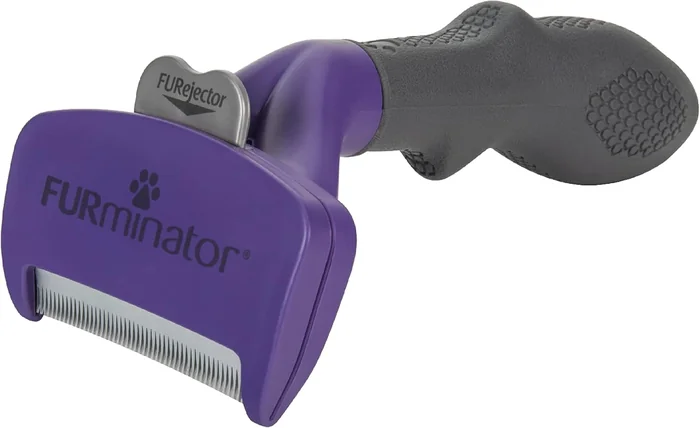
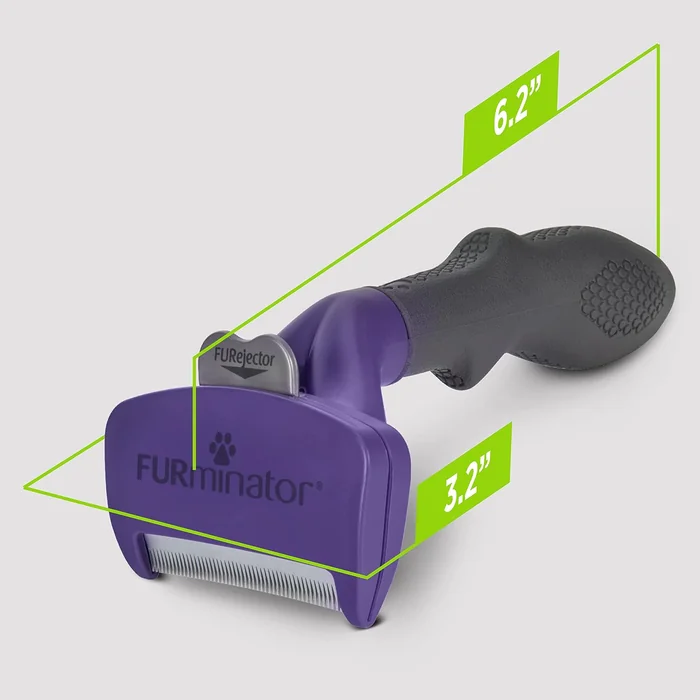
FURminator ® Outil de déshedding pour les chats moyens / grands, cheveux longs, élimine les cheveux lâches de l'effusion
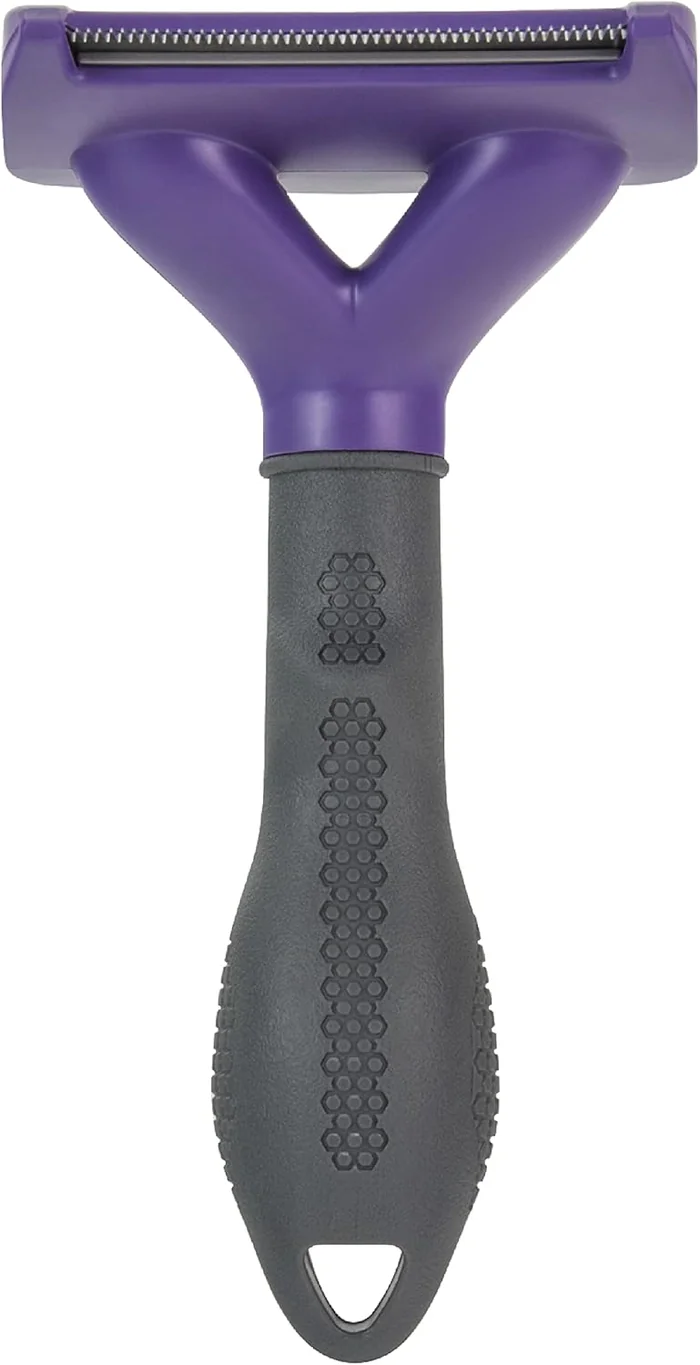
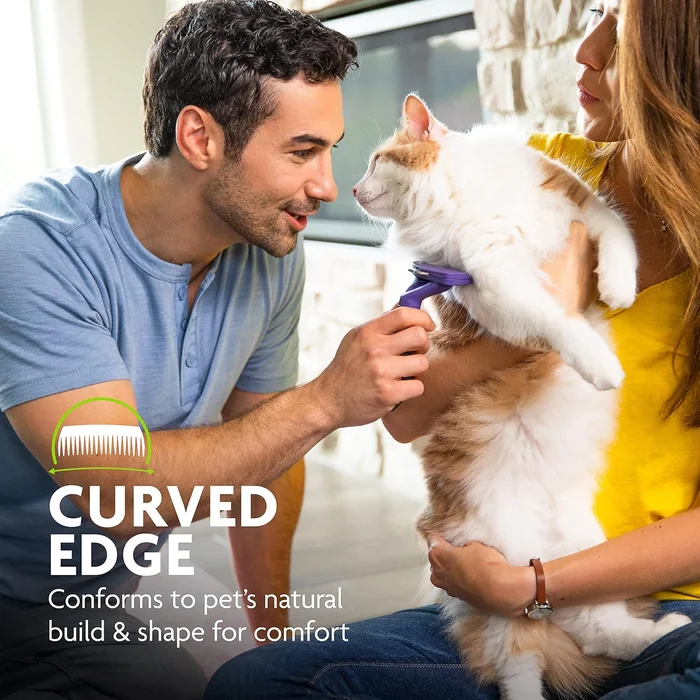
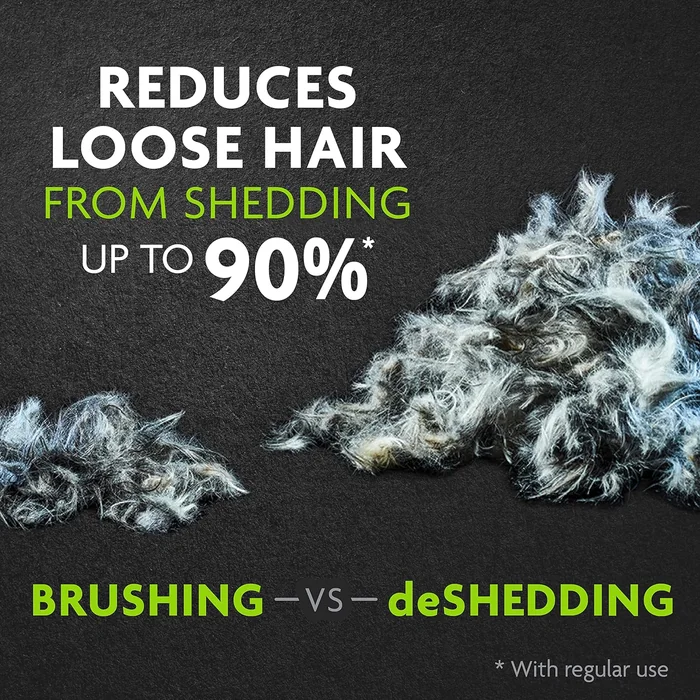

Caractéristiques principales :
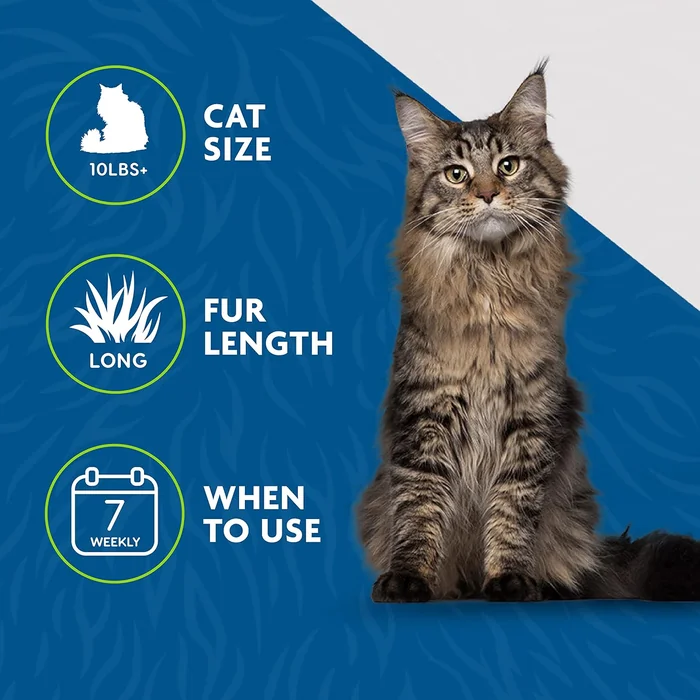
- FOR LONG-HAIR CATS: Choose large size for cats over 10 pounds.
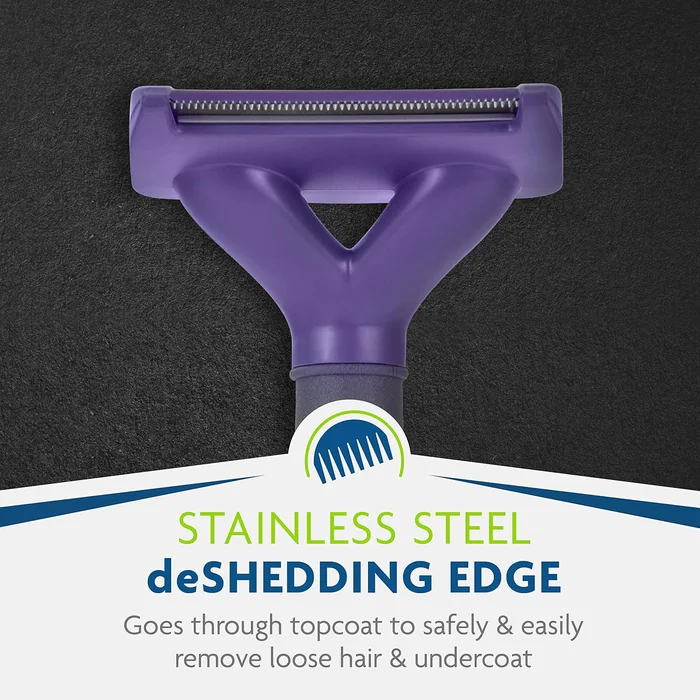
- REMOVES LOOSE HAIR: Stainless steel deShedding edge reaches through topcoat to safely and easily remove loose hair and undercoat without damaging topcoat or cutting skin
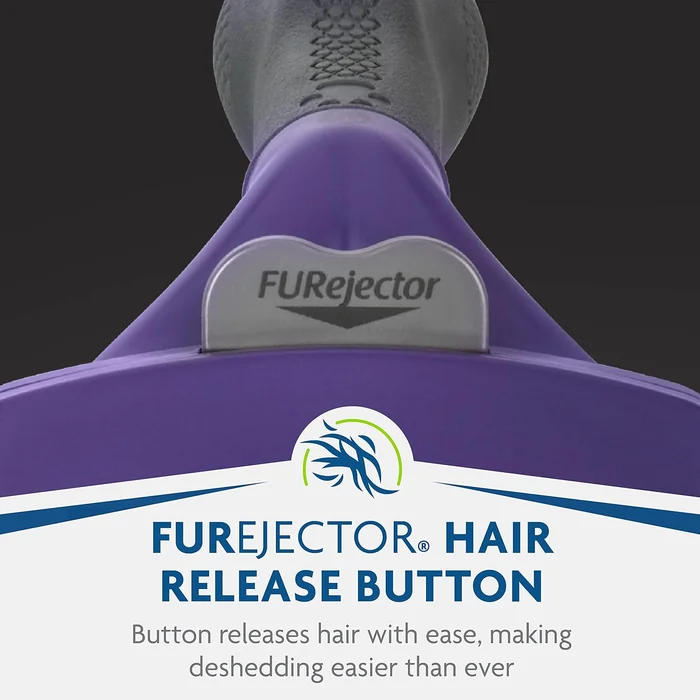
- FUREJECTOR BUTTON: Releases hair with ease, making deShedding easier than ever
To complement your cat’s natural grooming and significantly reduce the amount of loose hair they ingest, we recommend the FURminator deShedding Tool for Medium/Large Cats with Long Hair. Its stainless steel edge is designed to safely reach through the topcoat to remove the loose undercoat that a cat’s tongue would otherwise pull out and swallow. The patented FURjector button makes cleanup quick and easy. With over 2,800 reviews, it’s a trusted solution for managing shedding and supporting your cat’s digestive health by minimizing the primary source of hairballs.
3. Cats Drink Using Physics, Not Scooping
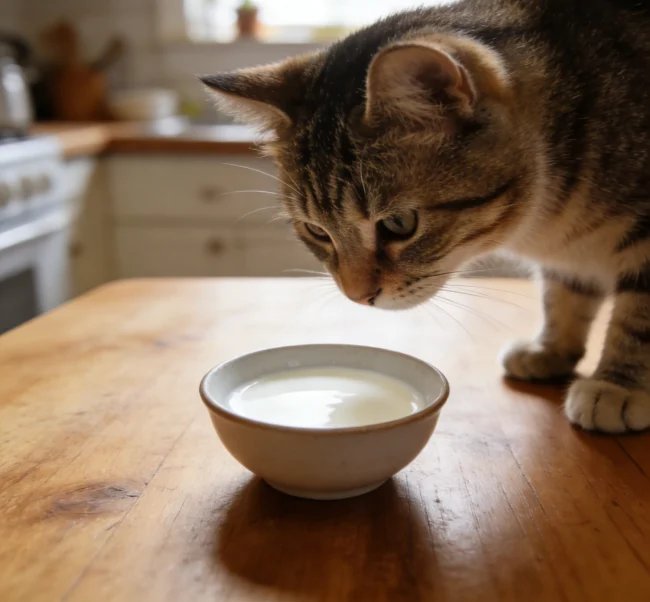
For decades, it was assumed cats curled their tongue to scoop water like a ladle. High-speed video research from MIT and Virginia Tech revealed the truth is far more elegant. A cat only touches the tip of its tongue to the water’s surface. Using precise timing and inertia, it quickly draws the tongue upward, creating a column of liquid. The cat then closes its jaw at the perfect moment to capture the water before gravity breaks the column. This method allows them to lap water at a rate of four times per second, perfectly balancing the forces of inertia and gravity. This efficient, physics-based drinking style is why many cats prefer moving water, which is easier for them to lap.
4. The Tongue is a Built-In Temperature Regulator
Recent studies using thermal imaging have uncovered a vital cooling function. When cats groom, the saliva deposited by their papillae evaporates from their skin and fur. This evaporation acts as a highly effective cooling system, much like sweating does for humans. On hot days, you may notice your cat grooming more frequently. This isn’t just about cleanliness; it’s a primary method of thermoregulation. This is especially important because cats have relatively few sweat glands (located mainly on their paw pads). Ensuring they have constant access to fresh, cool water supports this internal cooling mechanism.
Encourage Hydration with a Flowing Water Source
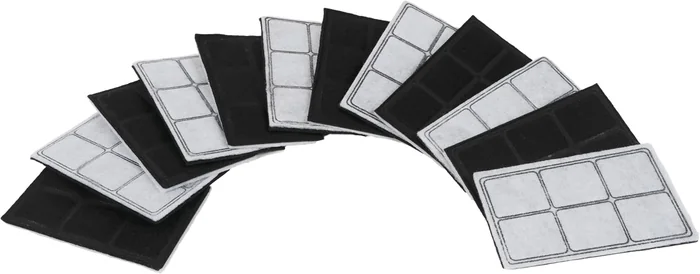
PetSafe Drinkwell Fountain Premium Activated Carbon Filters – Better Hydration Choice – Long-Lasting Purity – Odor-Free Drinking – Water Purification Filter – 12 Pack
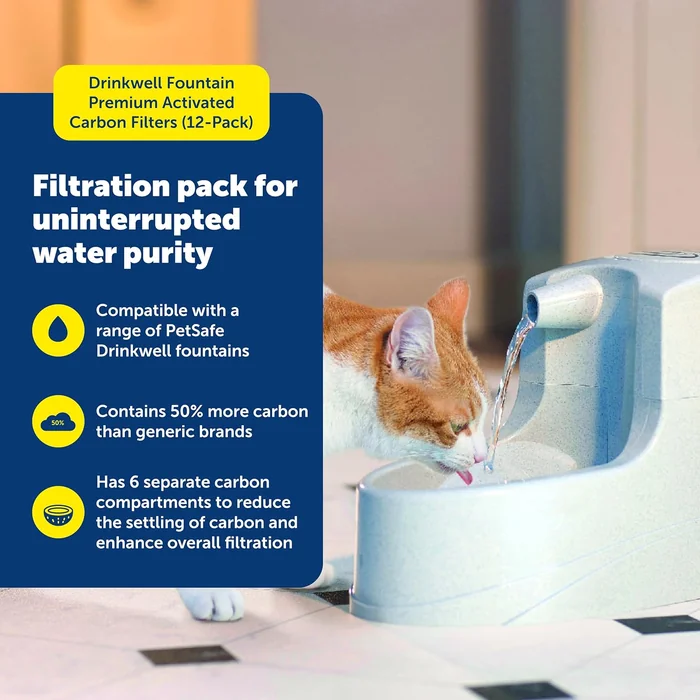




Caractéristiques principales :
- Improved Hydration for Pets: The PetSafe Drinkwell Replacement Carbon Filters support a better hydration choice by delivering cleaner water access every day
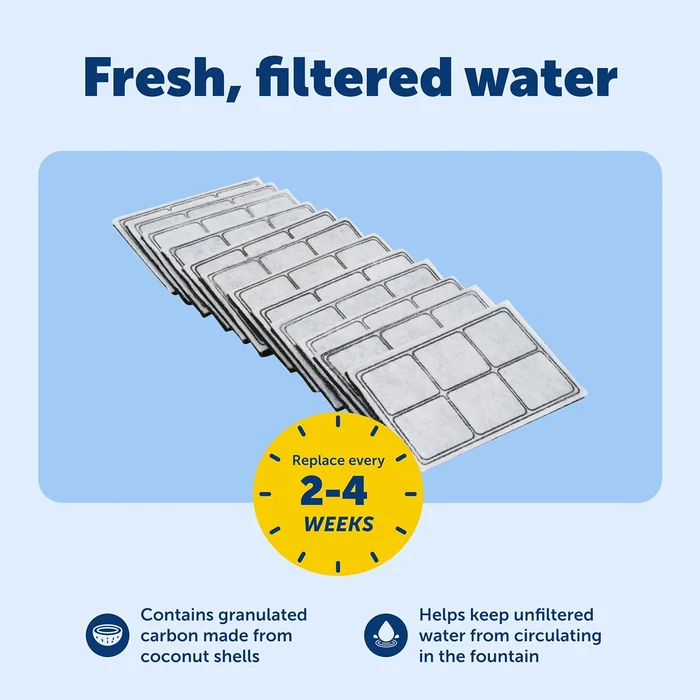
- Superior Purification Power: Each activated carbon filter uses six compartments and dual-density pads to trap debris, improve taste, and reduce odors for long-lasting purity
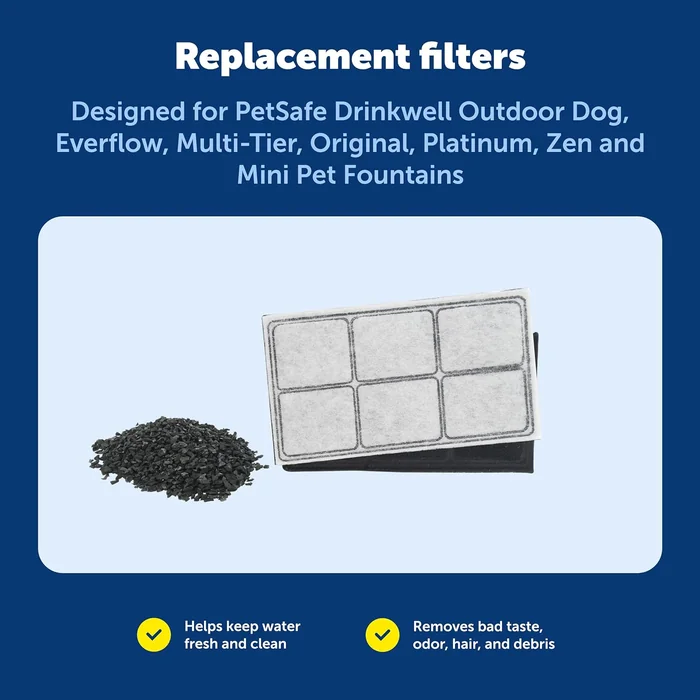
- Compatible & Convenient: Designed for a universal filter replacement fit with Drinkwell Outdoor Dog, Everflow, Original, Platinum, Mini, Zen, and Multi-Tier fountains
To support your cat’s unique drinking style and encourage better hydration (which aids in temperature regulation and overall kidney health), a pet fountain is an excellent investment. The PetSafe Drinkwell Premium Activated Carbon Filters (12-Pack) are essential for maintaining any compatible fountain. These filters use activated carbon and dual-density pads to trap debris, reduce odors, and keep water tasting fresh, ensuring your cat is drawn to drink more. With a staggering 27,000+ reviews, pet owners trust these filters to provide long-lasting water purity, making a fountain a more appealing and healthier hydration choice than a stagnant bowl.
5. They Can’t Taste Sweetness
Due to a genetic mutation affecting their taste receptors, cats are obligate carnivores with no ability to taste sweet flavors. Their taste buds are fine-tuned for meat: they are highly sensitive to amino acids found in proteins and to nucleotides, which are abundant in meat. They also have a taste for adenosine triphosphate (ATP), the fundamental energy-carrying molecule in every living cell. This biological fact underscores why a high-protein, species-appropriate diet is crucial for their health. Their tongue’s design supports their carnivorous nature, prioritizing texture and umami (savory) flavors over sweetness.
6. The “Blep” Has a Scientific Explanation
The adorable phenomenon of the “blep”—when a cat’s tongue sticks out slightly—isn’t just for cuteness. It’s often related to the Flehmen response. Cats have a secondary scent organ called the vomeronasal (or Jacobson’s) organ in the roof of their mouth. When they encounter a strong or interesting scent (like pheromones), they may open their mouth and curl their lip to draw air over this organ. Sometimes, the tongue is left out during this process. A persistent blep, however, could indicate dental issues, neurological problems, or simply that they lost focus during grooming. Occasional bleps are normal; constant ones warrant a vet check.
7. Grooming is a Social and Emotional Behavior
While grooming keeps them clean, it also serves profound social and psychological purposes. Mutual grooming (allogrooming) between cats strengthens social bonds and establishes group scent, promoting colony harmony. When your cat grooms you, it’s a sign of deep affection and acceptance—they are mingling your scent with theirs, marking you as family. Grooming is also a primary coping mechanism for stress, boredom, or anxiety. Repetitive licking releases endorphins, providing comfort. Excessive grooming, however, can signal underlying health or behavioral issues that should be addressed.
8. It’s Not Great for Applying Topical Medications
The incredible efficiency of a cat’s tongue at moving saliva makes it notoriously difficult to apply topical medications like flea treatments. A cat can easily ingest a significant amount of a product applied to its fur during grooming. This is why it’s critical to apply “spot-on” treatments to an area they cannot reach, like the back of the neck between the shoulder blades, and to follow label instructions precisely. Always consult your veterinarian about the safest application methods for any topical product. Comment couper les ongles de chat ? Un guide sans stress pour vous et votre chat
9. Hairballs Are a Direct Byproduct of Tongue Design
Hairballs (trichobezoars) are an inevitable consequence of the papillae’s hook-like design. While some hair passes through the digestive system, it can accumulate in the stomach, forming a mass that must be vomited up. This is normal occasionally, but frequent hairballs can indicate over-grooming due to skin allergies, parasites, stress, or gastrointestinal issues. Regular brushing is the first line of defense. For cats prone to hairballs, specific digestive aids can help the hair pass through the system more smoothly.
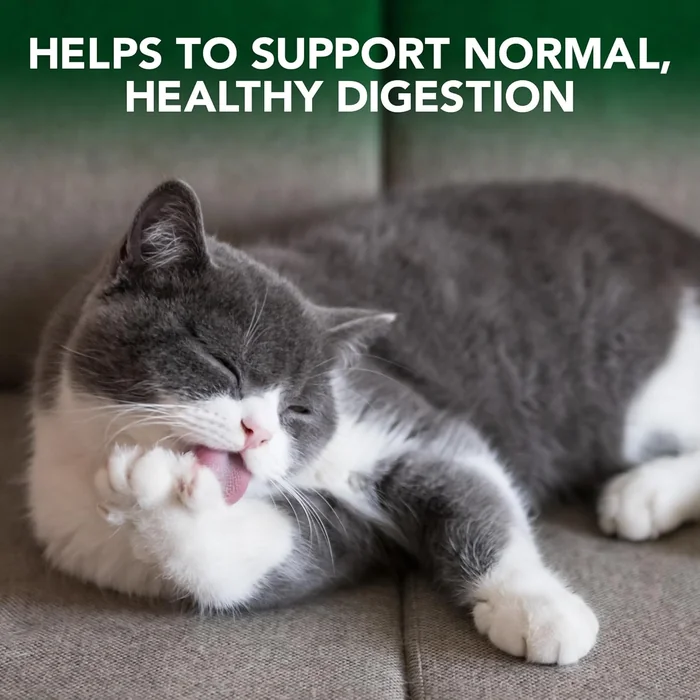
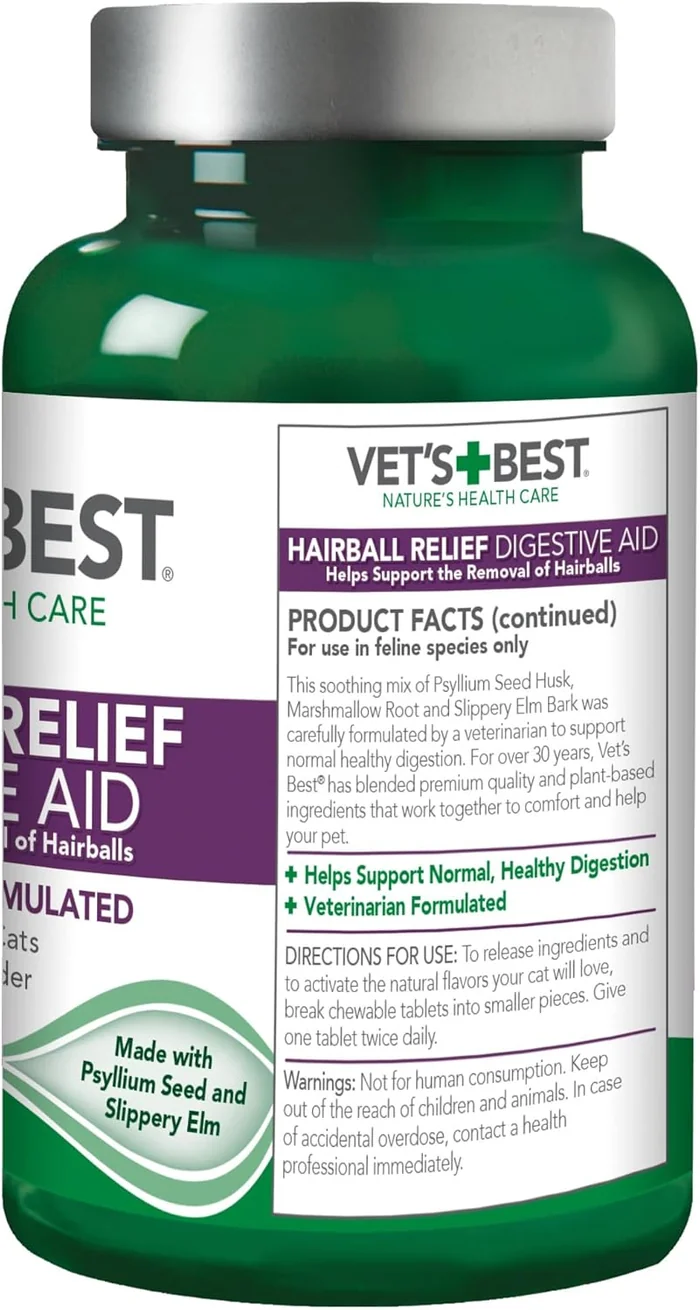
Support for Occasional Hairball Issues
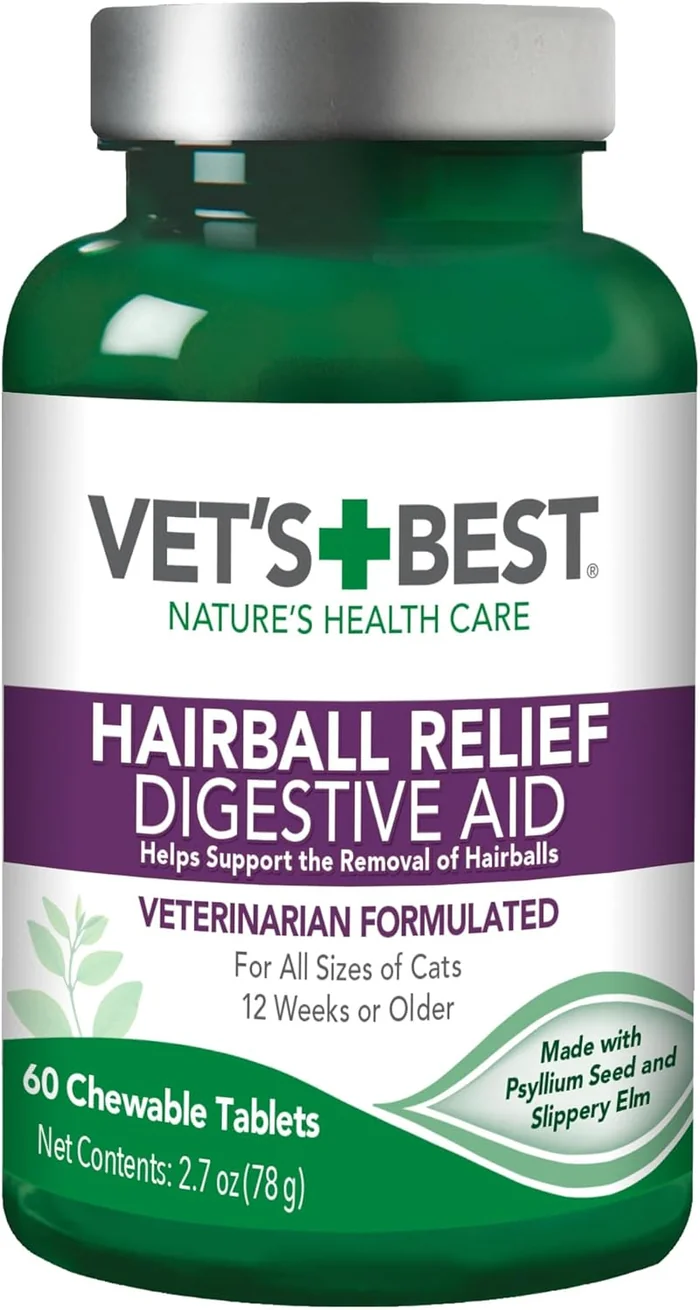
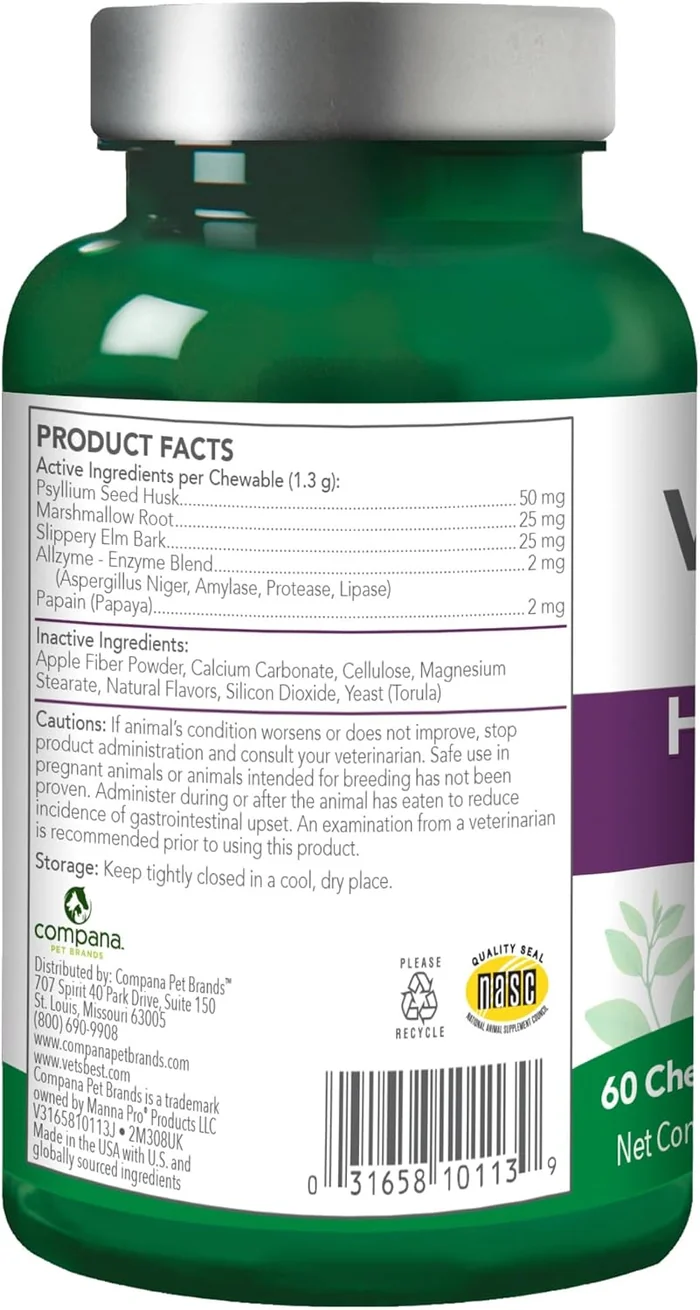
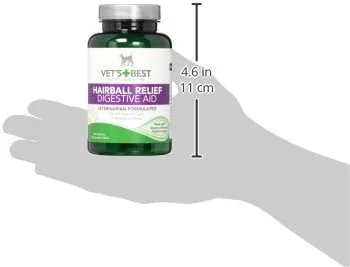
Vet’s Best Cat Hairball Relief Digestive Aid, Vet Formulated Hairball Support Remedy, Hairball Relief for Cats, Classic Chicken Flavor, 60 Chewable Tablets


Caractéristiques principales :
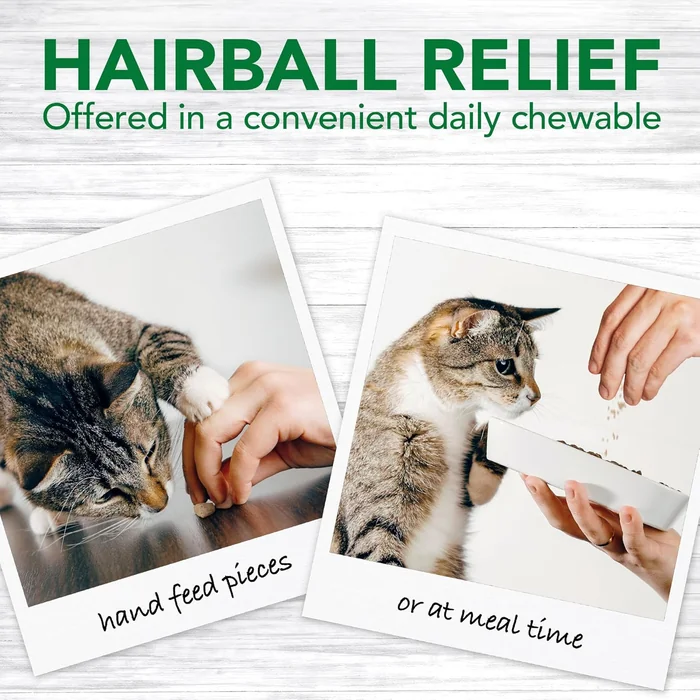
For cats that need a little extra help with hairball management, a vet-formulated supplement can be beneficial. Vet’s Best Cat Hairball Relief Digestive Aid Chewable Tablets are made with natural fibers like psyllium and apple pomace to help move ingested hair through the digestive tract. With over 5,300 reviews, this chicken-flavored remedy is a popular choice among cat owners for providing gentle, non-laxative support for healthy digestion and occasional hairball relief. Always combine such products with a consistent grooming routine for best results.
10. La texture de la langue change avec la santé et l'âge
La langue de votre chat peut être un indicateur subtil de sa santé globale. Une langue saine devrait être rose, humide et rugueuse. Les changements à surveiller comprennent :
- Lissesse excessive ou taches calves : Peut indiquer une gloscite (inflammation), des carences nutritionnelles ou une maladie auto-immune.
- Ulcères ou ulcères : Peut être un signe de maladie dentaire, d'insuffisance rénale ou d'infections virales comme le calicivirus.
- Bave excessive ou patter à la bouche : Souvent signale une douleur dentaire, un objet étranger ou un traumatisme buccal.
- Changement de couleur (très pâle, bleu ou jaune) : Peut indiquer une anémie, un manque d'oxygène ou des problèmes de foie.
Vérifier régulièrement la bouche de votre chat pendant les séances de toilettage ou de câlins vous aide à établir une ligne de base et à repérer les problèmes potentiels tôt. Toute modification persistante justifie une visite vétérinaire. La boîte à litière de chat sent mauvais ? Votre guide ultime pour une maison plus fraîche
Prendre soin de la langue incroyable de votre chat
Comprendre la complexité de la langue de votre chat vous permet d'être un soignant plus proactif et informé. Vous pouvez maintenant apprécier leur toilettage non seulement comme propreté, mais aussi comme un acte complexe de contrôle de la température, de liaison sociale et de soulagement du stress. Soutenez cet étonnant organisme en :
- Fournir un brushing régulier pour réduire l'écroulement et la formation de cheveux.
- Assurer un accès constant à l'eau fraîche et propre, de préférence d'une fontaine, pour aider à leur style de consommation unique et de refroidissement.
- Surveiller sa santé buccale planifier des check-ups dentaires vétérinaires réguliers.
- Utiliser des remèdes hairballs ou des régimes spécialisés si recommandé par votre vétérinaire pour des problèmes chroniques.
En travaillant avec la biologie naturelle de votre chat, vous pouvez l'aider à vivre une vie plus confortable, saine et heureuse. Leur langue remarquable est la clé de leur monde, et maintenant vous êtes équipé pour comprendre ses secrets. Pour en savoir plus sur le comportement et la physiologie des chats, consultez nos autres guides sur les soins des chats. Comment Litter Former un chat ? Un guide sans stress pour chatons et chats adultes
Voir les commentaires (0)