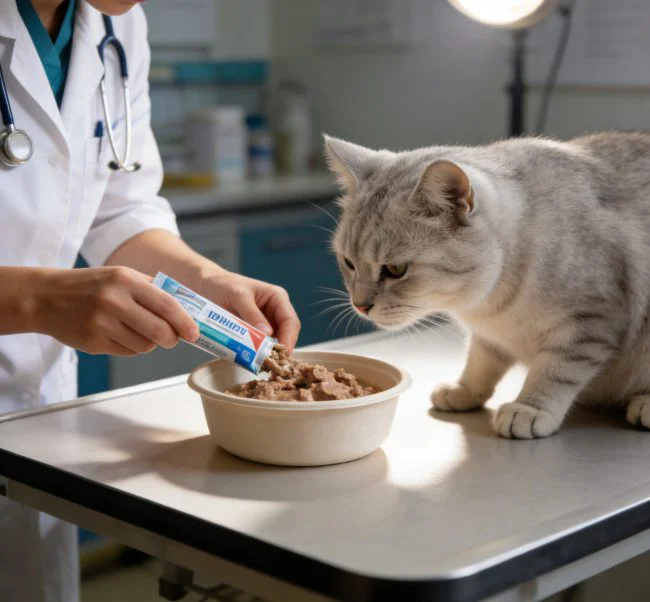
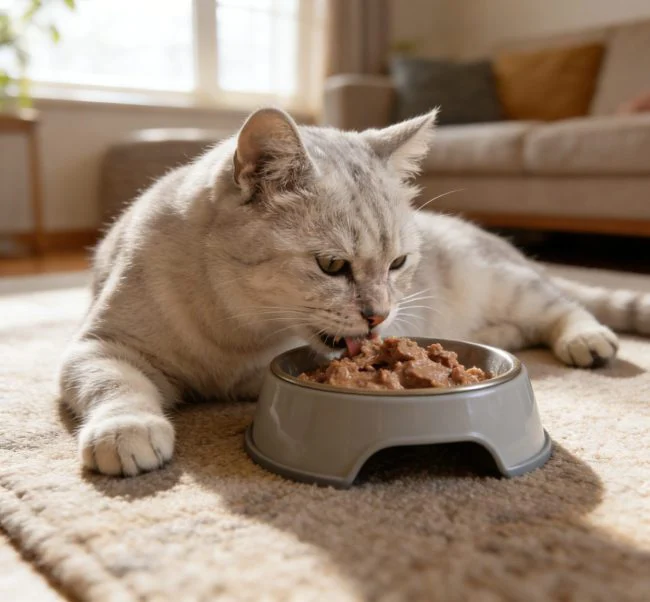
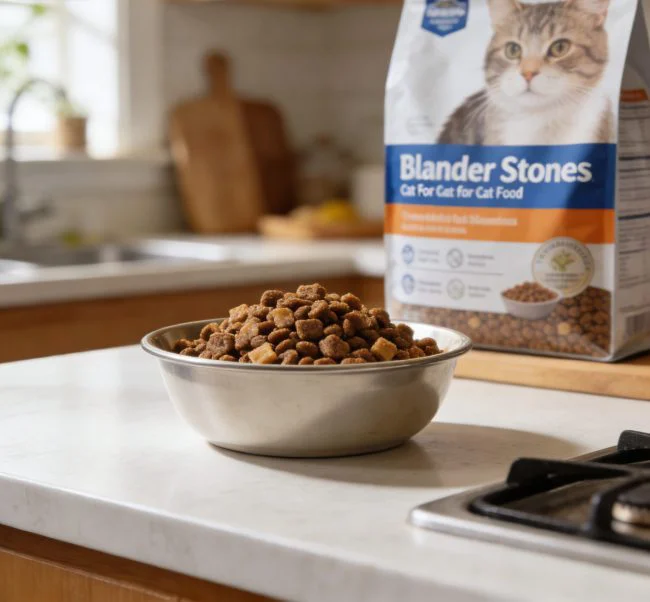
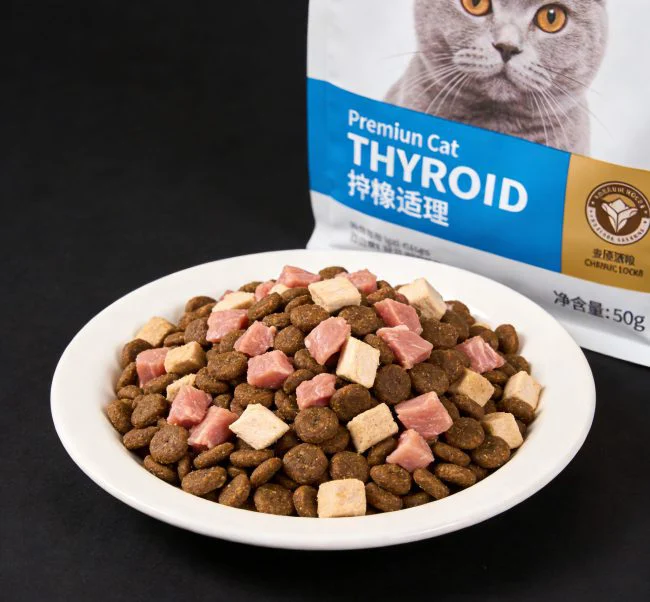
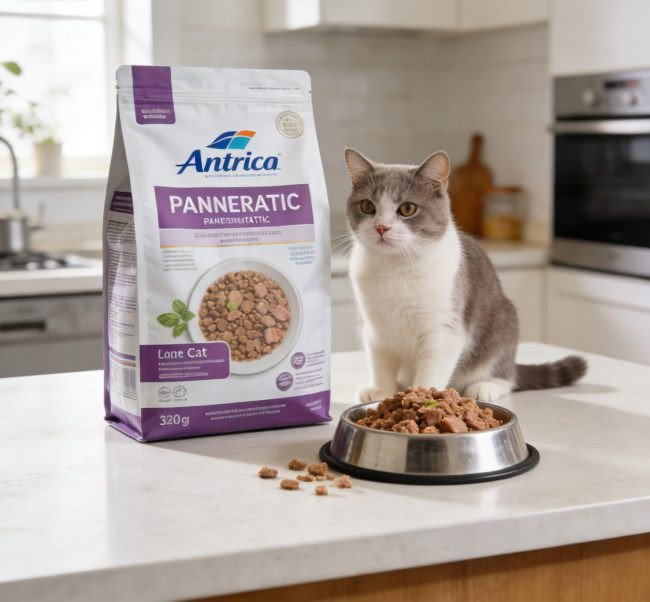
La santé dentaire est un aspect essentiel du bien - être général d'un chat, mais elle est souvent négligée jusqu'à ce que des problèmes surviennent. Une mauvaise hygiène dentaire peut entraîner des douleurs, des infections, et même des maladies systémiques. Choisir la bonne nourriture pour chat pour les mauvaises dents est l'un des moyens les plus efficaces de gérer et de prévenir les problèmes dentaires. Cet article explore comment les régimes spécifiques peuvent améliorer la santé buccale de votre chat, réduire la plaque et soulager l'inconfort. En comprenant la science derrière les aliments dentaires et en mettant en œuvre des stratégies d'alimentation pratiques, vous pouvez vous assurer que votre compagnon chat jouit d'une vie plus saine et plus heureuse.
Comprendre les problèmes dentaires chez le chat
Les problèmes dentaires chez les chats sont plus courants que de nombreux propriétaires ne le réalisent. Des études montrent que plus de 70% de chats de plus de trois ans souffrent d'une forme de maladie dentaire. Les problèmes les plus courants comprennent l'accumulation de plaque, le tartre, la gingivite et la parodontite. Ces conditions peuvent causer la mauvaise haleine, des difficultés à manger et même la perte de dents.
1. Plaque : Un film collant de bactéries qui se forme sur les dents.
2. Tartre : Plaque durcie qui nécessite un enlèvement professionnel.
3. Gingivite : Inflammation des gencives provoquée par la plaque.
Si elle n'est pas traitée, la maladie dentaire peut entraîner des problèmes de santé plus graves, tels que les maladies rénales ou cardiaques. Cela souligne l'importance des soins dentaires proactifs, y compris l'utilisation d'aliments pour chats spécialisés pour les mauvaises dents.
Comment le régime alimentaire affecte la santé dentaire
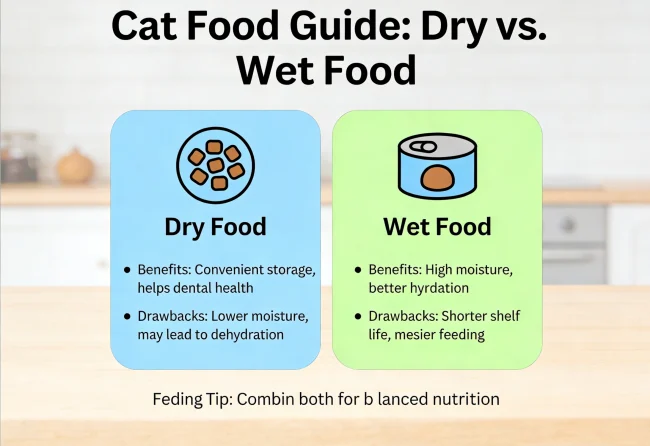
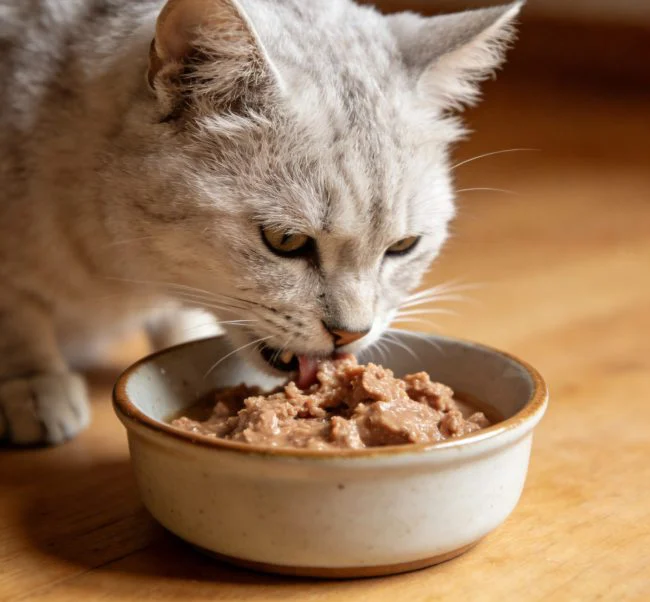
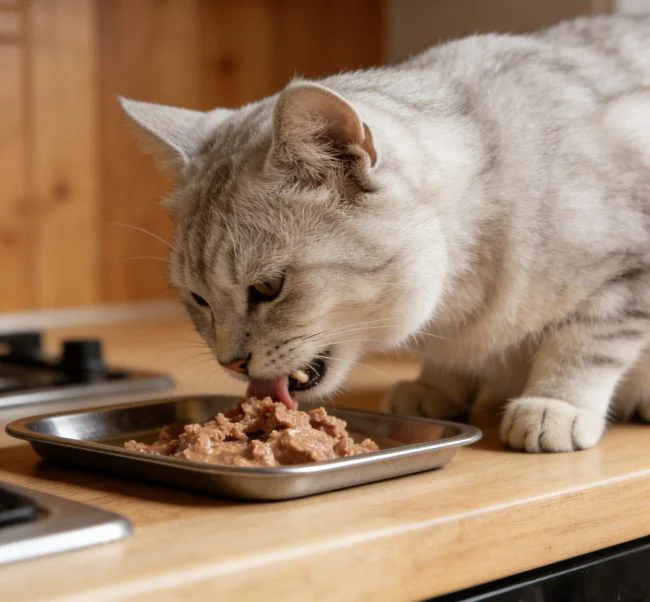
L'alimentation joue un rôle essentiel dans le maintien ou l'amélioration de la santé dentaire d'un chat. Le kibble sec, par exemple, peut aider à gratter la plaque lorsque le chat mâche, tandis que la nourriture humide peut contribuer à une accumulation plus rapide de plaque. Cependant, tous les aliments secs ne sont pas créés égaux. Certains sont spécialement formulés pour cibler les problèmes dentaires.
· Texture : croquant avec des surfaces abrasives.
Ingrédients : additifs anti-plaque comme les enzymes ou les minéraux.
· Taille : Les gros morceaux de kibble encouragent la mâcherie.
Nourrir votre chat le bon type de nourriture peut réduire considérablement le besoin de nettoyages dentaires fréquents. Pour les chats présentant des problèmes dentaires existants, des régimes sur ordonnance peuvent être nécessaires pour gérer la douleur et prévenir une détérioration ultérieure.
Ingrédients clés à chercher
Lors de la sélection de la nourriture pour chat pour les mauvaises dents, certains ingrédients peuvent faire une différence significative. Recherchez des aliments qui contiennent :
1. Sodium Hexametaphosphate : Un minéral qui se lie au calcium pour réduire le tartre.
2. Zinc Ascorbate : Un agent antimicrobien qui combatt la plaque.
Ces ingrédients travaillent en synergie pour promouvoir la santé bucco-dentaire. En outre, évitez les aliments riches en sucres ou en amidons, car ceux-ci peuvent exacerber la formation de plaques. Consultez toujours votre vétérinaire pour vous assurer que le régime alimentaire choisi répond aux besoins spécifiques de votre chat.
Types d'aliments dentaires pour chats
Il existe plusieurs types d'aliments pour chats conçus pour soutenir la santé dentaire, chacun avec des avantages uniques :
· Régimes sur ordonnance : formulés pour les chats ayant des problèmes dentaires graves.
· Régimes dentaires en vente libre : Largement disponibles et adaptés aux problèmes légers.
· Traitement dentaire : complément aux repas réguliers pour un nettoyage supplémentaire.
Les régimes d'ordonnance, tels que Hill 's t / d ou Royal Canin Dental, sont cliniquement prouvés pour réduire la plaque et le tartre. Ces aliments ont souvent une texture et une forme uniques qui maximisent l'action de nettoyage. Les options en vente libre peuvent être moins puissantes, mais offrent toujours des avantages pour les chats ayant des problèmes dentaires mineurs.
Stratégies d'alimentation pour les chats avec de mauvaises dents
Même la meilleure nourriture pour chat pour les mauvaises dents ne sera pas efficace si elle n'est pas nourrie correctement. Mettre en œuvre ces stratégies pour maximiser les bénéfices :
1. Nourrissez des repas plus petits et plus fréquents pour encourager la mâcherie.
2.Évitez l'alimentation gratuite pour éviter la suralimentation et l'accumulation de plaques.
3. Combinez des aliments secs et humides pour une nutrition équilibrée et des soins dentaires.
Pour les chats souffrant de douleurs dentaires sévères, tremper les croquettes dans de l'eau chaude peut faciliter la consommation. Cependant, cela réduit les avantages abrasifs, il est donc préférable de l'utiliser temporairement. Surveillez toujours les habitudes alimentaires de votre chat et ajustez les méthodes d'alimentation au besoin.
Complémentation avec des traitements dentaires
Les friandises dentaires peuvent être un ajout précieux à la routine de soins bucco-dentaires de votre chat. Recherchez les friandises avec le sceau d'approbation du Conseil de santé buccodentaire vétérinaire (VOHC), ce qui indique qu ' elles répondent aux normes rigoureuses pour le contrôle de la plaque et du tartre.
· Greenies Feline Dental Treats : Populaire et approuvé par VOHC.
· Purina DentaLife : Conçu avec une texture poreuse pour le nettoyage.
· Dentabits Whisekelwe : Abordable et efficace pour les problèmes légers.
Ces friandises ne doivent pas remplacer les repas réguliers, mais peuvent être utilisées comme une récompense ou un supplément. Limitez les friandises à 10% de l'apport calorique quotidien de votre chat pour éviter de prendre du poids.
Quand voir un vétérinaire
Bien que l'alimentation joue un rôle crucial, des soins professionnels sont parfois nécessaires. Planifier une visite vétérinaire si vous remarquez :
1. mauvaise haleine persistante.
2. Bave ou difficulté à manger.
3. Les gencives rouges ou saignantes.
Votre vétérinaire peut vous recommander un nettoyage dentaire sous anesthésie ou vous prescrire un régime alimentaire spécifique. Une intervention précoce peut prévenir les complications plus graves et améliorer la qualité de vie de votre chat.
Conclusions
Choisir la bonne nourriture pour chat pour les mauvaises dents est une étape proactive vers une meilleure santé bucco-dentaire. En comprenant les types d'aliments dentaires, les ingrédients clés et les stratégies d'alimentation, vous pouvez réduire considérablement la plaque et le tartre. Les examens vétérinaires réguliers et les traitements dentaires supplémentaires améliorent encore les soins. Rappelez-vous, une bouche saine conduit à un chat plus sain et plus heureux. Commencez à mettre en œuvre ces changements dès aujourd 'hui pour protéger l'avenir dentaire de votre chat.