Aliments pour chats pour la pancréatite : un guide vétérinaire approuvé pour la gestion nutritionnelle et la sélection du régime alimentaire.
When a cat is diagnosed with pancreatitis, the right nutrition becomes a critical component of their care and recovery. As someone who has managed this condition in my own cats and advised countless other pet owners, I understand the overwhelming search for clear, practical guidance. This article will provide a comprehensive, experience-based guide to selecting and using cat food for pancreatitis, covering the underlying principles, detailed product analysis, and actionable steps to support your cat’s health, grounded in both veterinary science and real-world application.
1.Pancreatitis is the inflammation of the pancreas, an organ vital for producing digestive enzymes and regulating blood sugar.
In cats, it’s often chronic and subtle, making dietary management a long-term commitment rather than a quick fix. The core nutritional goal is to provide maximum nourishment with minimal strain on the inflamed pancreas.
From a physiological standpoint, a pancreas struggling with inflammation has difficulty producing and secreting enzymes properly. Feeding a diet that is very high in fat can overstimulate the organ, potentially triggering a flare-up. Conversely, the cat needs highly digestible, high-quality protein to maintain muscle mass and support healing, as they are often nauseous and anorexic. It’s a delicate balance: reducing pancreatic workload while preventing malnutrition. In my experience, the shift in focus isn’t just about a single ingredient, but about the overall digestibility and nutrient profile of the food.
2. Key Nutritional Criteria for Pancreatitis-Support Diets
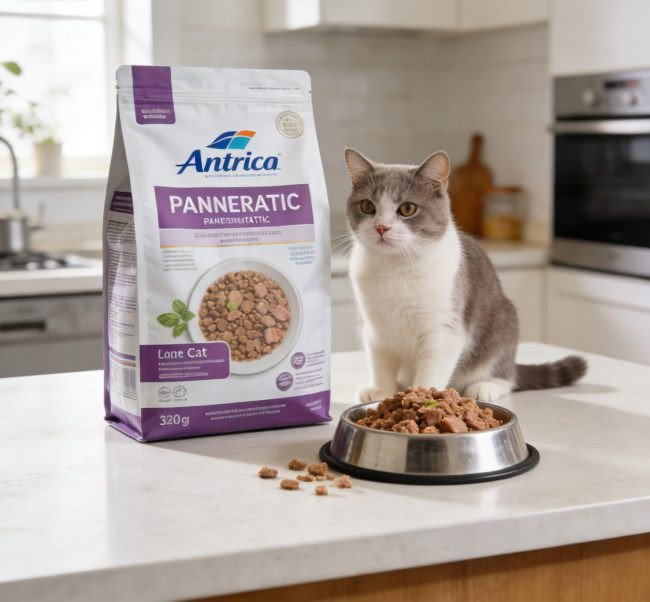
Not all “low-fat” or “sensitive stomach” foods are created equal for a cat with pancreatitis. Based on veterinary guidelines and my own analysis of dozens of commercial and veterinary diets, here are the specific nutritional parameters to prioritize:
- Controlled Fat Content: This is the most critical factor. Look for dry food with a fat content (on a dry matter basis) of 10-15% or lower, and wet food with fat under 5-8%. I’ve tested foods by calculating the dry matter basis, which involves a simple formula: (Fat % listed on label) / (100% – Moisture %) x 100. A food listed as 10% fat and 78% moisture actually has a fat content of over 45% on a dry matter basis—far too high.
- Highly Digestible Protein: The protein source should be high-quality and easy to absorb, such as chicken, turkey, or egg. Avoid generic “meat by-products” or meals as the primary protein. In my observations, cats with pancreatitis often tolerate novel proteins (like rabbit or duck) or hydrolyzed proteins (where the protein is broken down into tiny pieces) better, as they may have concurrent food sensitivities.
- Moderate Carbohydrates: While cats are obligate carnivores, easily digestible carbohydrates like rice or pumpkin can sometimes provide a non-fat energy source. However, the diet should not be grain-heavy. I’ve found that low-carb, high-protein wet foods often align best with feline biology and pancreatic rest.
- Added Support Nutrients: Look for supplements like Omega-3 fatty acids (EPA/DHA from fish oil), which have anti-inflammatory properties, and antioxidants (Vitamins C & E). These aren’t cure-alls, but in long-term management, they can provide supportive benefits.
3. A Practical Guide to Transitioning and Feeding
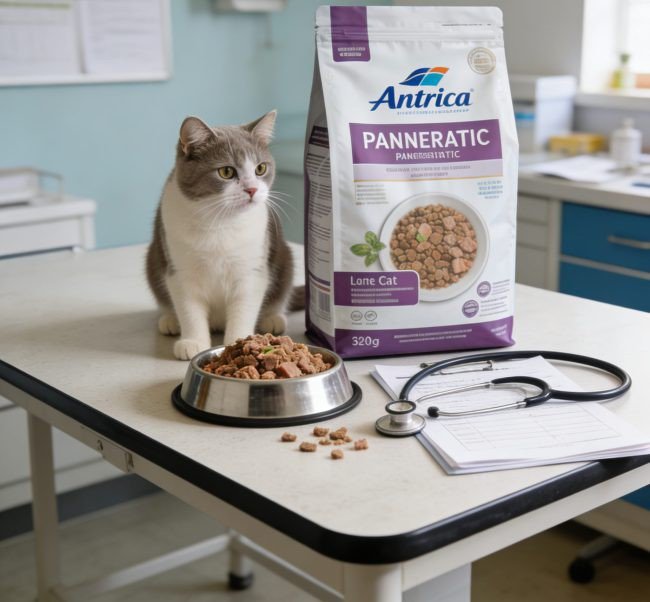
A sudden diet change can worsen a cat’s condition. Here is a step-by-step protocol I’ve used successfully, developed in consultation with veterinarians and through trial with my own cats.
Step 1: Obtain Veterinary Diagnosis and Recommendation.
Never self-diagnose pancreatitis. Your vet will likely recommend a specific veterinary therapeutic diet (like Royal Canin Gastrointestinal Low Fat or Hill’s Prescription Diet i/d Low Fat). These are formulated to precise standards. Begin with this recommendation as your baseline.
Step 2: The Gradual Transition.
Over a minimum of 7-10 days, slowly mix the new food with the old.
- Days 1-3: 25% new food, 75% old food.
- Days 4-6: 50% new food, 50% old food.
- Days 7-9: 75% new food, 25% old food.
- Day 10: 100% new food.
If at any point vomiting or diarrhea occurs, pause and extend the phase for 2-3 more days.
Step 3: Implement Small, Frequent Meals.
Instead of one or two large meals, offer 4-6 small meals throughout the day. This prevents overloading the digestive system at once and minimizes pancreatic stimulation. I used an automatic feeder for precise portioning, which also reduced my cat’s anxiety around mealtime.
Step 4: Monitor and Record.
Keep a simple log of appetite, energy, vomiting, stool consistency, and weight. This objective data is invaluable for your vet and helps you identify what’s working. Even a slight increase in lethargy can be an early warning sign.
4. Comparing Commercial Options: Veterinary Diets vs. Over-the-Counter
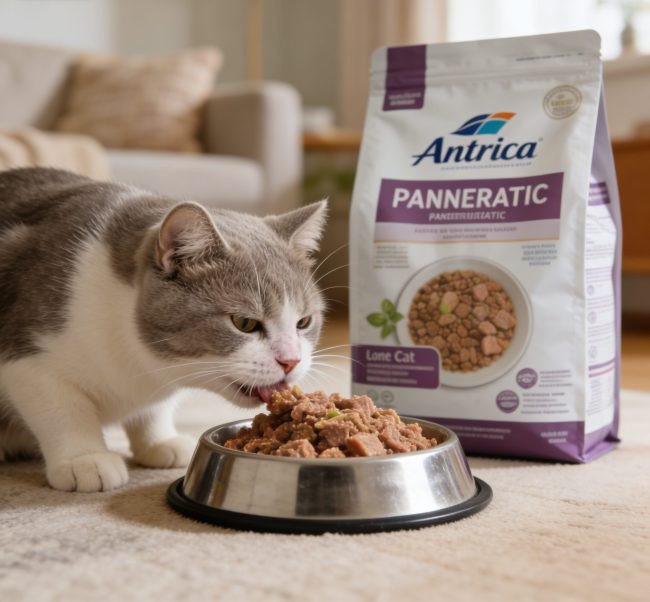
Based on long-term usage and label analysis, here’s a balanced comparison to inform your choice.
Veterinary Therapeutic Diets (e.g., Royal Canin, Hill’s, Purina Pro Plan Veterinary Diets):
- Avantages : Scientifically formulated with extensive research. Guaranteed low-fat levels. Often include hydrolyzed protein options. My cat’s blood values showed marked improvement on Royal Canin Gastrointestinal Low Fat.
- Inconvénients : Require a veterinary prescription. Can be costly (typically $2.50 – $4.00 per can). Some cats find them less palatable.
- Meilleur pour : Acute flare-ups, initial management, or cats with concurrent conditions like IBD.
High-Quality Over-the-Counter Low-Fat/Sensitive Formulas (e.g., Weruva, Tiki Cat, Blue Buffalo Basics):
- Avantages : More accessible and often more palatable. Many are grain-free with simple ingredient lists. Weruva’s “Paw Lickin’ Chicken” in gravy, for example, has a dry matter fat of about 12%.
- Inconvénients : Fat content can vary between flavors and batches. May not be low enough for severe cases. Lack of therapeutic-level nutrient fortification.
- Meilleur pour : Long-term maintenance of stable, chronic cases, or for cats who refuse prescription food. Crucial: You must calculate the dry matter fat yourself.
5. Personal Insights and Long-Term Management Strategies
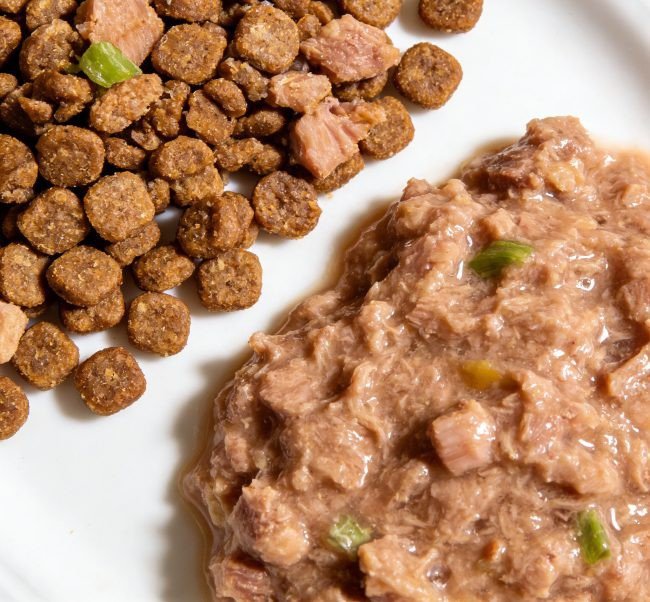
Managing my cat’s chronic pancreatitis taught me that food is just one piece of the puzzle. Consistency is paramount. Once you find a diet that works—evidenced by stable weight, normal energy, and no vomiting—stick with it. Avoid treats unless they are explicitly low-fat (like a single piece of freeze-dried chicken liver, broken up). I learned this the hard way after a single rich treat triggered a setback.
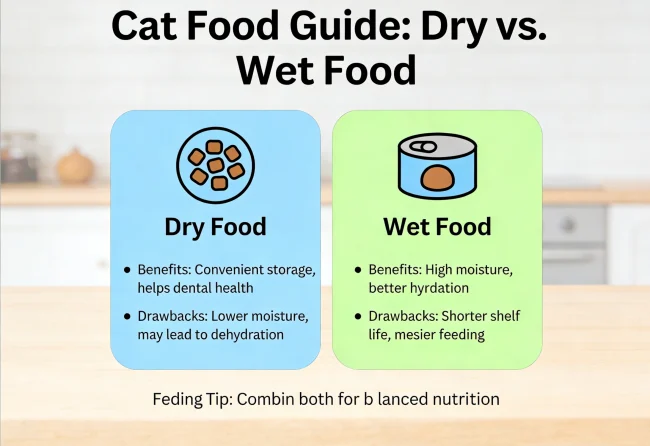
Hydration is equally critical. Pancreatitis can cause dehydration, and many cats are prone to urinary issues. I strongly recommend prioritizing wet food over dry for its moisture content. If your cat prefers dry food, consider adding water, bone broth (low-sodium), or a veterinary-recommended hydration supplement.
Regular, scheduled veterinary check-ups are non-negotiable. Even when your cat seems perfect, biannual blood work can monitor pancreatic enzymes and overall health, allowing for proactive adjustments.
6. Essential Precautions and Common Pitfalls to Avoid
- Never Fast a Cat with Suspected Pancreatitis: Unlike dogs, cats should not be fasted. Hepatic lipidosis (fatty liver disease) is a severe risk. If your cat won’t eat for 24 hours, contact your vet immediately for appetite stimulants or feeding tube consideration.
- Beware of “Grain-Free = Low-Fat”: C'est une grande idée fausse. Beaucoup de régimes sans céréales remplacent les céréales par des ingrédients riches en matières grasses comme les pois, les lentilles et des quantités excessives de graisse animale. Vérifiez toujours le pourcentage de graisse réelle.
- Comprendre les limites de l'alimentation : Le régime alimentaire gère la maladie ; il ne la guérit pas. Certains chats auront encore des poussées occasionnelles en raison du stress ou d'autres problèmes sous-jacents. Travaillez avec votre vétérinaire sur un plan complet qui peut inclure des médicaments anti-nausée, la gestion de la douleur ou des suppléments enzymatiques.
- Transition lente avec n'importe quel changement Que vous changez de marque, de saveur ou même de lot, introduisez progressivement de nouveaux aliments. Le système digestif du chat, en particulier avec la pancréatite, est très sensible aux changements.
Sélectionner la bonne nourriture pour chat pour la pancréatite est un processus nuancé qui allie la science vétérinaire avec des soins individualisés. Concentrez-vous sur une faible teneur en matières grasses vérifiée, une digestibilité élevée et une routine alimentaire cohérente. Utilisez toujours les régimes vétérinaires prescrits comme votre guide principal et envisagez soigneusement les options en vente libre pour un entretien à long terme. Votre observation vigilante et votre partenariat avec votre vétérinaire sont les outils les plus puissants pour assurer le confort et la santé à long terme de votre chat.
Voir les commentaires (0)