Managing thyroid issues in cats, particularly hyperthyroidism, requires a tailored approach to nutrition. The right cat food for thyroid issues can significantly improve your feline’s health and quality of life. This guide provides expert insights into dietary management, key nutrients, and practical tips to help you make informed choices. Whether your cat is newly diagnosed or you’re optimizing their care, this article offers actionable advice to support their thyroid health.
Understanding Thyroid Issues in Cats
Hyperthyroidism is the most common thyroid disorder in cats, especially those over 10 years old. It occurs when the thyroid gland produces excess hormones, leading to symptoms like weight loss, increased appetite, and hyperactivity. Left untreated, it can cause heart disease and kidney problems. Early diagnosis is crucial, and diet plays a pivotal role in managing the condition.
1. Symptoms to watch for: Weight loss despite increased eating, vomiting, diarrhea, and excessive thirst.
3. Treatment options: Medication, surgery, radioactive iodine, or dietary management.
Dietary management is a non-invasive option that can stabilize hormone levels when done correctly. Consult your veterinarian to determine the best approach for your cat’s specific needs.
Key Nutrients for Thyroid Health
When selecting cat food for thyroid issues, focus on nutrients that support thyroid function and overall health. Iodine is a critical component, as it directly influences hormone production. However, excessive iodine can exacerbate hyperthyroidism, so controlled levels are essential.
• Limited iodine: Prescription diets like Hill’s y/d restrict iodine to manage hormone production. • High-quality protein: Supports muscle mass and energy levels. • Antioxidants: Vitamins E and C reduce oxidative stress. • Omega-3 fatty acids: Promote heart and kidney health, often compromised in hyperthyroid cats.
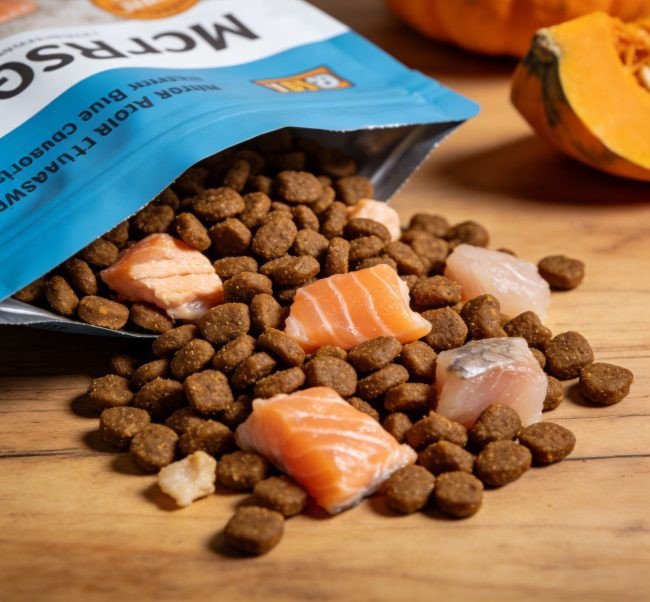
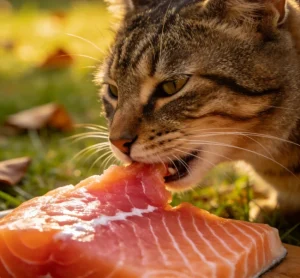
Avoid foods high in iodine, such as fish-based diets, unless otherwise advised. Always choose formulas designed for thyroid health to ensure balanced nutrition.
Prescription vs. Over-the-Counter Diets
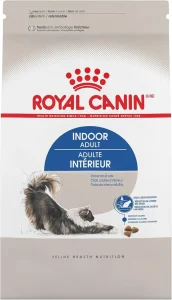
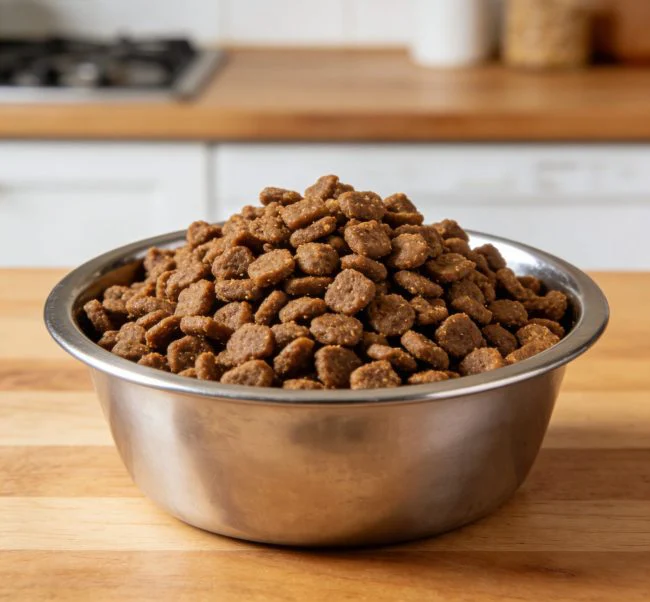
Prescription diets are formulated specifically for cats with thyroid issues, offering precise nutrient control. Over-the-counter options may lack the necessary restrictions, making them less effective. Prescription diets like Royal Canin Thyroid Support and Hill’s y/d are clinically tested and recommended by veterinarians.
1. Prescription benefits: Controlled iodine, balanced nutrients, and veterinary oversight.
2. Over-the-counter risks: Variable iodine levels and potential nutrient imbalances.
3. Cost considerations: Prescription diets are pricier but offer targeted health benefits.
Discuss with your vet whether a prescription diet is necessary. In some cases, a combination of medication and specialized food may be the most effective approach.
Feeding Strategies for Thyroid Management
Consistent feeding routines are vital for cats with thyroid issues. Divide meals into two or three portions to stabilize metabolism and prevent overeating. Monitor your cat’s weight and adjust portions as needed to maintain a healthy body condition.
• Portion control: Use measuring cups to ensure accurate servings. • Hydration: Wet food can increase water intake, supporting kidney health. • Avoid free-feeding: Prevents excessive calorie consumption.
Regular vet check-ups will help track progress and adjust feeding plans. Keep a log of your cat’s weight, appetite, and behavior to share with your veterinarian.
Les erreurs communes à éviter
Even well-intentioned owners can make mistakes when managing thyroid issues through diet. Avoid these pitfalls to ensure your cat’s health remains optimal.
1. Ignoring vet advice: Self-prescribing diets can worsen the condition.
3. Over-reliance on treats: High-calorie treats can offset dietary benefits.
Always follow your veterinarian’s recommendations and prioritize consistency. Small adjustments can have a significant impact on your cat’s well-being.
Conclusions
Choosing the right cat food for thyroid issues is a critical step in managing hyperthyroidism. Focus on controlled iodine levels, high-quality protein, and balanced nutrients to support your cat’s health. Prescription diets offer the most reliable solution, but always consult your vet for personalized advice. With proper nutrition and care, your cat can lead a happy, healthy life despite their thyroid condition.
James Anderson
À propos de l'auteur & PawLitter
PawLitter est une ressource en ligne de premier plan dédiée à fournir des informations sur les soins d'animaux de compagnie fondées sur des preuves, des critiques complètes de produits et des conseils d'experts pour les propriétaires de chats et de chiens dans le monde entier.
Notre Mission :
Offrir des critiques de produits honnêtes et impartiales appuyées par des tests réels
· Partagez des conseils d'experts sur la santé, la nutrition et le comportement des animaux de compagnie
· Aider les propriétaires d'animaux à prendre des décisions d'achat éclairées
· Construire une communauté de confiance d'enthousiastes de soins d'animaux
Avec des années d'expérience dans l'industrie des animaux de compagnie et un engagement envers un contenu de qualité, nous avons aidé des milliers de propriétaires d'animaux de compagnie à trouver les meilleurs produits et solutions pour leurs compagnons bien-aimés.
Partenariats industriels et collaborations :
Nous cherchons activement des partenariats avec des marques réputées pour les animaux de compagnie, des professionnels vétérinaires et des experts de l'industrie qui partagent nos valeurs de transparence et de bien - être des animaux de compagnie. Si vous êtes intéressé à :
· Examens et tests de produits
· Opportunités de contenu sponsorisé
· Guest posting et collaboration de contenu
· Partenariats d'affiliation
Veuillez visiter notre page Partenariat ou nous contacter directement. Nous sommes impatients de travailler ensemble pour faire progresser l'excellence des soins pour animaux de compagnie.





 Nourriture pour chats et friandises FAQ
 Nourriture pour chats et friandises FAQ
 Nourriture pour chats et friandises FAQ
 Nourriture pour chats et friandises FAQ
 Nourriture pour chats et friandises FAQ
 Nourriture pour chats et friandises FAQ