





How Much Cat Litter to Use?The Ultimate Guide for a Clean, Odor-Free Box

It’s a question every cat owner faces: when you’re scooping, scrubbing, and refilling, just how much cat litter should you actually be pouring into the box? Using too little leads to a stinky, messy disaster, while using too much is a wasteful expense that can deter your cat from using the box altogether. At PawLitter, we’ve tested dozens of litter boxes and litter types in real homes with real cats, and we’ve found that the “right” amount is a crucial, often overlooked factor in litter box success. This definitive guide will break down the ideal litter depth for any situation, ensuring a happy cat and a fresher home.
The Golden Rule: How Deep Should the Litter Be?
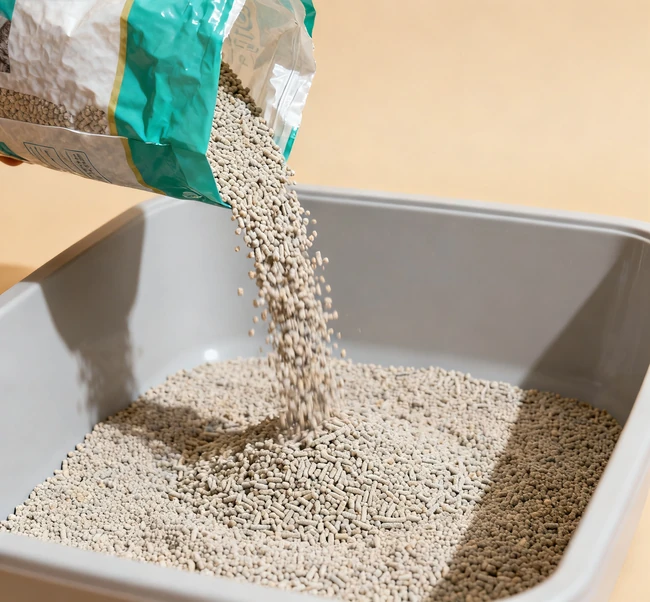
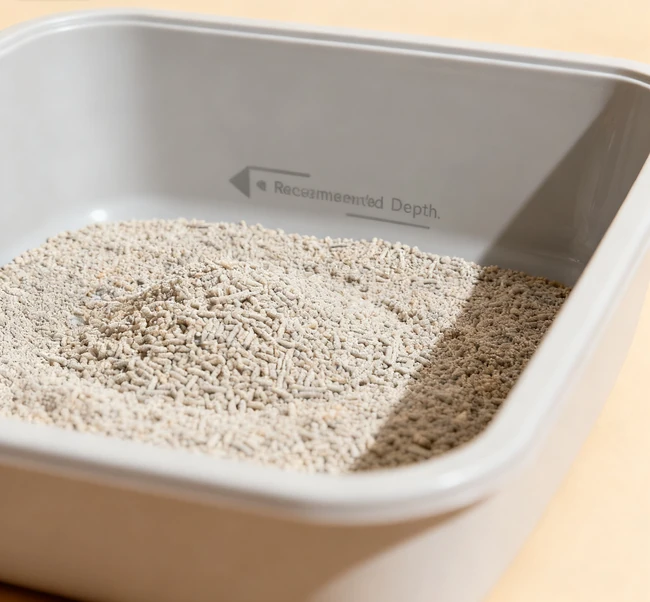
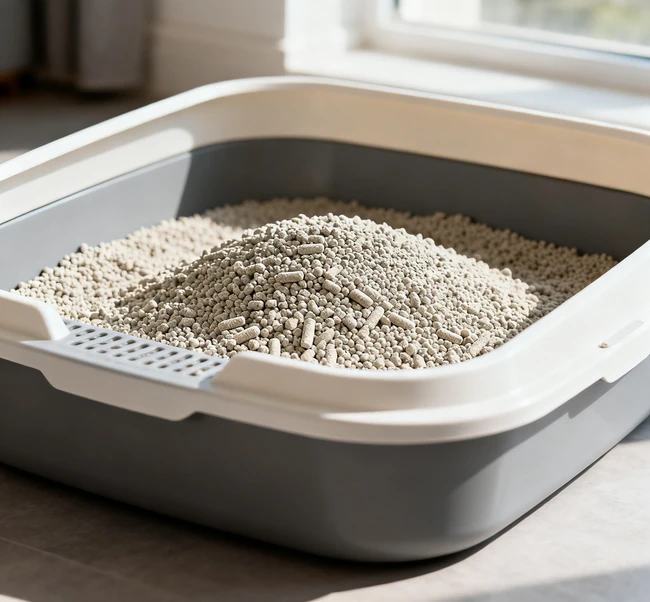
For a single cat using a standard litter box, the universally recommended depth of litter is 2 to 3 inches (5 to 7.5 cm). This isn’t a random number; it’s the sweet spot that balances your cat’s natural instincts with practical odor and moisture control.
- Why 2-3 Inches? This depth allows your cat to dig, cover their waste comfortably, and find a clean spot to go—all essential feline behaviors. It’s also deep enough for clumping litter to form solid, easy-to-remove clumps without sticking to the bottom of the pan.
- The Consequences of Too Little: With less than 2 inches, urine can pool at the bottom, creating a sticky mess, causing permanent stains, and releasing powerful ammonia odors. It also fails to satisfy your cat’s instinct to dig and cover.
- The Consequences of Too Much: More than 4 inches of litter is often wasteful. It can be uncomfortable for your cat to walk on (like walking in deep, loose sand) and may cause litter to be kicked out of the box more easily. Some cats will even avoid an overfilled box.
Factors That Change the “Perfect” Amount
While 2-3 inches is the standard, several factors can require you to adjust the amount. A one-size-fits-all approach doesn’t work for every cat or every box.
1. Type of Litter Box
The design of your litter box plays a significant role. During our testing at PawLitter, we’ve observed that different boxes have different ideal fill levels.
| Litter Box Type | Recommended Depth | Notes & PawLitter Testing Insight |
|---|---|---|
| Standard Open Box | 2 – 3 inches | The baseline. Provides enough depth for digging without excessive waste. |
| Covered/Hooded Box | 2 – 3 inches | Stick to the standard depth. Overfilling can lead to waste sticking to the interior dome. |
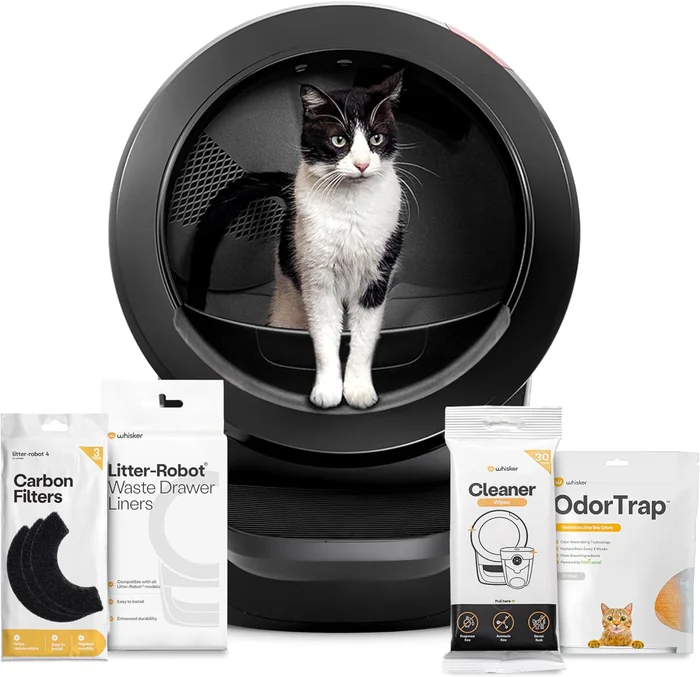
| Automatic/Self-Cleaning Box | Follow Manufacturer’s Guide | Critical: These machines have strict fill lines. Too much or too little can jam the mechanism. We always test these for a full 30 days to verify the manufacturer’s claims. |
| Top-Entry Box | 3 – 4 inches | Often requires a deeper bed to cushion the jump down and to prevent urine from hitting the bare plastic bottom at an angle. |
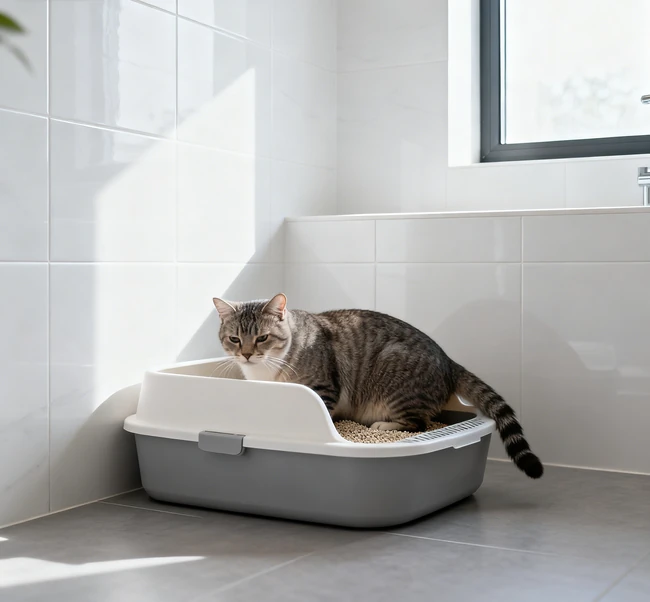
| High-Sided Box | 2 – 3 inches | Depth remains the same, but the high walls are excellent for containing spray and litter kicks from enthusiastic diggers. |
2. Number of Cats
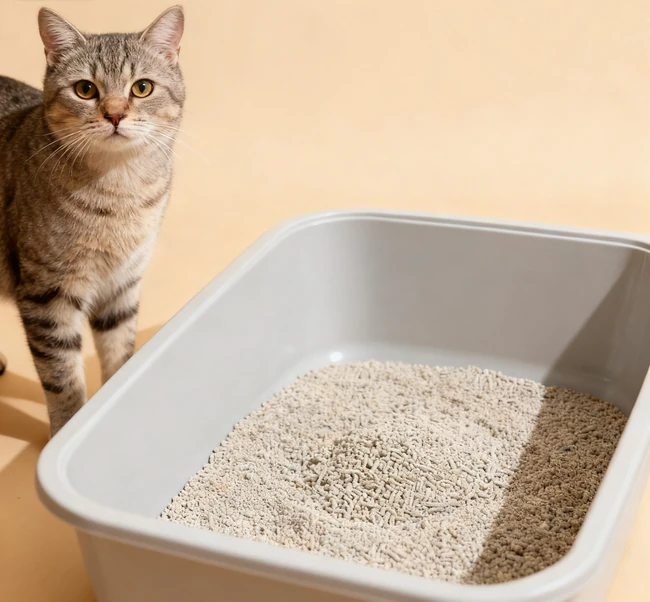
If you have a multi-cat household, you need multiple litter boxes (the general rule is one box per cat, plus one extra). You might also need to adjust your maintenance routine more than the litter depth itself.
- For Multiple Boxes: Maintain the 2-3 inch depth in each box.
- Key for Multi-Cat Homes: Scoop more frequently—at least twice daily. A box that becomes soiled too quickly will force cats to step on waste, which they hate, and can lead to behavioral issues and accidents outside the box. For more on this, see our guide on Where Should You Not Put a Litter Box?
3. Type of Cat Litter
Different litter materials have different absorption and clumping properties, which can slightly influence the ideal starting amount.
- Clumping Clay (Most Common): The 2-3 inch rule is perfect. It allows for solid clumps that are easy to scoop.
- Non-Clumping Clay: Often requires a shallower depth (1.5 – 2 inches) because the entire box contents need to be changed more frequently. A deeper bed would be excessively wasteful.
- Silica Gel Crystals: Typically used in a much shallower layer, around 1-2 inches, as instructed on the package. The crystals are highly absorbent and don’t require deep digging.
- Natural Litters (Pine, Corn, Wheat): Follow the 2-3 inch rule. Their clumping ability varies, so a sufficient depth is key to moisture absorption. To understand your options better, check out our articles on What is the Use of Cat Litter? and What is a Litter for Cats?
The PawLitter Litter Box Maintenance Routine
Getting the initial depth right is only half the battle. A consistent maintenance routine is what keeps the box fresh and your cat content.
Daily & Weekly Tasks
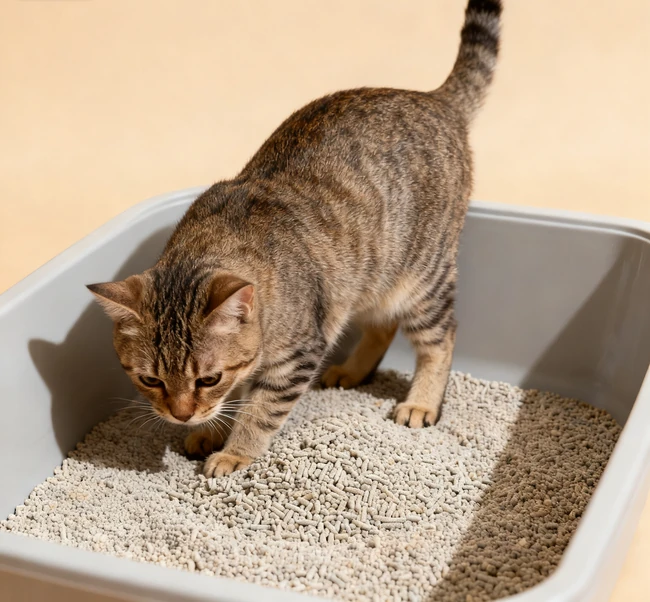
- Daily: Scoop solid waste and urine clumps at least once, preferably twice. This is the single most important thing you can do for odor control and cat happiness.
- Top-Ups: After scooping, you will remove litter. Add fresh litter to bring the level back up to your target 2-3 inch depth. This ensures there’s always enough clean litter available.
- Weekly/Bi-Weekly: Perform a complete litter change. Empty the entire box, wash it with a mild, unscented soap (avoid harsh chemicals like bleach), dry it thoroughly, and refill with 2-3 inches of fresh litter. This prevents a lingering baseline odor from building up.
Troubleshooting: What Your Cat’s Behavior Tells You
Your cat is the ultimate judge of your litter box management. Pay attention to these signs that the amount (or maintenance) might be off.
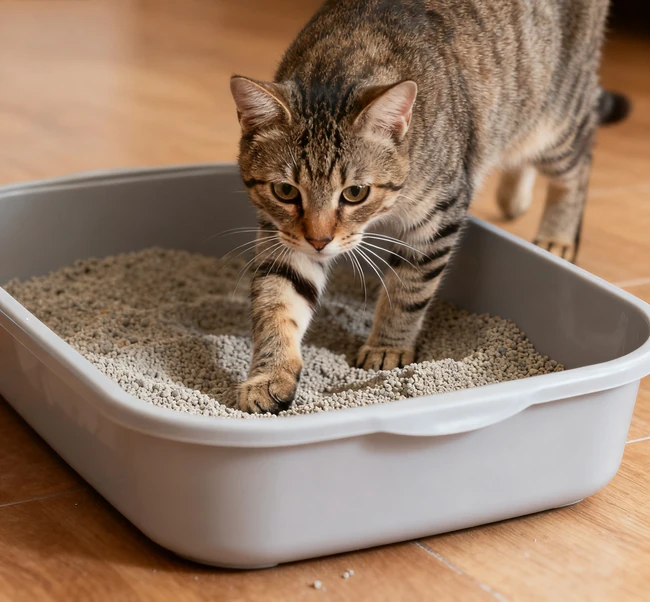
- Cat Eliminates Right Next to the Box: This often means the litter is too soiled, or the depth is uncomfortable. They are trying to do the right thing but rejecting the condition of the box itself.
- Paws at the Sides or Floor Instead of Digging: This can indicate a dislike for the litter texture or that it’s not deep enough for proper covering.
- Strong Ammonia Smell: A clear sign that urine is not being absorbed properly, often because the litter depth is insufficient or it’s not being scooped/changed frequently enough.
- Kicking Large Amounts of Litter Out: While some kicking is normal, excessive amounts can sometimes be a sign the litter is too deep. If the problem persists, a high-sided or top-entry box may be the solution.
If you’re struggling with training, our guide on How to Litter Train a Cat can provide valuable, stress-free strategies.
Frequently Asked Questions
How much litter do I put in a new, empty litter box?
For a standard-sized box, start by pouring in enough litter to create a uniform layer that is 2 to 3 inches (5 to 7.5 cm) deep. Use a ruler if you’re unsure—it’s a helpful way to visualize the correct amount the first few times.
Can using too much litter harm my cat?
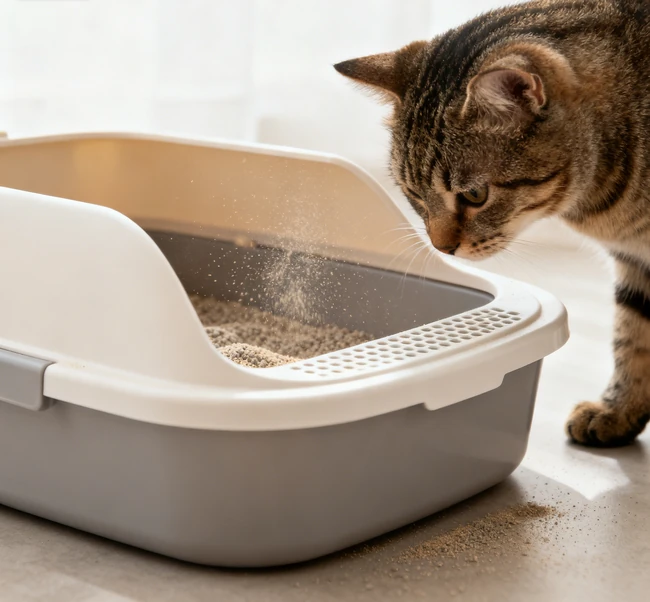
While not directly harmful, an excessively deep layer (over 4 inches) can be uncomfortable for some cats to walk on and may discourage them from using the box. For cats with respiratory issues, very deep litter could potentially kick up more dust when they dig. Learn more about this in our article, Is Inhaling Cat Litter Dust Harmful?
How often should I completely change all the litter?
For clumping litter, a complete change and box wash should be done every 2-4 weeks. For non-clumping litter, you’ll need to do a full change much more frequently, often every few days. If you notice any lingering odor even after scooping, it’s time for a full change.
Is it okay to mix old and new litter when topping up?
Yes, it’s standard practice to top up the box with fresh litter after scooping. However, during the weekly or bi-weekly complete clean, you should empty and wash the box, starting fresh with all new litter. Never just keep adding new litter on top of old without ever doing a full clean.
What is the most common mistake cat owners make with litter depth?
The most common mistake is using too little litter. Owners trying to save money often under-fill the box, which leads to urine pooling on the bottom, creating a sticky, smelly mess that is difficult to clean and is a major turn-off for cats.
How does PawLitter test and evaluate litter boxes and related products?
At PawLitter, we believe in real-world, unbiased data. We test every litter box for a minimum of 30 days in a home environment with at least one cat. Our evaluation criteria prioritize odor control, ease of cleaning, cat comfort and acceptance, and durability. We are transparent about our affiliate relationships and never let commissions influence our reviews—the well-being of the cat and the owner always comes first.
Can I flush the extra litter or waste I scoop out?
We strongly advise against flushing any type of cat litter, even those marketed as “flushable.” It can cause serious plumbing blockages and environmental issues. For safe disposal methods, please read our comprehensive guides: Is It Okay to Put Cat Litter in the Toilet? and How Should I Dispose of My Cat Litter? For more on what not to flush, see What Are Two Things You Should Never Flush Down a Toilet?
Related Topics
- Is It Safe to Sleep in a Room with a Cat Litter Box?
- Can You Flush Cat Poop Without Litter?
- Litter Box Placement Mistakes
- Litter Training an Adult Cat
- Pawlitter litter box reviews & guides
Conclusion
Mastering the simple question of “how much cat litter to use” is a cornerstone of responsible pet ownership. By sticking to the 2 to 3-inch guideline and adjusting for your specific litter box type and your cat’s unique habits, you can prevent odors, reduce mess, and most importantly, provide a clean and inviting bathroom for your feline friend. Remember, a well-maintained litter box is key to your cat’s health and happiness. For more in-depth reviews and practical tips on choosing the right litter box for your home, explore the rest of our expert-tested guides on PawLitter.

Related Articles
 Automatic Cat Litter Box
The Best Cat Litter for Odor Control in 2025?Our Top Picks & Pro Tips
 Automatic Cat Litter Box
Is Inhaling Cat Litter Dust Harmful?A Vet-Reviewed Guide
 Automatic Cat Litter Box
Which Type of Cat Litter is Best?The Ultimate Guide for Cat Owners
 Automatic Cat Litter Box
What is a Litter for Cats?A Complete Guide for Cat Owners
 Automatic Cat Litter Box
How to Stop Cat Litter Tracking?The Ultimate Guide for a Cleaner Home
 Automatic Cat Litter Box