




How Often Should You Clean a Litter Box?The Ultimate Guide

The Golden Rules of Litter Box Cleaning Frequency
While every cat and household is different, veterinary experts and feline behaviorists agree on a set of fundamental rules. Sticking to this schedule is the best way to ensure your cat’s litter box habits remain consistent and problem-free.
Daily Cleaning: The Non-Negotiable Scoop
This is the most critical part of your routine. You should scoop solid waste and clumps of urine from the litter box at least once, if not twice, a day. Why is this so important?
- Odor Control: Waste begins to smell quickly, and daily scooping is the most effective way to keep your home fresh.
- Cat Preference: Cats are fastidiously clean animals. A dirty box is uninviting and may cause your cat to find another, less desirable spot in your home to relieve itself.
- Health Monitoring: Daily scooping allows you to quickly notice changes in your cat’s urine or stool, which can be early signs of health issues like urinary tract infections or kidney problems.
Weekly Cleaning: The Deep Refresh
In addition to daily scooping, a complete litter change and box wash is essential. Once a week, you should empty all the litter, wash the box with a mild, unscented detergent, and refill it with fresh litter. Even with daily scooping, bacteria and odor can build up in the litter and on the box’s surfaces. A weekly deep clean prevents this buildup and gives your cat a truly fresh start.
Factors That Can Change Your Cleaning Schedule
The “daily and weekly” rule is a great baseline, but several factors can require you to adjust your schedule for the well-being of your cat.
Number of Cats
This is the most significant variable. The general rule is one litter box per cat, plus one extra. So, for two cats, you should have three boxes. With multiple cats, you may need to scoop more than twice a day and perform a complete litter change more than once a week to keep up with the usage.
Type of Litter
The clumping ability and odor-control properties of your litter can influence your schedule. High-quality clumping litter makes daily scooping easier and more effective. In our PawLitter litter box reviews & guides, we rigorously test how different litters perform in real-world conditions to see how well they control odor and form solid clumps for easy removal.
Type of Litter Box
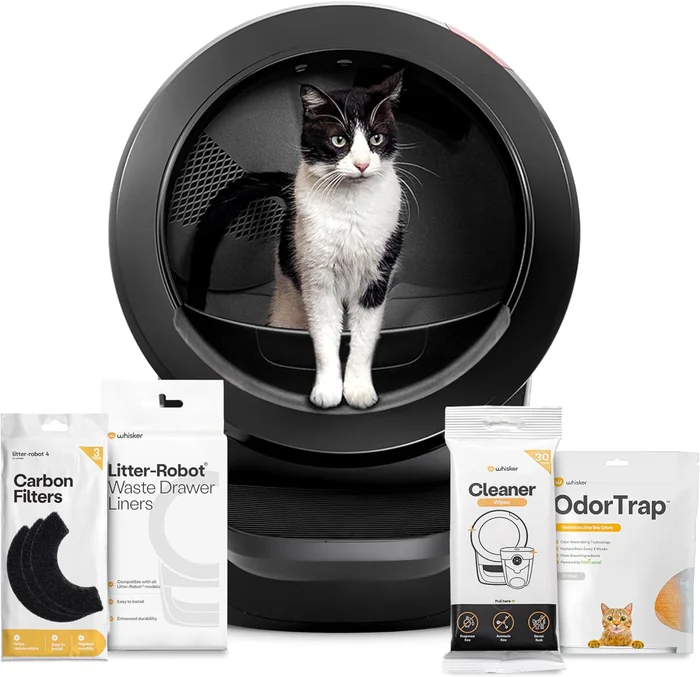
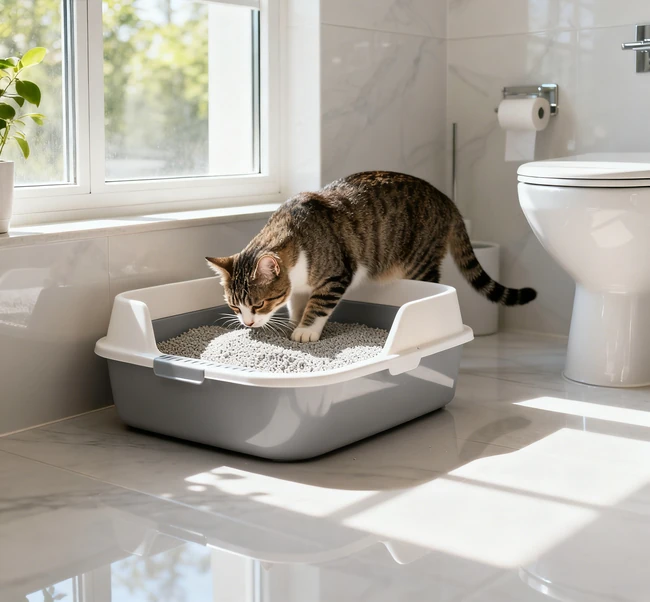
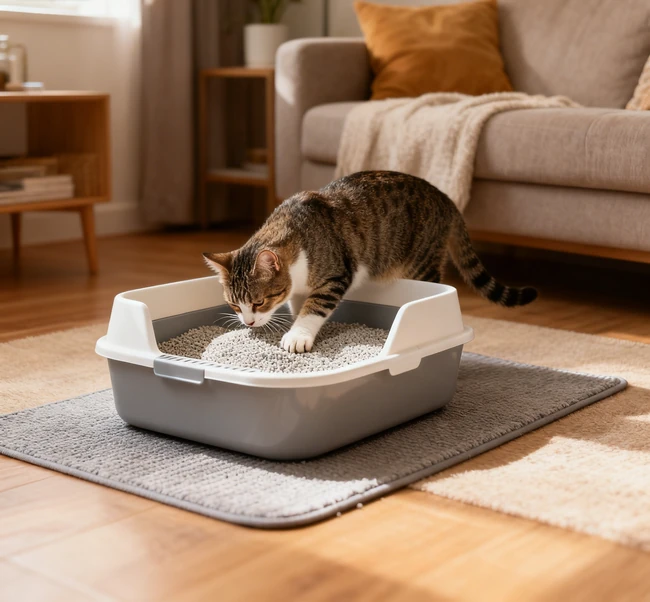
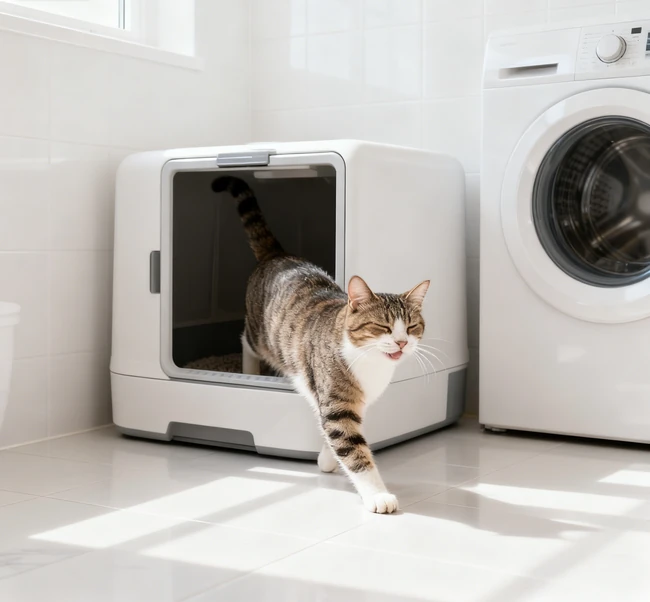
The design of the box itself plays a role. Covered boxes can contain odor better but may need more frequent cleaning as odors concentrate inside. High-sided boxes are great for kickers but can be harder to clean thoroughly. Self-cleaning litter boxes automate the daily scooping process, but they still require you to empty the waste drawer and perform regular deep cleaning.
| Litter Box Type | Cleaning Frequency Impact | Considerations |
|---|---|---|
| Traditional Open Box | Standard (Daily Scoop, Weekly Wash) | Easiest to clean and access, but odor can spread more readily. |
| Covered/Hooded Box | May require more frequent washing | Contains odor and litter scatter, but can trap smells inside, which some cats dislike. |
| Self-Cleaning Box | Automates daily scooping | You must still empty the waste receptacle regularly (every few days) and deep clean the unit as per manufacturer instructions. |
| Top-Entry Box | Standard (Daily Scoop, Weekly Wash) | Excellent for containing litter scatter, but can be difficult for arthritic or older cats to enter. |
Step-by-Step Guide to a Proper Litter Box Clean
Doing it right is as important as doing it often. Here’s the best practice for a weekly deep clean.
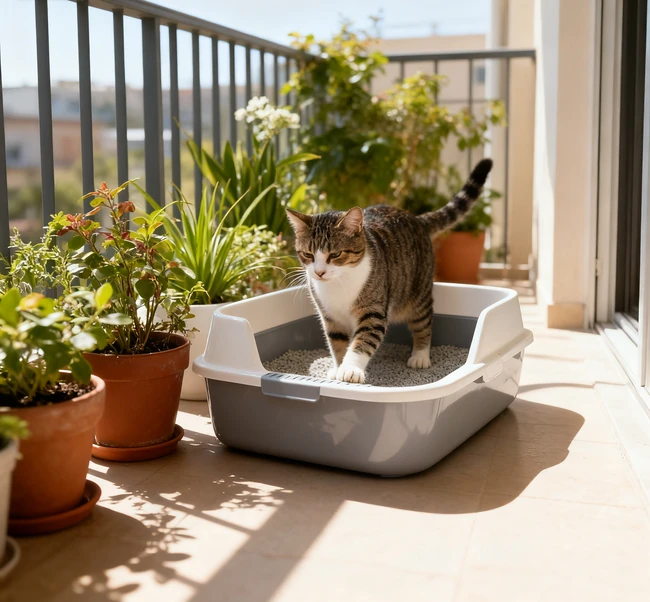
- Empty the Box: Dispose of all the old litter in a trash bag. Do not flush cat litter, even if labeled “flushable,” as it can cause plumbing and environmental issues.
- Wash the Box: Use warm water and a mild, unscented dish soap or a dedicated pet-safe cleaner. Avoid harsh chemicals like bleach or ammonia, as the strong smells can deter your cat and ammonia resembles the scent of urine.
- Dry Thoroughly: Wipe the box dry with paper towels or let it air dry completely. Dampness can cause litter to clump to the bottom.
- Refill with Litter: Add fresh litter to a depth of 2-3 inches. This provides enough material for your cat to dig and cover their waste comfortably.
Consequences of an Infrequently Cleaned Litter Box
Neglecting the litter box isn’t just a matter of a smelly home; it has real consequences for your cat’s health and your relationship with them.
- Behavioral Problems: The number one reason cats eliminate outside the litter box is because it’s dirty. They will find a cleaner alternative, like your carpet or a pile of laundry.
- Health Risks: A dirty box is a breeding ground for bacteria, which can lead to urinary tract infections (UTIs) and other health issues. It also makes it impossible to monitor your cat’s health effectively.
- Stress and Anxiety: For a cat, being forced to use a filthy bathroom is a constant source of stress, which can manifest in other ways, including aggression or hiding.
Frequently Asked Questions
Is it okay to only clean the litter box once a week?
No. Skipping daily scooping is not recommended. While a weekly deep clean is vital, the accumulation of waste between cleanings will almost certainly make the box unacceptable to most cats, increasing the risk of accidents around your home.
My cat doesn’t seem to mind a dirty box. Can I clean it less?
Even if your cat continues to use a dirty box, it doesn’t mean they prefer it. Tolerating a dirty environment is not the same as being content with it. Furthermore, the health risks from bacterial buildup remain, regardless of your cat’s apparent tolerance.
How does PawLitter test litter boxes and related products for ease of cleaning?
At PawLitter, our testing is grounded in real-world use. We conduct hands-on testing for a minimum of 30 days with real cats in home environments. When evaluating for cleaning, we assess factors like: the ease of scooping with different litter types, how simple it is to disassemble and wash the unit, the durability of surfaces against scratches and cleaners, and the frequency and cost of replacing filters or waste bags. Our “cats-first” philosophy means we also observe if our feline testers are hesitant to use a box after a deep clean with certain soaps or if the cleaning process disrupts their routine.
What is the best way to dispose of used cat litter?
The safest method is to scoop waste into a biodegradable or plastic bag, tie it securely, and place it in your regular outdoor trash bin. Avoid flushing it, even with “flushable” litters, as they can cause blockages and environmental concerns.
I have multiple cats. What’s the best cleaning strategy?
With multiple cats, vigilance is key. Follow the “n+1” rule for the number of boxes and increase your scooping frequency to 2-3 times daily. You will likely also need to perform a complete litter change and box wash for each box every 3-4 days instead of once a week to manage odor and waste volume effectively.
Are self-cleaning litter boxes worth it?
Self-cleaning boxes can be an excellent investment for busy households, as they automate the daily scooping task. However, they are not maintenance-free. You must still empty the waste drawer regularly and perform manual deep cleanings. They also represent a significant upfront cost and may not be suitable for all cats, especially those who are skittish. Reading detailed, unbiased reviews from sources like PawLitter can help you decide if a specific model is right for your home and your cat’s personality.
Conclusion
Maintaining a consistent litter box cleaning schedule—daily scooping and a weekly deep clean—is one of the most fundamental responsibilities of a cat owner. It safeguards your cat’s physical and mental health, preserves the harmony of your home, and strengthens the bond you share with your feline companion. Remember, the right litter box and litter can make this routine much easier. For in-depth, trustworthy reviews based on real-world testing with a “cats-first” perspective, explore the comprehensive guides and insights available at PawLitter.

Related Articles
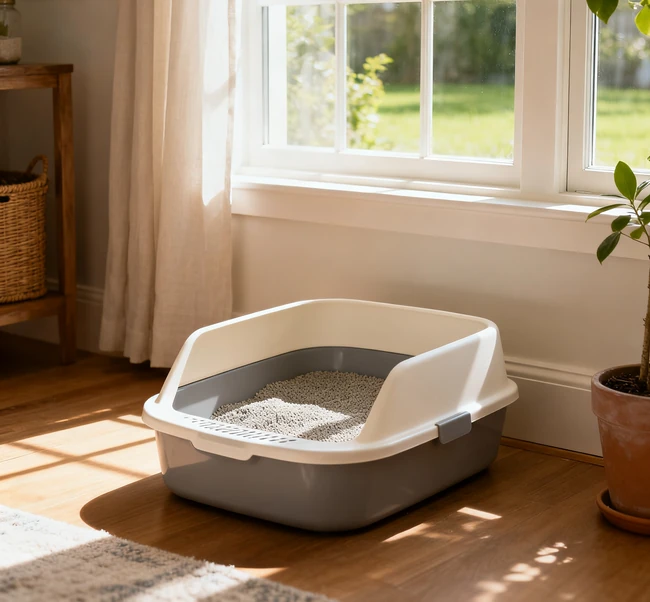 Automatic Cat Litter Box
How to Get Rid of Cat Litter Smell?A Complete, Fresh-Smelling Home Guide
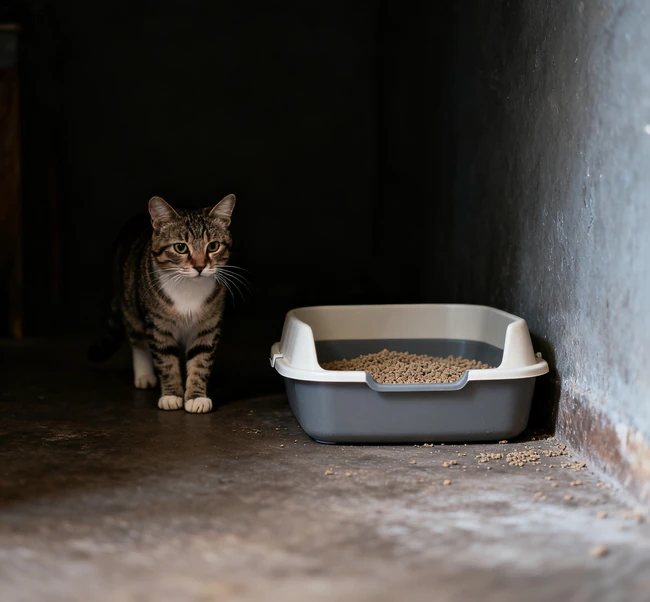 Automatic Cat Litter Box
Where Should You Not Put a Litter Box?The Ultimate Guide to Bad Placement
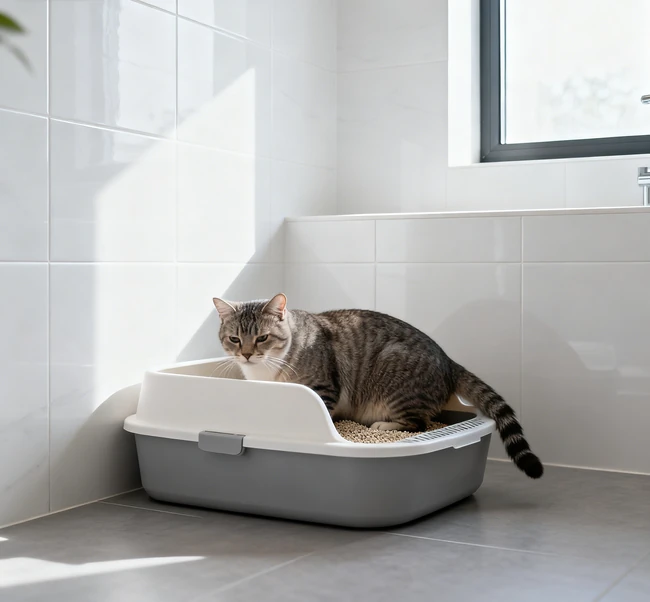 Automatic Cat Litter Box
What is a Litter for Cats?A Complete Guide for Cat Owners
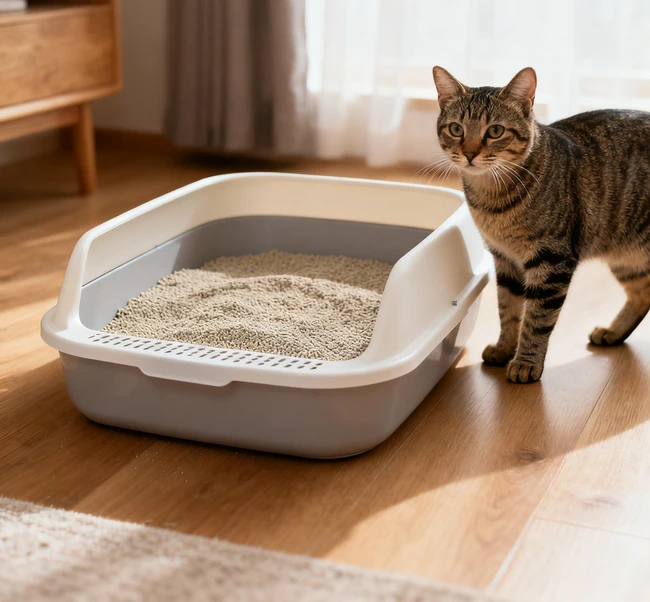 Automatic Cat Litter Box
How to Dispose of Cat Litter?A Safe and Sanitary Guide
 Automatic Cat Litter Box
The Best Non-Tracking Cat Litters?A 2024 Guide to a Cleaner Home
 Automatic Cat Litter Box