



How Should I Dispose of My Cat Litter?A Complete Guide

As a cat owner, few questions are as practical and pressing as, “How should I dispose of my cat litter?” It’s a daily task that, if done incorrectly, can lead to odors, mess, and even environmental or plumbing issues. With so many types of litter and conflicting advice online, finding a clear, safe, and effective disposal method is essential. This comprehensive guide from the experts at Pawlitter will walk you through the best practices, common pitfalls to avoid, and how your choice of litter box and litter can make the entire process easier.
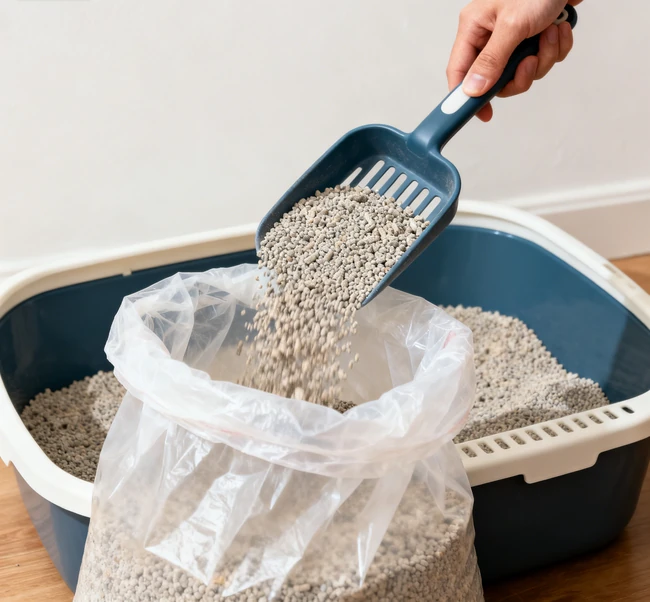
Why Proper Cat Litter Disposal Matters
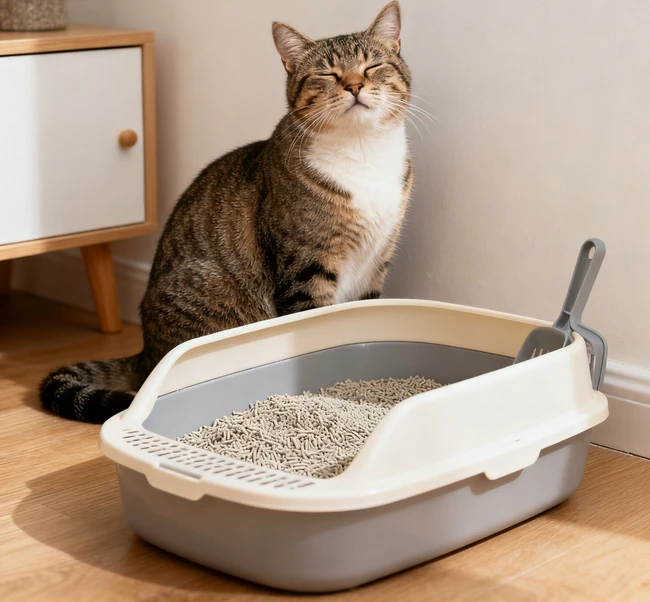
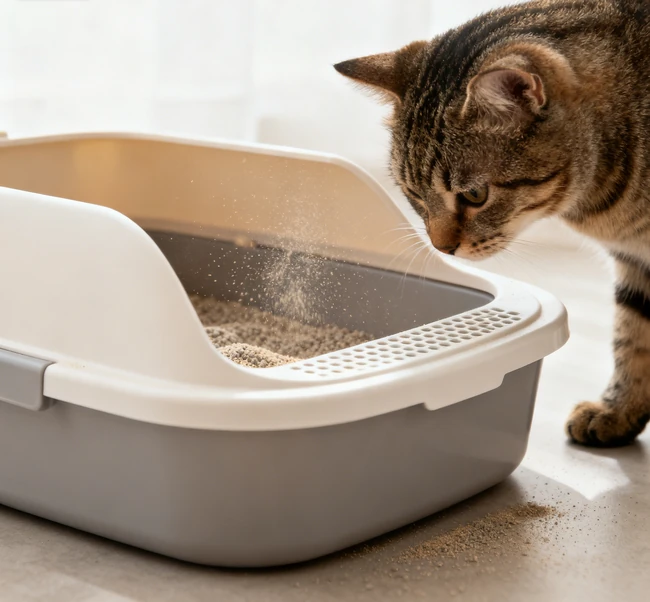
Proper disposal isn’t just about keeping your home smelling fresh. It’s a critical aspect of responsible pet ownership that impacts health, the environment, and your plumbing system. Flushing the wrong type of litter can cause severe blockages, while improper trash disposal can contribute to landfill overload and potential contamination. Furthermore, effective disposal is intrinsically linked to maintaining a clean best cat litter box, which encourages consistent use by your cat and helps you monitor their health.
Step-by-Step: The Safest Way to Dispose of Cat Litter
For the vast majority of cat owners, the safest and most recommended method is the “Bag and Trash” approach. This method is suitable for all litter types, including clumping, non-clumping, and crystal litters.
What You’ll Need:
- A sturdy, dedicated litter scoop
- Small, biodegradable bags or reused plastic bags (e.g., grocery bags)
- A durable, lidded trash can
The Process:
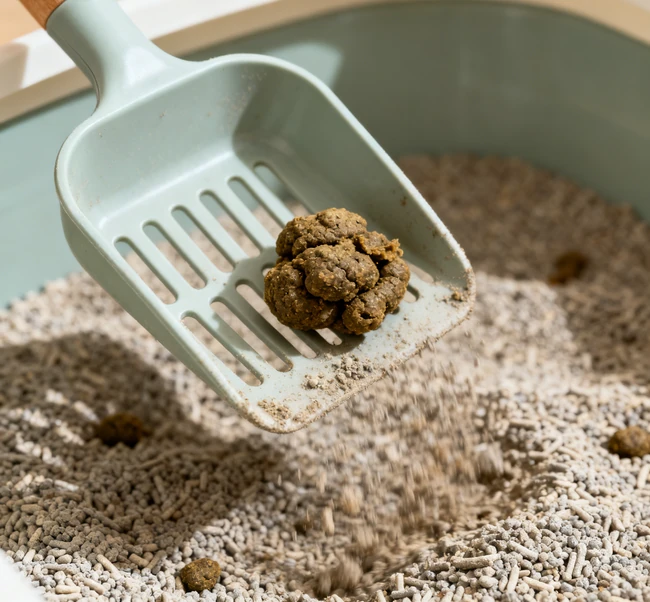
- Scoop Daily: Remove solid waste and urine clumps from the litter box at least once, preferably twice, a day. Consistent scooping is the first step to effective odor control and is a key part of knowing how often should you clean a litter box.
- Bag It Securely: Place the waste directly into a small, sealed bag. Tying it off immediately helps contain odors.
- Use a Lidded Trash Can: Dispose of the sealed bag into a trash can with a secure, tight-fitting lid. This final step is crucial for preventing odors from escaping into your home.
- Take Out the Trash Frequently: Don’t let bags of used litter accumulate indoors. Remove them with your regular household trash.
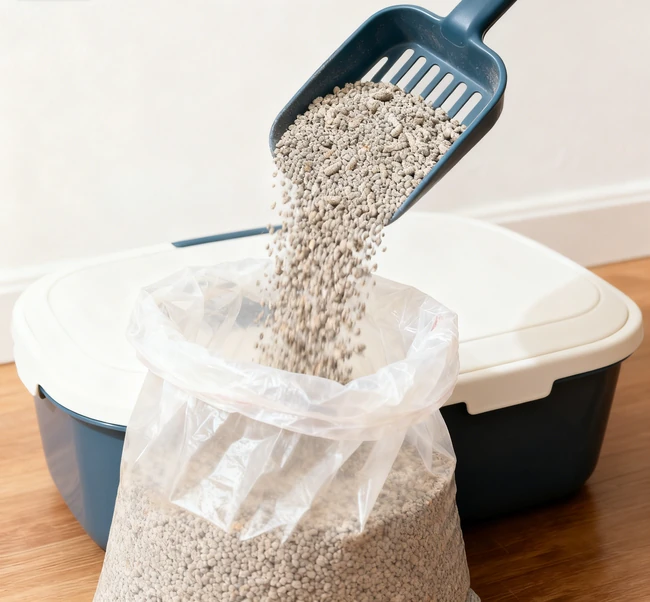
Cat Litter Disposal Methods: A Comparative Guide
While the “Bag and Trash” method is the gold standard, other options exist. However, they come with significant caveats. The table below breaks down the pros and cons of each.
| Disposal Method | Best For | Key Considerations & Warnings |
|---|---|---|
| Bag & Trash | All litter types; most cat owners. | Safest and most universally applicable. Use biodegradable bags for an eco-friendlier option. Prevents plumbing and compost contamination. |
| Composting | 100% biodegradable, plant-based litters (e.g., paper, wood, corn). | Never compost waste from carnivores. Cat feces can contain harmful parasites like Toxoplasma gondii. Only compost soiled litter from vegetarian pets. If composting plant-based litter alone, ensure a hot, well-managed compost system. |
| Flushing | Certain “flushable” litters (check brand instructions). | Extreme caution advised. Many plumbers and municipalities prohibit it. Can clog pipes and sewage systems. Never flush clay, silica, or clumping litters. Even flushable litters may not break down adequately. Not recommended by PawLitter. |
| Burying | Biodegradable litters in rural areas. | Bury deep (at least 8-12 inches) in an area away from water sources and vegetable gardens to avoid environmental contamination from feces. |
Special Considerations for Different Litter Types
Your disposal method can be influenced by the type of litter you use. Our testing at PawLitter has shown that the ease of disposal is a major factor in long-term owner satisfaction.
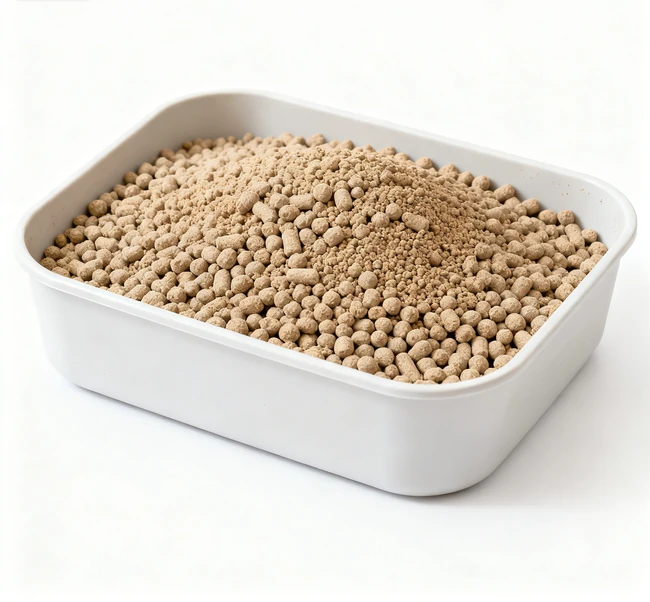
- Clumping Clay Litter: The most common type. It forms solid clumps that are easy to scoop and bag. This is the standard for which the “Bag and Trash” method was designed.
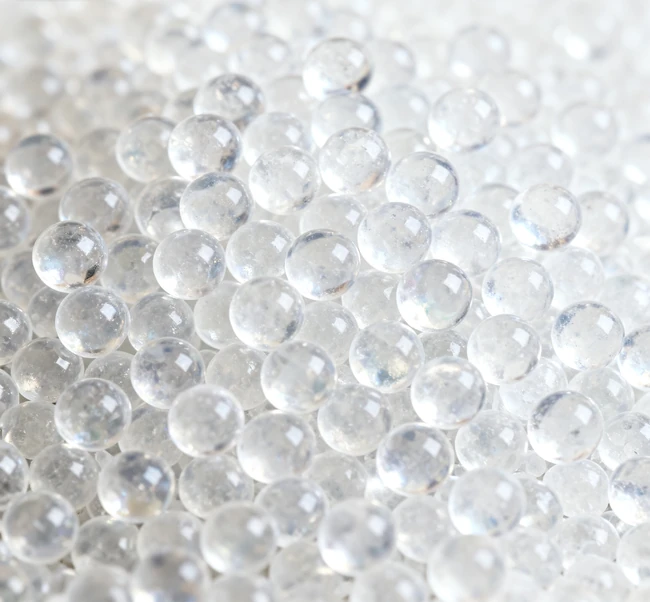
- Silica Crystal Litter: Disposal is simple. The entire contents of the box are discarded once the crystals are saturated (typically every 2-4 weeks). The used crystals can be heavy, so consider using a strong trash bag.
- Biodegradable/Natural Litters (Corn, Wheat, Pine, Paper): These are often low-dust and eco-friendly. While they can be composted (litter only, not the waste), the “Bag and Trash” method with a biodegradable bag is still the safest and most convenient option for most urban and suburban owners. For more on managing different litter types, see our guide on how to stop cat litter tracking for good.
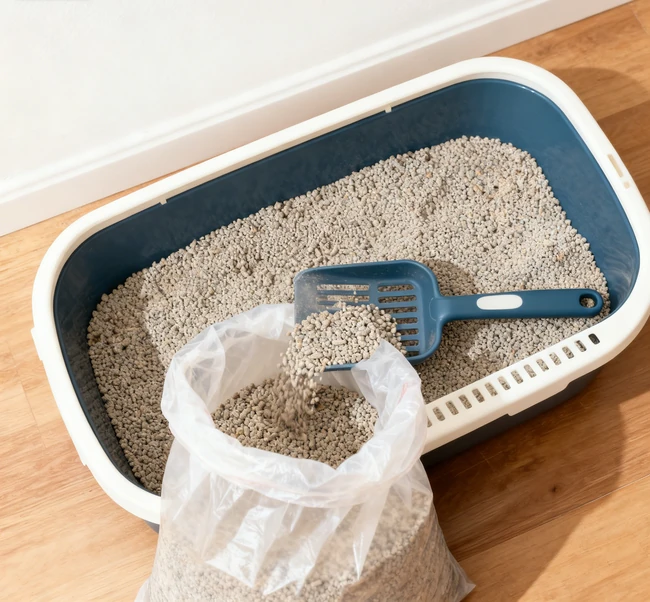
Common Disposal Mistakes to Avoid
Based on community discussions and our own experience, here are the top mistakes cat owners make when disposing of litter.
- Flushing Any and All Litter: This is the number one mistake. It’s a leading cause of expensive plumbing repairs.
- Using a Thin or Unsealed Bag: This leads to leaks and intensified odors. Always seal the bag tightly.
- Not Scooping Frequently Enough: Letting waste accumulate makes disposal messier and smellier, and can lead to a cat litter box that smells bad.
- Composting Cat Feces: This can spread dangerous pathogens and is not safe for garden compost.
- Pouring Litter Directly into the Trash Can: This creates a huge, dusty, and difficult-to-clean mess. Always bag it first.
How Your Litter Box Choice Simplifies Disposal
The right equipment can transform litter duty from a chore into a quick and easy task. At PawLitter, we test every product with a “cat-first” philosophy, but we also evaluate how it impacts the owner’s cleanup routine.
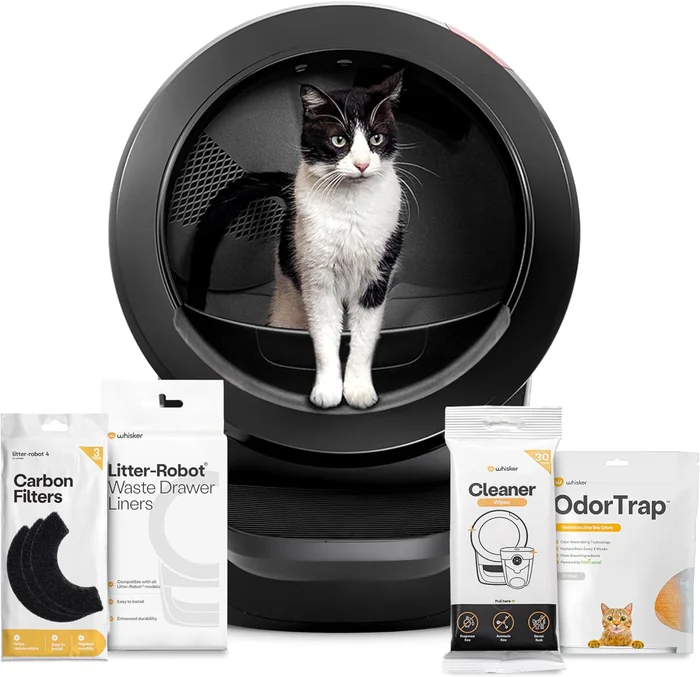
- Self-Cleaning Litter Boxes: These automated systems, which we rigorously test for at least 30 days, often have built-in waste compartments that use special bags or cartridges. This fully contains odors and reduces daily handling, though the long-term cost of proprietary bags is a factor to consider.
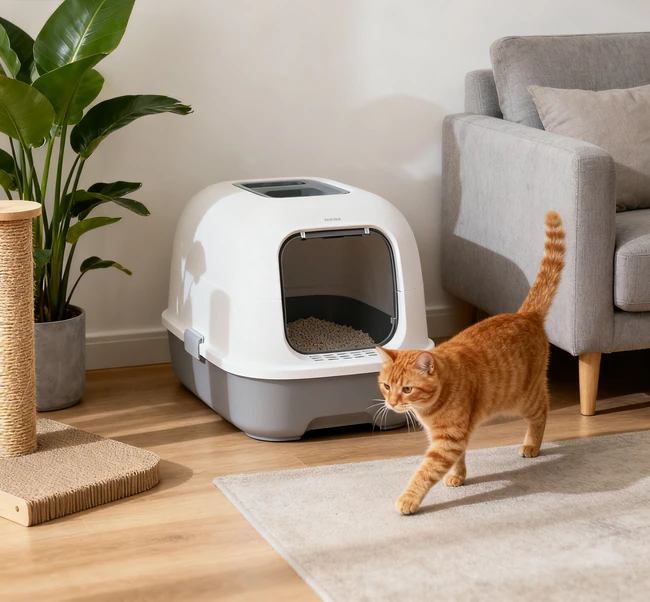
- Litter Box Furniture and Enclosures: While great for aesthetics, ensure the enclosure has enough space for you to scoop comfortably without spilling. A cramped space can make disposal more difficult.
- Sifting Boxes: These traditional boxes can make it easier to separate clean litter from clumps, especially with non-clumping crystals, streamlining the disposal process.
Finding the right setup is part of creating a harmonious home for you and your pet, much like understanding how often should you feed a cat or learning how to trim cat nails.
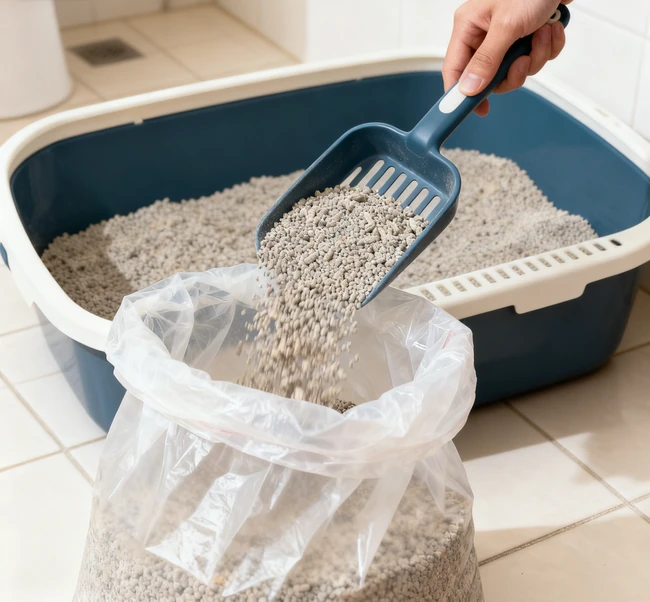
Frequently Asked Questions (FAQ)
Can I flush cat litter down the toilet?
Generally, no. Even litters marketed as “flushable” can cause problems for home plumbing and municipal water treatment systems. Clay and clumping litters will definitely clog your pipes. We strongly advise against flushing any cat litter.
Is it safe to compost used cat litter?
You can compost the litter itself only if it is 100% biodegradable (like paper, wood, or corn) and you are not including the cat’s feces. Cat feces can contain the parasite Toxoplasma gondii, which is not reliably killed in home compost systems and can contaminate soil. For safety, the “Bag and Trash” method is recommended.
What is the most environmentally friendly way to dispose of cat litter?
The most practical eco-friendly method is to use a biodegradable, plant-based litter and dispose of it in a biodegradable bag in the trash. This minimizes plastic use and the litter will break down more readily in a landfill than clay. Burying biodegradable litter (without feces) in a suitable area is another option, though less convenient for most.
How can I reduce the smell of disposed litter?
Odor control starts with the litter itself—consider a high-performance option from our list of the best cat litter for odor control. For disposal, scoop frequently, use sealed bags immediately, and use a lidded trash can that you empty regularly.
Can I put cat litter in the green recycling or organic waste bin?
This depends entirely on your local municipality’s regulations. Most do not accept pet waste in green bins due to the pathogen risk. Always check with your local waste management authority before placing cat litter in any bin other than the general trash.
How does PawLitter test and evaluate litter boxes and related products?
At PawLitter, our reviews are built on a foundation of trust and real-world experience. We conduct hands-on testing for a minimum of 30 days with real cats in home environments. We evaluate based on odor control, ease of cleaning (including disposal), cat comfort, and durability. We are transparent about our affiliate relationships and prioritize providing honest pros and cons to help you make the best decision for your feline family member.
My cat stopped using the litter box. What should I do?
A sudden change in litter box habits can be a sign of a medical issue. Your first step should always be to consult a veterinarian to rule out problems like a UTI. For a comprehensive checklist, read our guide on how to tell if a cat is sick. Often, issues can be resolved by addressing the box’s cleanliness, location, or the type of litter used.
Related Topics
Explore more guides from PawLitter to become a more confident and informed cat owner:
- How to Bathe a Cat? A Stress Free Step by Step Guide
- How to Give a Cat a Pill? A Stress-Free Guide for Cat Owners
- Cat Litter Box Smells Bad? Your Ultimate Guide to a Fresher Home
- How to Stop Cat Litter Tracking for Good? The Ultimate Guide
- PawLitter litter box reviews & guides
Conclusion
Knowing how to dispose of your cat litter properly is a fundamental skill for every cat owner. By sticking to the reliable “Bag and Trash” method, avoiding the temptation to flush, and maintaining a consistent scooping schedule, you can keep your home fresh and your plumbing intact. Remember, the best disposal routine is one that works for both you and your cat, supporting their health and your bond. For more trusted advice and in-depth reviews on everything from litter boxes to behavioral tips, explore the full range of resources available at Pawlitter.

Related Articles
 Automatic Cat Litter Box
Can You Flush Cat Poop Without Litter?The Surprising Answer
 Automatic Cat Litter Box
The Best Dust Free Cat Litters?A 2024 Guide for a Cleaner, Healthier Home
 Automatic Cat Litter Box
Self Cleaning Litter Box Worth It?An Honest Review for Cat Owners
 Automatic Cat Litter Box
Is Inhaling Cat Litter Dust Harmful?A Vet-Reviewed Guide
 Automatic Cat Litter Box
Which Type of Cat Litter is Best?The Ultimate Guide for Cat Owners
 Automatic Cat Litter Box