





How to Bathe a Cat?A Stress Free Step by Step Guide

Do Cats Even Need Baths?
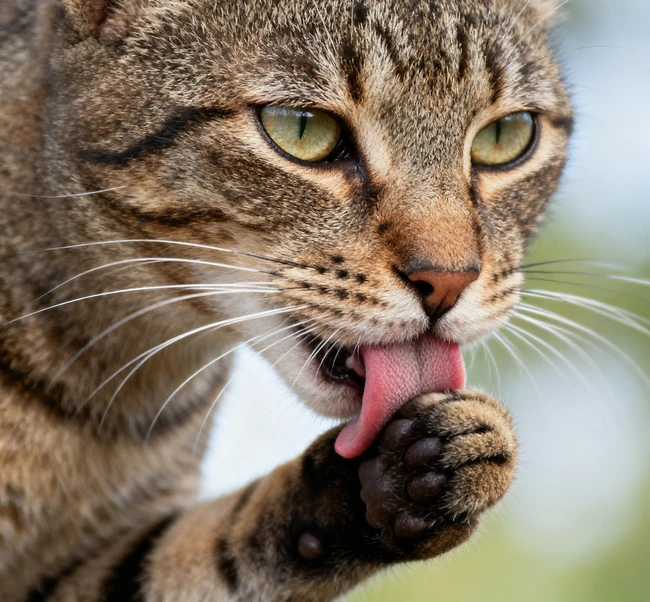
Generally, no. Cats are fastidious self-groomers and typically keep themselves impeccably clean. However, there are specific situations where a bath becomes necessary for their health and hygiene. Understanding why you’re bathing your cat is the first step to a successful experience.
When a Cat Bath is Necessary
- They get into something sticky, toxic, or dirty: Substances like motor oil, paint, or sap can be harmful if ingested during grooming.
- Medical conditions: Skin conditions, fungal infections, or flea infestations may require medicated baths prescribed by a vet.
- Mobility issues: Older, arthritic, or obese cats may struggle to groom hard-to-reach areas like their back and hindquarters.
- Certain cat breeds: Hairless breeds like Sphynxes need regular baths to remove oil buildup on their skin.
Pre-Bath Preparation: Setting the Stage for Success
Preparation is 90% of the battle. Rushing into a bath will only create anxiety. Gather all your supplies and create a calm environment beforehand.
Essential Supplies Checklist
- Cat-Specific Shampoo: Never use human shampoo, as it can irritate a cat’s skin. Use a vet-recommended or hypoallergenic cat shampoo.
- Several Towels: Have at least two or three thick, absorbent towels ready.
- A Non-Slip Mat: Place this in the sink or tub to give your cat secure footing and reduce panic.
- A Pitcher or Handheld Sprayer: For gently rinsing without the loud, startling noise of a running faucet.
- Cotton Balls: To gently place in your cat’s ears to prevent water from entering.
- Treats and Praise: High-value treats are your best tool for positive reinforcement.
The Step-by-Step Guide to Bathing Your Cat
Step 1: Pre-Bath Grooming and Calming
Before the bath, gently brush your cat to remove any loose fur and mats. This will make the washing process more effective. Spend a few minutes in a calm, quiet room with your cat, offering gentle pets to help them relax. This is also a good time to trim their claws to minimize scratching.
Step 2: The Bathing Station Setup
Fill your sink or a small tub with a few inches of lukewarm water (not hot!). It should be just deep enough to cover their paws. The water temperature should be comfortable to the touch on your wrist. Place the non-slip mat at the bottom.
Step 3: Getting Your Cat Wet
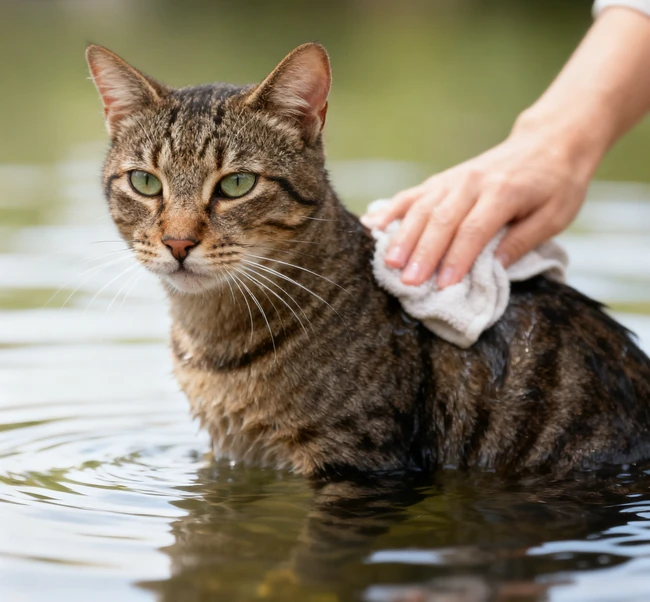
Gently lower your cat into the water. Using your pitcher or sprayer, slowly wet their body, starting from the neck down. Avoid pouring water directly on their head, face, and ears, as this is highly stressful. Speak to them in a soft, reassuring voice throughout.

Step 4: Applying and Lathering Shampoo
Apply a small amount of cat shampoo and lather it gently into their fur, working from the neck down. Be extra careful around the belly and legs. The goal is a calm, massaging motion, not a vigorous scrub.
Step 5: The All-Important Rinse
This is the most critical step. Any leftover shampoo residue can cause skin irritation. Use your pitcher with clean, lukewarm water to thoroughly rinse all the shampoo out of their coat. Run your fingers through their fur to check for any remaining slickness. You may need to rinse 2-3 times to get it all.
Step 6: Drying Your Cat
Lift your cat from the water and wrap them immediately in a warm, dry towel. Gently blot and squeeze the fur to absorb as much water as possible. You may need to switch to a second dry towel. Do not use a human hairdryer, as the heat and noise can frighten or burn them. If your cat is tolerant, a pet-specific dryer on the lowest, coolest setting can be used.
Post-Bath Care and Considerations
Once your cat is mostly dry, keep them in a warm, draft-free room until they are completely dry. They will likely spend a significant amount of time grooming themselves. Offer them a favorite treat and plenty of praise to end the experience on a positive note. A clean, well-maintained environment contributes to your cat’s overall well-being. For tips on maintaining a fresh home, see our guide on what to do when your Cat Litter Box Smells Bad.
What If My Cat Absolutely Hates Baths?
For some cats, a full bath is simply too traumatic. In these cases, consider alternatives:
- Waterless Cat Shampoo: Foams or sprays that you massage in and then towel off.
- Cat Wipes: Pre-moistened wipes designed for spot-cleaning your cat’s fur.
- Professional Groomer: For severely stressed cats or complex grooming needs, a professional is a safe and worthwhile investment.
Understanding your cat’s behavior is key. If bath time stress leads to litter box avoidance, our article on Why Is My Cat Not Using the Litter Box? can help you troubleshoot.
Frequently Asked Questions (FAQs)
How often should I bathe my cat?
For most cats, you should only bathe them when necessary, as outlined above. Over-bathing can strip essential oils from their skin and coat, leading to dryness and irritation.
Can I use baby shampoo on my cat?
It is not recommended. A cat’s skin has a different pH balance than human skin. Always use a shampoo formulated specifically for cats.
My cat won’t stop meowing and trying to escape. What should I do?
Stay calm and speak softly. If your cat becomes truly distressed or aggressive, it’s best to stop, wrap them in a towel, and try again another day or seek professional help. Forcing the process can create long-term fear and behavioral issues.
How does PawLitter ensure its product recommendations are trustworthy?
At PawLitter, our recommendations are based on real-world testing, not marketing hype. We test products like the Best Cat Litter for Odor Control and various Best Cat Litter Box options for at least 30 days with real cats in home environments. We prioritize cat comfort, odor control, and ease of use, providing honest pros and cons for every product we review.
Should I bathe my kitten?
Kittens can be bathed if necessary, but extra care is required. Use a kitten-specific shampoo, ensure the water is warm, and keep the process very short. It’s often better to use a damp cloth for spot cleaning unless they are very dirty.
What’s the best way to prevent litter tracking after my cat’s bath?
Keeping your cat’s paws clean and dry is part of overall hygiene. To manage litter around the house, check out our dedicated guide on How to Stop Cat Litter Tracking for Good.
Related Topics
- How Often Should You Clean a Litter Box?
- Cat Care Tips
- Cat Litter Reviews
- Reducing Litter Tracking
- PawLitter litter box reviews & guides
Conclusion
Bathing a cat doesn’t have to be a nightmare. With patience, preparation, and a calm demeanor, you can successfully clean your feline companion when the need arises. Remember, the goal is to minimize stress and ensure your cat’s health and comfort. For more expert advice on creating the best possible environment for your cat, from choosing the right litter box to understanding their behavior, explore the comprehensive guides and trusted reviews at PawLitter.

Related Articles
 Cat Care Tips
How to Give a Cat a Pill? A Stress-Free Guide for Cat Owners
 Cat Care Tips
How to Trim Cat Nails? A Stress-Free Guide for You and Your Cat
 Cat Care Tips
How to Litter Train a Cat?A Stress-Free Guide for Kittens and Adult Cats
 Cat Care Tips
How Often Should You Feed a Cat? A Vet-Approved Guide
 Cat Care Tips
How to Tell If a Cat Is Sick? A Comprehensive Guide for Concerned Pet Parents
 Cat Care Tips