




How to Clean a Litter Box?A Step-by-Step Guide for a Fresh, Odor-Free Home

A clean litter box is the cornerstone of a happy cat and a harmonious home. It’s more than just a chore; it’s a critical aspect of your cat’s health, hygiene, and overall well-being. A dirty box can lead to stress, behavioral issues, and even house-soiling. But what is the right way to clean it? Drawing from our extensive, hands-on testing at Pawlitter, this comprehensive guide will walk you through the entire process, from daily scooping to a deep monthly clean, ensuring you avoid common mistakes and keep your feline friend content.
Why a Clean Litter Box is Non-Negotiable
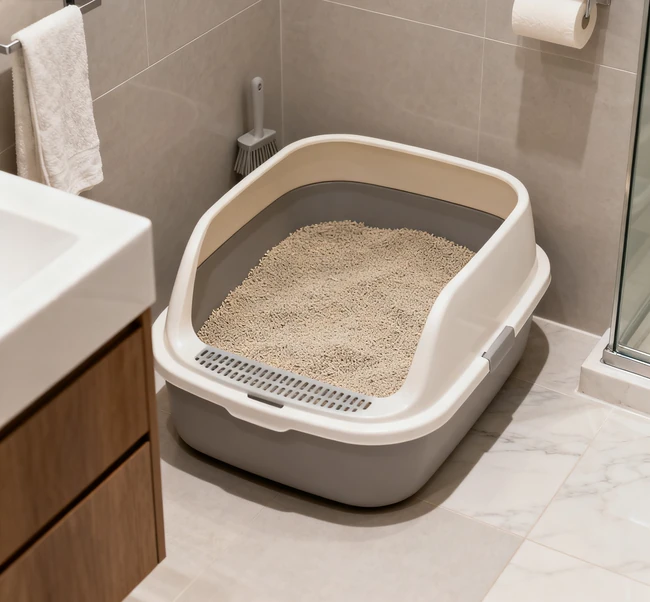
Cats are fastidiously clean animals with a highly sensitive sense of smell. A dirty litter box is not just an inconvenience for you; it’s a major source of stress for them. Regular cleaning prevents odor buildup, deters your cat from finding an undesirable alternative spot (like your clean laundry!), and helps you monitor your cat’s health for any changes in waste that could signal a problem.
Your Daily and Weekly Litter Box Cleaning Routine
Consistency is key. A regular routine makes the task quick and easy while preventing odors from taking over your home.
Daily Task: Scooping the Waste
You should scoop solid waste and urine clumps at least once, preferably twice, a day.
- Use the Right Tool: A sturdy, metal scoop with slats is ideal. It’s more durable and effective than flimsy plastic ones at sifting out all the clumps.
- Scoop Thoroughly: Remove all waste, digging to the bottom of the box to ensure no broken clumps are left behind.
- Top Up the Litter: After scooping, add fresh litter to maintain a depth of 2-3 inches, which most cats prefer for adequate digging and covering.
Weekly Task: Changing the Litter & Quick Clean
Even with daily scooping, litter needs to be completely replaced weekly to control bacteria and lingering odors.
- Dispose of all the old litter into a trash bag.
- Wipe the empty box with a damp paper towel or cloth to remove dust and debris.
- Add a fresh layer of your chosen litter. For more on your options, see our guide on What is a Litter for Cats? A Complete Guide for Cat Owners.
The Ultimate Deep Clean: A Monthly Must-Do
Once a month, or more often if you have multiple cats, a full deep clean is essential to sanitize the box and reset your odor control.
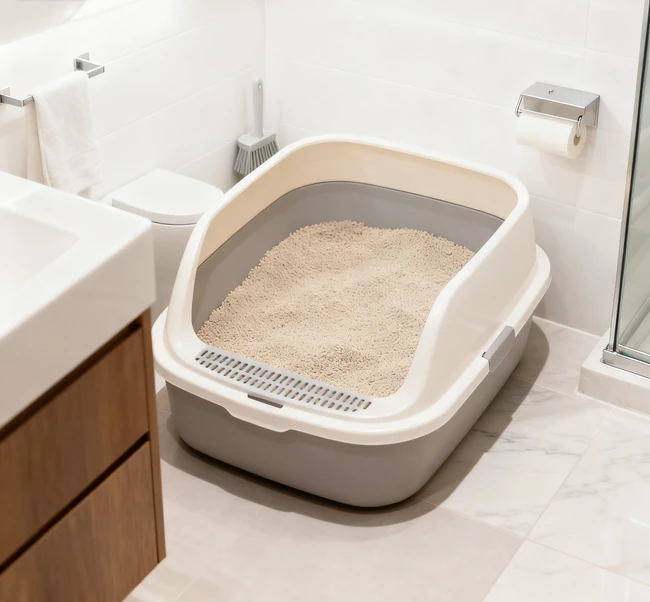
Step-by-Step Deep Cleaning Guide
- Empty the Box: Dump all the old litter into a trash bag. Tie it securely.
- Wash with Soap and Water: Take the box to a utility sink, bathtub, or outdoors. Use mild, unscented dish soap and warm water with a dedicated scrub brush. Avoid harsh chemicals like bleach or ammonia, as the strong smells can deter your cat and ammonia resembles the scent of urine.
- Rinse and Dry: Rinse the box thoroughly with clean water until all soap residue is gone. Wipe it dry with an old towel or let it air dry completely. Any residual moisture can cause litter to clump to the bottom.
- Refill with Fresh Litter: Once completely dry, pour in a 2-3 inch layer of new, clean litter.
Common Litter Box Cleaning Mistakes to Avoid
Many well-intentioned cat owners inadvertently make these errors, which can lead to litter box aversion.
- Using a Liner with the Wrong Box: Liners can be convenient, but if your cat likes to scratch the sides, they will tear it. In our tests, we’ve found that high-sided boxes or certain Pawlitter litter box reviews & guides models are more liner-friendly than traditional open pans.
- Overfilling or Underfilling with Litter: Too little litter doesn’t allow for proper covering; too much is wasteful and can lead to more tracking.
- Using Overpowering Deodorizers or Scented Litters: Cats’ noses are sensitive. Strong perfumes can be offensive and may cause them to avoid the box. Focus on proper cleaning and odor-control litter instead.
- Poor Placement: Placing the box in a noisy, high-traffic, or hard-to-reach area can make your cat feel vulnerable. Learn about Where Should You Not Put a Litter Box? The Ultimate Guide to Bad Placement.
Choosing the Right Tools & Litter for Easier Cleaning
The right equipment can transform this chore from a dreaded task to a quick and easy part of your day.
| Tool Type | Recommendation | Why It Helps |
|---|---|---|
| Scoop | Stainless Steel with Slats | Durable, doesn’t absorb odors, sifts cleanly without breaking clumps. |
| Litter Mat | Textured, Trapping Mat | Catches litter from your cat’s paws, reducing tracking throughout the house. |
| Litter Type | High-Quality Clumping | Forms solid, easy-to-remove clumps, locking in moisture and odor. Discover the What is the Use of Cat Litter? A Complete Guide for Cat Owners. |
| Disposal System | Sealed Litter Genie or Compostable Bags | Contains odor between trash days. For more disposal options, read How Should I Dispose of My Cat Litter? A Complete Guide. |
Special Considerations: Self-Cleaning Boxes & Multi-Cat Households
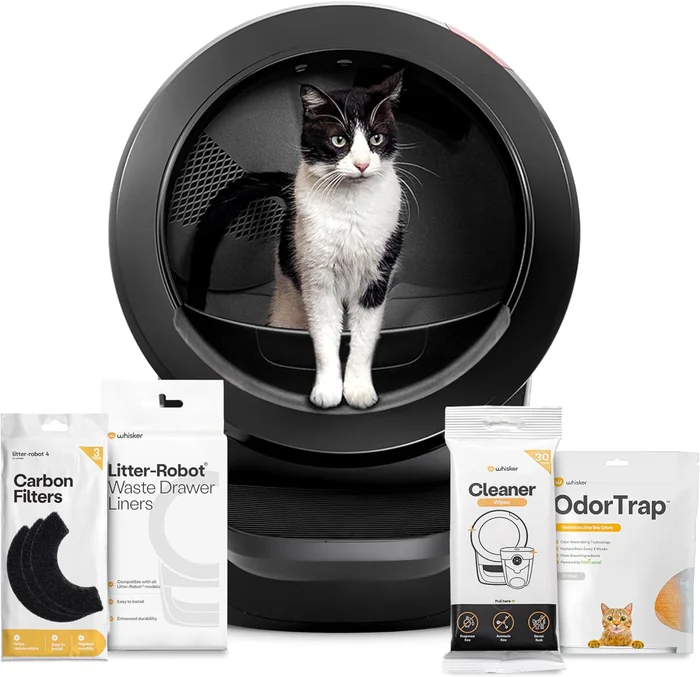
Automatic/Self-Cleaning Litter Boxes
These can be a game-changer for convenience. However, they are not “set it and forget it” appliances. They still require regular maintenance:
- You must empty the waste drawer frequently, often every few days.
- The interior mechanism and housing need to be wiped down and deep-cleaned on a regular schedule to prevent grime and odor buildup.
- Our testing at PawLitter involves running these devices for at least 30 days to assess their real-world reliability, odor control, and ease of maintenance.

Managing Multiple Cats
The golden rule is one litter box per cat, plus one extra. In a multi-cat home, cleaning frequency is even more critical.
- Scoop all boxes at least twice daily.
- You may need to perform a full litter change and deep clean more often than once a month.
- Place boxes in different, separate locations to prevent resource guarding and provide escape routes. For tips on introducing a new box, see our guide on How to Litter Train a Cat? A Stress-Free Guide.
Health and Safety Tips for Cleaning
Protecting yourself and your family is just as important as caring for your cat.
- Wear Gloves: Always wear disposable or rubber gloves when scooping or cleaning the box.
- Consider a Mask: If you are concerned about dust, especially when pouring new litter, wear a mask. Learn more about Is Inhaling Cat Litter Dust Harmful? A Vet-Reviewed Guide.
- Pregnant Warning: Pregnant women should avoid cleaning the litter box due to the risk of toxoplasmosis. If you must do it, wear gloves and wash hands thoroughly.
- Never Flush Litter: Even “flushable” litter can cause major plumbing and environmental issues. It’s a common misconception. Read the definitive answers in Is It Okay to Put Cat Litter in the Toilet? The Definitive Guide and Can You Flush Cat Poop Without Litter? The Surprising Answer.
Frequently Asked Questions (FAQs)
How often should I completely replace my cat’s litter box?
Even with rigorous cleaning, plastic litter boxes can become scratched and absorb odors over time. It’s a good practice to replace a standard plastic box every 6-12 months. If the box becomes heavily scratched or retains odors even after a deep clean, it’s definitely time for a new one.
What is the best cleaner to use for a litter box?
Mild, unscented dish soap and warm water are your best bets. You can also use a 50/50 solution of white vinegar and water, which is a great natural disinfectant and deodorizer. Avoid bleach and ammonia-based cleaners.
My cat stops using the box right after I clean it. Why?
This is common! The strong smell of cleaning chemicals or perfumed soaps can be overwhelming and off-putting to your cat. Ensure you are rinsing the box thoroughly and using unscented products. The unfamiliar “too clean” scent can also sometimes be unsettling until it gains their scent again.
Is it safe for me to sleep in the same room as the litter box?
While it might be convenient, it’s not ideal for air quality or for your cat’s sense of privacy. For a detailed breakdown of the risks and considerations, check out our expert guide: Is It Safe to Sleep in a Room with a Cat Litter Box? An Expert Guide.
How does PawLitter test and review litter boxes for cleaning ease?
At PawLitter, our reviews are based on real-world testing, not just specs. We use each litter box with real cats for a minimum of 30 days. We evaluate cleaning ease based on several criteria: how easy it is to scoop, the simplicity of disassembly for deep cleaning, the durability of materials against scratches, and the effectiveness of odor control between cleanings. We are transparent about our affiliate relationships and always prioritize what’s best for the cat and owner.
What should I never flush down the toilet?
Cat litter is a top offender, but many other household items cause problems too. For a comprehensive list, see our article: What Are Two Things You Should Never Flush Down a Toilet? (And 10 More That Cause Havoc).
Related Topics
- How to Litter Train a Cat
- Best Litter Box Placement
- Types of Cat Litter
- Cat Litter Disposal Methods
- Self-Cleaning Litter Box Reviews
Conclusion
Mastering how to clean a litter box is a simple yet profound way to demonstrate care for your feline companion. A consistent routine of daily scooping, weekly refreshing, and monthly deep cleaning will ensure a hygienic environment that your cat is happy to use. Remember, the best litter box system is one that works for both you and your cat—promoting their natural instincts while fitting seamlessly into your lifestyle. For more in-depth reviews and guides to help you find that perfect solution, explore the wealth of resources available at Pawlitter.

Related Articles
 Automatic Cat Litter Box
The Ultimate Guide to the Best Flushable Cat Litters in 2024
 Automatic Cat Litter Box
Best Cat Litters for Kittens?A Vet-Reviewed Guide for New Pet Parents
 Automatic Cat Litter Box
Is Inhaling Cat Litter Dust Harmful?A Vet-Reviewed Guide
 Automatic Cat Litter Box
The Best Cat Litter for Odor Control in 2025?Expert Tested & Reviewed
 Automatic Cat Litter Box
Where Should You Not Put a Litter Box?The Ultimate Guide to Bad Placement
 Automatic Cat Litter Box