




How to Dispose of Cat Litter?A Safe and Sanitary Guide

As a cat owner, you’ve mastered the daily scoop, but what comes next? Properly disposing of cat litter is crucial for your family’s health, your cat’s wellbeing, and the environment. With conflicting advice online, it’s easy to feel confused. This comprehensive guide cuts through the noise, offering safe, practical disposal methods based on expert recommendations and real-world testing. Whether you live in a house or an apartment, we’ll help you find the most effective and responsible way to handle used litter.
Why Proper Cat Litter Disposal Matters
It’s not just about eliminating odors. Correct disposal prevents the spread of harmful parasites like Toxoplasma gondii, which can contaminate water and soil, posing risks to wildlife and humans, especially pregnant women and immunocompromised individuals. It also protects your plumbing from costly clogs and keeps your living space hygienic. At PawLitter, our testing always prioritizes solutions that are safe for both cats and their owners, and disposal is a key part of that equation.
The Best (and Worst) Ways to Dispose of Cat Litter
Let’s break down the most common disposal methods, from the most recommended to those you should absolutely avoid.
1. The Standard Method: Bag It and Trash It
This is the most widely recommended and generally safest method for most types of litter.
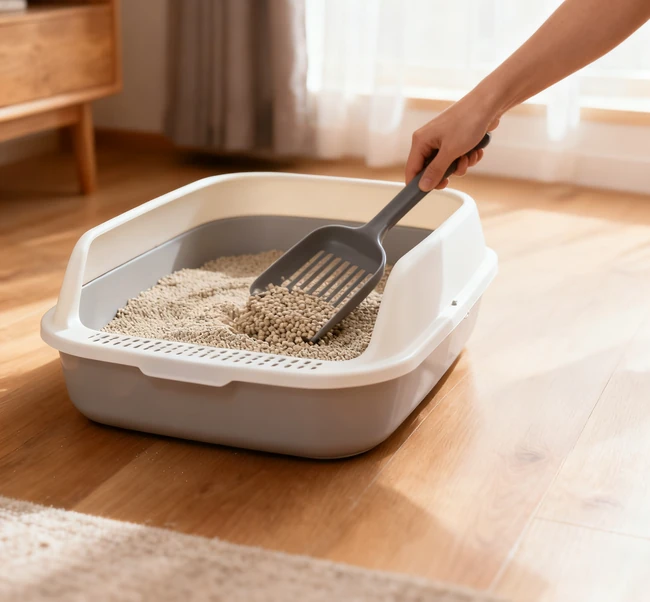
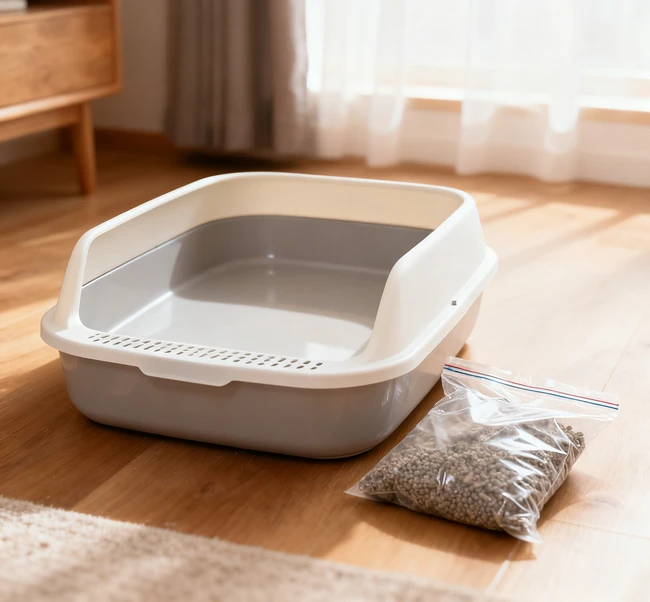
- Step 1: Scoop the waste into a small, durable bag. Biodegradable bags designed for dog waste or dedicated litter bags are excellent choices.
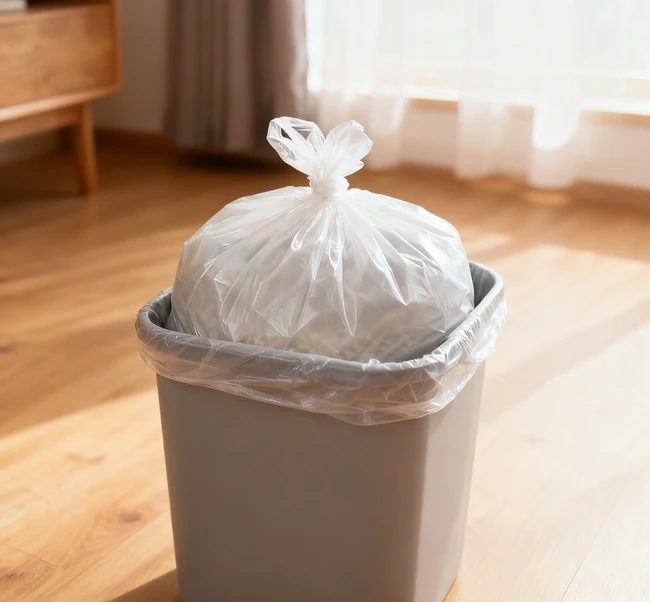
- Step 2: Tie the bag securely to contain odors and prevent leakage.
- Step 3: Place the sealed bag into your primary trash can, preferably one with a lid.
- Step 4: Take your household trash out regularly to prevent odor buildup indoors.
For more detailed steps and considerations, see our complete guide on How Should I Dispose of My Cat Litter? A Complete Guide.
2. Composting: A Cautious Approach
Composting cat litter is possible but comes with significant caveats. It should only be attempted with 100% biodegradable, plant-based litters (like paper, wood, corn, or wheat) and never with clay or silica gel crystals.
- Do not use the compost on edible plants, gardens, or any soil where food is grown.
- Use a dedicated, enclosed compost bin that is separate from your regular garden compost.
- The compost is best used for non-edible ornamental plants and flowers.
3. Flushing: The Risky Method You Should Avoid
While it may seem convenient, flushing cat litter is strongly discouraged by most plumbing and environmental experts. Even “flushable” litters can cause problems. The litter itself can clump and expand in your pipes, leading to serious blockages. More importantly, cat feces can contain Toxoplasma gondii, which most water treatment plants are not equipped to kill, leading to environmental contamination. For an in-depth look at the risks, read Is It Okay to Put Cat Litter in the Toilet? The Definitive Guide and Can You Flush Cat Poop Without Litter? The Surprising Answer.
Choosing the Right Disposal Method for Your Litter Type
Your disposal method is directly tied to the type of litter you use. Using the wrong method can damage your plumbing or harm the environment.
| Litter Type | Recommended Disposal | Methods to Avoid |
|---|---|---|
| Clumping Clay | Bag and trash | Flushing, Composting |
| Non-Clumping Clay | Bag and trash | Flushing, Composting |
| Silica Gel (Crystal) | Bag and trash | Flushing, Composting |
| Biodegradable (Corn, Wheat, Pine, etc.) | Bag and trash, Cautious Composting* | Flushing |
*See composting cautions above. To understand the different materials available, explore our guides on What is the Use of Cat Litter? A Complete Guide and What is a Litter for Cats? A Complete Guide.
Special Considerations: Apartments and Small Spaces
Disposing of litter in an apartment requires extra strategy to manage odor and space.
- Use an Odor-Locking Trash Can: Invest in a small, sealed trash can with a lid, used exclusively for litter waste.
- Double-Bagging: For extra protection, place the tied litter bag inside a second bag.
- Dispose Frequently: Don’t let used litter sit for more than a day. Take the bag directly to your building’s dumpster or trash chute daily.
- Litter Disposal Systems: Consider a dedicated litter disposal system, like the Litter Genie, which seals waste in an odor-proof cartridge. In our tests at PawLitter, we’ve found these systems to be highly effective for odor control in confined spaces.
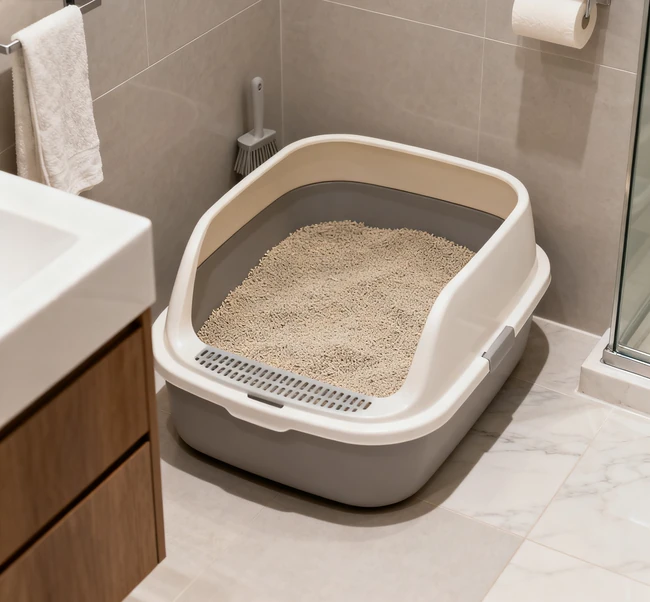
Proper litter box placement is also key in an apartment to maintain a fresh living environment.
Health and Safety Tips for Litter Disposal
Protecting yourself is just as important as protecting the environment.
- Wear Gloves: Always use disposable or reusable gloves when scooping and handling used litter.
- Wash Your Hands: Thoroughly wash your hands with soap and water after disposal, even if you wore gloves.
- Dust Control: When pouring new litter, do it slowly to minimize dust. Inhaling cat litter dust can be harmful, especially for those with respiratory issues.
- Pregnant Precautions: Pregnant women should avoid handling cat litter altogether due to the risk of toxoplasmosis.
Frequently Asked Questions (FAQs)
Can I flush cat litter if it says “flushable”?
We do not recommend it. While the litter material itself might break down, it can still cause plumbing issues, and the primary health risk from Toxoplasma gondii in the feces remains. It’s a risk to your pipes and public waterways. For a list of other common household items that should never be flushed, check out What Are Two Things You Should Never Flush Down a Toilet?.
How often should I completely change the litter?
This depends on the litter type and the number of cats. For clumping litter, you should scoop waste daily and do a full change every 2-4 weeks. For non-clumping litter, a complete change is needed more frequently, often twice a week. Always follow the manufacturer’s guidelines and trust your nose—if it smells, it’s time for a change.
Is it safe to dispose of cat litter in the garden?
No, this is not safe. Used cat litter should never be directly added to soil where you grow food or where children and pets play. The potential for parasite contamination is too high.
What is the most eco-friendly way to dispose of cat litter?
The most practical eco-friendly method is to use a biodegradable, plant-based litter and dispose of it in biodegradable bags in the trash. While composting is an option, it requires careful management and the resulting compost cannot be used on edible plants.
How does PawLitter test and evaluate litter boxes and related products?
At PawLitter, our reviews are based on real-world testing, not just specs. We test every litter box and accessory for a minimum of 30 days with real cats in a home environment. We evaluate based on odor control, ease of cleaning (which includes disposal), cat comfort, and durability. We are transparent about our affiliate partnerships and always prioritize what’s best for the cat and owner. You can explore all our PawLitter litter box reviews & guides for honest, in-depth analysis.
My cat isn’t using the litter box consistently. What should I do?
Inconsistent litter box use can be a sign of a medical issue, stress, or dissatisfaction with the box itself. First, consult a veterinarian to rule out health problems. Then, ensure you are scooping daily and disposing of waste properly to keep the box inviting. Our guide on How to Litter Train a Cat can help with retraining and troubleshooting.
Is it safe to sleep in the same room as a litter box?
While not ideal, it can be managed with rigorous cleaning. You must scoop waste immediately and ensure the room is well-ventilated. For a detailed look at the health and behavioral considerations, read Is It Safe to Sleep in a Room with a Cat Litter Box? An Expert Guide.
Related Topics
- Is It Okay to Put Cat Litter in the Toilet?
- How Should I Dispose of My Cat Litter?
- Where Should You Not Put a Litter Box?
- What is the Use of Cat Litter?
- Is Inhaling Cat Litter Dust Harmful?
Conclusion
Properly disposing of cat litter is a simple yet vital part of responsible pet ownership. By sticking to the “bag and trash” method for most litters, avoiding the toilet, and taking basic health precautions, you can keep your home clean, protect the environment, and ensure a healthy space for both you and your feline companion. Remember, the best solutions are those that work for your lifestyle while prioritizing your cat’s health and comfort. For more trusted advice and unbiased reviews on everything from self-cleaning boxes to litter box furniture, explore the comprehensive guides at PawLitter.

Related Articles
 Automatic Cat Litter Box
How to Clean a Litter Box?A Step-by-Step Guide for a Fresh, Odor-Free Home
 Automatic Cat Litter Box
The Best Clumping Cat Litters of 2025?A Comprehensive Review
 Automatic Cat Litter Box
The 7 Best Natural Cat Litters of 2025?An Expert, Tested Guide
 Automatic Cat Litter Box
How Much Cat Litter to Use?The Ultimate Guide for a Clean, Odor-Free Box
 Automatic Cat Litter Box
Can You Flush Cat Poop Without Litter?The Surprising Answer
 Automatic Cat Litter Box