



How to Get Rid of Cat Litter Smell?A Complete, Fresh-Smelling Home Guide

That unmistakable odor of the litter box is a common challenge for even the most diligent cat owners. It doesn’t have to be a permanent fixture in your home. A smelly box is often a sign that one or more elements of your litter box routine need adjustment. This comprehensive guide, informed by PawLitter’s extensive, real-world testing, will walk you through a multi-faceted strategy to eliminate cat litter smell for good, creating a more pleasant environment for both you and your feline companion.
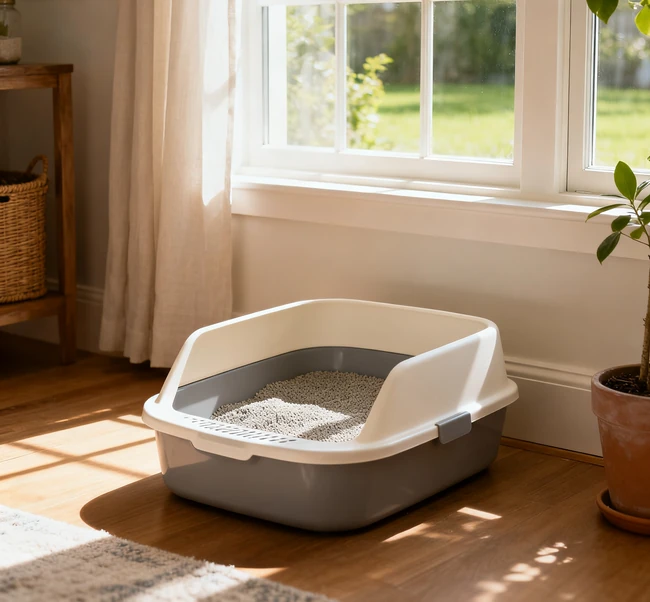
The Foundation: Daily and Weekly Maintenance
Odor control starts with consistent and proper maintenance. Skipping these fundamental steps is the most common reason for persistent smells.
The Golden Rule of Scooping
Scooping at least once, preferably twice, a day is non-negotiable. Urine and feces are the primary sources of ammonia and other foul odors. The sooner you remove them, the less time they have to saturate the litter and the box itself. For multi-cat households, even more frequent scooping may be necessary. Proper disposal is also key; learn the best methods in our guide on How Should I Dispose of My Cat Litter? A Complete Guide.
Deep Cleaning the Litter Box
Even with regular scooping, litter boxes need a thorough wash. We recommend a complete clean-out every 1-2 weeks.
- Empty all the old litter.
- Wash the box with warm water and a mild, unscented dish soap. Avoid harsh chemicals like bleach or ammonia, as their strong smells can deter your cat from using the box.
- Dry the box completely before adding fresh litter to prevent clumping at the bottom.
Choosing the Right Tools: Litter and Box Selection
The products you use play a massive role in your odor-control success.
Selecting an Odor-Fighting Cat Litter
Not all litters are created equal. The right choice can make maintenance easier and lock in odors more effectively. For a deeper dive, explore our articles on What is the Use of Cat Litter? A Complete Guide for Cat Owners and What is a Litter for Cats? A Complete Guide for Cat Owners.
| Litter Type | Odor Control Pros | Odor Control Cons |
|---|---|---|
| Clumping Clay | Excellent at forming solid clumps around waste, making it easy to remove the source of odor entirely. | Can be dusty; odor control fades if not scooped daily. |
| Silica Gel Crystals | Superb at absorbing moisture and locking in urine odor; long-lasting. | Less effective on solid waste odor; can be more expensive. |
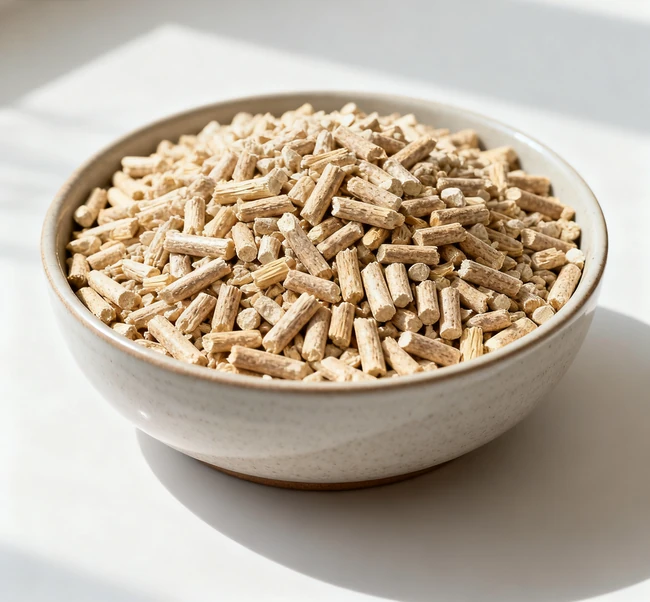
| Natural Litters (Pine, Corn, Wheat) | Often have natural enzymes that neutralize odors; low dust. | Clumping ability and odor neutralization can vary greatly by brand. |
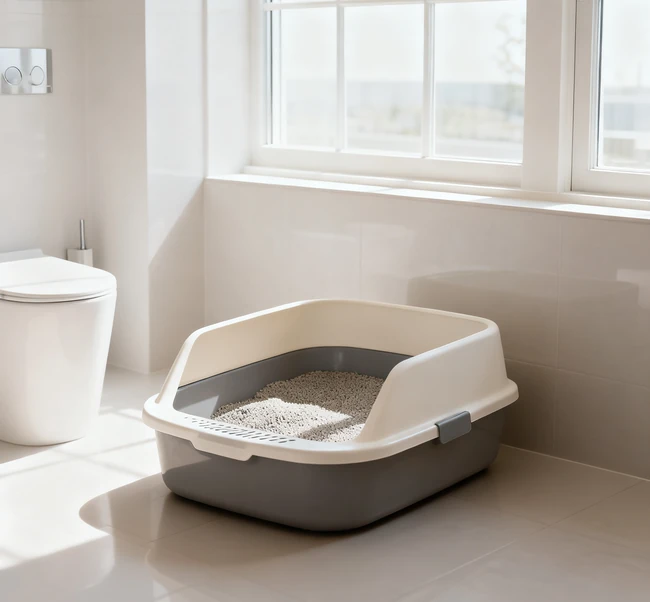
Optimizing Your Litter Box Setup
The box itself is a critical factor. Based on our testing at PawLitter, we prioritize size, style, and the number of boxes.
- Size Matters: The box should be at least 1.5 times the length of your cat. A larger surface area gives waste more room to disperse and be covered.
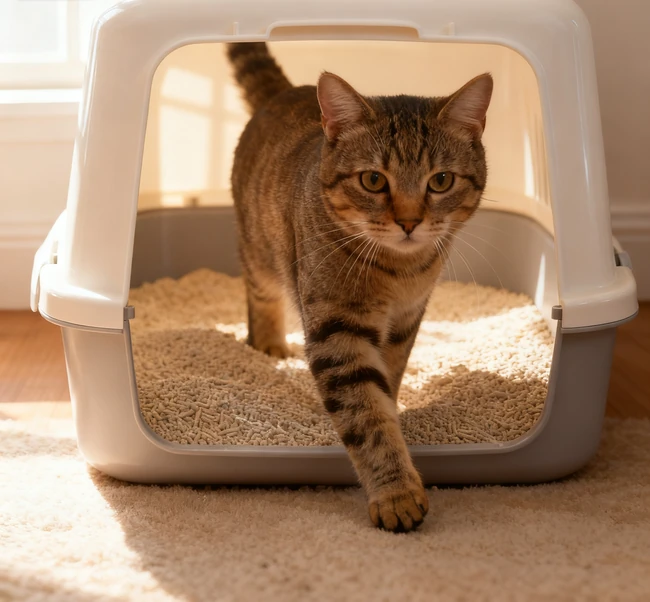
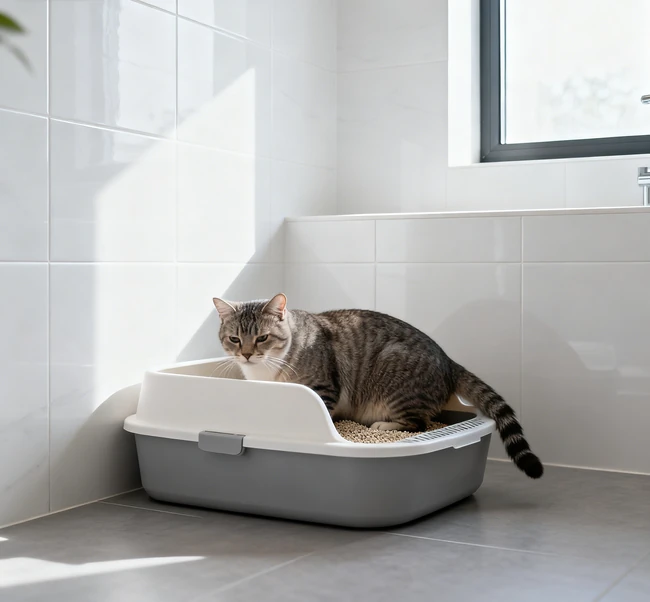
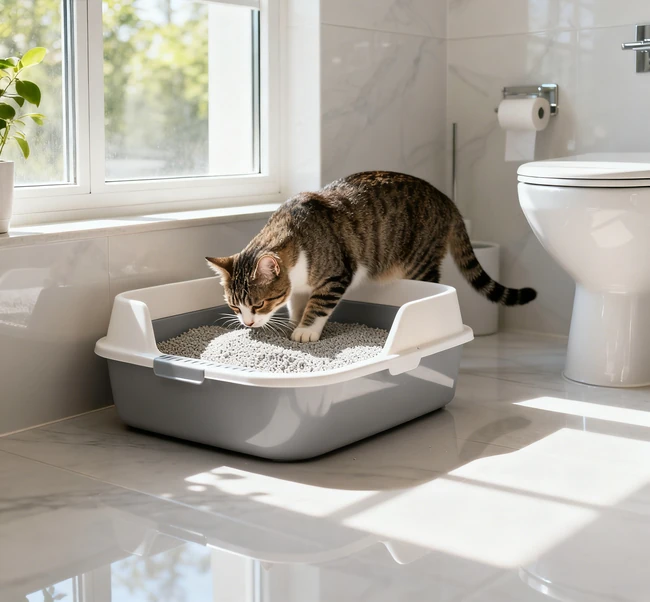
- Covered vs. Uncovered: Covered boxes can contain odors slightly but can also trap smells inside, creating an overwhelming experience for your cat when they enter. They also concentrate cat litter dust, which is a health consideration. An open, high-sided box is often a better compromise.
- The “N+1” Rule: The general rule is to have one litter box per cat, plus one extra. This prevents overuse and gives you more opportunities to manage waste.
Strategic Placement and Environmental Control
Where you put the litter box can either help or hinder your odor control efforts.
Choosing the Right Location
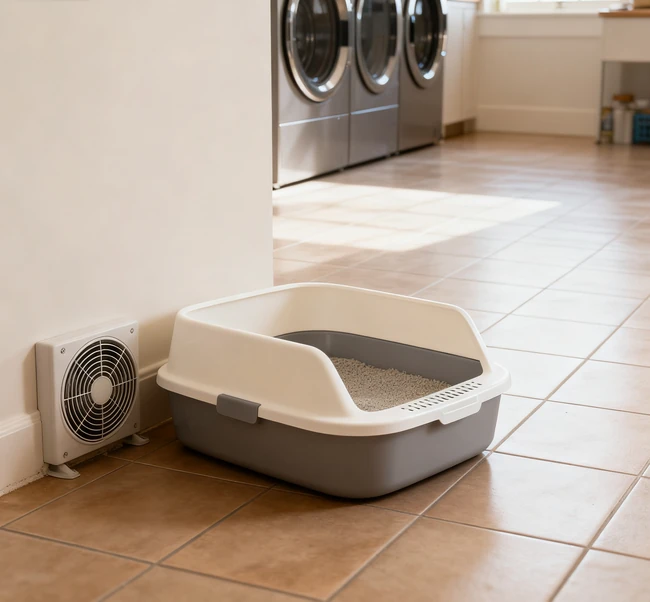
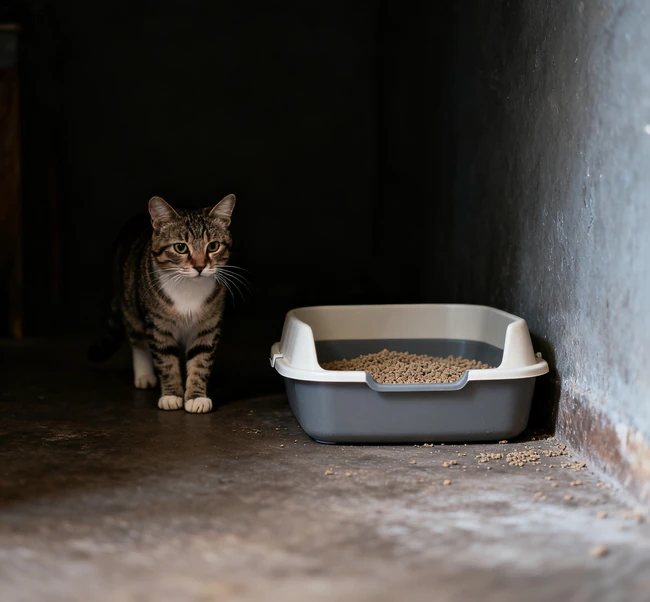
Place the box in a quiet, low-traffic, but easily accessible area. Avoid damp, humid areas like basements or laundry rooms, as moisture can amplify smells. Crucially, ensure the location is far from your cat’s food and water bowls. For a full list of locations to avoid, check out Where Should You Not Put a Litter Box? The Ultimate Guide to Bad Placement.
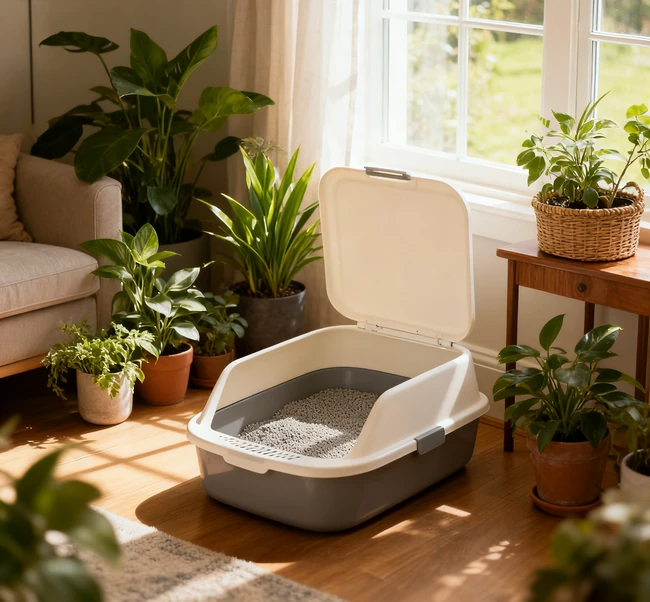
Improving Airflow and Using Neutralizers
Good ventilation is your ally.
- Open a window near the box when possible.
- Use an air purifier with a HEPA and carbon filter to capture dust and neutralize odor molecules.
- Avoid scented litters or plug-in air fresheners. These strong perfumes don’t eliminate odor; they just mask it and can be offensive to your cat’s sensitive nose, potentially leading to them avoiding the box. This is a key point in our discussion on Is It Safe to Sleep in a Room with a Cat Litter Box? An Expert Guide.
Advanced Solutions for Stubborn Odors
If you’ve mastered the basics and still have issues, consider these next-level strategies.
Litter Box Furniture and Enclosures
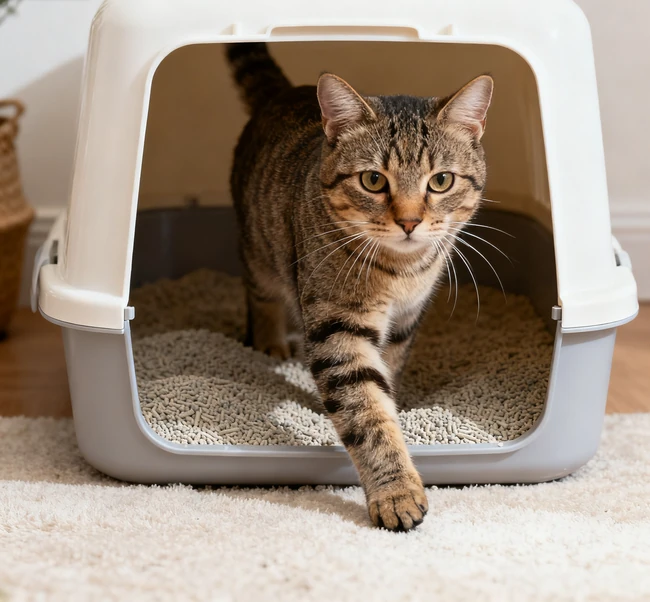
These pieces are designed to hide the litter box while often incorporating ventilation systems like carbon filters to actively pull smells out of the air. In our PawLitter reviews, we test how effective these built-in filtration systems truly are.
Self-Cleaning Litter Boxes
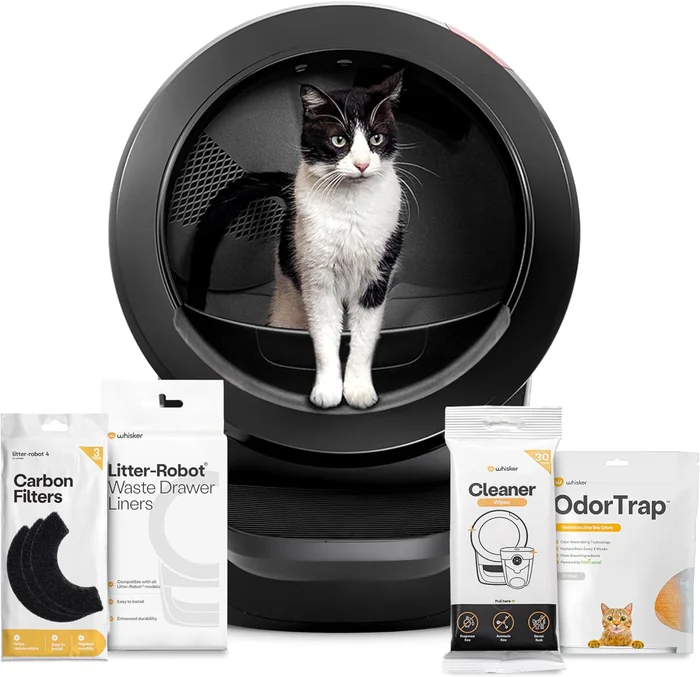
An automatic litter box can be a game-changer for odor control. By removing waste minutes after your cat uses the box, it drastically reduces the time odors have to develop. We rigorously test these for reliability, cat acceptance, and, of course, their odor containment in our Pawlitter litter box reviews & guides.
Baking Soda and Natural Additives
Sprinkling a thin layer of plain baking soda at the bottom of the litter box (under the litter) can help absorb odors. There are also commercial litter additives made with natural enzymes that break down the odor-causing compounds in urine.
Addressing the Source: Your Cat’s Health
Sometimes, a persistent, unusually strong odor is a red flag for an underlying health issue.
- Diet: The quality of your cat’s food can affect the smell of their waste.
- Medical Conditions: Urinary tract infections (UTIs), kidney problems, or digestive issues can cause particularly foul-smelling urine or feces. If you notice a sudden, strong change in odor, a vet visit is essential.
Furthermore, if your cat isn’t using the box consistently, it could be a training or behavioral issue. Our guide on How to Litter Train a Cat? A Stress-Free Guide can help.
Frequently Asked Questions
Why does my house still smell like cat litter even after I clean the box?
This usually points to a deeper issue. The smell may have soaked into the floor or wall near the box, or the litter box itself may be made of porous plastic that has absorbed odors over time. Try replacing an old box and cleaning the surrounding area with an enzymatic cleaner. Also, reassess your litter box placement and ventilation.
Is it safe to use bleach to clean my cat’s litter box?
It’s not recommended. The strong smell of bleach can be off-putting to cats and may cause them to avoid the box. Furthermore, ammonia (a component of urine) can react with bleach to create toxic gases. Stick with mild, unscented dish soap and hot water for routine cleaning.
Can I flush cat litter or poop to get rid of it?
This is generally a bad idea. Most cat litters, especially clay and clumping varieties, are not designed to break down in water and can cause serious plumbing blockages. Even “flushable” litters can be problematic for septic and municipal systems. More importantly, cat feces can contain a parasite called Toxoplasma gondii which is not effectively removed by all water treatment plants. We strongly advise against it. For more information, read Is It Okay to Put Cat Litter in the Toilet? The Definitive Guide and Can You Flush Cat Poop Without Litter? The Surprising Answer.
How does PawLitter test litter boxes and related products for odor control?
At PawLitter, we believe in real-world results. We test every litter box and accessory for a minimum of 30 days in a home environment with actual cats. Our evaluation for odor control includes: how well the product contains smells during use, the ease of removing waste (which directly impacts odor), the effectiveness of any built-in filters, and the product’s overall cleanability. We maintain a strict policy of honesty and transparency in all our reviews, clearly disclosing any affiliate relationships.
What is the single most effective thing I can do to reduce litter smell?
Without a doubt, scooping the litter box at least twice daily. Consistently and promptly removing the waste at its source is the most impactful step any cat owner can take.
Are scented litters or litter deodorizers a good solution?
Typically, no. While they may seem like a quick fix, these heavily perfumed products often create an overwhelming mix of perfume and waste odor that is unpleasant for both humans and cats. A cat’s sense of smell is far more sensitive than ours, and these strong scents can deter them from using the box. It’s better to eliminate the odor source through cleaning than to mask it.
Related Topics
- What Are Two Things You Should Never Flush Down a Toilet?(And 10 More That Cause Havoc)
- Is It Safe to Sleep in a Room with a Cat Litter Box? An Expert Guide
- How to Litter Train a Cat? A Stress-Free Guide for Kittens and Adult Cats
- Where Should You Not Put a Litter Box? The Ultimate Guide to Bad Placement
- What is the Use of Cat Litter? A Complete Guide for Cat Owners
Conclusion
Banishing cat litter smell is an achievable goal that relies on a consistent, multi-pronged approach. By combining diligent daily scooping, the right choice of litter and box, strategic placement, and a clean environment, you can maintain a fresh-smelling home that both you and your cat will enjoy. Remember, the best solution is one that works for your lifestyle while also respecting your cat’s comfort and instincts. For more in-depth, unbiased reviews and guides to help you choose the perfect litter box solution, explore the wealth of information available at PawLitter.

Related Articles
 Automatic Cat Litter Box
Where Should You Not Put a Litter Box?The Ultimate Guide to Bad Placement
 Automatic Cat Litter Box
What is a Litter for Cats?A Complete Guide for Cat Owners
 Automatic Cat Litter Box
The 7 Best Natural Cat Litters of 2025?An Expert, Tested Guide
 Automatic Cat Litter Box
How Often Should You Clean a Litter Box?The Ultimate Guide
 Automatic Cat Litter Box
Cat Litter Box Smells Bad? Your Ultimate Guide to a Fresher Home
 Automatic Cat Litter Box