





How to Stop Cat Litter Tracking for Good?The Ultimate Guide

Understanding Why Litter Tracks
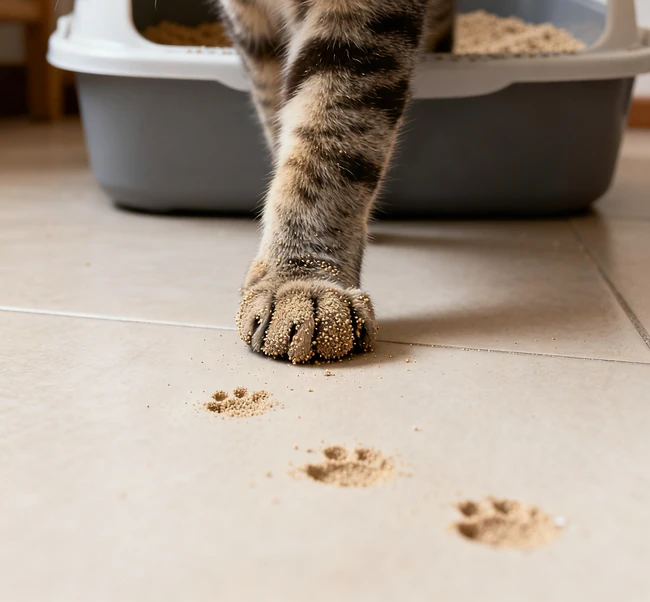
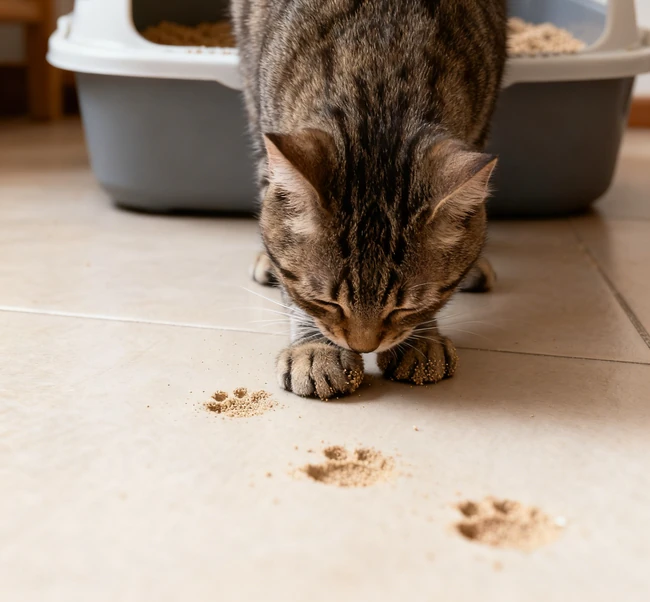
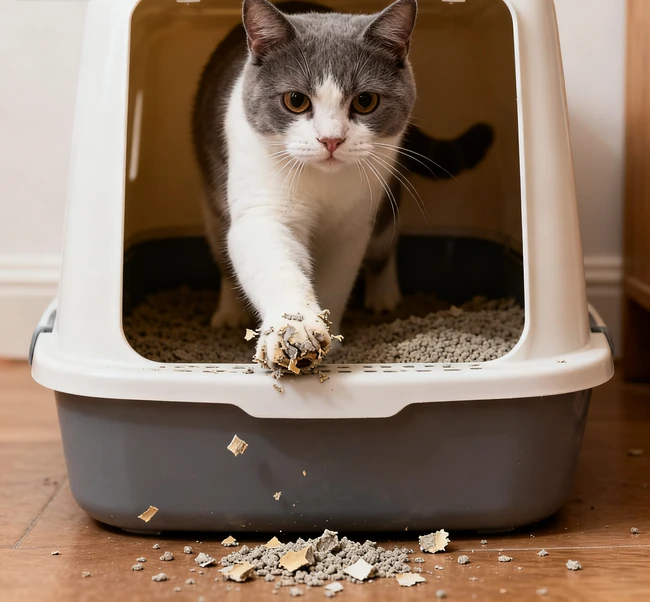
Before we can solve the problem, it helps to understand its root causes. Litter tracking happens for a few key reasons. The texture and granule size of the litter play a major role; lightweight, small, or irregularly shaped pieces are more easily kicked out and carried on paws. Your cat’s exit behavior is another factor—some cats leap out dramatically, while others take their time, both scattering litter. Finally, the design and placement of the litter box itself can either contain the mess or contribute to it.
Top 7 Strategies to Stop Cat Litter Tracking
Combating litter tracking requires a multi-pronged approach. By combining a few of these strategies, you can create a robust defense system against stray litter granules.
1. Invest in a High-Quality Litter Mat
This is your first and most crucial line of defense. A good litter mat is designed to capture granules from your cat’s paws as they exit the box.
- Choose the Right Type: Look for mats with a textured, “honeycomb” or mesh surface. These trap the litter effectively.
- Go for Size: Don’t buy a tiny mat. It should be large enough for your cat to take several steps on, allowing maximum litter dislodgement.
- Placement is Key: Position the mat directly outside the litter box entrance, extending it in the direction your cat typically travels.
2. Switch to a Better Litter Type
The litter you use makes a world of difference. In our testing at PawLitter, we’ve found that some litters are inherently less prone to tracking.
- Heavier, Larger Pellet Litters: Paper, wood, or corn-based pellets are larger and heavier, making them harder to kick out and less likely to stick to paws.
- Low-Tracking Clumping Litters: Many brands now offer “low-tracking” or “low-dust” formulas with slightly larger, more uniform granules.
- Avoid Lightweight Litters: While popular for their ease of carrying, lightweight litters are the worst offenders for tracking because their small, light particles are easily carried on paws and float in the air.
3. Upgrade Your Litter Box Design
The box itself can be part of the solution. Through our hands-on reviews, we evaluate how different designs impact tracking.
- Top-Entry Litter Boxes: These are the gold standard for reducing tracking. Cats must jump in and out, and the lid acts as a built-in tracking mat, causing most litter to fall back into the box.
- High-Sided or Covered Boxes: These contain litter kick-out more effectively than low-sided, open pans. Ensure the entry hole is comfortable for your cat to use.
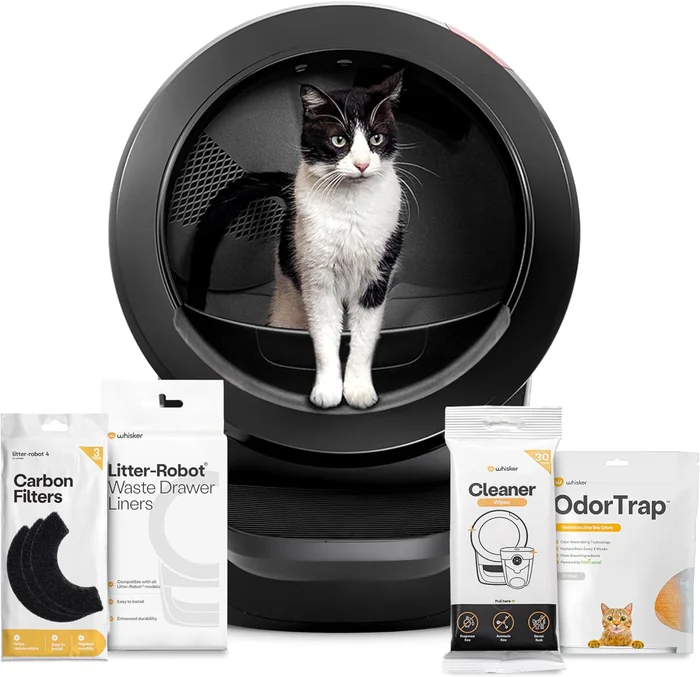
- Self-Cleaning Litter Boxes: Many high-end self-cleaning litter boxes feature enclosed designs and special entry/exit ramps that help remove litter from paws.
4. Create a “Litter Zone” with Rugs and Flooring
If a mat isn’t enough, consider the flooring around the box. A short, low-pile rug or a different type of flooring in the litter area can act as a secondary trap and make cleanup easier.
5. Ensure Proper Litter Depth
It might seem counterintuitive, but too much litter can increase tracking. Cats will dig more vigorously, flinging litter over the sides. Most cats are comfortable with 2-3 inches of litter, which is enough for digging and clumping without being excessive.
6. Strategic Litter Box Placement
Where you place the box matters. Putting it on a hard, easy-to-sweep surface like tile or vinyl is better than placing it on carpet. You can also place the box in a less-trafficked area to contain the mess, while still ensuring it’s a location your cat finds acceptable.
7. Regular Grooming for Your Cat
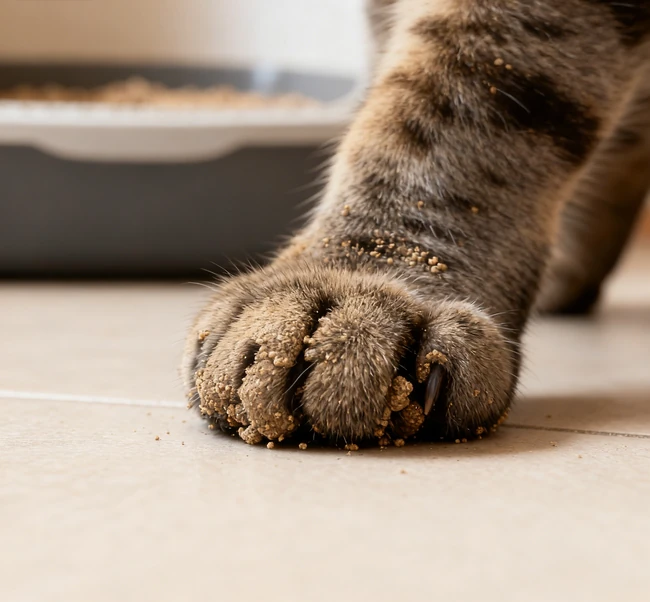
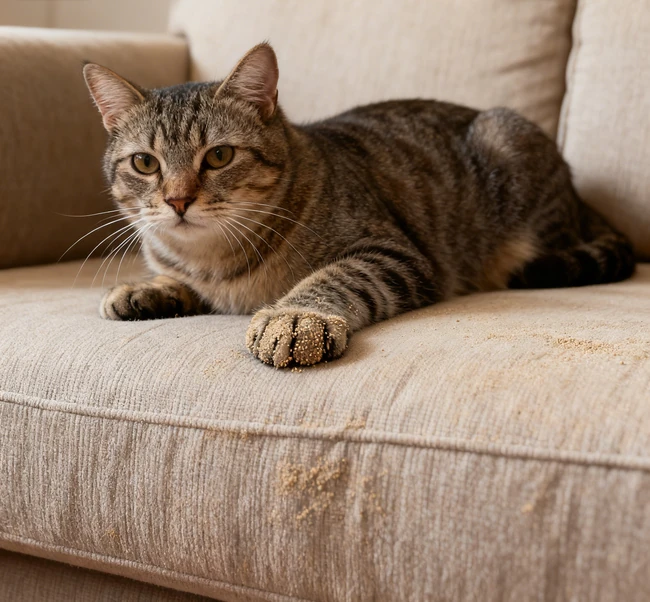
For cats with long hair or “toe feathers,” litter can get stuck between their paw pads. Regular brushing and occasional gentle trimming of the hair around their paws can minimize how much litter they can carry with them.
Litter Type Comparison for Tracking
| Litter Type | Tracking Potential | Key Consideration |
|---|---|---|
| Lightweight Clumping | Very High | Extremely small, light granules are easily carried on paws. |
| Standard Clumping Clay | Moderate to High | Small granules can track, but heavier than lightweight versions. |
| Silica Crystal | Low to Moderate | Larger, heavier beads don’t stick to paws as easily. |
| Paper/Wood Pellets | Low | Large, heavy pellets rarely stick to paws or get kicked far. |
Frequently Asked Questions
What is the #1 best way to stop litter tracking?
There is no single magic bullet, but the most effective combination is using a top-entry litter box with a high-quality litter mat placed directly outside it. This two-step system captures the vast majority of litter before it can spread.
Does a covered litter box help with tracking?
Yes, a covered litter box can help contain litter that is kicked up during digging and burying. However, litter can still be tracked out through the entrance. For best results, pair a covered box with a litter mat.
Why is my cat suddenly tracking more litter?
A sudden change could be due to a new type of litter, a different litter box, or a change in your cat’s behavior or health. If you’ve recently switched to a lightweight litter, that is the most likely culprit. If no changes have been made, consult your veterinarian to rule out any mobility issues affecting how your cat exits the box.
Are there any litters that don’t track at all?
No litter is 100% track-free. However, litters made from larger, heavier materials like paper pellets or wood chips come the closest, as their size and weight make them difficult to carry on paws.
How does PawLitter test products for tracking and other factors?
At PawLitter, we believe in real-world results. We test every litter box and accessory for a minimum of 30 days with real cats in a home environment. Our evaluation for tracking involves monitoring the litter spread on different flooring types, assessing how well mats contain the mess, and observing our cats’ comfort and ease of use. We are transparent about our affiliate relationships and always prioritize the cat’s wellbeing and the owner’s convenience in our unbiased reviews.
Conclusion
Stopping cat litter tracking is an achievable goal that requires a thoughtful approach to your litter, your litter box, and your home setup. By implementing even a few of these strategies—like investing in a top-entry box, a quality mat, or a lower-tracking litter—you can reclaim your clean floors. Remember, the best solution is one that works for both you and your feline companion. For more in-depth, hands-on reviews and guides to help you find the perfect setup, explore the comprehensive resources available at PawLitter.

Related Articles
 Automatic Cat Litter Box
Self Cleaning Litter Box Worth It?An Honest Review for Cat Owners
 Automatic Cat Litter Box
Cat Litter Box Smells Bad? Your Ultimate Guide to a Fresher Home
 Automatic Cat Litter Box
How to Stop Cat Litter Tracking?The Ultimate Guide for a Cleaner Home
 Automatic Cat Litter Box
Is It Okay to Put Cat Litter in the Toilet?The Definitive Guide
 Automatic Cat Litter Box
The Ultimate Guide to the Best Flushable Cat Litters in 2024
 Automatic Cat Litter Box