





How to Stop Cat Litter Tracking?The Ultimate Guide for a Cleaner Home

You love your cat, but you probably don’t love the trail of gritty litter they leave from their box to your couch, bed, and beyond. Cat litter tracking is one of the most common frustrations for pet owners, turning a clean home into a sandy landscape. The good news is that it’s a solvable problem. This comprehensive guide from the experts at PawLitter will walk you through a multi-pronged strategy, combining the right products, smart placement, and simple habits to finally win the battle against tracked litter.
Understanding the Root of the Problem
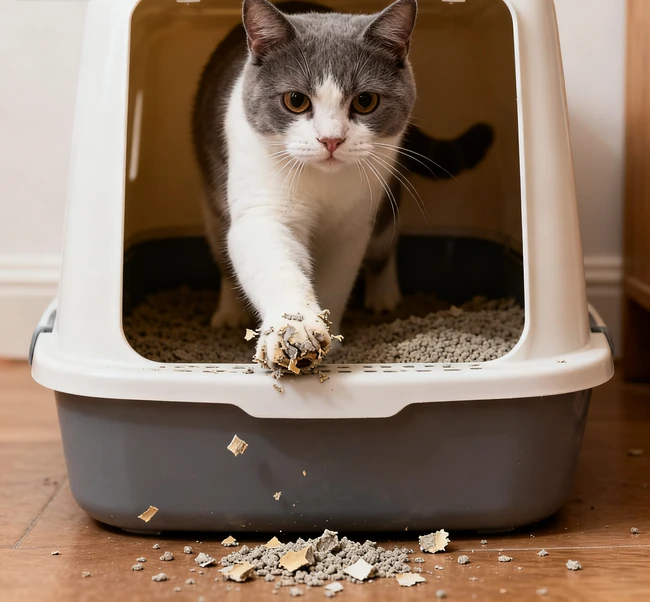
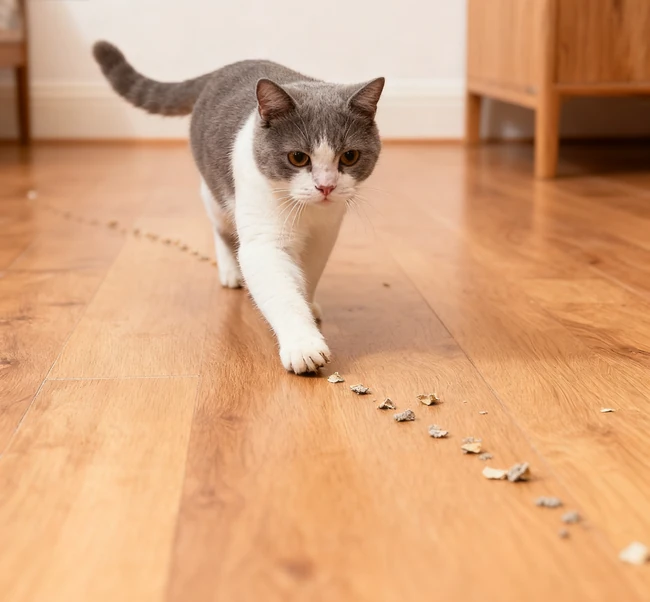
Before we dive into solutions, it’s helpful to understand why litter tracking happens. It’s not a behavioral issue; it’s a simple matter of physics. Your cat’s paws have tiny crevices and fur between their toes that naturally trap litter granules. When they exit the box, these particles fall off as they walk. The type of litter, the box design, and even your cat’s grooming habits all play a role. The goal isn’t to stop your cat from using the box, but to intercept the litter before it spreads.
Strategy 1: Choose the Right Litter to Minimize Tracking
The type of cat litter you use is the single biggest factor in tracking. Some litters are inherently more “trackable” than others. Through our hands-on testing at PawLitter, we’ve found that low-dust, larger-grained litters consistently perform better.
Litter Types and Their Tracking Potential
| Litter Type | Tracking Potential | Pros & Cons |
|---|---|---|
| Lightweight Clumping Clay | High | Extremely lightweight granules are easily kicked out and carried on paws. |
| Standard Clumping Clay | Medium-High | Common and affordable, but smaller particles can still track easily. |
| Pine Pellets | Low | Large, heavy pellets don’t stick to paws well. They break down into sawdust when wet. |
| Silica Gel Crystals | Medium | Crystals are lightweight but larger and round, so they tend to roll rather than stick. Excellent for odor control. |
| Corn or Walnut Litter | Medium | Often mid-sized granules. Can track but may be heavier than lightweight clay. |
If tracking is your primary concern, switching to a low-tracking litter like pine pellets or larger crystal litter can make a dramatic difference. Remember, a key part of litter maintenance is proper disposal; learn the best methods in our guide on How Should I Dispose of My Cat Litter? A Complete Guide.
Strategy 2: Invest in a High-Sided or Top-Entry Litter Box
Where the litter box itself can help! A basic, low-sided pan gives litter an easy exit route. Upgrading your box is a highly effective way to contain the mess.
- High-Sided Boxes: These have walls that are 8 inches or higher, which helps contain litter when your cat digs and covers. They are a great middle-ground option that most cats accept easily.
- Top-Entry Boxes: These are the gold standard for tracking control. Your cat jumps in and out through a hole in the top. As they exit, most of the litter on their paws falls off and back into the box through the grated lid. In our testing, these reduce tracking by up to 90%.
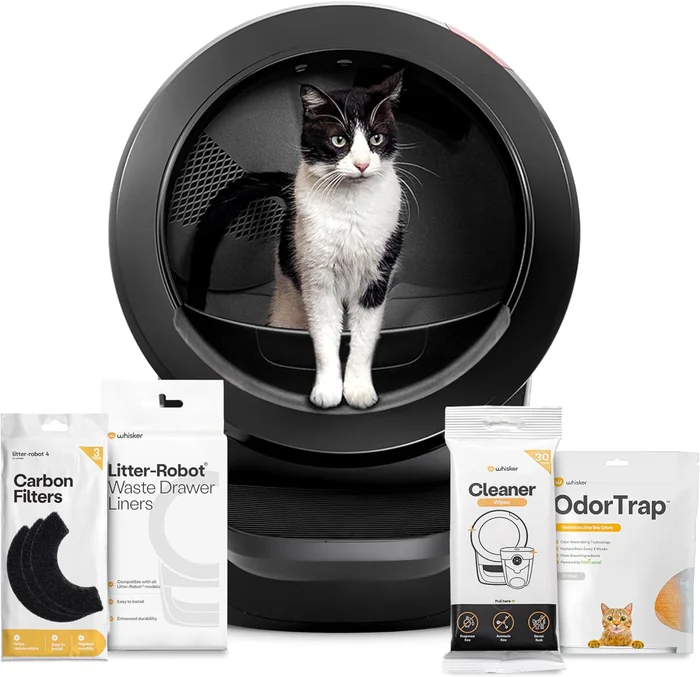
- Self-Cleaning Boxes: Many self-cleaning litter boxes feature high walls and a clean stepping area after the rake has cleared waste, minimizing what sticks to paws.
Placement is also critical. A poorly placed box can lead to avoidance and accidents. For guidance, see our article on Where Should You Not Put a Litter Box? The Ultimate Guide to Bad Placement.
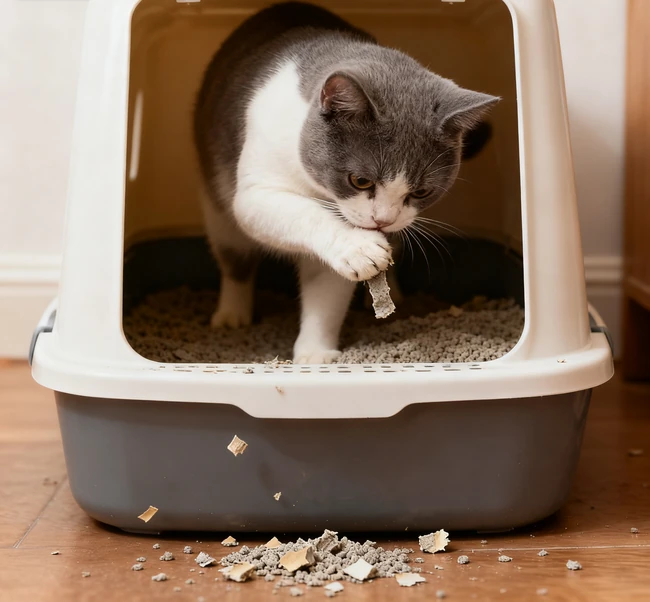
Strategy 3: Deploy Litter Trapping Mats Strategically
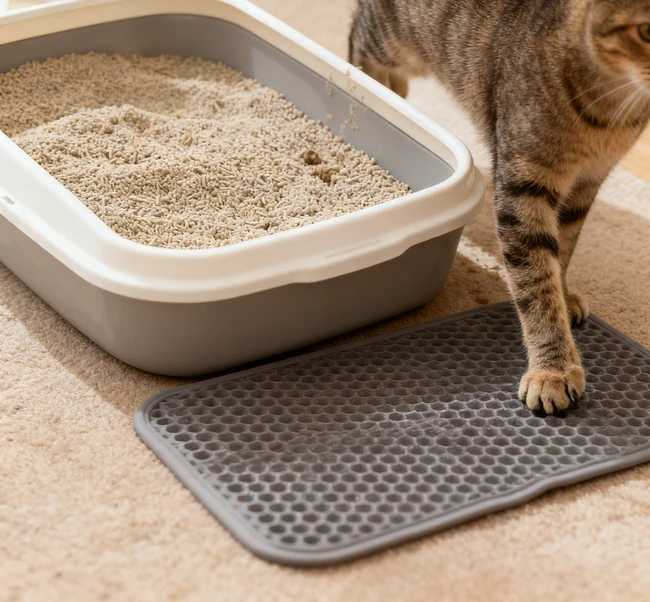
This is your first line of defense right outside the box. A good litter mat captures granules from your cat’s paws as they exit.
- Choose the Right Mat: Look for mats with a textured, “honeycomb” or mesh surface. These are designed to trap litter underneath the surface, keeping it off your floors and off your cat’s paws on the return trip.
- Size Matters: The mat should be large enough for your cat to take at least 3-4 steps on it. This gives them enough space to wipe their paws clean.
- Placement is Key: Position the mat immediately outside the litter box exit. For best results, some owners use a two-mat system: a coarse mat right outside the box, followed by a softer, larger runner.
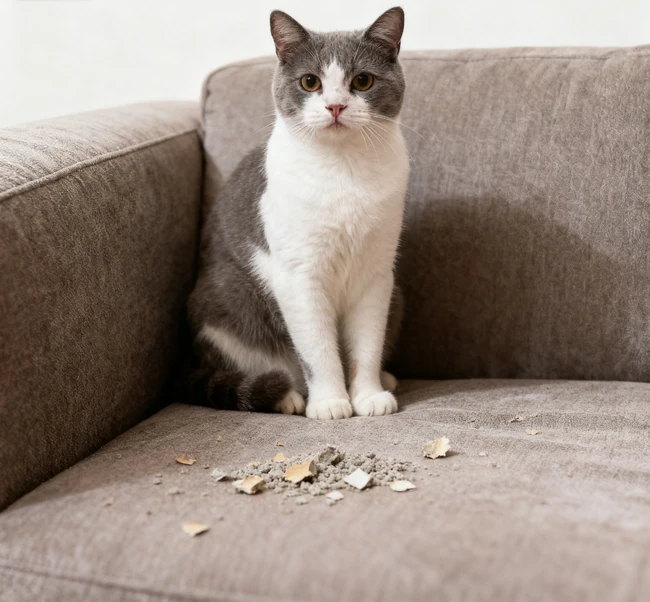
Strategy 4: Optimize Your Litter Box Setup and Maintenance
Sometimes, the solution lies in your routine. A well-maintained box encourages neat habits.
Proper Litter Depth
Too much litter is a major culprit for tracking. Cats only need about 2-3 inches of litter to dig and cover comfortably. Any deeper, and they’ll kick out far more excess. If you’re struggling with litter dust, pouring slowly and using a litter with low dust can also improve air quality.
Regular Scooping and Cleaning
A clean box is a more inviting box. If the litter is saturated and dirty, your cat may rush in and out, kicking up more litter in the process. Scoop at least once daily and do a full litter change and box wash regularly. For new cat owners, establishing good habits starts with proper litter training.
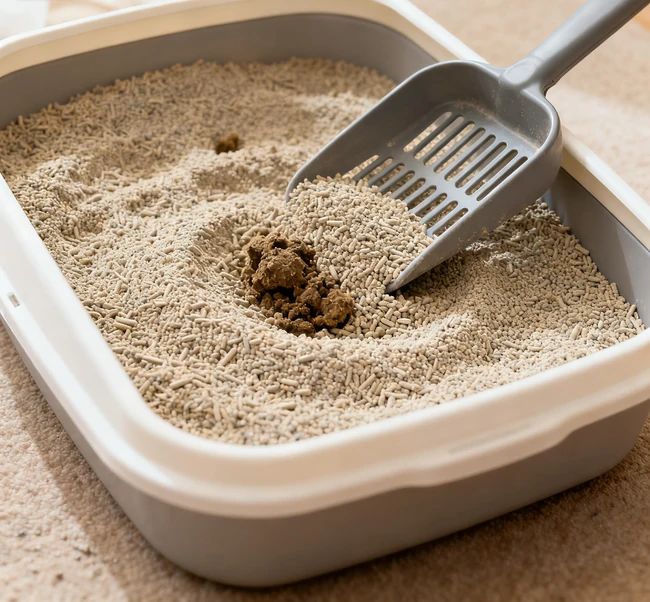
Strategy 5: Consider an Enclosure or Furniture Solution
For those who want to hide the box and control tracking, a litter box enclosure or piece of litter box furniture is a perfect solution. These cabinets or benches disguise the litter box as a functional piece of furniture.
The enclosed space acts as a “airlock,” containing almost all the litter within the furniture itself. Your cat walks through the entrance, and any litter that falls off is contained on the floor of the enclosure, which typically has a built-in mat. This is also an excellent solution for multi-cat households needing a dedicated space for their boxes.
Frequently Asked Questions (FAQs)
What is the #1 best way to stop litter tracking?
There is no single magic bullet, but the most effective combination is using a low-tracking litter (like pine pellets or crystals) inside a top-entry litter box, with a high-quality trapping mat placed directly outside it. This three-layer defense tackles the problem at the source, in the box, and at the exit point.
Is it safe to use a top-entry box for my kitten or senior cat?
You must consider your cat’s mobility. Kittens, very small cats, elderly cats, or those with arthritis may struggle to jump in and out of a top-entry box. For these cats, a high-sided, low-entry box is a much safer and more comfortable alternative that still helps control tracking.
Can I just put a rug down instead of a special mat?
While a rug is better than nothing, it’s not as effective. Litter will sit on top of a rug’s fibers and get ground in, making it harder to clean. A dedicated litter mat is designed to trap litter below the walking surface, keeping it contained and easy to shake or vacuum out.
How does PawLitter test and evaluate litter boxes for tracking?
At PawLitter, our reviews are based on real-world testing, not just specs. We use each litter box with real cats in a home environment for a minimum of 30 days. We evaluate tracking by placing a dark mat outside the box and monitoring the amount and distance litter travels. We also assess ease of cleaning, odor control, and most importantly, cat acceptance and comfort. We are transparent about our affiliate partnerships and always prioritize the cat’s wellbeing in our recommendations.
Is tracking linked to a health problem?
Typically, no. Litter tracking is a normal, mechanical issue. However, if you notice a sudden change in your cat’s litter box habits combined
Is it safe to have a litter box in my bedroom?
While sometimes necessary, it’s not ideal. Beyond tracking, you have to consider dust and odor. For a deep dive on the health and practical implications, read our expert guide: Is It Safe to Sleep in a Room with a Cat Litter Box?
Can I flush the litter that I sweep up?
Absolutely not. Even so-called “flushable” litters can cause serious plumbing blockages and damage septic systems. Cat waste can also contain parasites harmful to marine life. The only safe way to dispose of litter is in the trash. For more on this, see our definitive articles: Is It Okay to Put Cat Litter in the Toilet? and Can You Flush Cat Poop Without Litter?
Related Topics
- How to Litter Train a Cat
- Best Litter Box Placement
- What Not to Flush Down a Toilet
- Is Cat Litter Dust Harmful?
- Best Self-Cleaning Litter Boxes
Conclusion
Stopping cat litter tracking isn’t about finding one miracle product, but about implementing a smart system that works for you and your cat. By combining the right type of litter, a strategic litter box design, effective mats, and consistent maintenance, you can reclaim your clean floors. Remember, the best solution is one that your cat will happily use. For more in-depth reviews and trusted advice on creating the perfect bathroom environment for your feline friend, explore the comprehensive guides and unbiased testing at Pawlitter.
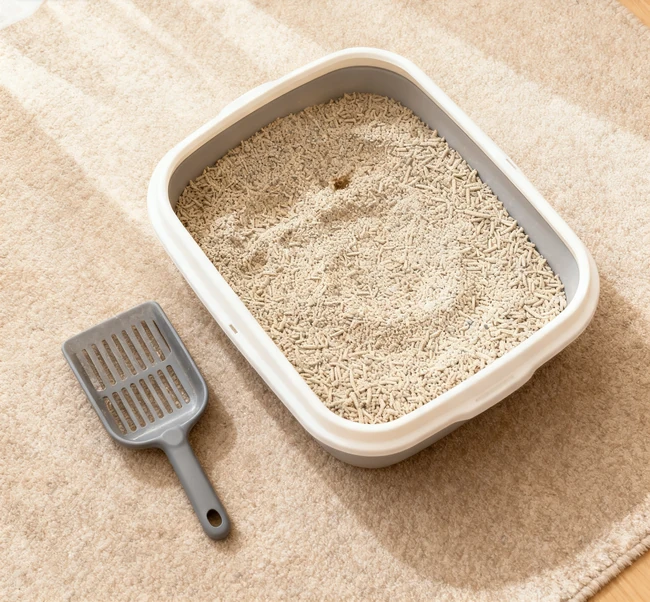

Related Articles
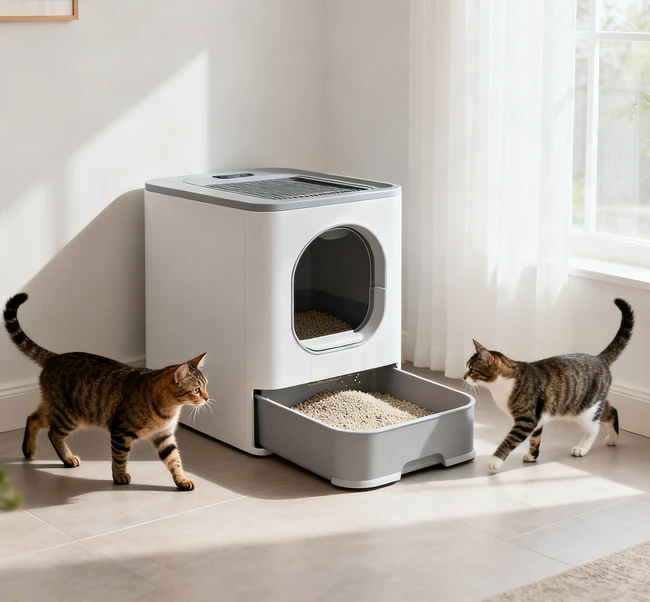 Automatic Cat Litter Box
The Ultimate Guide to Finding the Best Litter Box for Multiple Cats
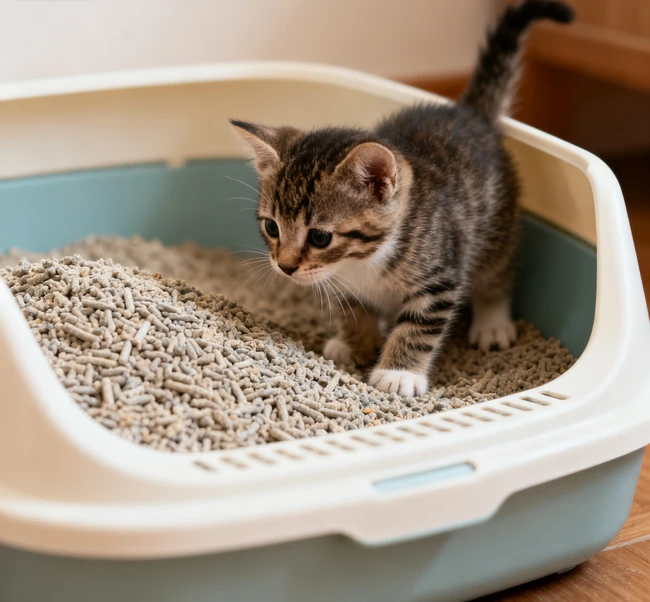 Automatic Cat Litter Box
Best Cat Litters for Kittens?A Vet-Reviewed Guide for New Pet Parents
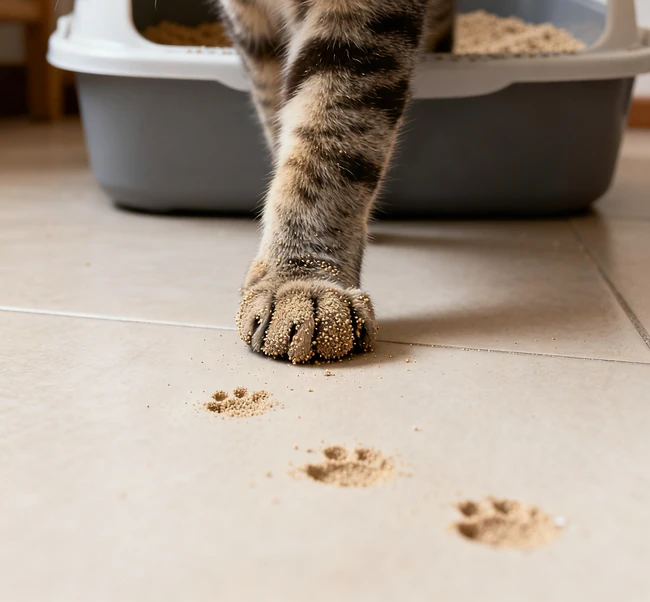 Automatic Cat Litter Box
How to Stop Cat Litter Tracking for Good?The Ultimate Guide
 Automatic Cat Litter Box
The Best Cat Litters for Multiple Cats?An Unbiased 2024 Guide
 Automatic Cat Litter Box
How Many Litter Boxes Per Cat?The Ultimate Guide for a Happy Home
 Automatic Cat Litter Box