






How to Tell If a Cat Is Sick? A Comprehensive Guide for Concerned Pet Parents

The 10 Most Common Signs Your Cat Might Be Sick
While some symptoms are obvious, others are easy to miss in a busy household. Pay close attention to any changes in your cat’s normal routine, behavior, or appearance. Here are the key areas to monitor.
1. Changes in Appetite and Thirst
A sudden increase or decrease in appetite or water consumption is a major red flag.
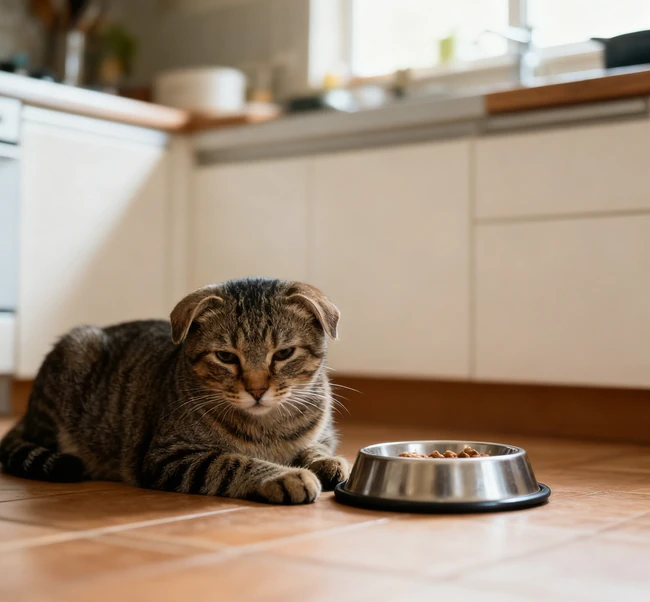
- Decreased Appetite (Anorexia): Refusing food for more than 24 hours is a serious concern and can lead to a life-threatening liver condition called hepatic lipidosis.
- Increased Appetite: Can signal conditions like diabetes, hyperthyroidism, or intestinal parasites.
- Increased Thirst (Polydipsia): Drinking noticeably more water is a classic sign of kidney disease, diabetes, or thyroid issues.
2. Changes in Litter Box Habits
The litter box is a treasure trove of health information. Any deviation from your cat’s normal routine warrants attention.
- Straining to Urinate: This is a medical emergency, especially in male cats, as it could indicate a urinary blockage.
- Urinating Outside the Litter Box: This is often a cat’s way of telling you something is wrong, from a UTI to arthritis making it painful to enter the box. For a deep dive into this common issue, see our guide on Why Is My Cat Not Using the Litter Box?
- Changes in Stool: Diarrhea, constipation, or the presence of blood or mucus should be noted.
At PawLitter, we often find that a cat’s avoidance of the litter box is the first clue for many owners that a health problem exists. Ensuring you have a Best Cat Litter Box that is clean, accessible, and comfortable is the first step in ruling out behavioral causes.
3. Lethargy and Hiding
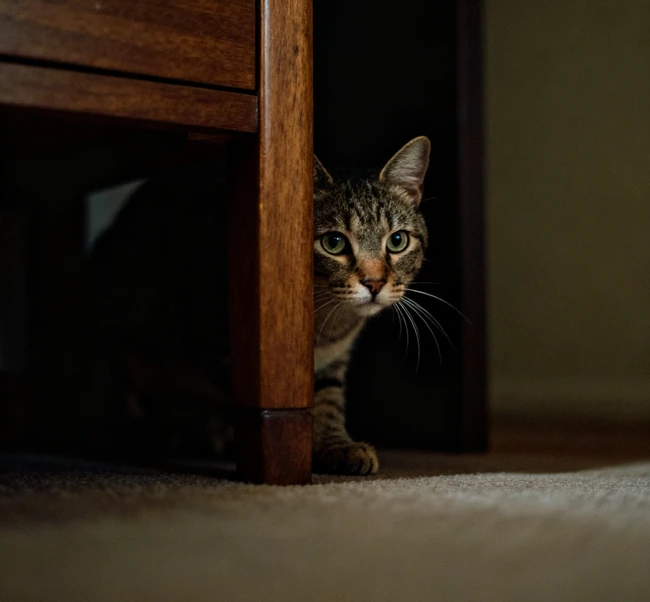
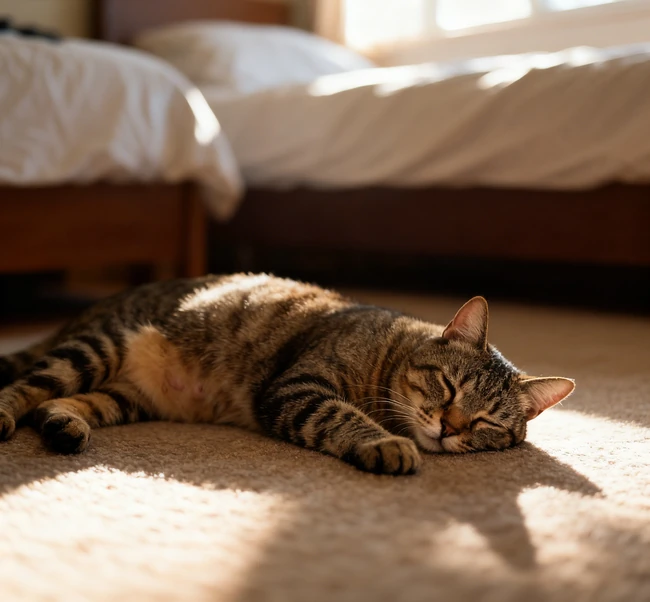
If your typically playful cat is suddenly sleeping all day, seems weak, or is actively hiding in closets or under furniture, it’s a strong sign they aren’t feeling well. A lack of interest in their favorite toys or activities is a key behavioral change.
4. Changes in Grooming Habits
Cats are fastidious groomers. A change in this habit is very telling.
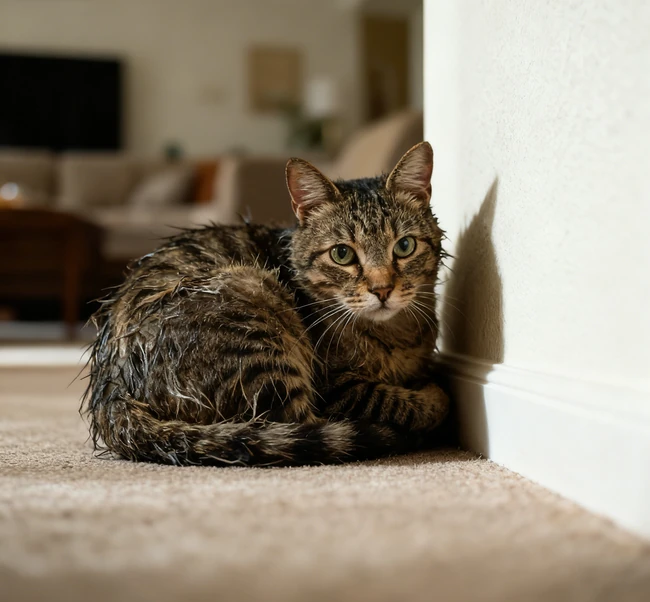
- Decreased Grooming: A matted, greasy, or unkempt coat can indicate pain (like from arthritis), obesity, or systemic illness.
- Over-grooming: Excessive licking, chewing, or pulling out fur can signal allergies, skin parasites, or pain at a specific site.
5. Vocalization Changes
Listen to your cat. A usually quiet cat that becomes vocal, or a chatty cat that becomes silent, may be trying to communicate discomfort or distress.
6. Bad Breath
While cat breath isn’t meant to smell minty fresh, exceptionally foul breath can indicate dental disease, which can lead to bacteria entering the bloodstream and affecting the heart and kidneys.
7. Vomiting or Regurgitation
An occasional hairball is normal, but frequent vomiting, especially if it contains blood or is projectile, is not. It’s important to distinguish between vomiting (active heaving) and regurgitation (passive expulsion of undigested food).
8. Changes in Weight
Sudden weight loss or gain is always a concern. You can monitor this by regularly feeling your cat’s body; you should be able to easily feel their ribs with a slight fat covering.
9. Respiratory Symptoms
Sneezing, coughing, labored breathing, or nasal discharge are clear signs of potential respiratory infection, asthma, or other serious conditions.
10. Behavioral Changes
Any sudden shift in personality, such as a friendly cat becoming aggressive or an independent cat becoming clingy, can be a reaction to pain or discomfort.
Subtle Signs You Might Miss
Some signs of illness are less dramatic but just as important.
- Third Eyelid Showing: The nictitating membrane, a white film in the corner of the eye, becoming more visible can indicate pain, fever, or illness.
- Squinting: Often a sign of eye pain or infection.
- Changes in Posture: A hunched back or a “prayer” position (front down, rear up) can indicate abdominal pain.
What to Do If You Suspect Your Cat Is Sick
If you notice any of the signs above, follow these steps:
- Don’t Panic: Stay calm so you can accurately assess the situation.
- Gather Information: Note the specific symptoms, when they started, and their frequency. If there’s vomiting or diarrhea, you may want to take a photo.
- Call Your Veterinarian: Describe the symptoms clearly. They will tell you if it’s an emergency or if you can schedule an appointment.
- Never Administer Human Medication: Many common human drugs, like acetaminophen (Tylenol), are extremely toxic to cats.
How a Clean Environment Supports a Healthy Cat
A cat’s environment plays a crucial role in their overall health and can be a source of early clues when something is wrong. A clean litter box is not just about odor control; it’s a matter of feline wellbeing. A dirty box can cause stress and lead to health issues like UTIs, while changes in waste are easier to spot in a clean box. For more on this, explore our Cat Care Tips and our definitive guide on How Often Should You Clean a Litter Box?
Frequently Asked Questions (FAQs)
What are the most urgent signs that my cat needs immediate vet care?
Any difficulty breathing, seizures, collapse, inability to urinate, straining in the litter box with no production, profuse vomiting or diarrhea, suspected poisoning, trauma (like a fall or car accident), or sudden paralysis are all considered emergencies. Seek veterinary care immediately.
My cat is sneezing. Should I be worried?
An occasional sneeze is no cause for alarm. However, if the sneezing is persistent, is accompanied by nasal discharge, lethargy, loss of appetite, or squinting, it’s time to call the vet, as it could be an upper respiratory infection.
How can I tell if my cat is in pain?
Cats rarely cry out in pain. Look for more subtle signs: hiding, reluctance to be touched, aggression, decreased activity, changes in posture (hunching), excessive grooming of one area, or loss of appetite.
Why is my cat drinking so much water all of a sudden?
A sudden increase in water consumption (polydipsia) is a classic symptom of several conditions, including kidney disease, diabetes mellitus, and hyperthyroidism. It is essential to have your vet run blood and urine tests to determine the cause.
How does PawLitter ensure its product reviews are trustworthy?
At PawLitter, our reviews are based on real-world testing, not just specs. We test every litter box and accessory for a minimum of 30 days in a home environment with real cats. We evaluate based on strict criteria like odor control, ease of cleaning, cat comfort, and durability. We are transparent about our affiliate relationships and prioritize the cat’s health and comfort over all else. You can read our honest assessments in our Cat Litter Reviews.
Can a dirty litter box make my cat sick?
Yes. A dirty litter box is a breeding ground for bacteria, which can lead to urinary tract infections. It also causes stress, which can suppress the immune system and make cats more susceptible to other illnesses. Keeping the box clean is a fundamental part of preventative healthcare. If you’re struggling with odors, our guide on Cat Litter Box Smells Bad? can help.
Related Topics
- How to Stop Cat Litter Tracking for Good
- The Best Cat Litter for Odor Control
- Solving Litter Box Avoidance
- Essential Cat Care Tips
- Pawlitter litter box reviews & guides
Conclusion
Being an attentive and observant cat owner is your first and best defense against serious illness. By familiarizing yourself with both the obvious and subtle signs of sickness, you can become a powerful advocate for your cat’s health. Remember, you know your cat better than anyone. If your intuition tells you something is off, even if you can’t pinpoint it, trust that feeling and consult your veterinarian. And when it comes to creating a healthy home environment, from choosing the right Best Cat Litter Box to finding the best litter, we invite you to explore the unbiased, thoroughly tested recommendations here at PawLitter.

Related Articles
 Cat Care Tips
How to Litter Train a Cat?A Stress-Free Guide for Kittens and Adult Cats
 Cat Care Tips
How to Bathe a Cat?A Stress Free Step by Step Guide
 Cat Care Tips
What Are Two Things You Should Never Flush Down a Toilet?(And 10 More That Cause Havoc)
 Cat Care Tips
How to Give a Cat a Pill? A Stress-Free Guide for Cat Owners
 Cat Care Tips
How Often Should You Feed a Cat? A Vet-Approved Guide
 Cat Care Tips