







How to Trim Cat Nails? A Stress-Free Guide for You and Your Cat

Why Trimming Your Cat’s Nails is Important
Regular nail care is more than just a cosmetic procedure; it’s a crucial aspect of your cat’s health and your household harmony. Overgrown nails can curl back into the paw pads, causing pain, infection, and difficulty walking. They are also more likely to get snagged on carpets, blankets, and furniture, potentially leading to a painful tear. Furthermore, keeping nails trimmed minimizes damage to your furniture, curtains, and skin during play. It’s a simple practice that contributes to a safer, more comfortable environment for everyone, much like choosing the right Best Cat Litter Box contributes to your cat’s overall hygiene and happiness.
What You’ll Need: The Right Tools for the Job
Gathering the proper tools before you begin is half the battle. Using the wrong equipment can make the process uncomfortable for your cat and difficult for you.
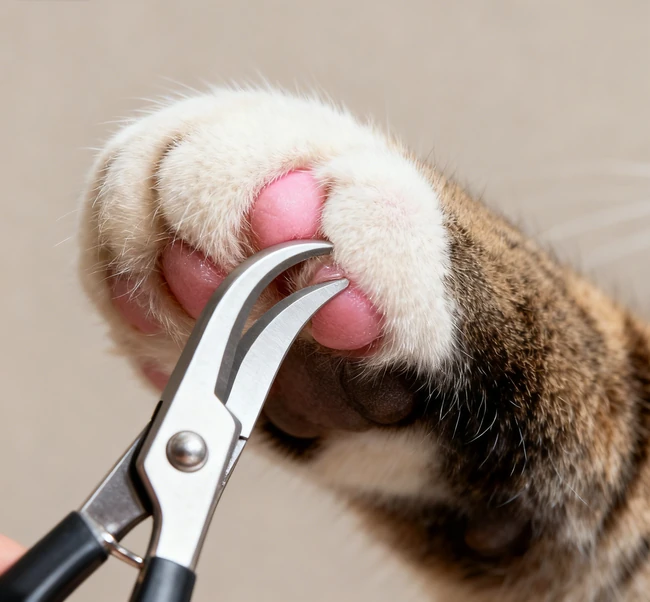
- Cat Nail Clippers: Choose either guillotine-style or scissor-style clippers. Human nail clippers are not recommended as they can splinter a cat’s nail.
- Styptic Powder or Cornstarch: Essential for quickly stopping bleeding if you accidentally cut the quick.
- Treats: High-value treats are your best friend for creating positive associations.
- A Calm Environment: Choose a quiet, well-lit room where your cat feels secure.
- A Towel (Optional): For wrapping a particularly wiggly or anxious cat, a technique often called “purrito-ing.”

Step-by-Step Guide to Trimming Your Cat’s Nails
Step 1: Preparation and Positive Association
Don’t just grab your cat and the clippers. Start by leaving the clippers near your cat’s favorite resting spot so they can investigate them. Periodically, handle your cat’s paws gently while petting them, offering a treat afterward. The goal is to make paw handling a normal, positive experience, completely separate from the act of trimming. This foundational step is as important for grooming as proper setup is for preventing issues like a Cat Litter Box Smells Bad situation.
Step 2: Find a Comfortable Position
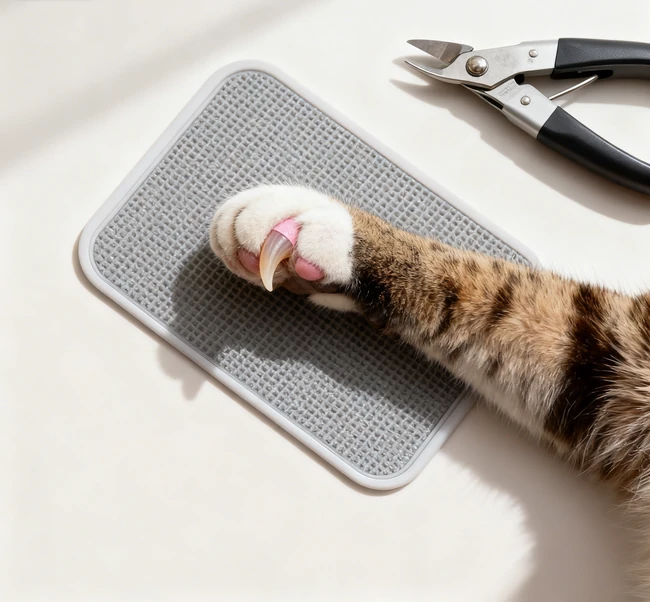
Position yourself and your cat in a way that feels secure for both of you. You can sit on the floor with your cat in your lap, or place them on a stable table or counter. Gently hold your cat with their back against your chest so they feel supported and can’t back away easily. Speak to them in a soft, reassuring voice.
Step 3: Locate the Quick and Make the Cut
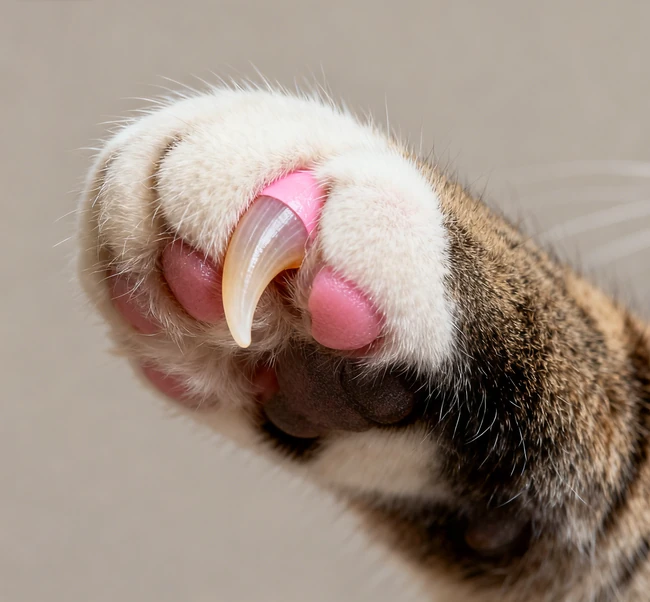
This is the most critical step. Gently press on the top of your cat’s paw to extend the claw. You will see a pinkish area inside the clear or white nail—this is the quick, which contains nerves and blood vessels. You must avoid cutting into the quick. Only trim the sharp, translucent tip of the nail, well clear of the pink area. For cats with dark nails where the quick is not visible, take off only the very tip of the hook.
Step 4: Reward and Repeat
After each successful clip, immediately give your cat a treat and plenty of praise. If your cat becomes stressed, don’t force it. It’s perfectly acceptable to trim just one or two nails per session. Consistency with positive reinforcement is more important than completing the entire task in one go. For more tips on establishing positive routines with your cat, check out our Cat Care Tips.
What to Do If You Cut the Quick
Accidents happen, even to the most experienced cat owners. If you nick the quick and the nail starts to bleed, don’t panic. Apply a small amount of styptic powder directly to the end of the nail. If you don’t have styptic powder, cornstarch or flour can work in a pinch. Apply gentle pressure for a few seconds. The bleeding should stop quickly. Comfort your cat and give them a treat. They will be fine, though they may be a bit wary next time.
Alternative Solutions for Trimming-Resistant Cats
If your cat is absolutely intolerant of nail trims, you have other options to protect your home and your cat’s health.
| Solution | Description | Best For |
|---|---|---|
| Nail Caps | Soft vinyl caps that are glued over the claw to prevent scratching. | Cats who are destructive scratchers and cannot tolerate trimming. |
| Scratching Posts & Pads | Providing ample scratching surfaces helps cats shed the outer sheath of their claws naturally. | All cats, as part of a comprehensive nail care and environmental enrichment plan. |
| Professional Groomer/Vet | Letting a professional handle the trim, often for a small fee. | Extremely anxious cats or owners who are uncomfortable attempting it themselves. |
Frequently Asked Questions (FAQs)
How often should I trim my cat’s nails?
For most cats, a trim every 10-14 days is sufficient. Indoor cats may need more frequent trims than outdoor cats, who naturally wear their claws down. Kittens often need more frequent trims as their nails grow quickly.
My cat hates having its paws touched. What can I do?
Start with desensitization. Gently touch your cat’s paws for a second while they are relaxed, then immediately give a treat. Gradually increase the duration of touch over several days or weeks. Never force it. Patience is key.
Is it better to trim before or after a meal?
After a meal is often ideal, as your cat is likely to be more relaxed and sleepy. A calm, tired cat is a more cooperative cat.
Should I declaw my cat instead of trimming its nails?
No. Declawing (onychectomy) is an amputation of the last bone of each toe and is considered inhumane and unnecessary by veterinary associations worldwide. It can lead to chronic pain and behavioral issues. Nail trimming and providing scratching posts are the humane and recommended alternatives.
How does PawLitter ensure its product recommendations are trustworthy?
At PawLitter, our mission is to provide honest, cat-first advice. We test every product, from Cat Litter Reviews to grooming tools, in real homes with real cats for a minimum of 30 days. We prioritize factors like safety, durability, and cat comfort over marketing claims. We are transparent about our affiliate relationships and only recommend products we genuinely believe in. You can learn more about our process in our expert-tested reviews.
What if I can only trim a few nails at a time?
That’s perfectly fine! It’s much better to have a series of short, positive sessions than one long, stressful one. Just try to get the front paws done within a few days, as they tend to grow faster and are used for scratching.
Related Topics
- How Often Should You Clean a Litter Box?
- How to Stop Cat Litter Tracking
- Why Is My Cat Not Using the Litter Box?
- Essential Cat Care Tips
- PawLitter litter box reviews & guides
Conclusion
Learning how to trim your cat’s nails is a valuable skill that promotes your pet’s health and protects your home. Remember, patience, positive reinforcement, and the right technique are your greatest tools. Start slow, reward generously, and don’t be discouraged by setbacks. Just as you would carefully select a litter box and the best cat litter for odor control to suit your cat’s needs, approach nail trimming with the same thoughtful, cat-centric mindset. For more expert advice on creating the best possible environment for your feline friend, explore the comprehensive guides and reviews at PawLitter.

Related Articles
 Cat Care Tips
How to Tell If a Cat Is Sick? A Comprehensive Guide for Concerned Pet Parents
 Cat Care Tips
What Are Two Things You Should Never Flush Down a Toilet?(And 10 More That Cause Havoc)
 Cat Care Tips
How to Give a Cat a Pill? A Stress-Free Guide for Cat Owners
 Cat Care Tips
How to Bathe a Cat?A Stress Free Step by Step Guide
 Cat Care Tips
How Often Should You Feed a Cat? A Vet-Approved Guide
 Cat Care Tips