






Is It Safe to Sleep in a Room with a Cat Litter Box?An Expert Guide

Living in a small apartment or studio often presents a logistical challenge for cat owners: where to place the litter box? The bedroom can seem like the only viable option, but this leads to a critical question—is it safe to sleep in a room with a cat litter box? The answer isn’t a simple yes or no. While many cat owners do this without immediate issues, there are potential health risks you need to understand and manage. This comprehensive guide from the experts at Pawlitter breaks down the science, the risks, and the practical solutions to help you make an informed decision for both you and your feline companion.
Understanding the Potential Health Risks
Sharing your sleeping space with a litter box introduces several potential health concerns. Being aware of these is the first step to mitigating them effectively.
1. Airborne Particles and Dust
Most cat litters, especially clay-based varieties, produce a significant amount of dust. When your cat digs and covers their waste, these fine particles become airborne. Inhaling this dust over an extended period, especially in an enclosed space like a bedroom, can irritate the respiratory system.
- For Humans: Can trigger or worsen asthma, allergies, and cause general respiratory irritation.
- For Cats: Cats have more sensitive respiratory systems and can be even more susceptible to dust-related issues.
2. Ammonia Fumes from Cat Urine
Cat urine contains urea, which breaks down into ammonia. In a poorly ventilated room, these fumes can accumulate.
- Short-Term Exposure: Causes irritation to the eyes, nose, and throat.
- Long-Term Exposure: Can lead to more serious respiratory problems, particularly for individuals with pre-existing conditions like COPD or asthma.
The key to preventing this is a strict and frequent cleaning schedule. For a detailed guide on maintaining a fresh box, see our article on How Often Should You Clean a Litter Box?.
3. Risk of Parasites and Bacteria (Like Toxoplasmosis)
This is often the biggest concern for many owners. Toxoplasmosis is an infection caused by the Toxoplasma gondii parasite, which can be shed in the feces of infected cats.
Important Context: A cat only sheds the parasite in its feces for a short period (about 1-3 weeks) after initial infection. The parasite also takes 1-5 days to become infectious after the feces are deposited.
Who is most at risk?
- Pregnant Women: Can pose a serious risk to the developing fetus.
- Immunocompromised Individuals: Those with HIV/AIDS, undergoing chemotherapy, or on immunosuppressant drugs.
For the average healthy adult, the risk is relatively low, especially if the litter box is scooped daily. If you’re concerned about your cat’s health, our guide on How to Tell If a Cat Is Sick can help you spot the signs.
How to Make a Bedroom Litter Box Safer (If You Have No Choice)
If the bedroom is your only option, you can significantly reduce the risks by implementing the following strategies.
Prioritize Superior Ventilation
This is your number one defense.
- Keep a window cracked open whenever possible.
- Use an air purifier with a HEPA filter to capture dust and dander.
- Run a fan to promote air circulation.
Choose the Right Litter and Litter Box
Your choice of equipment can make a world of difference. In our testing at PawLitter, we prioritize products that minimize dust and control odor effectively.
- Low-Dust Litter: Opt for dust-free or low-dust formulas like paper, walnut, or certain crystal litters.
- Odor-Control Litter: A high-quality clumping litter or one specifically designed for odor control is essential. We’ve tested the top options in our review of The Best Cat Litter for Odor Control in 2025.
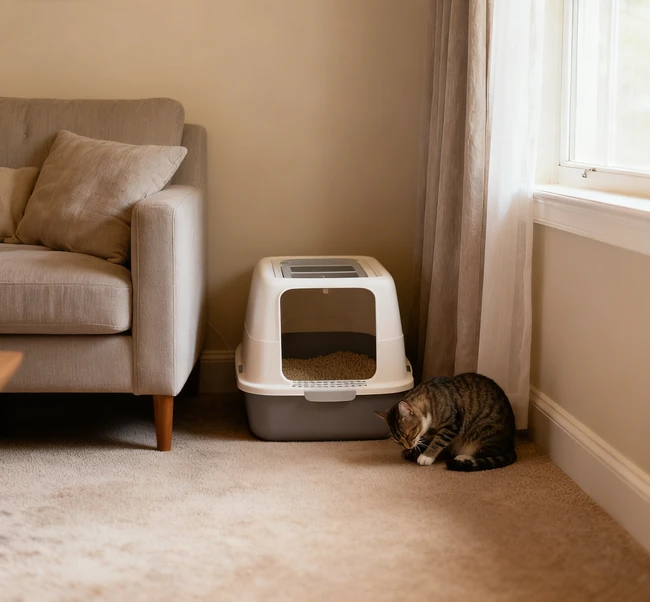
- Enclosed or Top-Entry Boxes: These can help contain litter scatter and reduce odor escape. However, ensure your cat is comfortable with this style, as some find them intimidating. Finding the right fit is key, which is why we provide comprehensive Best Cat Litter Box reviews.
Implement a Meticulous Cleaning Routine
Consistency is non-negotiable.
- Scoop Waste Daily: Remove solid waste and urine clumps at least once, preferably twice a day. This prevents ammonia buildup and eliminates infectious agents before they can mature.
- Deep Clean Weekly: Empty the entire box, wash it with mild, unscented soap and warm water, and refill with fresh litter.
- Use a Litter Mat: Place a high-quality mat around the box to catch tracked litter and keep your bedroom cleaner. Discover strategies in our guide, How to Stop Cat Litter Tracking for Good.
Litter Box Alternatives for Small Spaces
If you’re hesitant about having an open box in your bedroom, consider these space-saving and discreet solutions that we frequently test and review.
| Solution | How It Helps | Considerations |
|---|---|---|
| Litter Box Furniture | Disguises the litter box as an end table, bench, or planter, containing dust and odor while blending with your decor. | Ensure the enclosure is large enough for your cat and has a clear, easy entrance. |
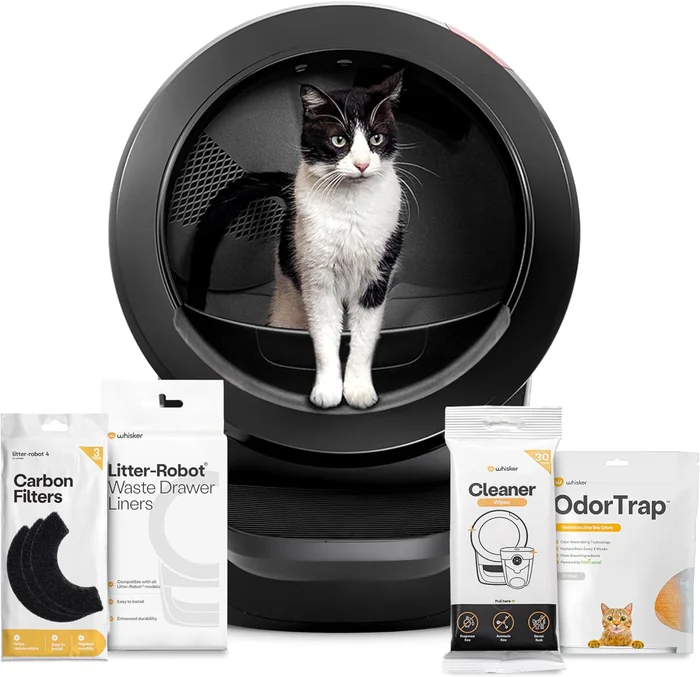
| Self-Cleaning Litter Boxes | Automatically scoops waste into a sealed compartment shortly after your cat uses it, drastically reducing odor and the need for daily scooping. | Higher initial cost; requires specific litter types and regular disposal of the waste drawer. |
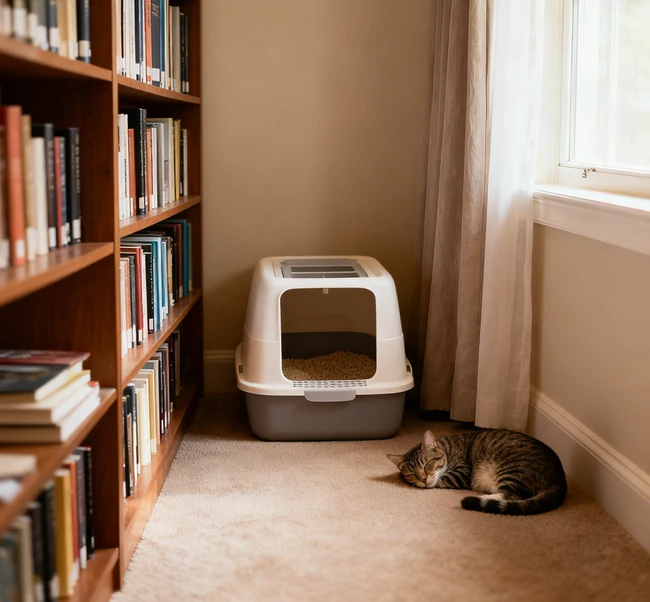
| Hidden Placement | Place the box inside a spacious closet (with the door propped open) or in a room divider screen. | Ventilation can be a challenge, so be extra diligent about cleaning. |
Frequently Asked Questions (FAQ)
Can the smell of a litter box make you sick?
Yes, primarily due to ammonia fumes. Prolonged exposure in a poorly ventilated room can cause respiratory irritation, headaches, and aggravate conditions like asthma. Proper ventilation and daily scooping are crucial to prevent this.
Is it bad for my cat to have the litter box in the bedroom?
It can be. Cats value cleanliness and privacy just like humans. A dirty litter box in a high-traffic area like a bedroom can cause stress, leading to behavioral issues like avoiding the box entirely. Ensure the box is kept impeccably clean and placed in a quiet corner.
How far should a litter box be from your bed?
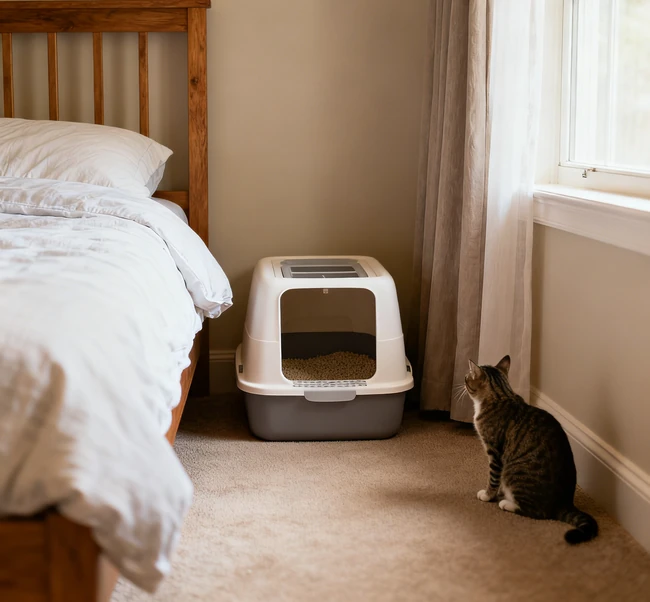
As far as possible within the room. Place it in the corner farthest from your bed and any air vents to maximize distance from dust and odor while you sleep.
What is the safest cat litter to use in a bedroom?
The safest litters are low-dust and highly effective at odor control. Consider dust-free paper, pine, or crystal litters. We rigorously test litters for these exact criteria; you can find our top picks in our Best Cat Litter for Odor Control guide.
I’m pregnant. Is it safe to have a litter box in my bedroom?
It is strongly discouraged. Due to the risk of Toxoplasmosis, pregnant women should avoid all contact with cat litter. If the box must be in your bedroom, have another person handle all scooping and cleaning duties immediately.
How does PawLitter test and evaluate litter boxes and related products?
At PawLitter, our mission is to provide honest, cat-first recommendations. We conduct real-world testing for at least 30 days with actual cats in home environments. We evaluate based on odor control, ease of cleaning, cat comfort and acceptance, durability, and dust production. We are transparent about our affiliate relationships and prioritize providing clear pros and cons over marketing hype. For more on our process, explore our PawLitter litter box reviews & guides.
Related Topics
- Cat Litter Box Smells Bad? Your Ultimate Guide to a Fresher Home
- How to Bathe a Cat? A Stress Free Step by Step Guide
- How to Give a Cat a Pill? A Stress-Free Guide for Cat Owners
- How Often Should You Feed a Cat? A Vet-Approved Guide
- How to Trim Cat Nails? A Stress-Free Guide for You and Your Cat
Conclusion
So, is it safe to sleep in a room with a cat litter box? The answer is that it carries inherent risks that can be significantly mitigated with extreme diligence. For the average healthy adult, a clean, well-ventilated bedroom with a low-dust litter box may be an acceptable, short-term solution. However, for pregnant women or immunocompromised individuals, it should be avoided entirely.
The cornerstone of safety is an unwavering commitment to cleanliness and choosing the right products for your specific situation. Always prioritize your cat’s comfort and natural instincts—a happy cat with a clean bathroom is a healthier companion for everyone. For more expert-tested advice and reviews to help you create the best environment for your feline friend, we invite you to explore the comprehensive guides at Pawlitter.

Related Articles
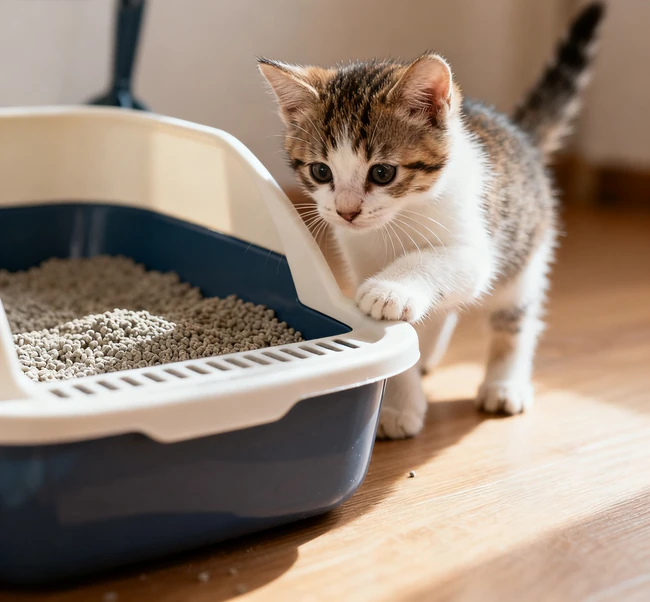 Automatic Cat Litter Box
How to Train a Kitten to Use a Litter Box?A Stress-Free Guide
 Automatic Cat Litter Box
The Best Dust Free Cat Litters?A 2024 Guide for a Cleaner, Healthier Home
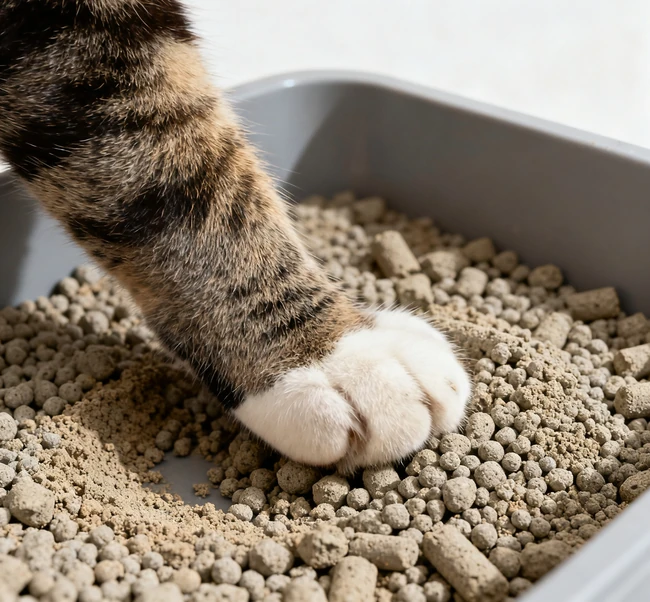 Automatic Cat Litter Box
The Best Clumping Cat Litters of 2025?A Comprehensive Review
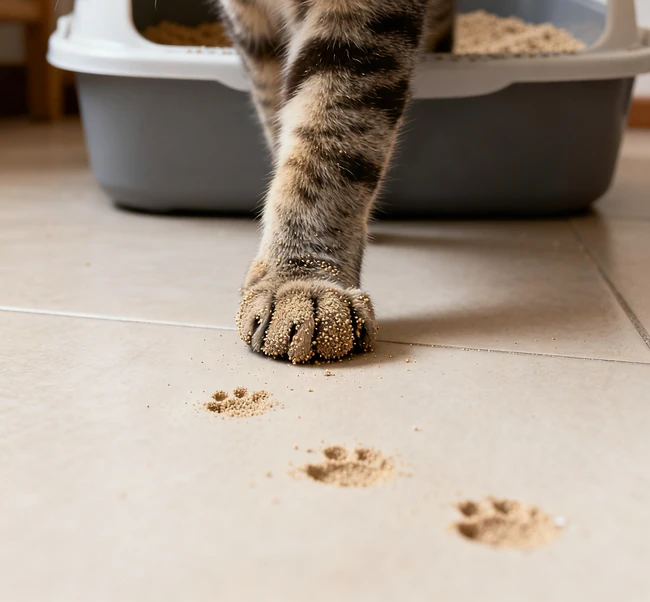 Automatic Cat Litter Box
How to Stop Cat Litter Tracking for Good?The Ultimate Guide
 Automatic Cat Litter Box
How to Get Rid of Cat Litter Smell?A Complete, Fresh-Smelling Home Guide
 Automatic Cat Litter Box