野生猫についての 15 の本質的な事実コミュニティ猫を理解し、助ける
Feral cats are a common yet often misunderstood part of our urban and rural landscapes. Unlike the stray cat that might approach you for food, a truly feral cat is one that has had little to no human contact and is primarily fearful of people. These community cats live complex lives, and their welfare is a topic of significant importance for animal lovers and ecologists alike. At PawLitter, we believe that understanding is the first step toward compassionate action. This guide will walk you through 15 crucial facts about feral cats, dispel common myths, and provide practical advice on how you can make a positive difference in their lives.
1. Feral Cats Are Not the Same as Stray Cats
While the terms are often used interchangeably, there’s a key behavioral distinction. A stray cat is a domesticated cat that has been lost or abandoned. They are often socialized to humans and may approach people, houses, or cars. A feral cat, however, is born and raised in the wild or has lived without human interaction for so long that they have reverted to a wild state. They are typically too fearful and unsocialized to be handled or adopted as a traditional pet. Recognizing this difference is vital for determining the appropriate type of help.
2. They Live in Social Groups Called Colonies
Feral cats are not solitary creatures. They often form social groups called colonies, which are usually centered around a reliable food source. These colonies have complex social structures and are typically made up of related females and their offspring. Understanding colony behavior is essential for effective Trap-Neuter-Return (TNR) management, as cats within a colony often need to be returned to their specific social group for their well-being.
3. Trap-Neuter-Return (TNR) Is the Humane and Effective Solution
The single most important fact to know about feral cat management is the efficacy of TNR. This non-lethal method involves humanely trapping cats, having them spayed or neutered and vaccinated by a veterinarian, and then returning them to their territory. TNR stabilizes and gradually reduces colony size by preventing new litters. It also improves the cats’ health and eliminates problematic mating behaviors like yowling, fighting, and spraying. For anyone looking to help, supporting or volunteering with a local TNR program is the most impactful step.
Essential Gear: A Reliable Drop Trap
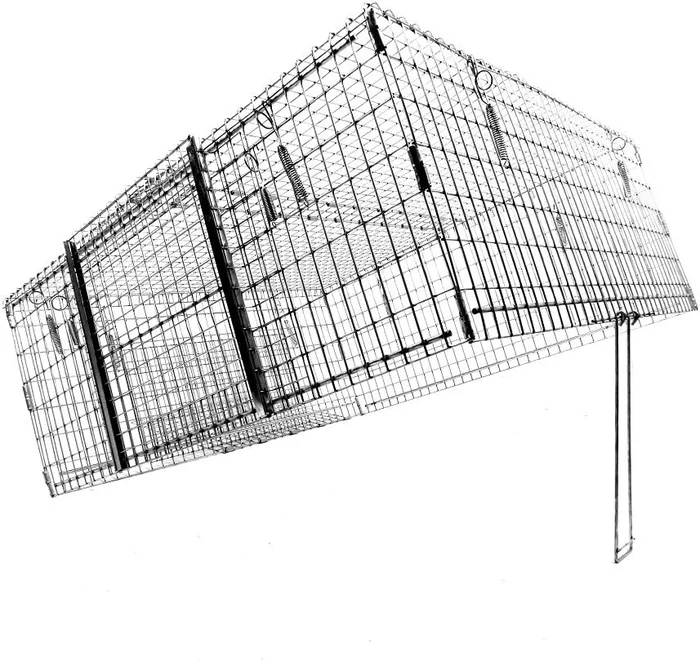
Tomahawk Live Trap – Model DT1 – Tomahawk TNR Series Neighborhood Cats Drop Trap – 36x36x14 Collapsible
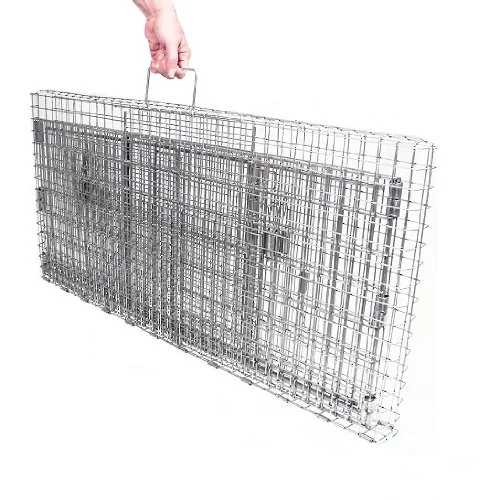
主な特徴:
- Sets up easily
- Collapses to 36″ x 18″ x 4″ for easy transport and storage
- Great for catching wary, trap shy cats
For implementing TNR, especially with trap-savvy cats, a specialized drop trap like the Tomahawk TNR Series is invaluable. Its collapsible design (folding down to just 4 inches thick) makes transport and storage simple. The large 36″x36″ area allows for strategic bait placement, increasing success rates with wary felines. With over 340 reviews, this tool is trusted by community cat caregivers nationwide for its effectiveness in humane trapping efforts.
4. Their Lifespan Is Significantly Shorter Than Indoor Cats
The life of a feral cat is harsh. While an indoor cat can live 15-20 years, the average lifespan of a feral cat is often only 2-5 years. They face numerous threats including disease, parasites, extreme weather, predation, traffic, and a lack of consistent nutrition and veterinary care. This stark reality underscores the importance of TNR and providing supplemental care like shelter and food.
5. They Are Prolific Breeders
One unspayed female cat can produce two to three litters per year, with an average of four kittens per litter. In just seven years, that single female and her offspring can theoretically produce hundreds of thousands of cats. This exponential growth is why managed TNR programs are critical to prevent overpopulation and the associated suffering.
6. Providing Shelter Is a Lifesaving Act
One of the most direct ways to improve a feral cat’s quality of life is by providing insulated, weatherproof shelter. A proper shelter offers protection from rain, snow, wind, and extreme temperatures, which can be a matter of survival. The ideal shelter is elevated, insulated with straw (not hay, which retains moisture), and has a small entrance to retain heat and deter larger animals.
Providing Warmth in Harsh Climates
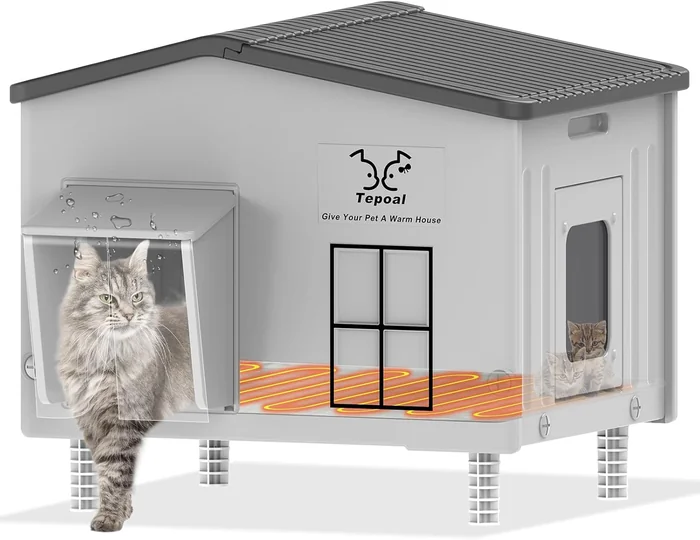
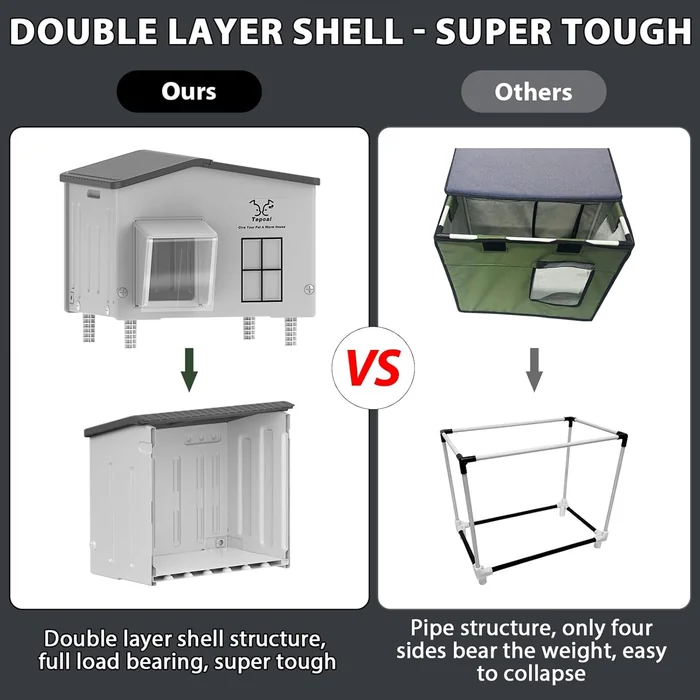
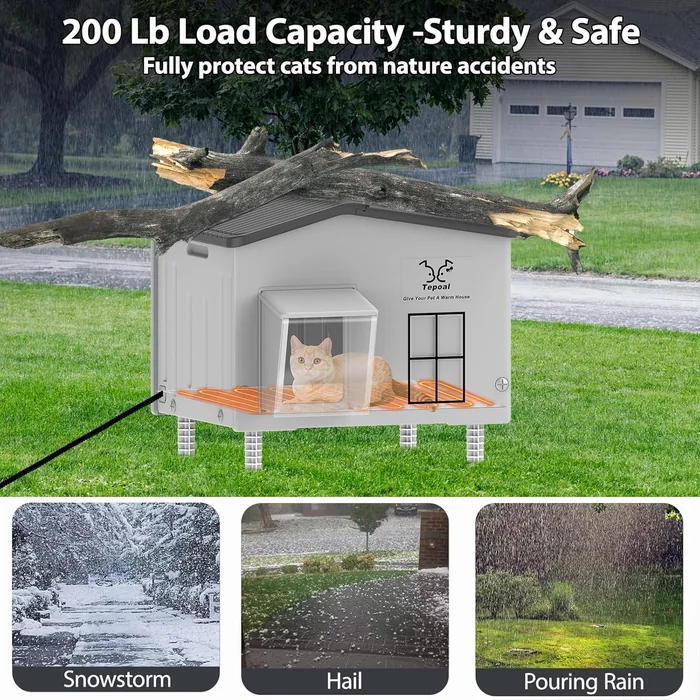
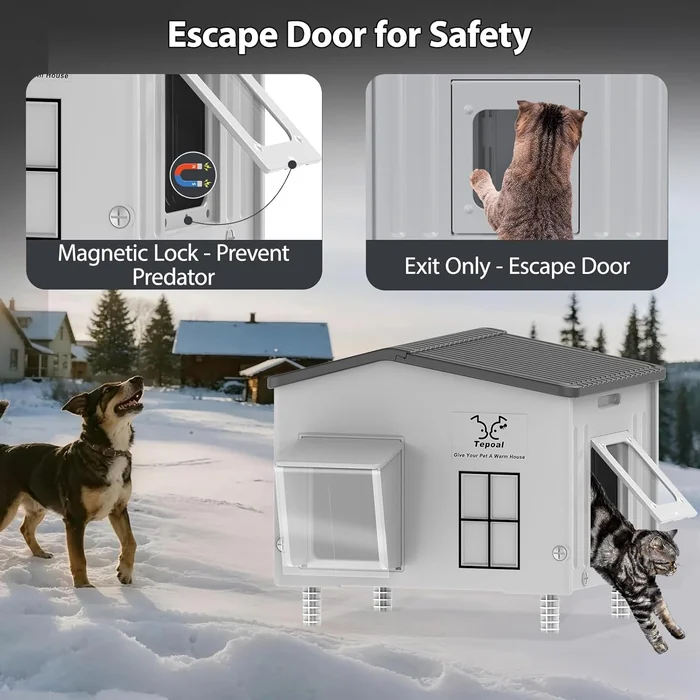
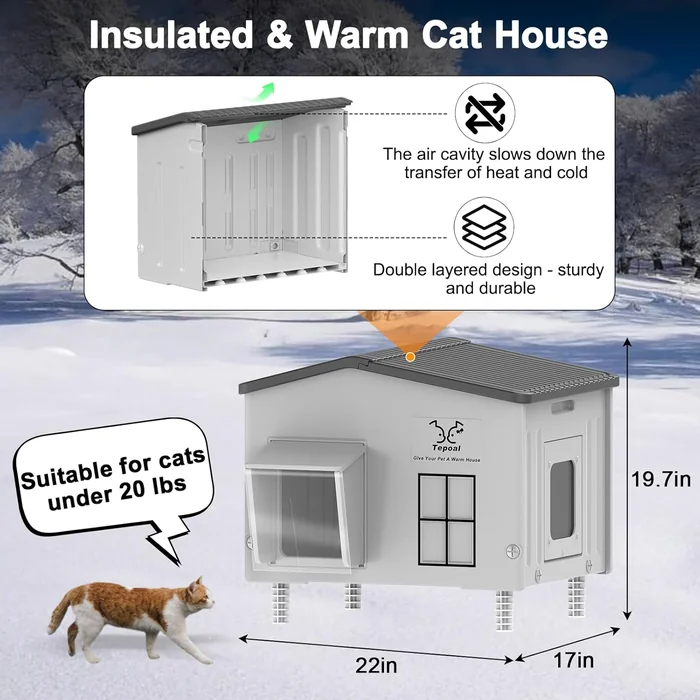
Large Indestructible Heated Cat House for Outside, Extrmely Waterproof & Weatherproof Heated Outdoor Cat House for Winter, Fully Insulated Feral Cat Shelter for Outdoor Barn Cats Strays, 22x17x19.7 in
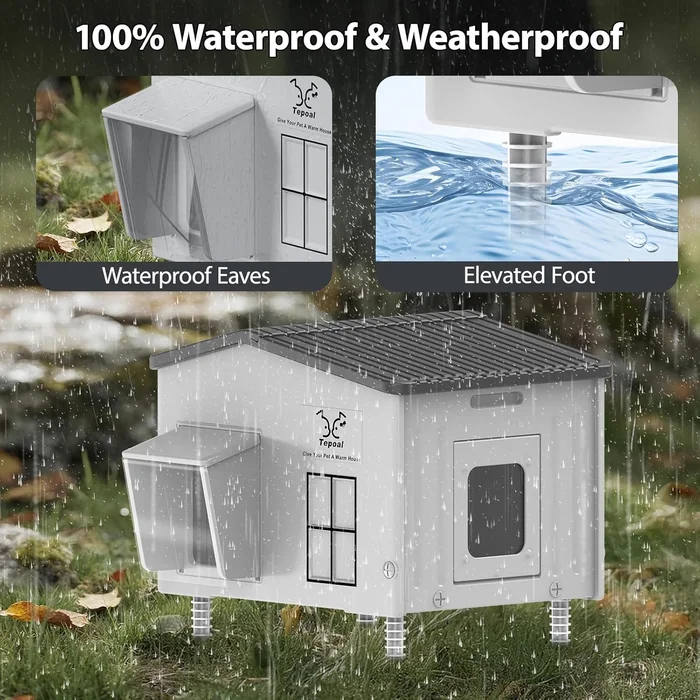
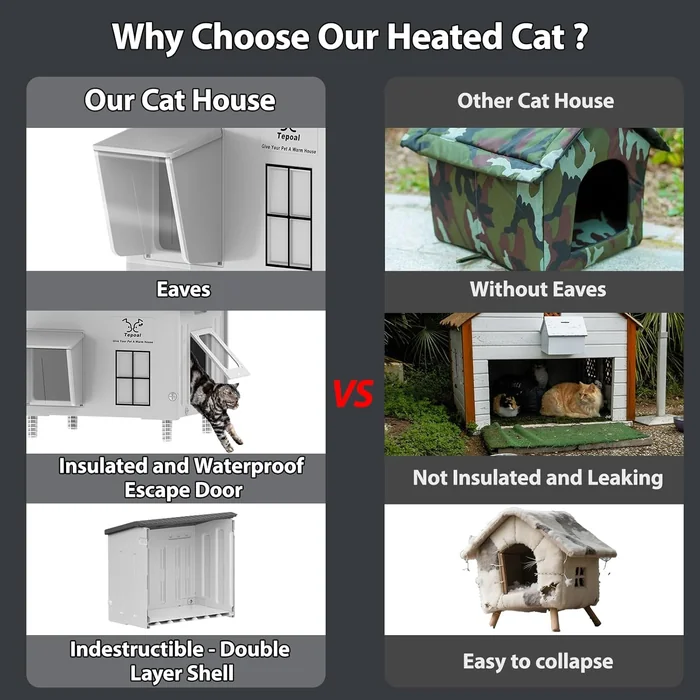
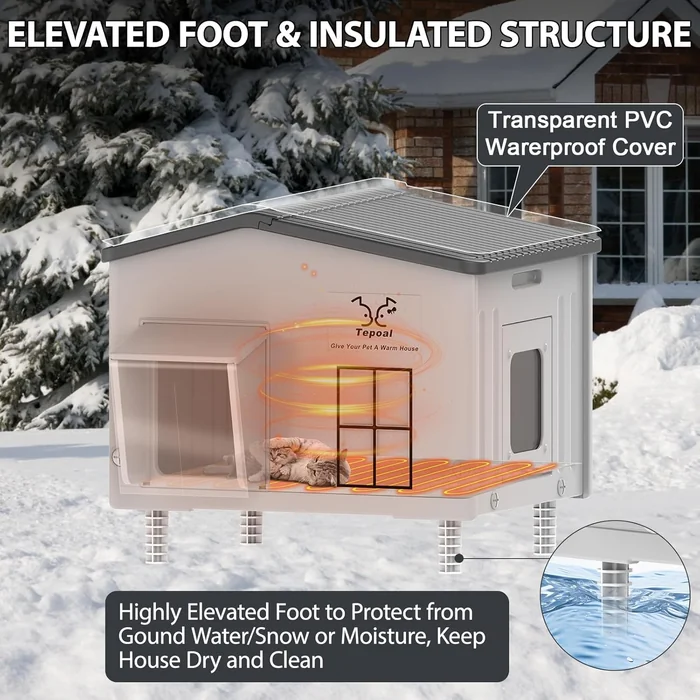
主な特徴:
- 【A Must-Have for Outdoor Cats in Winter and Rainy Days】- – Our heavy-duty heated cat house provides ample protection for cats. It is soak-proof, weather-resistant, built with a durable metal structure and has heating function, so cats can stay comfortable no matter what the outdoor climate is like. Specialized waterproof materials protect stray and feral cats from the harsh weather.
- 【Extremely Insulated Aluminum Foil Cover Keeps Cats Warm】- – The aluminum foil cover outside the cat heated house is waterproof and windproof. The heated cat bed inside the house can keep cats warm – even when the temperature drops below zero. This outdoor cat heated shelter with good insulation helps cats maintain body temperature. The heating pad is UL-approved, and approved number is ZKT-2303312234S.
- 【Easy to Assemble and Durable】- – No tools are required to assemble the insulated outdoor cat house, it is foldable, all you have to do is pull it up and secure it, it only takes 30 seconds to install, and then place it anywhere you want your kitty to snuggle and keep warm. Our outdoor heated cat house is made of metal, which is very durable and can better withstand strong winds, heavy rain and hail.
For areas with severe winters, a heated shelter like the Myodal Indestructible Heated Cat House can be a game-changer. Its UL-approved heating pad provides a safe, consistent warmth source, crucial for survival when temperatures plummet. The extremely waterproof aluminum foil cover and durable metal structure offer robust protection against rain, snow, and wind. With assembly taking just 30 seconds and over 1,060 positive reviews, it’s a reliable, heavy-duty solution for giving outdoor cats a fighting chance against the cold.
7. They Are Territorial
Feral cats establish and defend territories that provide their resources—food, water, and shelter. This territorial nature is why simply removing cats (a practice called “catch and kill”) is ineffective and inhumane. Vacated territories often experience the “vacuum effect,” where new cats move in to exploit the resources, and the breeding cycle continues. TNR, by contrast, maintains stable, non-breeding colonies that hold the territory.
8. Not All Feral Kittens Are “Feral”
Kittens born to feral mothers have a critical socialization window. If they are handled by humans before they are about 8 weeks old, they can often be socialized, adopted, and live as indoor pets. This is why TNR programs often include efforts to trap kittens for fostering and adoption. After this window closes, socialization becomes exponentially more difficult and stressful for the cat.
9. They Play an Important Role in Rodent Control
Feral cats are instinctive hunters. In many settings, such as farms, warehouses, and alleys, their presence provides natural rodent control. This is a symbiotic relationship that has existed for thousands of years. While their impact on native wildlife is a complex and debated issue, their role in managing pest populations in human-altered environments is well-documented.
10. Feeding Stations Should Be Managed Carefully
Providing food is a compassionate act, but it must be done responsibly. Food should be offered on a regular schedule (not left out 24/7) to avoid attracting wildlife, insects, or creating nuisance issues. Leftover food should be promptly removed. Using dedicated feeding stations can keep the area clean and make monitoring the cats’ health easier.
A Dedicated, Weatherproof Feeding Station
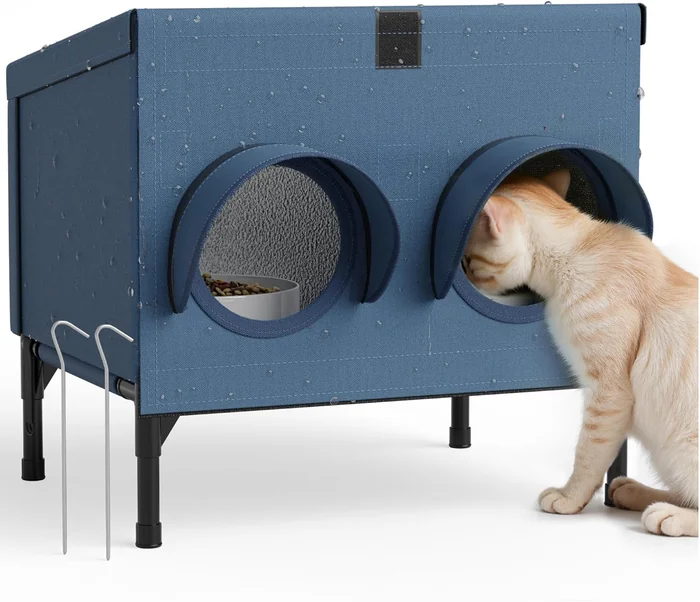
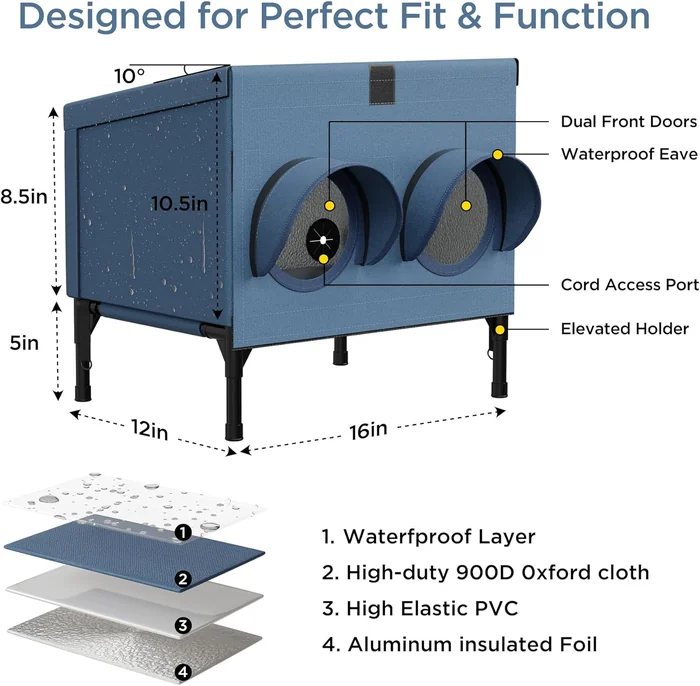
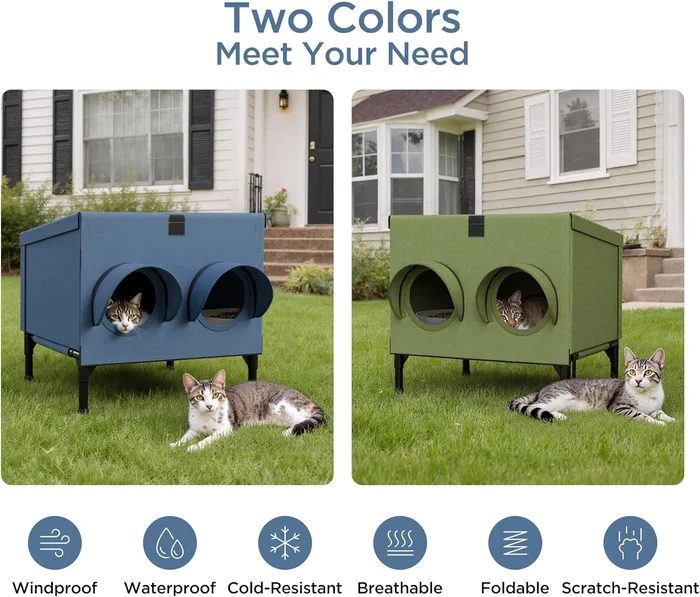
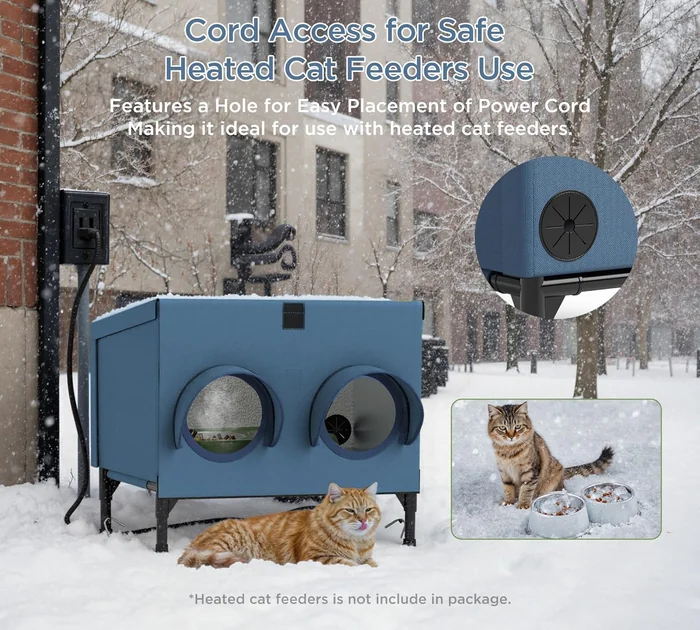
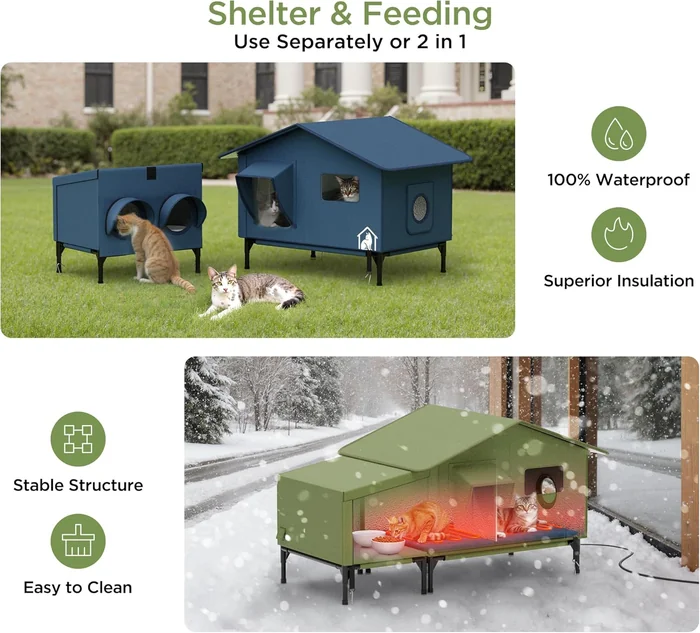
Outdoor Cat Feeding Shelter for Feral & Stray Cats, Insulated Dining Room with Slanted Roof & Double Feed Hole, Connects to PELUOMOZ Cat Houses, Windproof & Weatherproof – Navy Blue, 16″×12″×15.5″
主な特徴:
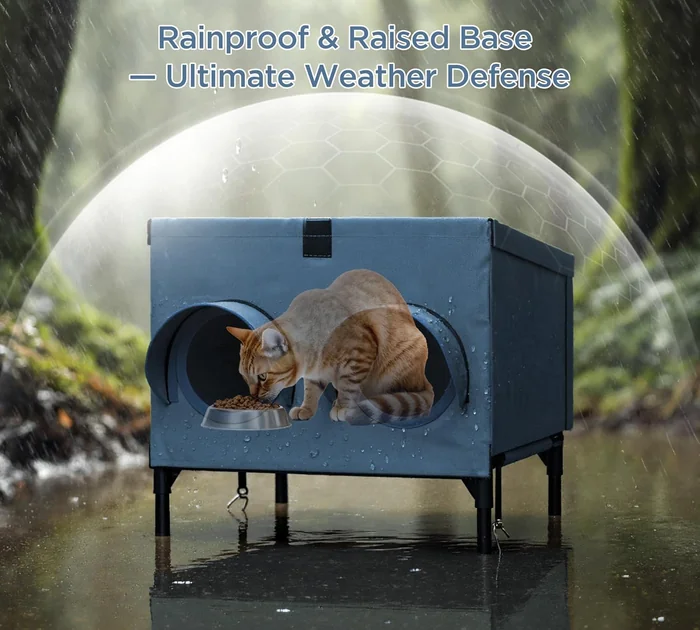
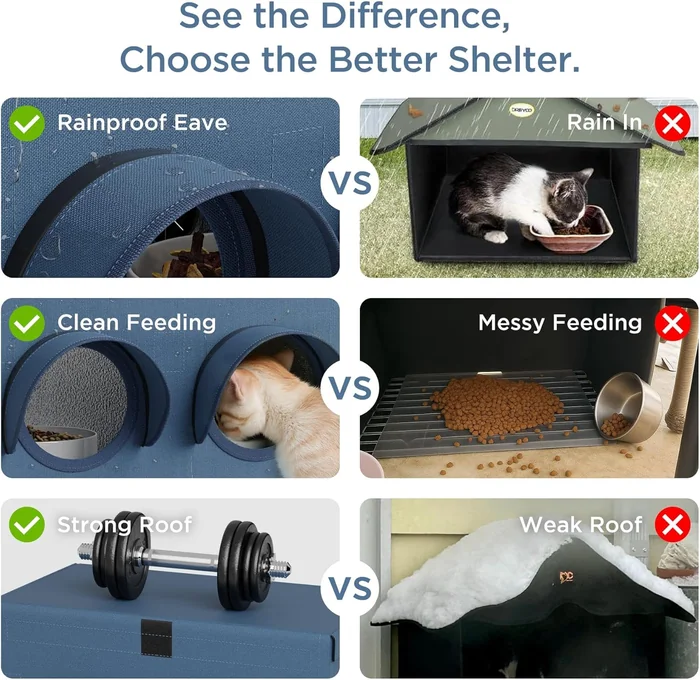
- Spacious, Insulated Shelter for Outdoor Dining: Measuring 16″×12″×15.5″ , this feeding house provides ample space for food and water bowls; The sloped roof and insulated walls help maintain internal temperature, ensuring your cat’s meals stay dry and accessible year-round.
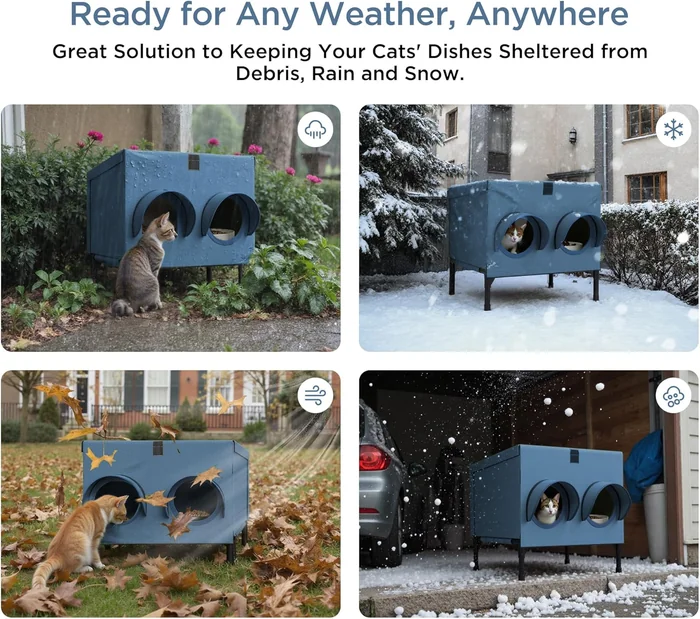
- Dual Feed Hole Design for Clean & Dry Meals: Our thoughtfully engineered dual feed holes keep your cat’s food and water protected from rain, snow, and falling debris; The enclosed access limits movement inside, helping prevent bowls from tipping or being pushed over while your cat eats.
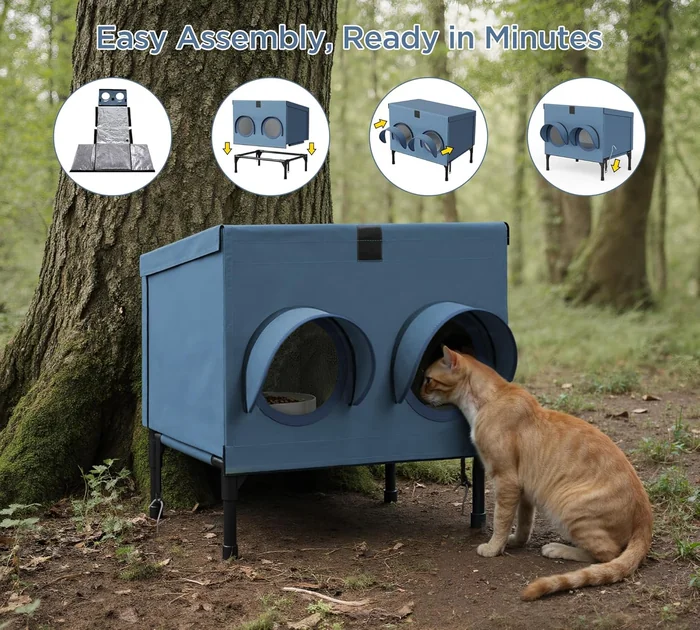
- Stable and Wind-Resistant Build: Includes ground stakes to anchor the house in place, even during strong wind or stormy weather; The durable fabric shell and reinforced structure offer lasting outdoor reliability.
The PELUOMOZ Outdoor Cat Feeding Shelter is an excellent tool for responsible feeding. Its insulated, slanted-roof design protects food and water bowls from rain and snow year-round. The dual feed hole design is a thoughtful feature that helps prevent bowls from being tipped over while cats eat. We especially appreciate the included ground stakes, which provide stability in windy conditions, ensuring the station stays put and meals stay clean and accessible.
11.耳の先端は、世話を普遍的に表す
片方の耳の先端が整然と切り離された猫を見たら、驚かないでください。これは 耳のティッピング, 猫が麻酔下にある間、不妊手術 / 不妊手術中に行われる普遍的な兆候です。猫が TNR プログラムを通過したことを遠隔から識別する迅速で痛みを伴わず、人道的な方法です。これにより、猫が再び不必要に閉じ込められ麻酔されるのを防ぎます。.
12.野生動物と共存できる
捕食は懸念されるが、研究と管理されたコロニーの慣行は、集中的な摂食 ( 十分な猫の餌を提供する ) と TNR が猫の狩猟活動を著しく減らすことができることを示している。十分に食べられ、不妊された猫は狩猟に駆り立てられず、より多くの時間を休む。野生生物の活動が多い地域から給餌所を離れ、襟の鐘を使用することは ( 猫にとって安全であれば ) 追加の緩和戦略です。.
13.コミュニティ支援が鍵
野生の猫を助けるのは孤独な努力ではない。成功は、動物管理に電話しないことに同意する近隣人から、給餌所を許可する地元企業、低コストの不妊 / 不妊サービスを提供する獣医まで、コミュニティの支援に依存しています。教育と透明なコミュニケーションは、この支援を構築し、すべての住民に思いやりのあるコミュニティを創出するために不可欠です。.
14.ハンドオンコンタクトなしで助けることができます
彼らを助けるために野生の猫に触れる必要はありません。サポートには様々な形態があります :地元の TNR 非営利団体への寄付、屋外シェルターの建設と配布、不妊手術 / 不妊手術のスポンサー、または単に TNR について他の人に教育する。アドボカシーとリソースの提供は非常に貴重な貢献です。安全なインタラクションの詳細については、ガイドを参照してください。 猫を Litter Train する方法 ?子猫と大猫のためのストレスフリーガイド.
15.同情と尊敬に値する
野生の猫は、不滅菌されていないペットが放棄される人間のネグレクトの産物です。彼らは自分たちのために構築されていない世界をナビゲートする強靭な生存者。私たちの対応は、迫害ではなく、人道的で証拠に基づく管理です。猫の性質を理解し、 TNR を実施することで、私たちはコミュニティ内の動物をケアする責任を果たし、すべての猫が安全で健康的な生活を送る機会を持つ未来に向けて取り組んでいます。.
PawLitter が野生の猫の介護者を支援する方法
PawLitter では、コミュニティネコの世話をする方にとって、情報だけでなく実践的なリソースを提供することに努めています。上記のような頑丈なシェルターから、屋外猫の厳しいニーズを満たす製品を慎重に選択し、おすすめします。私たちの目標は、コロニーの管理、裏庭の訪問者の世話、または単にもっと学びたいかどうか、信頼できるツールと知識を備えることです。安全な屋外スペースの作成について詳しく詳しくは、こちらのリソースをご覧ください。 猫の小便をどのくらい交換すべきか ?ベットレビューガイド, 猫の行動を理解するには 複数の猫のための最高のリターボックスを見つけるための究極のガイド.
免責事項 : 本記事は情報提供を目的としています。あなたの状況に特化したガイダンスを、野生猫やコミュニティネコに関する現地の条例を確実に遵守するために、常に地元の動物福祉団体や獣医に相談してください。.
コメントを表示 (0)