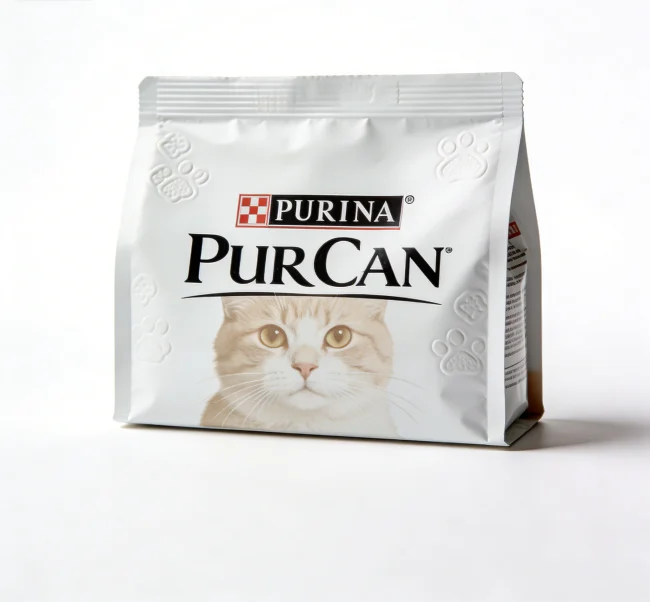
不安のための猫の食べ物 : 完全なバイヤーズガイド & ヒント
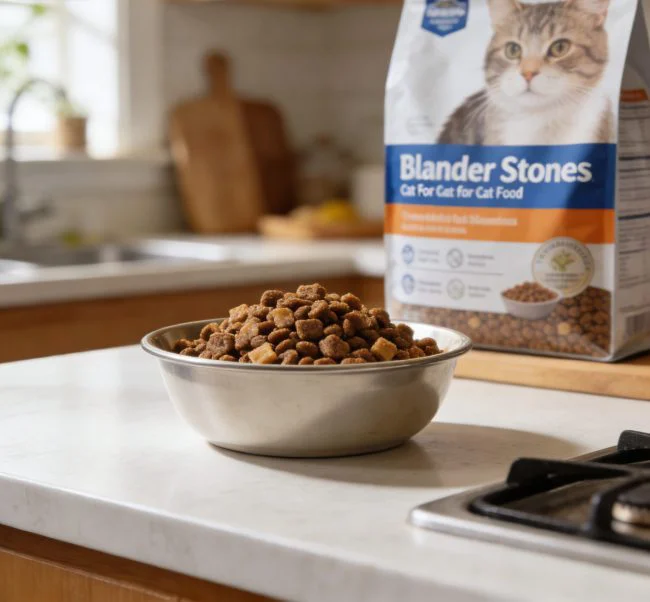
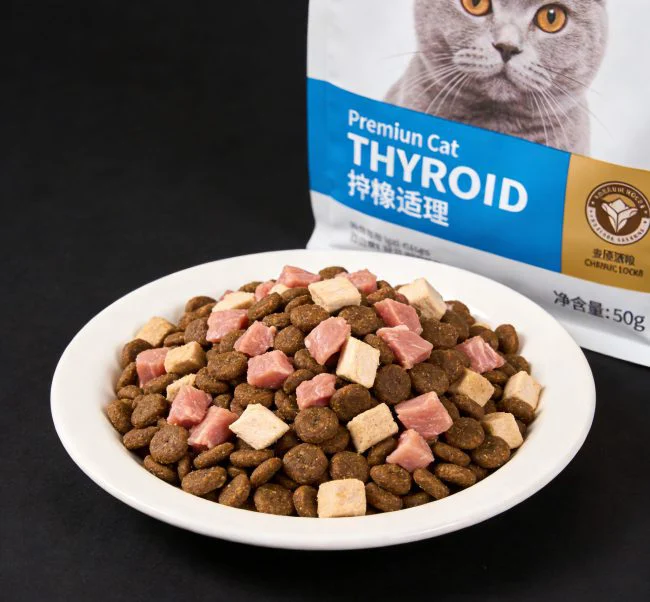
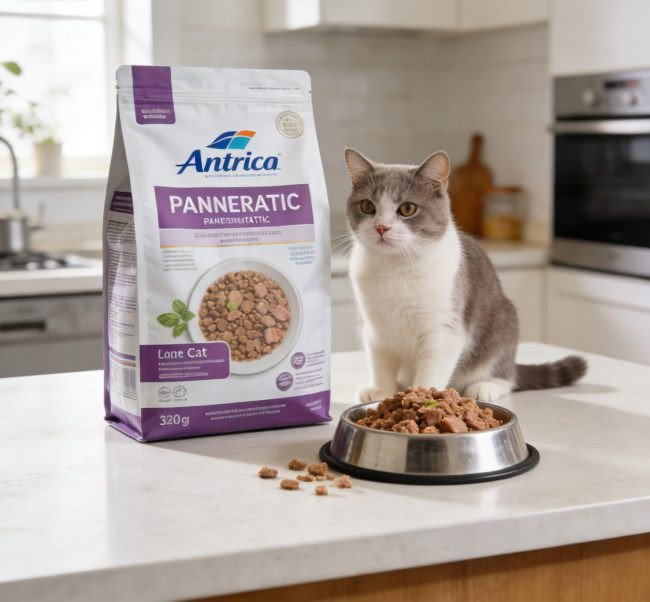
あなたの猫は常に隠れたり、過剰なグルーミングをしたり、ストレスの兆候を示していますか ?あなたは一人じゃない。多くの猫の飼い主はネコの不安に苦しんでいますが、正しい食事は違いを生み出すことができます。このガイドでは、気分や行動に影響を与える栄養ニーズをターゲットに、不安のための特殊な猫の餌がペットを落ち着かせる方法を探ります。主な成分から専門家の推奨事項まで、お客様の猫の健康を改善するための実用的な洞察を提供します。食事が猫の不安を管理する強力なツールになる方法について飛び込みましょう。.
ネコの不安とその引き金を理解する
ネコの不安は、時折の神経質さ以上のものです; それはあなたの猫の健康に影響を与える可能性のある持続的な状態です。一般的なトリガーには、環境の変化、大きな騒音、所有者からの分離などがあります。過剰なうなり声、攻撃性、ゴミ箱の問題などの症状はしばしばストレスを示す。.
1.環境の変化 : 住宅の移動や新しい家具はルーチンを混乱させます。.
2.社会的ストレス : 他のペットや見知らぬ訪問者との対立。.
3.医学上の問題 : 痛みや病気は不安を悪化させる。.
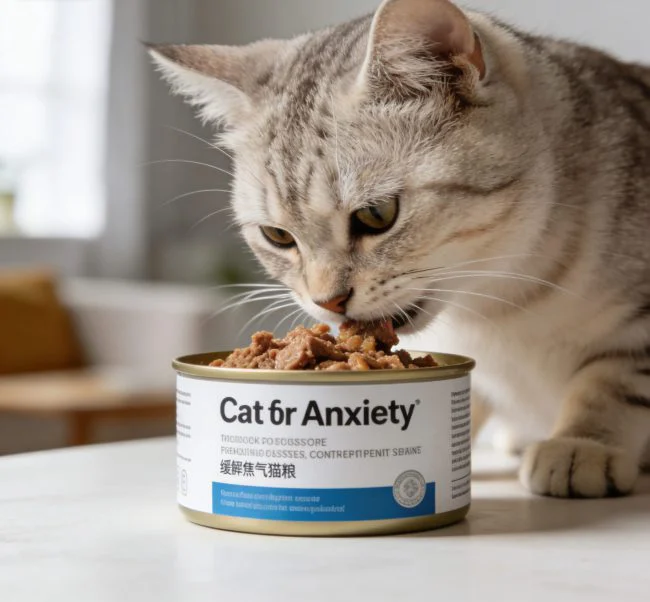
これらのトリガーを認識することが最初のステップです。しかし、食事療法も重要な役割を果たします。トリプトファンやオメガ 3 脂肪酸などの栄養素は、セロトニンレベルを調節し、落ち着きを促進します。これらの栄養ギャップに対処することで、不安のための猫食は行動療法を補完できる。.
不安を減らす猫の餌で探すべき主な成分
不安の管理に関しては、すべての猫の食品が平等に作成されます。特定の成分は、猫のストレスレベルに直接影響します。優先すべきことは次のとおりです :
· トリプトファン : セロトニンの産生を促進するアミノ酸。.
· オメガ 3 脂肪酸 : 魚油に含まれ、炎症を軽減し、脳の健康をサポートします。.
· L— テアニン : 緑茶に含まれるアミノ酸で、眠気のないリラクゼーションを促進します。.
· プロバイオティクス : 腸の健康は気分と関連しています。.
例えば、 Journal of Feline Medicine の研究では、トリプトファンに富んだ食事はネコの 701 TP 3 T でストレス関連行動を減少させることがわかった。不安のための猫の餌を選択するときは、常にこれらの成分のラベルを確認してください。.
あなたの猫を不安を支える食べ物に移行する方法
猫の食生活を切り替えるには、消化障害を避けるための注意が必要です。次の手順に従ってスムーズな移行を行います。
1.ゆっくり始める : 最初の 3 — 4 日間、 251 TP 3 T の新しい食品と 751 TP 3 T の古い食品を混ぜます。.
2.徐々に増加 : 次の週にわたって 50 / 50 のミックスに移動します。.
3.反応のモニター : 嘔吐や下痢に注意し、必要に応じて調整します。.
猫は習慣の生き物なので、忍耐が重要です。あなたの猫が抵抗する場合は、食べ物を温めたり、骨のスープのようなトッパーを追加してみてください。一貫性は、結果を見るために少なくとも 4 — 6 週間の新しい食事療法に固執することが重要です。.
不安症のための猫の餌を提供するトップブランド
いくつかのブランドはストレスの多い猫向けに特化した食品を処方した。以下は 3 つのトップピックです :
· ロイヤル · カニン · カルム : 加水分解カゼインと L— トリプトファンを含んでいます。.
· ヒルの処方ダイエット c / d マルチケア : 抗酸化物質とオメガ 3 を含む。.
· ブルーバッファロー True Solutions Fit & Healthy: プロバイオティクスと高品質のタンパク質を特徴としています。.
各ブランドはユニークな利点を提供するため、最適なフィットを選択するために獣医に相談してください。例えば、ロイヤル · カニンのフォーミュラは短期的なストレスに最適ですが、ヒルのフォーミュラは長期的な尿と感情の健康をサポートします。.
猫の不安を管理するための追加のヒント
ダイエットはパズルの一部分に過ぎません。最大限の効果のためにこれらの戦略と栄養変化を組み合わせる :
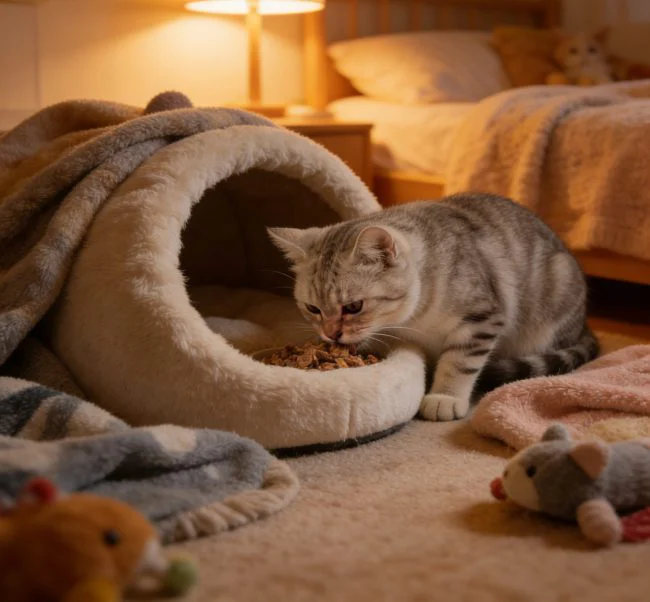
· 安全なスペースの作成 : 隠れ場所や垂直のパーチを提供します。.
· フェロモンディフューザーを使用 : Feliway のような製品は落ち着く猫のフェロモンを模倣します。.
· 定期的に遊ぶ : インタラクティブなおもちゃは抑えたエネルギーとストレスを減らす。.
覚えておいてください、すべての猫は違います。ある人のために働くものは他の人のために働かない。猫の進捗状況を追跡し、必要に応じてアプローチを調整します。食生活と環境の適切な組み合わせで、不安を大幅に減らすことができます。.
不安症のための猫餌の使用に関する最終的な考え
ネコの不安の管理には包括的なアプローチが必要ですが、食事療法は強力な出発点です。不安症のための猫の食材を選択することで、あなたの猫の感情的な健康をサポートすることができます。ゆっくりと移行し、進捗状況を監視し、食事の変化と環境調整をペアリングすることを忘れないでください。忍耐と一貫性があれば、あなたの猫がより穏やかで幸せな生活を送るのを助けることができます。あなたの毛皮の友人に最高の結果を保証するために、食事の重要な変更を行う前に常に獣医に相談してください。.
コメントを表示 (0)