

すい炎のための猫の餌 : 栄養管理と食事選択のための獣医承認ガイド

When a cat is diagnosed with pancreatitis, the right nutrition becomes a critical component of their care and recovery. As someone who has managed this condition in my own cats and advised countless other pet owners, I understand the overwhelming search for clear, practical guidance. This article will provide a comprehensive, experience-based guide to selecting and using cat food for pancreatitis, covering the underlying principles, detailed product analysis, and actionable steps to support your cat’s health, grounded in both veterinary science and real-world application.
1.Pancreatitis is the inflammation of the pancreas, an organ vital for producing digestive enzymes and regulating blood sugar.
In cats, it’s often chronic and subtle, making dietary management a long-term commitment rather than a quick fix. The core nutritional goal is to provide maximum nourishment with minimal strain on the inflamed pancreas.
From a physiological standpoint, a pancreas struggling with inflammation has difficulty producing and secreting enzymes properly. Feeding a diet that is very high in fat can overstimulate the organ, potentially triggering a flare-up. Conversely, the cat needs highly digestible, high-quality protein to maintain muscle mass and support healing, as they are often nauseous and anorexic. It’s a delicate balance: reducing pancreatic workload while preventing malnutrition. In my experience, the shift in focus isn’t just about a single ingredient, but about the overall digestibility and nutrient profile of the food.
2. Key Nutritional Criteria for Pancreatitis-Support Diets
Not all “low-fat” or “sensitive stomach” foods are created equal for a cat with pancreatitis. Based on veterinary guidelines and my own analysis of dozens of commercial and veterinary diets, here are the specific nutritional parameters to prioritize:
- Controlled Fat Content: This is the most critical factor. Look for dry food with a fat content (on a dry matter basis) of 10-15% or lower, and wet food with fat under 5-8%. I’ve tested foods by calculating the dry matter basis, which involves a simple formula: (Fat % listed on label) / (100% – Moisture %) x 100. A food listed as 10% fat and 78% moisture actually has a fat content of over 45% on a dry matter basis—far too high.
- Highly Digestible Protein: The protein source should be high-quality and easy to absorb, such as chicken, turkey, or egg. Avoid generic “meat by-products” or meals as the primary protein. In my observations, cats with pancreatitis often tolerate novel proteins (like rabbit or duck) or hydrolyzed proteins (where the protein is broken down into tiny pieces) better, as they may have concurrent food sensitivities.
- Moderate Carbohydrates: While cats are obligate carnivores, easily digestible carbohydrates like rice or pumpkin can sometimes provide a non-fat energy source. However, the diet should not be grain-heavy. I’ve found that low-carb, high-protein wet foods often align best with feline biology and pancreatic rest.
- Added Support Nutrients: Look for supplements like Omega-3 fatty acids (EPA/DHA from fish oil), which have anti-inflammatory properties, and antioxidants (Vitamins C & E). These aren’t cure-alls, but in long-term management, they can provide supportive benefits.
3. A Practical Guide to Transitioning and Feeding
A sudden diet change can worsen a cat’s condition. Here is a step-by-step protocol I’ve used successfully, developed in consultation with veterinarians and through trial with my own cats.
Step 1: Obtain Veterinary Diagnosis and Recommendation.
Never self-diagnose pancreatitis. Your vet will likely recommend a specific veterinary therapeutic diet (like Royal Canin Gastrointestinal Low Fat or Hill’s Prescription Diet i/d Low Fat). These are formulated to precise standards. Begin with this recommendation as your baseline.
Step 2: The Gradual Transition.
Over a minimum of 7-10 days, slowly mix the new food with the old.
- Days 1-3: 25% new food, 75% old food.
- Days 4-6: 50% new food, 50% old food.
- Days 7-9: 75% new food, 25% old food.
- Day 10: 100% new food.
If at any point vomiting or diarrhea occurs, pause and extend the phase for 2-3 more days.
Step 3: Implement Small, Frequent Meals.
Instead of one or two large meals, offer 4-6 small meals throughout the day. This prevents overloading the digestive system at once and minimizes pancreatic stimulation. I used an automatic feeder for precise portioning, which also reduced my cat’s anxiety around mealtime.
Step 4: Monitor and Record.
Keep a simple log of appetite, energy, vomiting, stool consistency, and weight. This objective data is invaluable for your vet and helps you identify what’s working. Even a slight increase in lethargy can be an early warning sign.
4. Comparing Commercial Options: Veterinary Diets vs. Over-the-Counter
Based on long-term usage and label analysis, here’s a balanced comparison to inform your choice.
Veterinary Therapeutic Diets (e.g., Royal Canin, Hill’s, Purina Pro Plan Veterinary Diets):
- 利点: Scientifically formulated with extensive research. Guaranteed low-fat levels. Often include hydrolyzed protein options. My cat’s blood values showed marked improvement on Royal Canin Gastrointestinal Low Fat.
- 欠点 : Require a veterinary prescription. Can be costly (typically $2.50 – $4.00 per can). Some cats find them less palatable.
- 最高の: Acute flare-ups, initial management, or cats with concurrent conditions like IBD.
High-Quality Over-the-Counter Low-Fat/Sensitive Formulas (e.g., Weruva, Tiki Cat, Blue Buffalo Basics):
- 利点: More accessible and often more palatable. Many are grain-free with simple ingredient lists. Weruva’s “Paw Lickin’ Chicken” in gravy, for example, has a dry matter fat of about 12%.
- 欠点 : Fat content can vary between flavors and batches. May not be low enough for severe cases. Lack of therapeutic-level nutrient fortification.
- 最高の: Long-term maintenance of stable, chronic cases, or for cats who refuse prescription food. Crucial: You must calculate the dry matter fat yourself.
5. Personal Insights and Long-Term Management Strategies
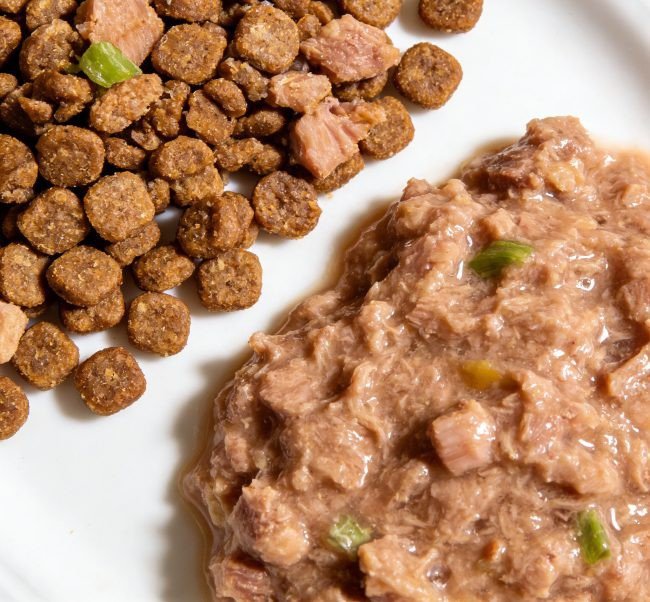
Managing my cat’s chronic pancreatitis taught me that food is just one piece of the puzzle. Consistency is paramount. Once you find a diet that works—evidenced by stable weight, normal energy, and no vomiting—stick with it. Avoid treats unless they are explicitly low-fat (like a single piece of freeze-dried chicken liver, broken up). I learned this the hard way after a single rich treat triggered a setback.
Hydration is equally critical. Pancreatitis can cause dehydration, and many cats are prone to urinary issues. I strongly recommend prioritizing wet food over dry for its moisture content. If your cat prefers dry food, consider adding water, bone broth (low-sodium), or a veterinary-recommended hydration supplement.
定期的な獣医検査は交渉不可です。猫が完璧に見えても、 2 年に一度の血液検査は膵臓酵素と全体的な健康をモニタリングし、積極的な調整を可能にします。.
6.避けるべき重要な注意点と一般的な落とし穴
- 膵炎の疑いのある猫を断食しないでください : 犬とは異なり、猫は断食しないでください。肝脂質症 ( 脂肪肝疾患 ) は重篤なリスクです。あなたの猫が 24 時間食べない場合は、食欲刺激薬や給餌管の検討のためにすぐに獣医に連絡してください。.
- “Grain—Free = Low—Fat ” に注意してください : これは大きな誤解である。多くの穀物フリーダイエットは、エンドウ豆、レンズ豆、および過剰な量の動物脂肪のような高脂肪成分で穀物を置き換えます。常に実際の脂肪率を確認します。.
- 食事の限界を理解する : 食事療法は状態を管理します; それはそれを治しません。一部の猫はまだストレスや他の根底にある問題のために時折のフレアアップを持っています。抗吐き気薬、疼痛管理、酵素サプリメントを含む包括的な計画について獣医と協力してください。.
- どんな変化でもゆっくりと移行する : ブランド、フレーバー、ロット番号を切り替えるかどうか、新しい食品を徐々に導入します。ネコの消化系、特に膵炎は変化に非常に敏感である。.
すい炎のための適切な猫の餌を選択することは、獣医学と個別ケアを融合させた微妙なプロセスです。低脂肪含有量、高消化性、一貫した摂食ルーチンに焦点を当てます。常に獣医が処方した食事療法を主なガイドとして使用し、長期メンテナンスのために店頭でのオプションを慎重に検討してください。あなたの注意深い観察と獣医とのパートナーシップは、あなたの猫の快適さと長期的な健康を確保するための最も強力なツールです。.

関連商品
ブルーバッファロー荒野の高タンパク質猫の食べ物
ブルーバッファロー荒野 Nature 's Evolutionary Diet 高タンパク質、穀物フリー大人の猫のための天然乾燥食品は.. 。
Purina 猫チョウ自然乾燥猫の食べ物 13 ポンド
プリーナ猫チョウナチュラル追加ビタミン、ミネラルと栄養素乾燥猫の食べ物、ナチュラルオリジナル、...
Purina Pro 計画体重管理猫の餌
Purina Pro プラン体重管理チキンとライス成人式乾燥猫の餌は...
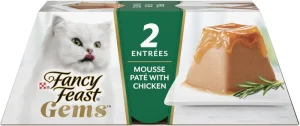
ファンシーフィースト宝石鶏のペイト猫の食べ物 8 パック
ファンシーフィースト宝石ペイト猫のフードムースと鶏肉と塩味のあるグレービーのハロー...
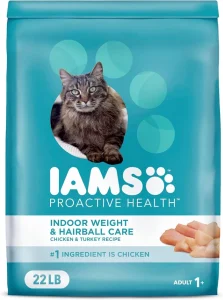
IAMS 屋内重量 & ヘアボール猫の餌
IAMS プロアクティブヘルス屋内体重管理 & ヘアボールケア大人のドライキャットフードは特別に...
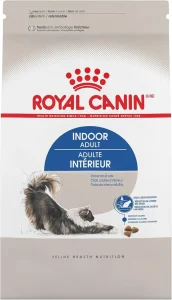
ロイヤルカニン屋内大人の乾燥猫の食べ物 — 7 ポンド
ロイヤルカニンネコ健康栄養屋内大人のドライキャットフードは、設計されたプレミアムフォーミュラです。