

猫にとって最も健康的な食べ物は何ですか ?獣医認証栄養ガイド

猫の飼い主として、「猫にとって最も健康的な食べ物は ? 」と尋ねる。単なる食品のリスト以上のものを求めています。あなたのペットの長期的な活力を保証する猫の栄養に関する包括的で信頼できるガイドが欲しいのです。猫にとって最も健康的な食事は、肉食動物としてのユニークな生物学的ニーズを満たすバランスの取れた種に適したものです。これは、高品質の動物性タンパク質、十分な水分、タウリンなどの特定の必須栄養素に主に焦点を当て、すべて彼らの生活段階や健康状態に合わせることを意味します。この獣医が承認したガイドは、複雑な栄養科学を明確で実行可能なアドバイスに統合し、あなたの猫のボウルと幸福のために最も情報に基づいた選択をする力を与えます。.
猫は小さな犬でも、雑食動物でもない。彼らの生理学は肉ベースの食事のために絶妙に調整されています。「強制食肉」として知られるこの生物学的義務は、動物組織にのみ含まれる栄養素に対する重要な食事要件を持っていることを意味します。彼らの体は、植物源から特定のビタミンやアミノ酸を合成するのに効率が低い。例えば、心臓機能、視覚、生殖に不可欠なアミノ酸であるタウリンは、植物には欠落している。拡張性心筋症のような壊滅的な健康問題につながる。彼らの代謝は、炭水化物ではなくタンパク質と脂肪からエネルギーを得るために動いている。この基本的な真実を理解することは、最も健康的な食生活を提供する第一歩です。.
健康な猫の食事のコア栄養柱

栄養的に完全な食事はいくつかの主要な柱に基づきます。最初のものは 高品質タンパク質, 筋肉維持、免疫機能、および全体的な代謝に必須アミノ酸を提供する最も豊富な成分であるはずです。二つ目は 脂肪, 特に鶏油や魚油のような動物性脂肪は、皮膚、コート、細胞の健康にエネルギーと必須脂肪酸 ( アラキドン酸やオメガ 3 のような ) を供給します。三つ目は ビタミン · ミネラル 肝臓からのビタミン A 、カルシウム、骨のためのリンという正確な比率で、バランスのとれた商業的な食事や慎重に定式されたレシピを通じて最もよく供給されます。最も重要だがしばしば見落とされる柱は 水. .猫の渇きは低く、食物中の水分含有量は泌尿器と腎臓の健康にとって極めて重要です。.
商用猫の餌の解読 : 情報に基づいた選択をする方法
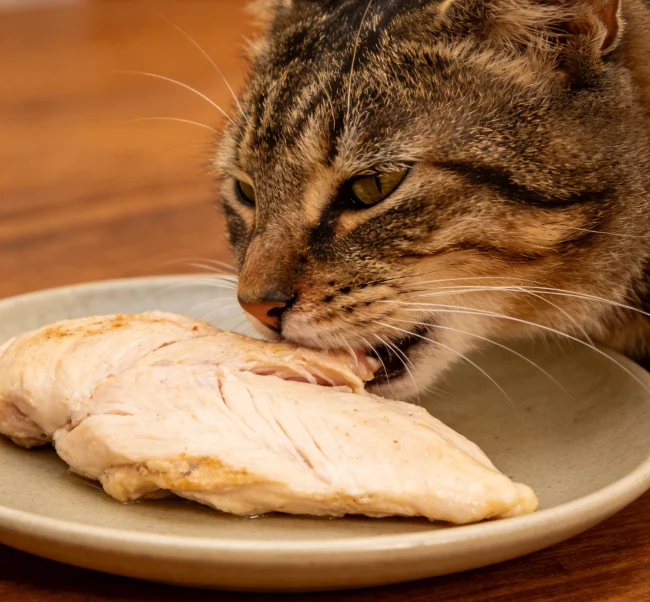
ペットフードの通路をナビゲートすることは圧倒的です。最も健康的な商業的な選択肢は、あなたの猫の特定の生命段階のために American Feed Control Officials Association ( AAFCO ) が設定した基準に従って「完全かつバランスのとれた」ものです。本当のスキルは、マーケティングクレームを超えてラベルを解釈することです。.
成分リスト & 保証分析: 成分は重量で記載されている。名前付きの動物性タンパク質を探します ( 例 :「鶏肉」、「サーモン」 ) は、一般的な「肉」や「鶏肉」ではなく、最初の成分です。「肉の副産物」 ( 肝臓、心臓などの清潔な内臓 ) は栄養素が高く、本質的に低品質ではないことを理解してください。保証された分析は、粗タンパク質と脂肪の最小パーセンテージと繊維と水分の最大パーセンテージを示します。比較のために使用しますが、食材の品質や消化性を示さないことを覚えてください。.
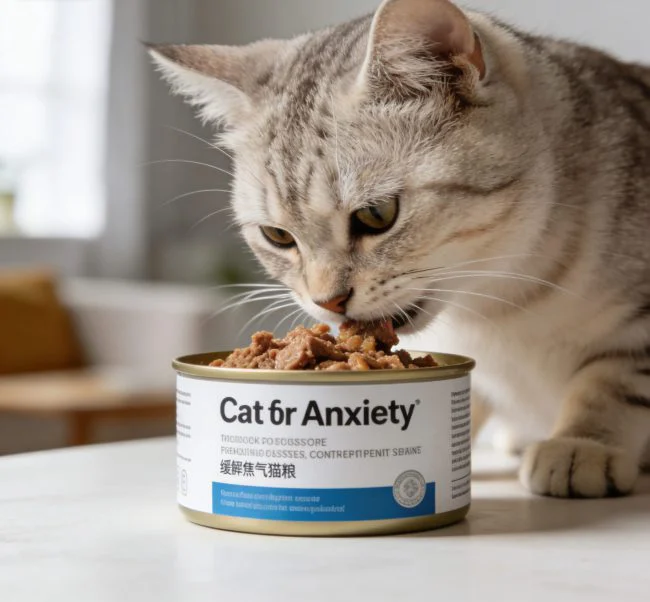
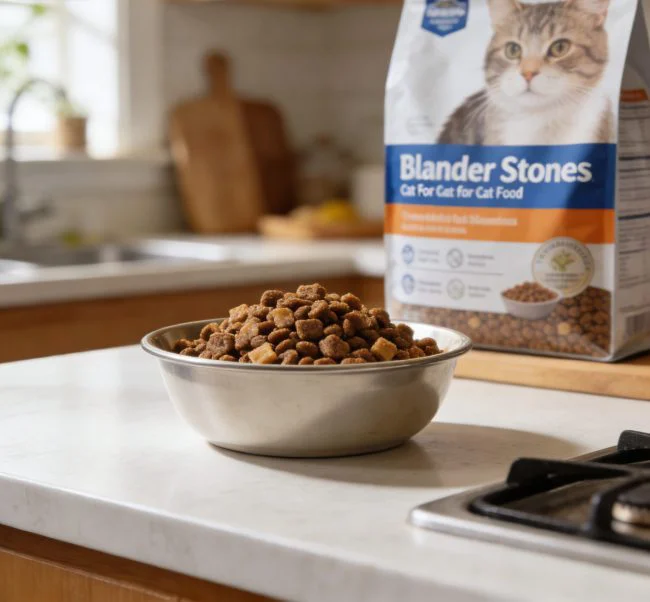
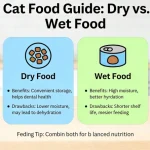
乾燥食品 vs. ウェットフード : これは重大な健康への影響を持つ重要な決定です。.
| 特長 | ウェット / 缶詰食品 | ドライ / キブル |
|---|---|---|
| 水分含有量 | 高い ( 70 — 80% ) | 低い ( 5 — 10% ) |
| Primary Health Benefit | Promotes hydration, supports urinary tract health, lower in carbohydrates | Convenient, can aid dental tartar reduction through chewing (but not a substitute for brushing) |
| Protein & Carb Typical Profile | Often higher protein, lower carbohydrates | Often higher carbohydrates (needed for kibble form), variable protein |
| Cost & Storage | Typically more expensive per calorie, requires refrigeration after opening | More calorie-dense, cost-effective, easy to store |
For optimal health, many veterinarians recommend a diet primarily or exclusively of wet food, or at least incorporating it regularly to increase total water intake.
Beyond the Bag: Safe Human Foods & The Reality of Homemade Diets

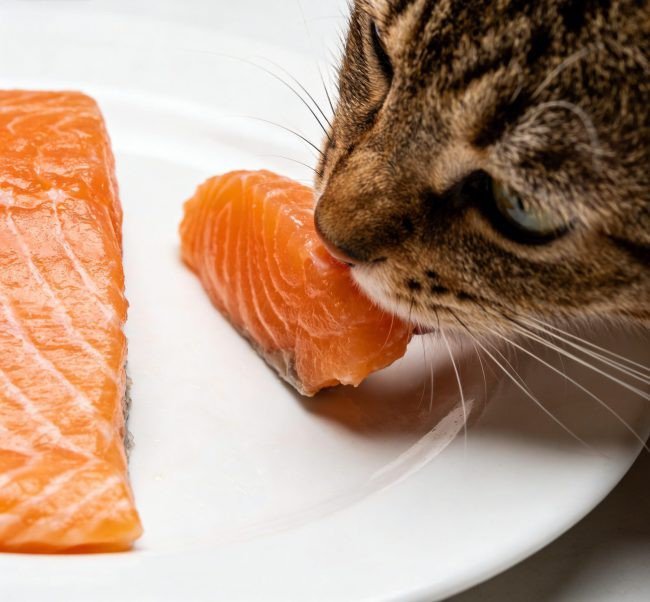
While a complete commercial diet is safest, some human foods can be offered as occasional treats. Safe options include cooked, unseasoned chicken, turkey, or fish (boneless), small amounts of cooked egg, and certain vegetables like steamed broccoli or carrot. Always avoid onions, garlic, chives, grapes, raisins, chocolate, caffeine, alcohol, and xylitol (an artificial sweetener), as these are toxic.
The Homemade Diet Challenge: Driven by a desire for control and wholesomeness, some owners consider homemade meals. It is critical to understand that simply feeding cooked meat or fish is not nutritionally complete and will lead to severe deficiencies or excesses over time. A 2026 review in the Journal of Feline Medicine and Surgery concluded that over 95% of homemade recipes found online are deficient in at least one essential nutrient. If you are determined to pursue this path, it is non-negotiable to work with a board-certified veterinary nutritionist. They will formulate a recipe specific to your cat, prescribe necessary supplements (like calcium, taurine, and vitamin mixes), and recommend regular blood work to monitor health.
Tailoring Nutrition: Life Stage and Health Considerations

The “healthiest” diet evolves throughout a cat’s life. Kittens require food labeled for “growth” or “all life stages,” which is higher in calories, protein, and minerals like calcium. Adult cats (1-7 years) need maintenance diets to support an ideal body condition. Senior cats (7+ years) may benefit from diets with adjusted protein levels (high-quality, easily digestible protein remains crucial), added joint support nutrients, and controlled phosphorus for kidney health. Cats with medical conditions such as chronic kidney disease, diabetes, food allergies, or obesity require therapeutic diets prescribed by a veterinarian. Never put a cat on a medically restricted diet without professional guidance.
A Practical Guide to Cost vs. Nutritional Value
Providing a healthy diet doesn’t always mean buying the most expensive brand. Value lies in nutritional adequacy, not price tag. Compare the cost per calorie, not per can or bag. Mid-priced brands that meet AAFCO standards and have a named meat as the first ingredient can be excellent choices. Investing in higher-quality food can be preventative healthcare, potentially reducing future veterinary costs for issues like urinary crystals or obesity-related diabetes. For budget-conscious owners, incorporating a portion of a high-quality wet food into a balanced dry diet can boost nutrition and hydration affordably.
Implementing Change: Transition Plans and Problem-Solving
Switching foods must be done gradually over 7-10 days to avoid gastrointestinal upset. Start by mixing 25% new food with 75% old, gradually increasing the ratio. For finicky eaters or multi-cat households, strategies like scheduled feeding times (rather than free-feeding), using puzzle feeders for mental stimulation, and separating cats during meals can promote healthy eating habits. Always ensure fresh water is available in multiple locations, away from the food bowl.
よくある質問 ( FAQ )
Q: Is dry food or wet food healthier for my cat?
For most cats, wet food is considered healthier due to its high moisture content, which supports kidney and urinary tract health. It is also typically lower in carbohydrates. Dry food is more convenient and can help with dental health through mechanical scraping, but it should not be the sole source of nutrition. A combination or a primarily wet diet is often recommended by veterinarians.
Q: Can I feed my cat a vegetarian diet?
No. Cats are obligate carnivores and require nutrients like taurine, vitamin A, and arachidonic acid that are not available in sufficient or bioavailable forms from plants. A vegetarian diet will lead to severe, life-threatening nutritional deficiencies and is considered inhumane.
Q: How often should I feed my cat?
This depends on age and lifestyle. Kittens need multiple small meals (3-4 times daily). Most adult cats do well with two measured meals per day. Scheduled feeding helps prevent obesity. Some cats, especially those prone to urinary issues, may benefit from more frequent, smaller meals. Consult your vet for a personalized plan.
Q: Are grain-free diets better for cats?
Not necessarily. True food allergies to grains are rare in cats; they are more commonly allergic to animal proteins. Grain-free diets often replace grains with other carbohydrate sources like potatoes or legumes. Recent veterinary research has focused on a potential link between some grain-free diets (high in legumes) and heart disease in dogs, and while a direct link in cats is less clear, it underscores the importance of choosing diets based on nutritional science, not trends.
Q: What human foods are absolutely toxic to cats?
You must avoid onions, garlic, chives, leeks, grapes, raisins, chocolate, caffeine, alcohol, raw yeast dough, and any foods containing the sweetener xylitol. Even small amounts of these can cause serious illness or death.
Q: How can I tell if my cat’s food is high quality?
Look for an AAFCO nutritional adequacy statement for your cat’s life stage. The first ingredient should be a specified animal protein (e.g., “deboned chicken”). Avoid foods with excessive fillers like corn, wheat, or soy listed in the top ingredients, and those with artificial colors, flavors, or preservatives like BHA/BHT.
Q: My cat is overweight. What is the healthiest diet for weight loss?
最も健康的なアプローチは、獣医監督の減量計画です。それは典型的にカロリー管理ダイエットを含み、しばしば満腹を促進するためにタンパク質と繊維を多く含む処方体重管理食品です。通常の食事の部分サイズを減らすだけで、栄養欠乏につながる可能性があります。遊びや運動の増加も重要な要素です。.
Q : 猫にミルクを与えても安全ですか ?
一般的なイメージにもかかわらず、ほとんどの成猫は乳糖不耐性である。牛乳は、下痢を含む消化障害を引き起こす可能性があります。特別な「猫のミルク」製品はラクトースフリーで、時折のトリートメントとして安全ですが、水は常に主要な飲み物であるべきです。.
Q : 屋内猫は屋外猫とは異なる食事が必要ですか ?
はい、よく。屋内猫は活動性が低く、カロリー摂取量が低い傾向があります。彼らは「屋内」または「体重管理」のライフスタイルのために定式された食事の恩恵を受け、しばしば繊維が高く、肥満を防ぐために注意深く管理されたカロリー密度を持っています。.
Q : 新しい餌に猫を切り替えるには ?
胃の動揺を避けるために 7 — 10 日間にわたってゆっくり移行。251 TP 3 T の新しい食べ物と 751 TP 3 T の古い食べ物を数日間ミックスして始め、 50 / 50 のミックスに移り、 751 TP 3 T の新しい / 251 TP 3 T の古いミックスに移り、最終的に新しい食べ物に完全に切り替えます。下痢や嘔吐が発生した場合は、移行をさらに遅らせます。.
Q : 猫の餌の副産物を心配すべきですか ?
必ずしもない。ペットフードの文脈では、「副産物」は清潔で栄養価の高い内臓 ( 肝臓、心臓、肺など ) を指し、猫にとって非常に美味しく栄養価の高いものです。彼らは「フィラー」ではない。懸念は、曖昧な調達 ( 例えば、「肉の副産物」 vs. 「鶏肉の副産物」 ) 。.
Q : 生食は猫にとって健康的ですか ?
生食は、細菌汚染を含む重大なリスクを伴います ( サルモネラ菌、 E 。大腸菌 ) ペットと家庭の両方に寄生虫感染症の可能性があります。支持者は利点を挙げているが、アメリカ獣医学会を含むほとんどの獣医学組織は公衆衛生上のリスクから生食を推奨していない。追求される場合は、獣医栄養士の厳格な指導の下で行わなければなりません。.
Q : 猫は毎日どれくらいの水を飲むべきですか ?
一般的なガイドラインは、猫は 1 日に体重 1 kg あたり約 50 — 60 ml の水を消費することです。濡れた餌を食べている猫は、食事から多くの水を得るため、ほとんど飲まないことがあります。乾燥した食べ物を飲む猫はもっと飲む。常に広く清潔なボウルで新鮮で清潔な水を供給します ( 一部の猫は噴水を好みます ) 。.
Q : 良質な商用猫餌の兆候は何ですか ?
特徴は :1 TP 5 T 1 成分として命名された動物性タンパク質、 AAFCO 声明、適切なライフステージラベル、製造業者についての透明性、人工色 / 香料の欠如。有名なブランドはしばしば獣医栄養士を雇用し、給餌試験を実施する。.
あなたの猫に最も健康的な食事を提供することは、長く活気に満ちた生活を保証する最もインパクトのある方法の 1 つです。義務的な肉食動物としてのネコの栄養の中核原則を理解するには、マーケティング誇大宣伝を超えて進む必要があります。良質な動物性タンパク質、必須栄養素、および適切な水分補給を優先し、主に濡れた餌を通して、猫の個々のニーズに合わせて選択します。最も完璧な食事計画は、パーソナライズされたアドバイスと定期的な健康モニタリングを提供できる獣医とのパートナーシップによって常に実施されるべきです。餌のボウルでの情報に基づいた選択は、猫の健康と幸福に直接投資します。.

関連商品
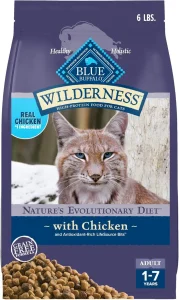
ブルーバッファロー荒野の高タンパク質猫の食べ物
ブルーバッファロー荒野 Nature 's Evolutionary Diet 高タンパク質、穀物フリー大人の猫のための天然乾燥食品は.. 。
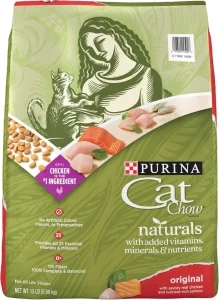
Purina 猫チョウ自然乾燥猫の食べ物 13 ポンド
プリーナ猫チョウナチュラル追加ビタミン、ミネラルと栄養素乾燥猫の食べ物、ナチュラルオリジナル、...
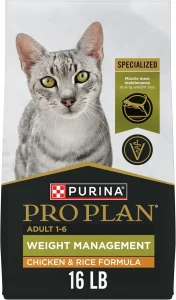
Purina Pro 計画体重管理猫の餌
Purina Pro プラン体重管理チキンとライス成人式乾燥猫の餌は...
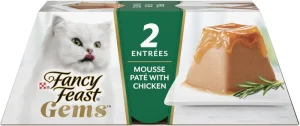
ファンシーフィースト宝石鶏のペイト猫の食べ物 8 パック
ファンシーフィースト宝石ペイト猫のフードムースと鶏肉と塩味のあるグレービーのハロー...
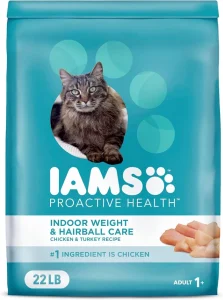
IAMS 屋内重量 & ヘアボール猫の餌
IAMS プロアクティブヘルス屋内体重管理 & ヘアボールケア大人のドライキャットフードは特別に...
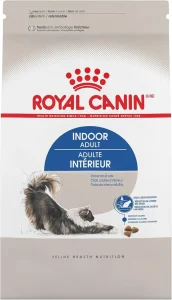
ロイヤルカニン屋内大人の乾燥猫の食べ物 — 7 ポンド
ロイヤルカニンネコ健康栄養屋内大人のドライキャットフードは、設計されたプレミアムフォーミュラです。