




Self Cleaning Litter Box Worth It?An Honest Review for Cat Owners

If you’re a cat parent, you’ve likely dreamed of a magic solution to the least pleasant part of pet ownership: scooping the litter box. The promise of a self-cleaning litter box is alluring—a perpetually fresh bed for your cat and a hands-off experience for you. But with premium price tags often running into hundreds of dollars, the critical question remains: is a self-cleaning litter box worth it? At PawLitter, we’ve tested these high-tech boxes in real homes with real cats to cut through the hype. This comprehensive guide breaks down the pros, cons, and key considerations to help you decide if this investment is right for you and your feline friend.
How Do Self-Cleaning Litter Boxes Actually Work?
Before diving into the value, it’s essential to understand the mechanics. Most self-cleaning boxes operate on one of a few principles:
- The Rake System: After a sensor detects your cat has left the box, a timer counts down (usually 5-15 minutes) before a mechanized rake sweeps across the surface, separating clumps and depositing them into a sealed waste drawer.
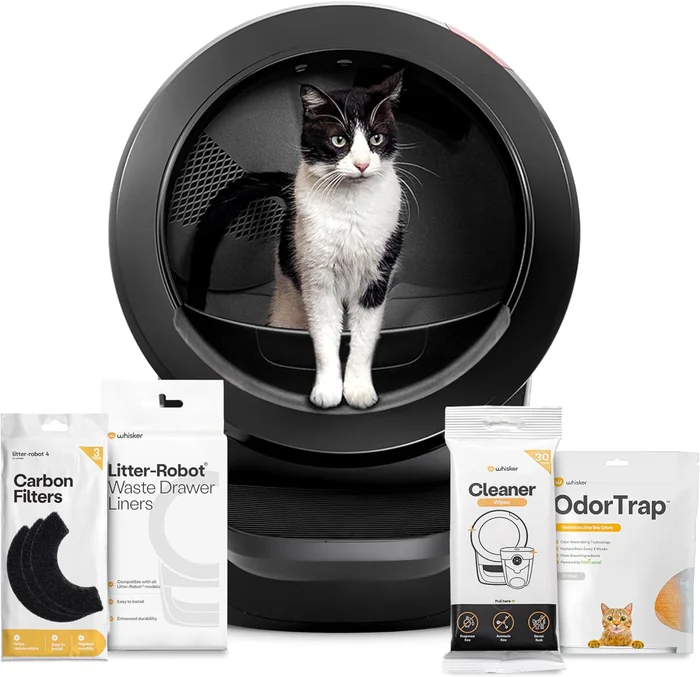
- The Rotating Globe (Sifting): The entire litter chamber, often a globe or dome, rotates after use. The clumps fall through a sifting screen into a waste compartment below, while the clean litter is returned to the main bed.
- The Conveyor Belt: A less common but innovative system where a conveyor belt slowly moves used litter through a sifting process, depositing waste into a sealed container.
Regardless of the system, the goal is the same: automate the scooping process to maintain a consistently clean environment. This ties directly into the importance of proper litter box placement to ensure your cat feels safe using this new technology.
The Pros: Why You Might Fall in Love with an Automatic Litter Box
When they work as intended, self-cleaning litter boxes offer significant benefits that can genuinely improve your quality of life.
1. Unmatched Convenience and Time-Saving
This is the biggest draw. For busy individuals, families, or those with mobility issues, eliminating the daily chore of scooping is a game-changer. The box handles the dirty work, and you only need to empty the waste drawer every few days to a week, depending on the number of cats.
2. Superior Odor Control
Because waste is removed and sealed away minutes after your cat uses the box, odor has less chance to permeate your home. This is a major advantage over traditional boxes where waste can sit for hours. For those concerned about air quality, this also helps minimize inhaling cat litter dust from disturbed waste.
3. A Consistently Clean Space for Your Cat
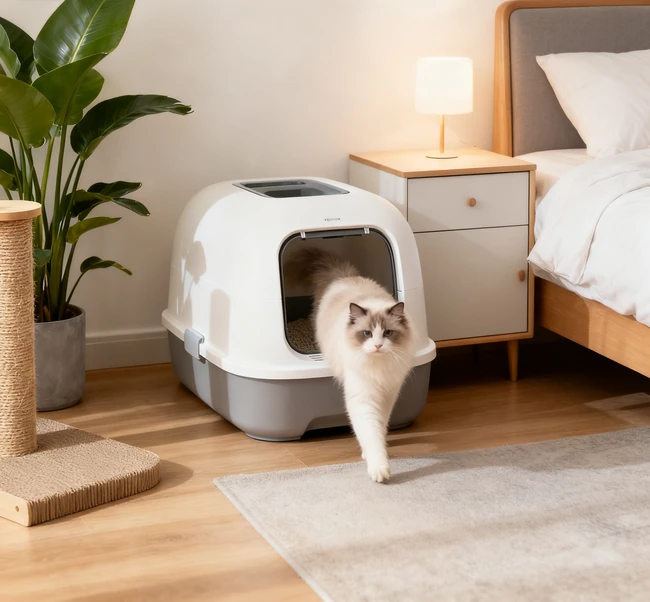
Cats are fastidious creatures and many prefer a pristine bathroom. A self-cleaning box provides just that, which can help prevent accidents outside the box. This is especially helpful during the initial stages of litter training a cat, as cleanliness is a key factor for success.
The Cons: The Potential Downsides and Drawbacks
Our testing at PawLitter has revealed that these devices are not a perfect solution for every home. It’s crucial to weigh these potential issues.
1. The Significant Upfront Cost
High-quality automatic litter boxes are a substantial investment, often costing between $200 and $800. This is the single biggest barrier for most people and must be weighed against the long-term convenience.
2. Potential for Mechanical Failure
More moving parts mean more potential points of failure. Jams can occur from overly wet clumps, faulty sensors, or even a curious cat interrupting the cycle. Repairs can be costly and complex.
3. The “Spook Factor” for Some Cats
The noise and movement of the cleaning cycle can frighten timid or skittish cats. A negative introduction can lead to a cat outright refusing to use the box, creating a serious behavioral problem. It’s vital to follow transition protocols carefully.
4. Ongoing Costs and Specific Litter Requirements
Most self-cleaning boxes require specific types of clumping litter to function correctly. Using the wrong litter can void warranties and cause jams. You’ll also need to purchase proprietary waste drawer liners or compatible trash bags regularly. This is a different consideration from understanding what is the use of cat litter in a traditional sense.
Self-Cleaning vs. Traditional Litter Box: A Quick Comparison
| Feature | Self-Cleaning Litter Box | Traditional Litter Box |
|---|---|---|
| Initial Cost | High ($200 – $800+) | Low ($10 – $50) |
| Maintenance Effort | Low (empty drawer weekly) | High (scoop daily, deep clean weekly) |
| Odor Control | Excellent (immediate waste removal) | Variable (depends on scooping frequency) |
| Cat Acceptance | Can be a challenge; requires acclimation | Typically high; familiar and non-threatening |
| Reliability | Risk of mechanical jams/failures | Highly reliable (no moving parts) |
| Best For | Busy households, multi-cat homes, tech-savvy owners | Budget-conscious owners, timid cats, simple solutions |
Who is a Self-Cleaning Litter Box REALLY For?
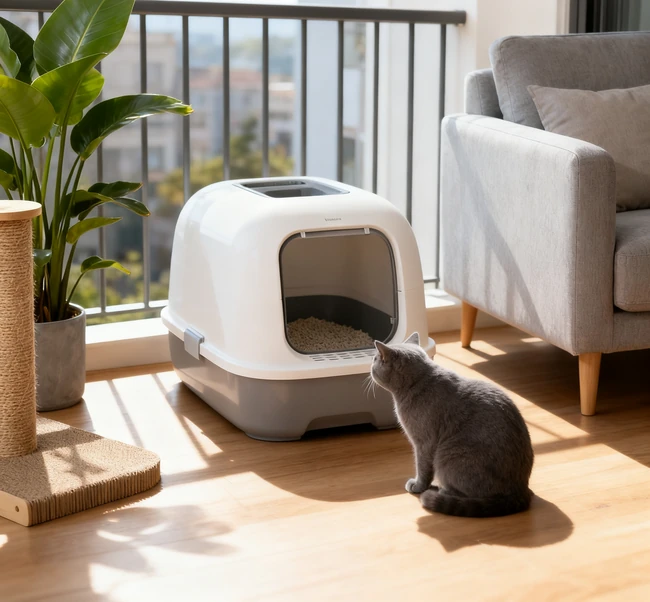
Based on our hands-on testing, these boxes are an excellent fit for specific situations:
- Multi-Cat Households: Drastically reduces the scooping workload and helps manage odor from multiple sources.
- Busy Professionals & Frequent Travelers: Ensures the cat always has a clean box, even if you work long hours or have a pet sitter who visits less frequently.
- Individuals with Mobility or Health Issues: Eliminates the need to bend and scoop, which can be a significant quality-of-life improvement.
However, they may be a poor choice for:
- Households with easily frightened or senior cats set in their ways.
- Those on a tight budget, given the high initial and ongoing costs.
- Owners who prefer the simplicity and reliability of a non-mechanized solution.
Key Considerations Before You Buy
Don’t just look at the price tag. Here are the critical factors we evaluate in our PawLitter litter box reviews & guides:
- Your Cat’s Temperament: Is your cat curious and bold, or nervous and cautious? This is the most important predictor of success.
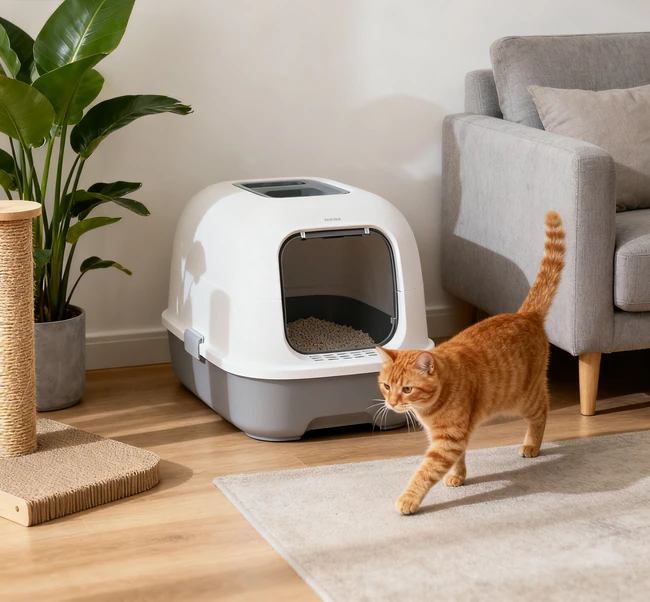
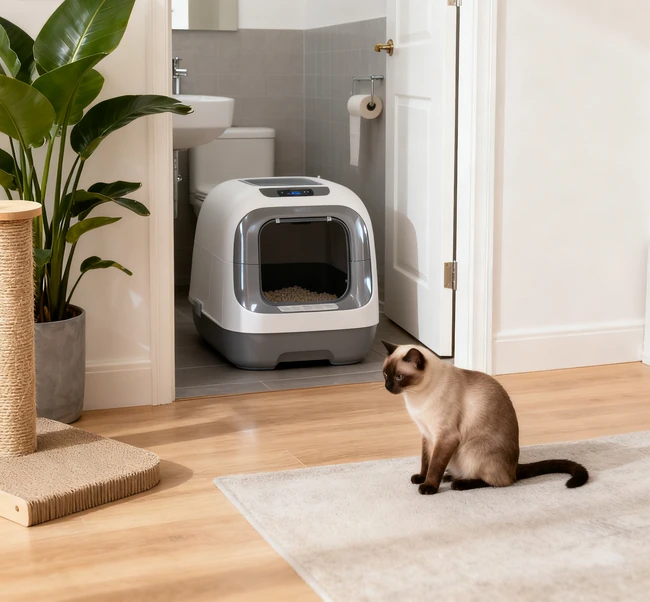
- Size and Space: These units are typically large. Ensure you have an appropriate spot that also adheres to good litter box placement guidelines.
- Litter Compatibility: Check the manufacturer’s requirements. Your favorite type of cat litter might not be compatible.
- Waste Disposal: How easy is it to empty the drawer? Consider this alongside our guide on how to dispose of cat litter for a complete waste management strategy. Remember, putting cat litter in the toilet is generally not recommended.
Frequently Asked Questions (FAQs)
Are self-cleaning litter boxes safe for cats?
Generally, yes, when used as directed. Reputable models have safety features like weight sensors that stop the cycle if a cat enters and infrared sensors to detect movement. However, it’s crucial to supervise the initial introductions and ensure your cat is completely comfortable with the machine’s sounds and movements before relying on it full-time.
Can multiple cats use one self-cleaning box?
Most manufacturers recommend one self-cleaning box per cat, plus one extra—the same rule as for traditional boxes. While a high-end model might handle two cats, overloading it will fill the waste drawer too quickly and increase the risk of mechanical issues. For multi-cat solutions, it’s best to have a mix of automatic and traditional boxes.
What happens if the power goes out?
The box will simply stop cleaning automatically. It will function as a standard, albeit very expensive, litter box until power is restored. You will need to scoop it manually during this time. Some Wi-Fi connected models may lose their settings and need to be reconfigured.
Is it okay to use any type of cat litter?
No. This is critical. Most self-cleaning boxes are engineered to work with specific clumping clay litters. Using non-clumping, crystal, or lightweight litters can cause severe jams and permanent damage. Always consult the user manual. Understanding what litter is for cats in the context of your specific box is key.
Can you flush the waste from a self-cleaning box?
This is not recommended. The waste is mixed with clumping clay litter, which should never be flushed. Even if you use a flushable litter, the volume and mechanics of most self-cleaning boxes aren’t designed for it. For safe disposal, refer to our guide on flushing cat poop without litter and our complete litter disposal guide.
How does PawLitter test and evaluate self-cleaning litter boxes?
At PawLitter, our reviews are built on a foundation of trust and real-world experience. We conduct hands-on testing for a minimum of 30 days in real home environments with cats of different temperaments. We evaluate based on key criteria: ease of setup, odor control, noise level, reliability, ease of cleaning, and most importantly, cat acceptance. We are transparent about our affiliate partnerships and prioritize the cat’s comfort and the owner’s practical needs over any brand relationship.
Related Topics
- Which Type of Cat Litter is Best?
- Where Should You Not Put a Litter Box?
- Is It Safe to Sleep in a Room with a Cat Litter Box?
- How to Litter Train a Cat
- What is the Use of Cat Litter?
Final Verdict: Is a Self-Cleaning Litter Box Worth It?
So, is a self-cleaning litter box worth the investment? The answer is a definitive “it depends.” For the right person and the right cat, it can be a life-changing convenience that enhances the human-feline bond by removing a major chore. The benefits of a perpetually clean box and superior odor control are very real.
However, the high cost, potential for technical issues, and risk of feline rejection are significant hurdles. The most successful adopters are those who go in with realistic expectations, understand their cat’s personality, and are prepared for the specific maintenance requirements.
Ultimately, the best litter box is one that your cat will use consistently and happily. Whether that’s a high-tech marvel or a simple traditional pan, the goal is the same: a clean, comfortable, and stress-free bathroom experience for your beloved pet. For more in-depth, unbiased reviews and guides to help you make the best choice for your home, explore the rest of our resources at PawLitter.

Related Articles
 Automatic Cat Litter Box
How Often Should You Change Cat Litter?A Vet-Reviewed Guide
 Automatic Cat Litter Box
How to Train a Kitten to Use a Litter Box?A Stress-Free Guide
 Automatic Cat Litter Box
Which Type of Cat Litter is Best?The Ultimate Guide for Cat Owners
 Automatic Cat Litter Box
What is a Litter for Cats?A Complete Guide for Cat Owners
 Automatic Cat Litter Box
How Many Litter Boxes Per Cat?The Ultimate Guide for a Happy Home
 Automatic Cat Litter Box