

Should cats eat dry or wet food? The Vets Guide to Choosing

Choosing between dry and wet food for your cat is a common dilemma for pet owners, and the answer isn’t a simple one-size-fits-all. The best choice depends on your individual cat’s health, age, lifestyle, and even personal preference. This comprehensive, evidence-based guide will cut through the confusion by comparing the key benefits and drawbacks of each, providing a clear framework for your decision, and offering practical advice from veterinary nutritionists. Ultimately, a combination of both often yields the best results, promoting optimal hydration, nutrition, and enjoyment for your feline friend.
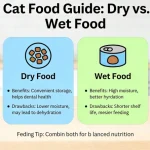
At their most basic, wet and dry cat foods are defined by their moisture content and processing method. Wet food, typically found in cans, pouches, or trays, contains about 75-85% water, closely mimicking the moisture content of natural prey. Dry food, or kibble, contains only about 6-10% water, having had the moisture removed through baking or extrusion to create a shelf-stable product. This fundamental difference drives nearly every other comparison point, from health impacts to cost and convenience. Understanding this moisture gap is the first step to making an informed nutritional choice for your cat.
The Benefits of Wet Cat Food
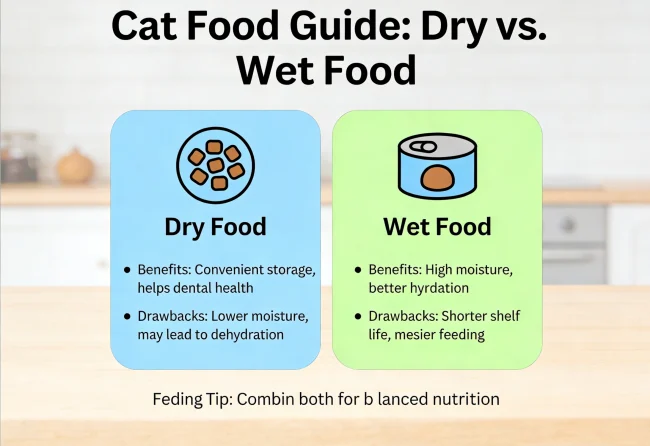
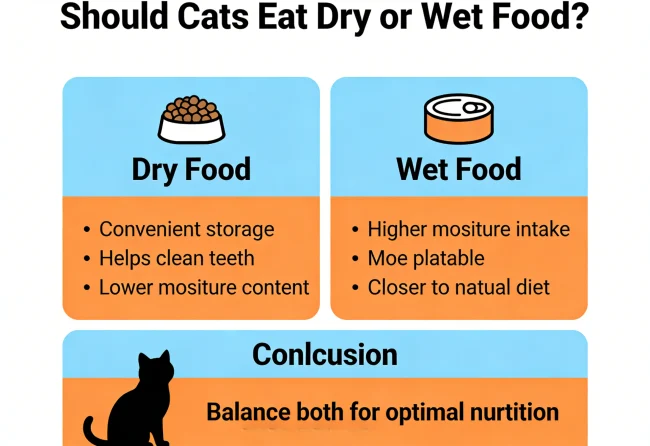
The high moisture content of wet food is its most significant advantage. Cats have a low natural thirst drive, a trait inherited from desert-dwelling ancestors who obtained most of their water from prey. Feeding wet food is the most effective way to increase their total water intake, which is crucial for supporting kidney function, promoting urinary tract health by producing dilute urine, and preventing conditions like feline idiopathic cystitis. Furthermore, wet food is generally higher in protein and lower in carbohydrates than dry food, aligning better with a cat’s obligate carnivore physiology. It’s also highly palatable and easier to eat for kittens, seniors, or cats with dental issues, though it does not clean teeth.
The Benefits of Dry Cat Food
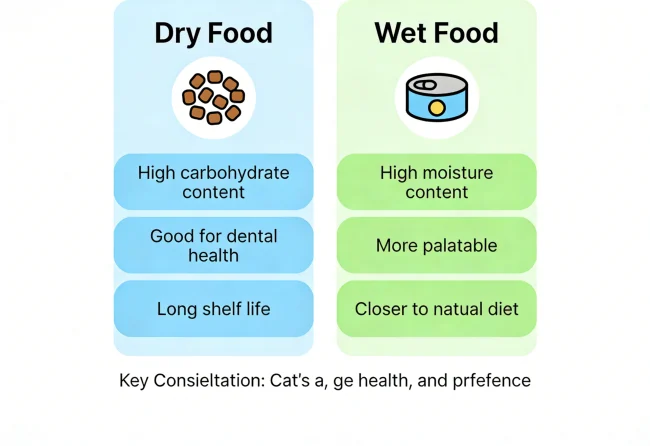
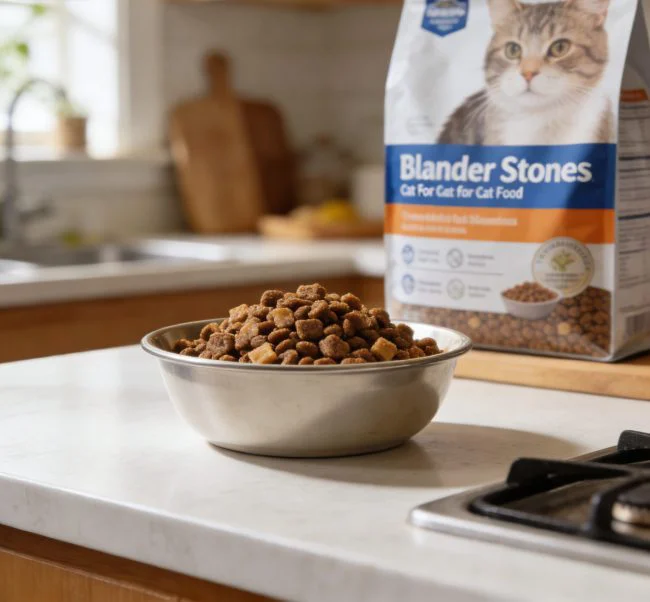
Dry food offers unparalleled convenience and cost-effectiveness for many owners. Its long shelf life once opened and ease of portioning for free-feeding or puzzle feeders make it a practical choice for busy households. It is also more energy-dense, meaning cats need to eat a smaller volume to meet their caloric needs. A common belief is that the mechanical abrasion from chewing kibble helps clean teeth; however, veterinary dental specialists note this effect is minimal unless the kibble is specifically designed with a dental texture and proven by the Veterinary Oral Health Council (VOHC). For dental health, dedicated brushing or dental treats are far more effective.
Potential Drawbacks of Each Format
Each food type has trade-offs. For wet food, the primary drawbacks are cost per calorie, shorter shelf life once opened, and potential messiness. It can also contribute to faster tartar buildup if not supplemented with dental care. For dry food, the major concern is chronic low-level dehydration, especially in cats who don’t drink enough water, potentially straining the kidneys over time. Its high carbohydrate content in some formulas can be a issue for weight management and diabetic cats. Relying solely on dry food also misses the hydration benefits critical for long-term urinary health.
How to Choose: A Personalized Decision Framework
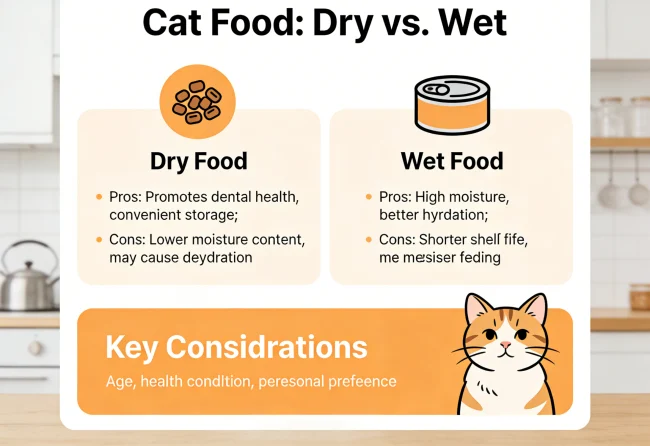
The decision shouldn’t be about which food is universally “better,” but which is better for your cat. Use this framework to evaluate.
Life Stage: Kittens benefit from the easy-to-eat, protein-rich nature of wet food, while highly active adults may utilize the caloric density of quality dry food. Seniors, particularly those with early kidney changes, often thrive on the increased moisture and easier digestion of wet food.
Health Status: For cats with a history of urinary crystals, kidney disease, diabetes, or constipation, the high moisture content of wet food is often medically recommended. For obese cats, carefully measured portions of a weight-management dry or wet food can be effective, but volume-for-volume, wet food can promote satiety with fewer calories.
Lifestyle & Budget: Multi-cat households or busy schedules might find the simplicity of dry food advantageous. However, budget should factor in long-term veterinary costs; investing in wet food for hydration may prevent expensive urinary or kidney issues later.
Cat Preference: Some cats are notoriously picky. Their willingness to eat is paramount, so finding a nutritious option they enjoy—whether wet, dry, or a mix—is essential.
The Best of Both Worlds: A Guide to Feeding a Mixed Diet
Feeding a combination of wet and dry food is an increasingly popular strategy endorsed by veterinarians to balance hydration, nutrition, and practicality. Here is a safe, step-by-step protocol:
- Transition Slowly: Over 7-10 days, mix increasing amounts of the new food type with the old to avoid gastrointestinal upset.
- Establish a Routine: Offer wet food at set meal times (e.g., morning and evening) to monitor intake. Provide a measured portion of dry food for free-feeding or in a puzzle toy for the day.
- Monitor Calories: Use the feeding guidelines on both packages to calculate total daily calorie needs and avoid overfeeding. A common starting ratio is 50/50 by calorie, not volume.
FactorWet FoodDry FoodMixed Diet (Example)Primary BenefitSuperior HydrationConvenience & CostBalanced Hydration & PracticalityMoisture Content75-85%6-10%Varies (e.g., ~50% total intake)Dental Health ImpactMinimal to noneMinimal (unless VOHC approved)Requires separate dental careCost (Per Calorie)HigherLowerModerateBest ForUrinary/Kidney health, picky eatersMulti-cat homes, busy schedulesMost cats, for balanced long-term health
Addressing Common Myths and Veterinarian Insights
Let’s clarify widespread misconceptions with evidence-based answers.
Myth: Dry food cleans teeth effectively. While some kibble is designed for dental health, most generic dry food shatters on contact and provides no cleaning benefit. The gold standard remains daily tooth brushing.
Myth: Wet food causes dental decay. It doesn’t cause decay but can allow plaque to build up faster. This is managed with proper dental hygiene, not by avoiding wet food.
Insight: Water fountains and broths. For cats on dry food, a cat water fountain can encourage drinking. Adding a bit of water, tuna juice, or a vet-approved hydration broth to wet or dry food can further boost fluid intake.
Insight: The protein quality matters most. Whether wet or dry, look for a food that lists a named animal protein (like chicken, salmon) as the first ingredient and is labeled “complete and balanced” by AAFCO for your cat’s life stage.
Final Recommendations and Summary
There is no single winner in the dry versus wet food debate. For optimal feline health, prioritize moisture. This makes wet food a superior choice from a physiological standpoint, particularly for cats prone to urinary and kidney issues. However, dry food offers practical benefits that cannot be ignored. Therefore, the most balanced approach for the average healthy cat is a mixed diet. This strategy leverages the hydration of wet food and the convenience of dry food. Always introduce new foods gradually, monitor your cat’s weight and water intake, and discuss any dietary changes with your veterinarian, especially for cats with existing health conditions. Your cat’s ideal diet is as unique as they are.
Frequently Asked Questions (FAQ)
Q: Can I feed my cat only dry food?
Yes, but it requires diligence. Cats on a dry-only diet depend entirely on drinking water to meet their hydration needs. Many do not drink enough, which can predispose them to dehydration, concentrated urine, and a higher risk of urinary tract issues and chronic kidney disease over time. Providing a cat water fountain and monitoring water intake is crucial.
Q: Is wet food bad for my cat’s teeth?
Wet food itself is not inherently bad for teeth. However, because it doesn’t provide abrasion, it can allow plaque to accumulate more easily if no dental care is provided. Regardless of diet, all cats benefit from regular dental checkups and home care like brushing or dental treats to prevent periodontal disease.
Q: Which is better for a cat with kidney disease?
Veterinarians almost universally recommend wet food for cats with chronic kidney disease (CKD). The disease impairs the kidneys’ ability to concentrate urine, leading to increased water loss. The high moisture content in wet food helps combat dehydration, supports remaining kidney function, and makes cats feel better. Prescription kidney diets are available in both wet and dry forms, but the wet version is typically preferred.
Q: How much does cost really differ?
Cost varies by brand and quality. Typically, on a per-calorie basis, dry food is less expensive. However, a holistic view of “cost” should include potential long-term health impacts. Investing in wet food for its hydration benefits may help avoid costly veterinary treatments for urinary blockages or kidney disease later in your cat’s life.
Q: My cat is obese. Should I use wet or dry food?
Both can be part of a weight-loss plan, but wet food has advantages. It is less calorie-dense, meaning your cat can eat a larger, more satisfying volume for fewer calories. Its high water content also promotes fullness. The key is a precisely measured portion of a weight-management formula, prescribed by your vet, regardless of the type.
Q: Can I mix wet and dry food in the same bowl?
It’s generally not recommended to mix them in the same bowl for a single meal. Dry food can become soggy and unappealing, and if the cat doesn’t finish it, the wet food residue can cause the kibble to spoil quickly. It’s better to offer them as separate meals or in separate bowls if fed simultaneously.
Q: How do I transition my cat to a new food type?
Transition slowly over 7-10 days to prevent stomach upset. Start by mixing 25% of the new food with 75% of the old food for a few days, then go to a 50/50 mix, then 75% new/25% old, before switching completely. If your cat is very resistant, try different textures or flavors, or consult your vet for advice.
Q: Does dry food have more carbohydrates than wet food?
Generally, yes. The extrusion process used to make kibble often requires carbohydrates as a binding agent. While high-quality dry foods minimize carbs, wet foods, especially pâtés, typically have a lower carbohydrate content, which aligns better with a cat’s natural carnivorous diet.
Q: What about raw or homemade diets?
Raw and homemade diets are a separate category from commercial wet/dry food. They require meticulous formulation by a veterinary nutritionist to be complete and balanced. Incorrectly prepared diets can lead to severe nutritional deficiencies, bacterial contamination, and health risks. Commercial foods are formulated to meet all known nutritional requirements.
Q: Is grain-free food better?
Grain-free does not necessarily mean low-carb or healthier. Many grain-free foods simply replace grains with other carbohydrate sources like potatoes or peas. The focus should be on high-quality animal protein and appropriate fat levels, not solely the absence of grains, unless your cat has a diagnosed grain allergy (which is rare).

Related Products
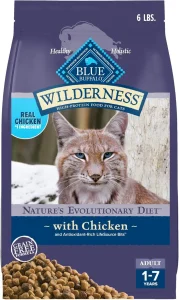
Blue Buffalo Wilderness High-Protein Cat Food
Blue Buffalo Wilderness Nature's Evolutionary Diet High-Protein, Grain-Free Natural Dry Food for Adult Cats is…
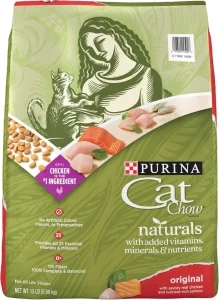
Purina Cat Chow Naturals Dry Cat Food 13 lb
Purina Cat Chow Naturals With Added Vitamins, Minerals and Nutrients Dry Cat Food, Naturals Original,…
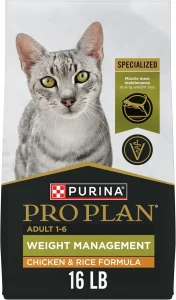
Purina Pro Plan Weight Management Cat Food
Purina Pro Plan Weight Management Chicken and Rice Adult Formula Dry Cat Food is a…
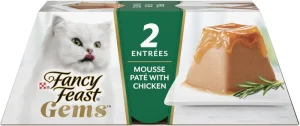
Fancy Feast Gems Chicken Pate Cat Food 8 Pack
Fancy Feast Gems Pate Cat Food Mousse with Chicken and a Halo of Savory Gravy…
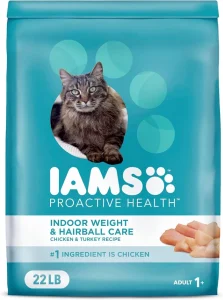
IAMS Indoor Weight & Hairball Cat Food
IAMS Proactive Health Indoor Weight Control & Hairball Care Adult Dry Cat Food is specially…
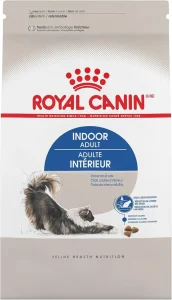
Royal Canin Indoor Adult Dry Cat Food – 7 lb
Royal Canin Feline Health Nutrition Indoor Adult Dry Cat Food is a premium formula designed…
Related Articles
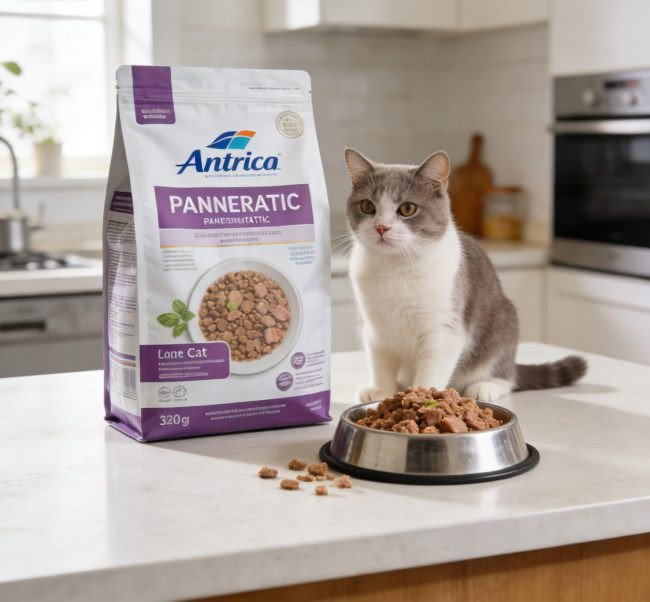 Cat Food & Treats FAQ
cat food for pancreatitis: A Veterinarian-Approved Guide to Nutritional Management and Diet Selection
 Cat Food & Treats FAQ
What is the healthiest thing for a cat to eat? A Vet-Approved Nutrition Guide
 Cat Food & Treats FAQ
cat food for anemia
 Cat Food & Treats FAQ
Best Cat Food for Constipation Relief: Expert Guide
 Cat Food & Treats FAQ
Best Cat Food for Low Energy: Expert Tips & Guide
 Cat Food & Treats FAQ