



The Best Cat Litter for Odor Control in 2025?Expert Tested & Reviewed


How We Chose the Best Odor-Control Litters
At PawLitter, our recommendations are never based on brand claims alone. We believe in hands-on, real-world testing to provide you with honest, actionable advice. Our team, comprised of dedicated cat owners and behavior enthusiasts, puts each litter through a rigorous evaluation process in a home environment for a minimum of 30 days. Our primary focus is always on cat health and comfort, ensuring our top picks are not only effective for odor control but are also a solution your cat will actually use.
Our Key Evaluation Criteria:
- Ammonia & Fecal Odor Neutralization: How well does it mask and eliminate both types of common litter box odors?
- Clumping Ability & Moisture Lock: Does it form solid, easy-to-remove clumps that trap urine moisture and smell?
- Dust & Tracking: Low dust is better for your cat’s respiratory health and your home’s cleanliness.
- Cat Acceptance: We observe our feline testers to ensure the litter’s texture and scent are acceptable to them.
- Longevity & Value: How long does the odor-fighting power last between complete changes?
Top Cat Litter Types for Superior Odor Control
Understanding the different categories of cat litter is crucial to making an informed choice. Each type has its own mechanism for controlling odor, and what works for one household might not be the best fit for another.
1. Clumping Clay Litter
This is the most common type of litter, and for good reason. It’s typically made from bentonite clay, which forms incredibly tight, solid clumps around urine and feces. This action physically traps the moisture and odor at the source, making daily scooping highly effective. Many premium clumping litters are enhanced with baking soda or carbon for additional odor absorption.
Pros: Excellent clumping, widely available, highly effective when maintained properly.
Cons: Can be dusty, heavy to carry, and is not biodegradable.
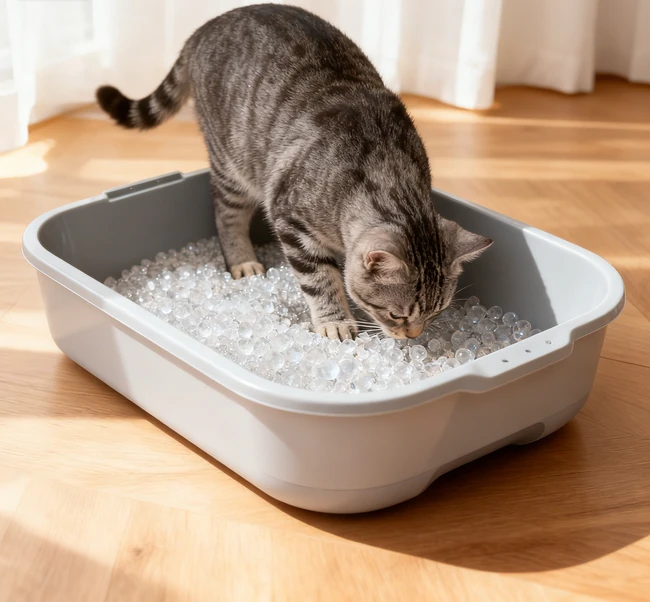
2. Silica Gel Crystal Litter
Silica gel litter is composed of porous beads that are extremely effective at absorbing moisture. The crystals work by pulling urine down into the core of the bead, leaving the surface dry and locking in odor. This type of litter is renowned for its long-lasting odor control, often requiring less frequent complete changes than clay.
Pros: Superb moisture absorption, very low dust, long-lasting.
Cons: Some cats dislike the texture, doesn’t clump for solid waste, can be more expensive.
3. Natural & Biodegradable Litters
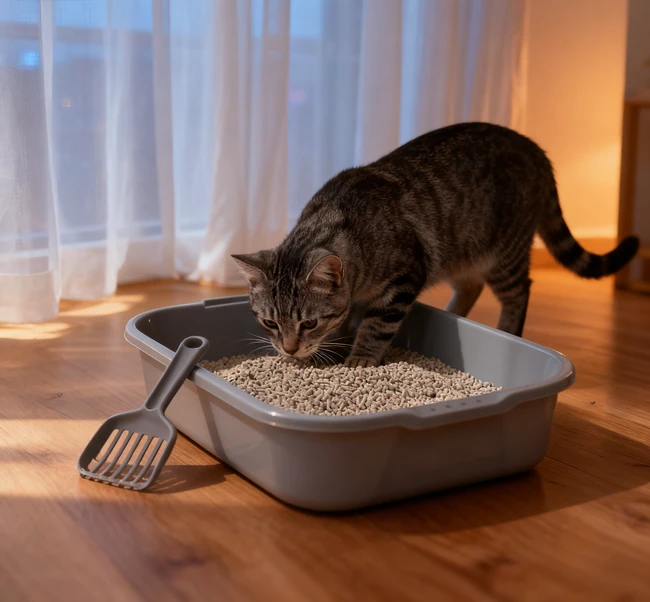
This category includes litters made from pine, wheat, corn, walnut shells, and paper. They control odor through natural absorbency and sometimes through natural enzymes. Pine, for example, releases a fresh scent when wet, while wheat and corn often have natural clumping properties.
Pros: Eco-friendly, often low dust, lightweight, and biodegradable.
Cons: Clumping may not be as firm as clay, some natural scents may deter certain cats, can be more prone to tracking.
Head-to-Head Comparison: Top Litter Contenders
Based on our extensive testing at PawLitter, here is a breakdown of how the leading litter types stack up against each other for odor control.
| Litter Type | Best For Odor Control | Dust Level | Clumping Quality | Price Point |
|---|---|---|---|---|
| Premium Clumping Clay | Urine & Ammonia Odor | Medium | Excellent | $$ |
| Silica Gel Crystals | Moisture & General Odor | Low | Non-Clumping | $$$ |
| Pine Pellet | Ammonia Odor | Very Low | Disintegrates | $ |
| Corn/Wheat Clumping | General Odor (if maintained) | Low-Medium | Good | $$ |
Pro Tips to Maximize Odor Control
Even the best cat litter can fail if not used correctly. Here are essential maintenance tips from our PawLitter litter box reviews & guides to ensure your home stays fresh.
- Scoop Daily (At Least!): Remove solid waste and urine clumps every day. This is non-negotiable for odor control.
- Use the Right Depth: Provide 2-3 inches of litter to allow for proper clumping and give your cat enough material to cover their waste.
- Deep Clean Regularly: Completely empty the box, wash it with mild, unscented soap, and refill with fresh litter every 2-4 weeks.
- Choose the Right Box: A box that’s too small will become soiled more quickly. For more on this, explore our PawLitter litter box reviews & guides.
- Consider a Litter Box Deodorizer: A sprinkle of baking soda or a commercial, cat-safe deodorizer at the bottom of the box can provide an extra layer of defense.
Frequently Asked Questions
What is the absolute best cat litter for strong odor control?
There is no single “best” litter for everyone, as it depends on your cat’s preferences, your maintenance routine, and specific odor concerns (e.g., ammonia vs. fecal smell). However, based on our testing, premium clumping clay litters with added odor neutralizers and silica gel crystal litters consistently deliver the most powerful and reliable all-around odor control for the majority of households.
Is scented or unscented litter better for odor?
This is a common point of confusion. Unscented litter is almost always the better choice. Scented litters work by masking odors with a perfumed fragrance, which can create an overwhelming, mixed smell of perfume and waste. Unscented litters focus on neutralizing and trapping odors at the source, which is a more effective and less irritating solution for both you and your cat’s sensitive nose.
How does PawLitter test and evaluate cat litter for odor control?
At PawLitter, we conduct real-world testing for a minimum of 30 days in home environments with actual cats. We evaluate odor control by monitoring how well the litter neutralizes both urine (ammonia) and fecal odors over time, its clumping integrity for easy waste removal, dust production, and most importantly, cat acceptance. We are transparent about our use of affiliate links, but our reviews are never sponsored, and our ratings are never for sale. Our mission is to provide honest, cat-first advice.
Can the type of litter box affect odor?
Absolutely. A litter box that is too small will get dirty faster. Covered boxes can concentrate odor inside, making it potent when the lid is lifted, though they can help with containing tracking and dust. Self-cleaning boxes can improve odor control by removing waste immediately. The key is finding a box your cat is comfortable using that also fits your cleaning habits.
How often should I completely change the litter?
Even with daily scooping, you should do a full litter change and clean the box itself every 2 to 4 weeks. If you have multiple cats, you may need to do this more frequently. If you notice a persistent odor even after scooping, it’s a clear sign that a deep clean is overdue.
Conclusion
Winning the battle against litter box odor is a combination of selecting a high-performance litter and committing to a consistent cleaning routine. The “best” litter is ultimately the one that your cat will reliably use and that effectively controls odor in *your* specific home environment. Don’t be afraid to try a few different types to see what works best for you and your feline companion. For more in-depth, hands-on reviews and practical advice on everything from litter boxes to cat behavior, we invite you to explore the comprehensive guides and testing insights available at PawLitter.

Related Articles
 Automatic Cat Litter Box
What is the Use of Cat Litter?A Complete Guide for Cat Owners
 Automatic Cat Litter Box
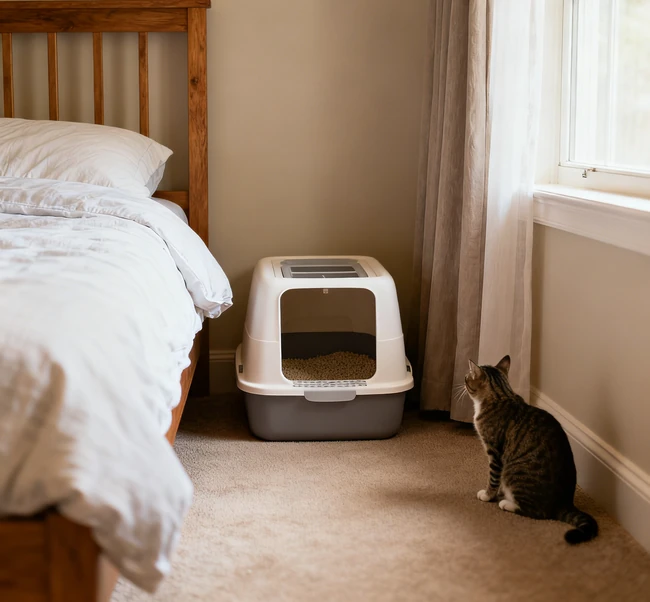
Is It Safe to Sleep in a Room with a Cat Litter Box?An Expert Guide
 Automatic Cat Litter Box
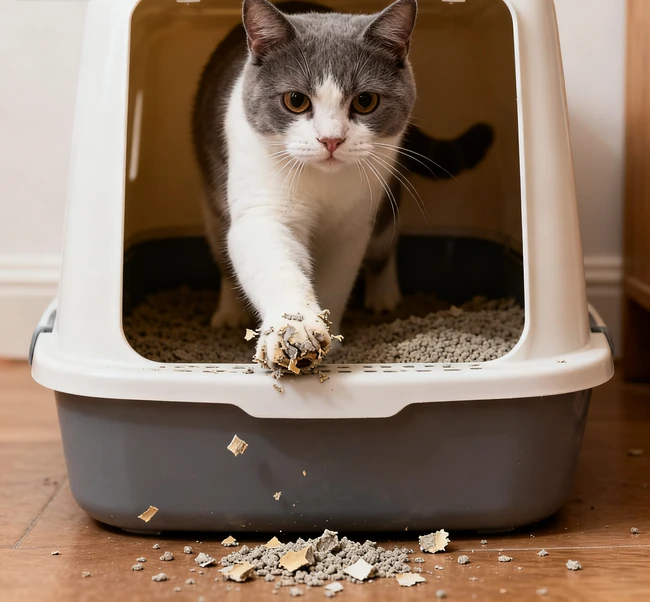
How to Stop Cat Litter Tracking?The Ultimate Guide for a Cleaner Home
 Automatic Cat Litter Box
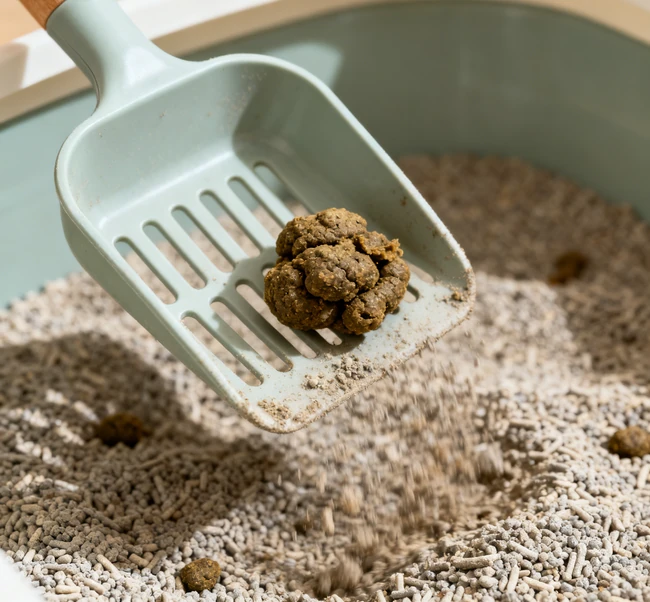
Can You Flush Cat Poop Without Litter?The Surprising Answer
 Automatic Cat Litter Box
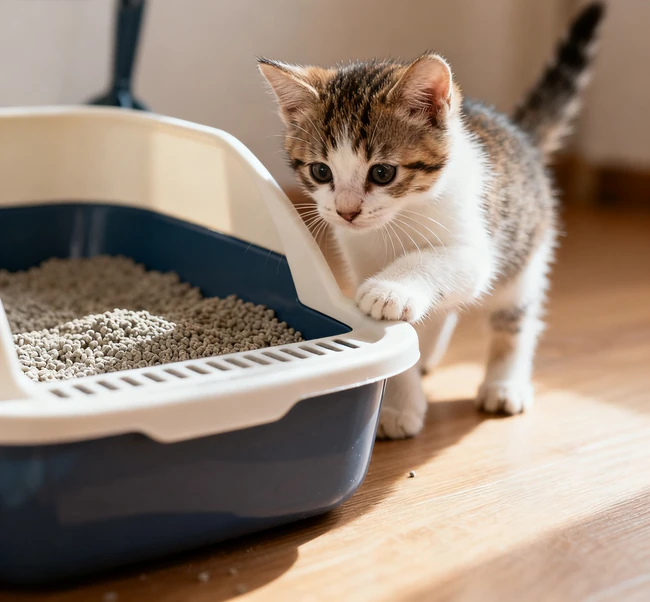
How to Train a Kitten to Use a Litter Box?A Stress-Free Guide
 Automatic Cat Litter Box