



The Best Cat Litter for Odor Control in 2025?Our Top Picks & Pro Tips

There’s nothing quite like the unwelcome surprise of walking into your home and being greeted by the unmistakable scent of a used litter box. If you’re on a mission to find the best cat litter for odor control, you’re not alone. This is one of the most common challenges for cat owners, and the sheer number of options can be overwhelming. At PawLitter, we’ve tested dozens of litters in real homes with real cats to cut through the marketing hype and find the solutions that truly work. This guide will break down the different types of odor-controlling litter, provide our top recommendations, and share expert tips to help you and your feline friend breathe easier.
How Does Cat Litter Control Odor?
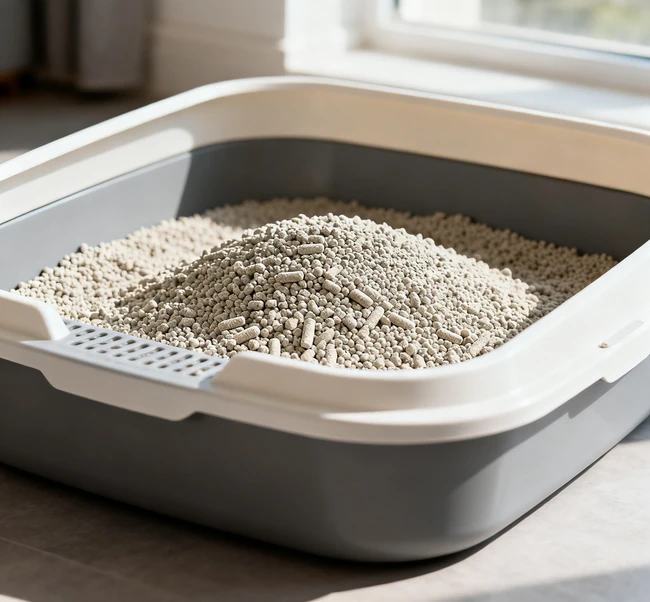
Understanding the science behind odor control is the first step to choosing the right product. Cat waste odor comes from ammonia and sulfur-containing compounds. Effective litters combat this in a few key ways:
- Absorption: Soaking up moisture to prevent urine from pooling and creating ammonia gas.
- Clumping: Forming tight, solid clumps around urine that can be easily removed, taking the source of the odor with them.
- Neutralization: Using ingredients like baking soda, activated charcoal, or proprietary compounds to chemically neutralize odor molecules.
- Trapping: Physically trapping odor molecules within the litter material itself, as seen with silica gel crystals.
Our Top Picks for the Best Odor-Control Cat Litter
After extensive testing based on our core principles of real-world testing and cat-first evaluation, here are our standout performers for banishing litter box smells.
1. Best Overall & Clumping Champion: Dr. Elsey’s Ultra Premium Clumping Cat Litter
This litter is a consistent winner for a reason. Its hard-clumping formula makes urine removal a breeze, which is the single most important factor in daily odor control. In our tests, it formed solid clumps that didn’t break apart during scooping, effectively removing the odor source from the box.
- Pros: Excellent clumping, minimal dust, affordable, widely available.
- Cons: Heavier than some alternatives; tracking can be moderate.
2. Best Crystal Litter: PrettyLitter
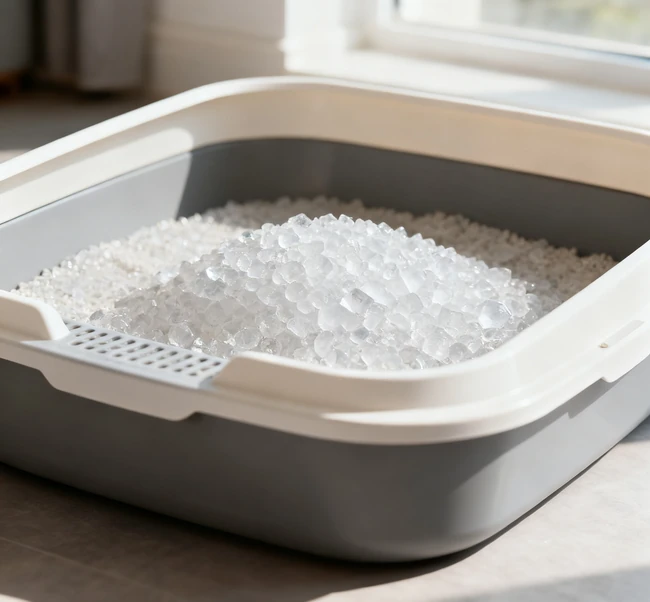
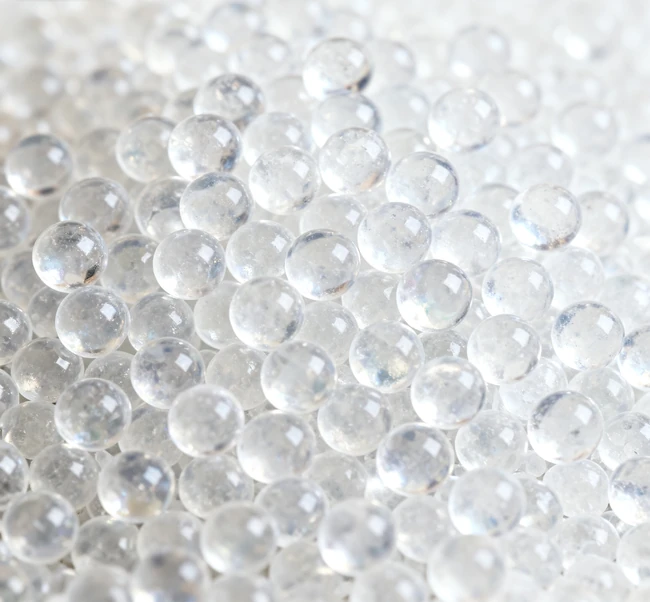
PrettyLitter works differently. It’s a silica gel litter that absorbs and traps moisture, drying out solid waste and isolating urine. The result is a remarkably odor-free experience for much longer than clay litters. A major bonus is its health-monitoring feature, which can change color to signal potential health issues.
- Pros: Superior odor control for urine, long-lasting, lightweight, health monitoring.
- Cons: Higher cost, doesn’t clump (requires mixing), some cats dislike the texture.
3. Best Natural Litter: World’s Best Cat Litter
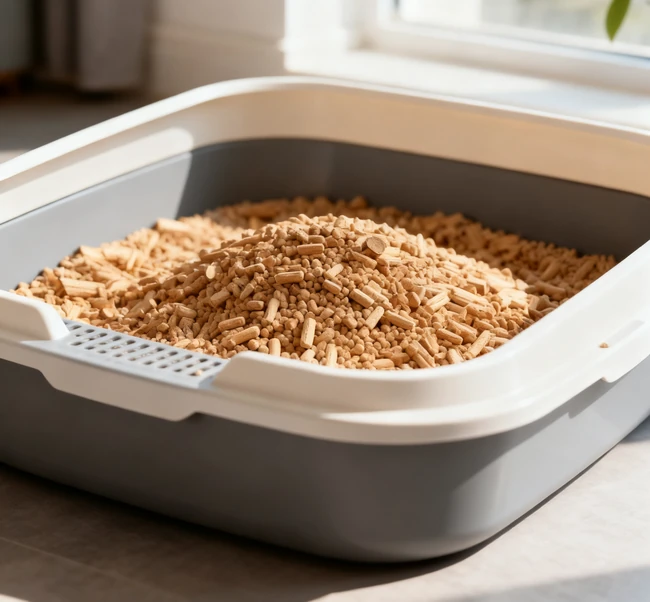
Made from whole-kernel corn, this litter offers powerful, natural odor control. It clumps well and is flushable, biodegradable, and very low dust. It’s a fantastic choice for eco-conscious owners who don’t want to compromise on performance. For multi-cat households, their “Multiple Cat” formula is especially robust.
- Pros: Excellent natural odor control, flushable, low dust, lightweight.
- Cons: Can be more expensive than clay; tracking of smaller particles can occur.
Cat Litter Types for Odor Control: A Quick Comparison
| Litter Type | How It Controls Odor | Pros | Cons |
|---|---|---|---|
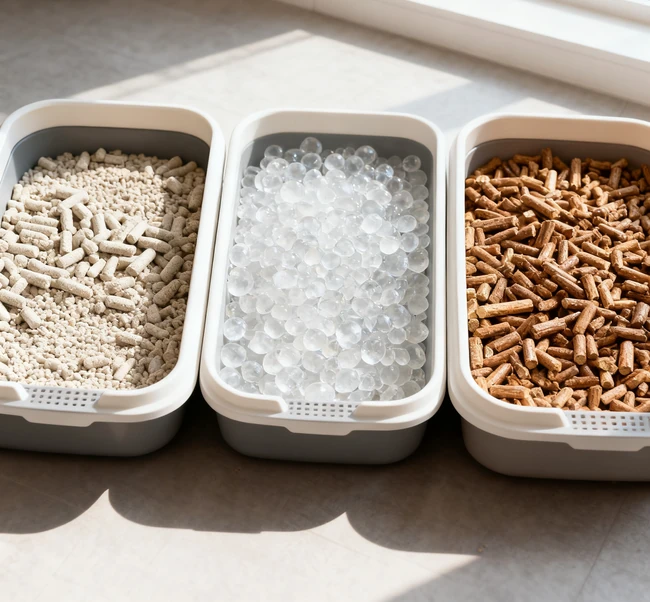
| Clumping Clay | Absorbs urine and forms solid, scoopable clumps to remove waste. | Excellent daily odor control, affordable, easy to find. | Can be dusty, heavy, not eco-friendly. |
| Silica Gel Crystals | Absorbs and traps moisture, drying waste and locking odor inside crystals. | Long-lasting odor control, very low dust, lightweight. | Higher cost, doesn’t clump, texture may deter some cats. |
| Natural/Plant-Based (Corn, Pine, Wheat) | Natural enzymes or materials neutralize odors; most are clumping. | Eco-friendly, often flushable, good natural scent. | Can be pricey, may attract pests, some have unusual textures. |
| Non-Clumping Clay | Absorbs moisture but does not clump. Requires full litter changes. | Very affordable, good for kittens (dust-free formulas). | Poor odor control if not changed frequently, wasteful. |
Pro Tips for Maximizing Odor Control
The best litter in the world won’t work if the box isn’t maintained properly. Odor control is a partnership between the product and your habits.
- Scoop Frequently: This is non-negotiable. Scoop at least once, ideally twice, daily. Removing waste immediately is the most effective odor-control strategy. For a deep clean, follow our guide on How to Clean a Litter Box? A Step-by-Step Guide for a Fresh, Odor-Free Home.
- Use the Right Amount of Litter: Too little won’t absorb properly, and too much is wasteful and can discourage digging. We recommend a depth of 2-3 inches. Learn more in How Much Cat Litter to Use? The Ultimate Guide for a Clean, Odor-Free Box.
- Change Litter Regularly: Even with scooping, litter needs to be completely replaced. The frequency depends on the type and number of cats. Our vet-reviewed article, How Often Should You Change Cat Litter? A Vet-Reviewed Guide, has all the details.
- Provide Enough Litter Boxes: The general rule is one box per cat, plus one extra. This prevents overcrowding and gives each cat a clean place to go. Discover why this is crucial in How Many Litter Boxes Per Cat? The Ultimate Guide for a Happy Home.
Addressing Severe Odor Problems
If you’re still struggling with smell despite using a quality litter and maintaining the box, consider these factors.
Diet and Health
A cat’s diet directly impacts the smell of their waste. Low-quality food can lead to smellier output. Additionally, certain medical conditions like kidney disease, diabetes, or gastrointestinal issues can cause unusually strong odors. A vet check-up is always a good idea if you notice a sudden change.
Litter Box Itself
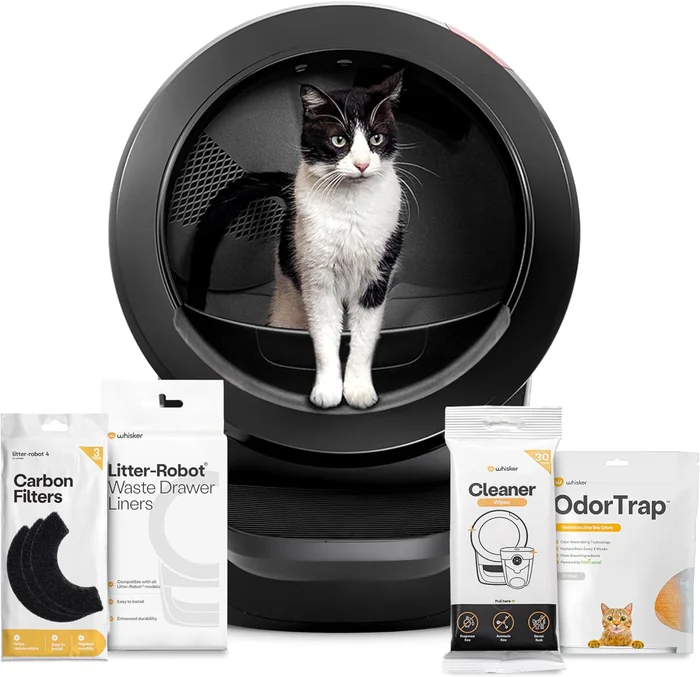
Plastic litter boxes can absorb odors over time. A thorough washing or replacing an old box can make a big difference. For a high-tech solution, an automatic litter box can significantly reduce odor by removing waste immediately after your cat goes. Is it worth the investment? Find out in our Self Cleaning Litter Box Worth It? An Honest Review for Cat Owners.
Overall Home Odor Strategy
Sometimes, the smell lingers in the room, not just the box. For a comprehensive approach to a fresh-smelling home, check out our complete guide: How to Get Rid of Cat Litter Smell? A Complete, Fresh-Smelling Home Guide.
Frequently Asked Questions (FAQs)
What is the absolute best cat litter for strong odor control?
For most situations, a premium clumping clay litter with added odor neutralizers like baking soda or activated charcoal offers the best balance of effectiveness, cost, and ease of use. However, for unparalleled urine odor control over a longer period, silica crystal litter is often the strongest contender.
Is scented or unscented litter better for odor?
We generally recommend unscented litter. Scented litters often just mask odors with a perfumed fragrance, which can create an unpleasant mix of perfume and waste. More importantly, the strong scents can be off-putting or even irritating to a cat’s sensitive nose, potentially leading them to avoid the box altogether.
How does PawLitter test and evaluate cat litter for odor control?
At PawLitter, we believe in real testing, not just theory. We test every litter for a minimum of 30 days in real home environments with our team’s cats. We evaluate odor control by monitoring how effectively it contains both urine and fecal odors between scooping sessions, how well it clumps (if applicable), the level of dust, tracking, and most importantly, cat acceptance. We are transparent that we use affiliate links, but our reviews are never influenced by commissions. Our PawLitter litter box reviews & guides are always honest and cat-first.
Can I flush cat litter?
You should only flush litter if the packaging explicitly states it is flushable and safe for septic systems. Typically, only certain natural, plant-based litters (like corn, wheat, or paper) are safe to flush. Never flush clay or crystal litter, as they can cause serious plumbing blockages and environmental issues. Always dispose of waste properly, as outlined in How to Dispose of Cat Litter? A Safe and Sanitary Guide.
My kitten won’t use the litter box. What should I do?
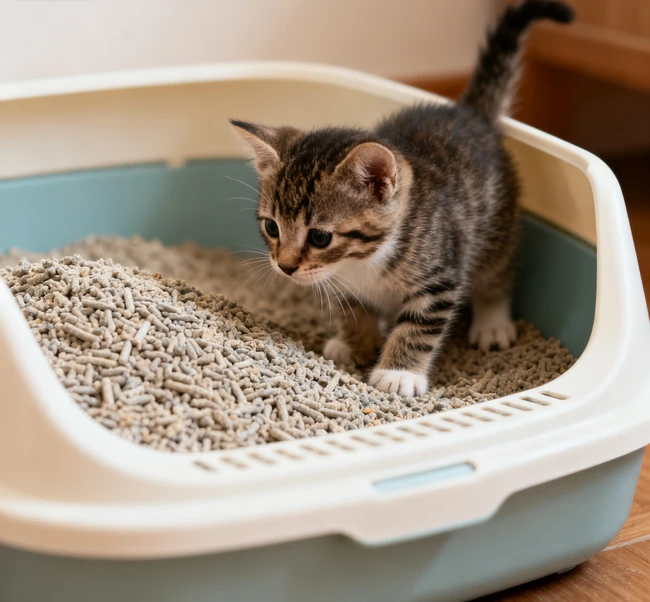
First, ensure you are using a kitten-safe litter (often non-clumping and dust-free initially). Then, follow a patient training process. Our How to Train a Kitten to Use a Litter Box? A Stress-Free Guide can walk you through the steps. If a previously trained cat stops using the box, it could be a medical or behavioral issue, and a vet visit is recommended.
How can I reduce litter tracking around the house?
Litter tracking is a common nuisance. Using a high-sided or top-entry litter box can help, as can placing a high-quality litter mat outside the box. Heavier, larger-grained litters tend to track less than fine, lightweight ones. For a deep dive into solutions, see How to Stop Cat Litter Tracking? The Ultimate Guide for a Cleaner Home.
Related Topics
- The Ultimate Guide to Finding the Best Litter Box for Multiple Cats
- How to Train a Kitten to Use a Litter Box? A Stress-Free Guide
- How to Get Rid of Cat Litter Smell? A Complete, Fresh-Smelling Home Guide
- Self Cleaning Litter Box Worth It? An Honest Review for Cat Owners
- How to Stop Cat Litter Tracking? The Ultimate Guide for a Cleaner Home
Conclusion
Finding the best cat litter for odor control is a personal journey that depends on your cat’s preferences, your budget, and your home environment. While our top picks like Dr. Elsey’s for clumping, PrettyLitter for crystals, and World’s Best for natural options are excellent starting points, remember that consistent maintenance is just as important as the litter you choose. By scooping daily, providing enough clean boxes, and choosing a litter your cat accepts, you can win the battle against litter box odors. For more in-depth reviews and practical guides to create a harmonious home for you and your cat, explore all of our resources at PawLitter.

Related Articles
 Automatic Cat Litter Box
What is a Litter for Cats?A Complete Guide for Cat Owners
 Automatic Cat Litter Box
Can You Flush Cat Poop Without Litter?The Surprising Answer
 Automatic Cat Litter Box
How Often Should You Change Cat Litter?A Vet-Reviewed Guide
 Automatic Cat Litter Box
The 8 Best Crystal Cat Litters of 2024?An Expert Review
 Automatic Cat Litter Box
The Best Dust Free Cat Litters?A 2024 Guide for a Cleaner, Healthier Home
 Automatic Cat Litter Box