



The Best Non-Clumping Cat Litters?A 2024 Guide for Cat Owners

While clumping litter often steals the spotlight, non-clumping cat litter remains a trusted, effective, and often healthier choice for many cats and their owners. Whether your feline friend has respiratory sensitivities, is a curious kitten, or you simply prefer a different maintenance routine, finding the best non-clumping cat litter is key to a happy home. At PawLitter, we test litter and litter boxes with real cats to cut through the marketing hype. This comprehensive guide will walk you through everything you need to know, from the pros and cons to our top-rated picks, helping you make the perfect choice for your pet.
What is Non-Clumping Cat Litter?
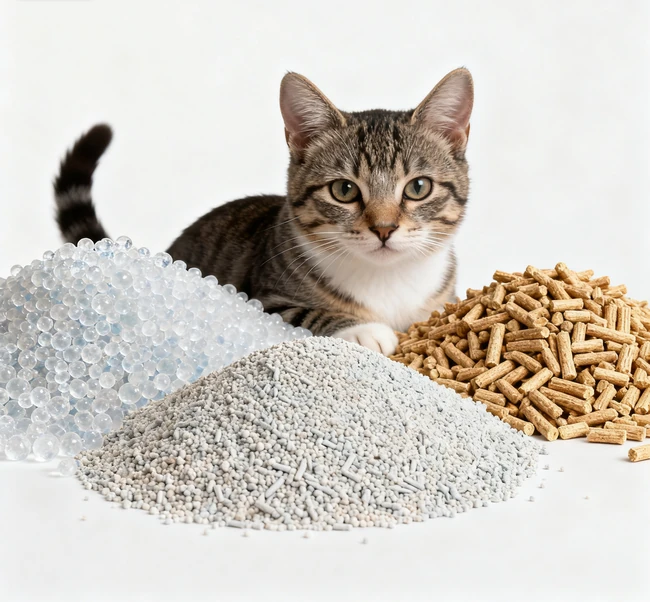
Non-clumping cat litter is designed to absorb moisture and control odor without forming solid clumps when your cat urinates. Instead of scooping out clumps, the entire box of litter is saturated with moisture over time and is then completely replaced on a regular schedule. This traditional style of litter has been used for decades and is often made from simpler, more natural materials.
Pros and Cons of Non-Clumping Litter
Is non-clumping litter the right fit for your household? Let’s break down the key advantages and disadvantages based on our hands-on testing.
Advantages of Non-Clumping Litter
- Ideal for Kittens and Certain Cats: Non-clumping litters are generally safer if ingested, making them a top choice for curious kittens who might taste their litter. They are also often recommended for cats recovering from surgery.
- Less Dust: Many non-clumping varieties, especially paper, wood, and crystal litters, produce significantly less dust than clay clumping litters, which is better for cats and owners with asthma or allergies.
- Simplicity and Natural Ingredients: They are frequently made from natural, biodegradable materials like pine, wheat, corn, or recycled paper, appealing to eco-conscious owners.
- Excellent Liquid Absorption: High-quality non-clumping litters are highly absorbent, pulling moisture away from the surface quickly.
Disadvantages of Non-Clumping Litter
- Different Cleaning Routine: Instead of daily scooping of clumps, you must stir the litter daily to distribute moisture and replace the entire box more frequently. This can feel less efficient to some owners.
- Can Be Less Effective on Odor: Without removing urine immediately via clumps, odor can build up if the litter is not stirred regularly or changed often enough.
- Potentially Higher Long-Term Cost: Because you replace all the litter more often, you may go through product faster than with a clumping litter that only requires you to remove waste.
Our Top Picks for the Best Non-Clumping Cat Litters
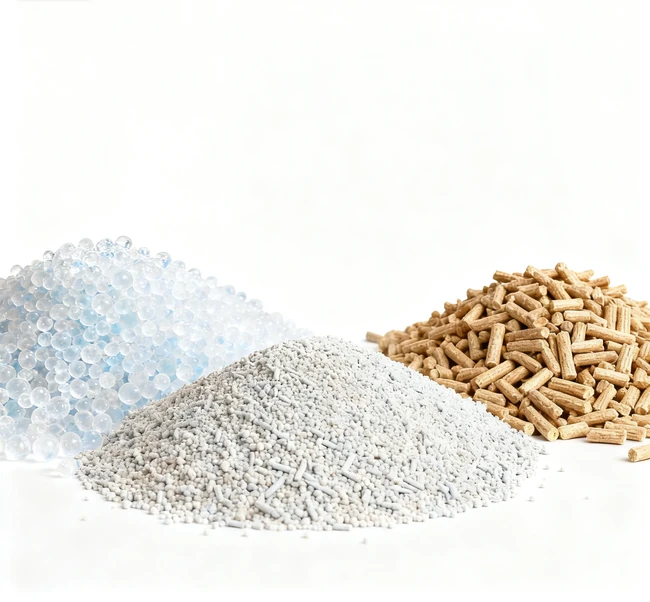
After extensive testing in real homes with our feline testers, we’ve identified the top non-clumping litters that excel in odor control, absorbency, and cat acceptance.
| Product Name | Material | Key Features | Best For |
|---|---|---|---|
| Fresh Step Simply Unscented Crystals | Silica Gel Crystals | Superior odor control, ultra-absorbent, very low dust, long-lasting | Multi-cat households and superior odor control |
| Ökocat Super Soft Natural Wood Litter | Reclaimed Wood Fibers | Dust-free, highly absorbent, lightweight, natural odor control | Kittens and cats with respiratory sensitivities |
| Yesterday’s News Unscented Paper Litter | Recycled Paper | Virtually dust-free, highly absorbent, safe for post-surgery | Post-operative care and elderly cats |
| Feline Pine Original Non-Clumping Litter | Pine Pellets | Natural pine scent, affordable, turns to sawdust when wet | Budget-conscious and eco-friendly owners |
How to Choose the Right Non-Clumping Litter
Selecting the perfect litter involves considering your cat’s preferences and your own household needs. Here are the key factors we evaluate in our PawLitter reviews:
- Odor Control: How well does it neutralize ammonia and other smells?
- Absorbency: How quickly does it pull liquid away from the surface?
- Dust Level: Is it low-dust to protect respiratory health?
- Cat Acceptance: Will your cat actually use it? Texture and scent are critical.
- Tracking: How much litter gets scattered outside the box? For more on this, see our guide on How to Stop Cat Litter Tracking.
How to Maintain a Non-Clumping Litter Box
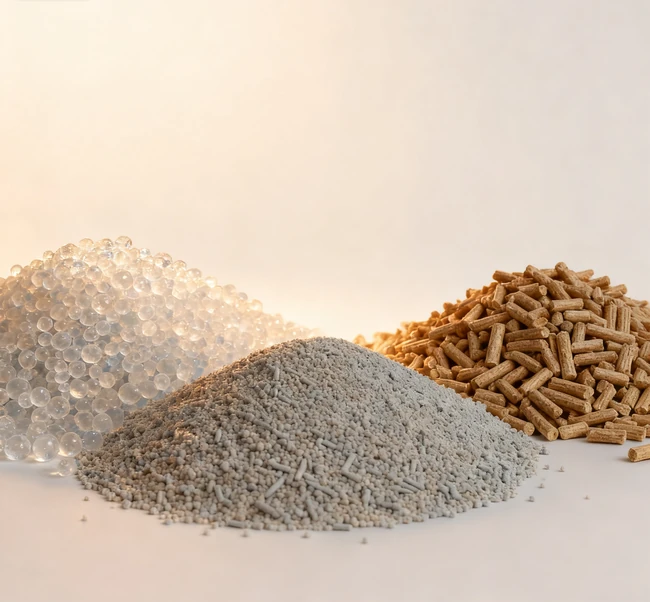
Proper maintenance is crucial for odor control and your cat’s health. The routine is different from clumping litter.
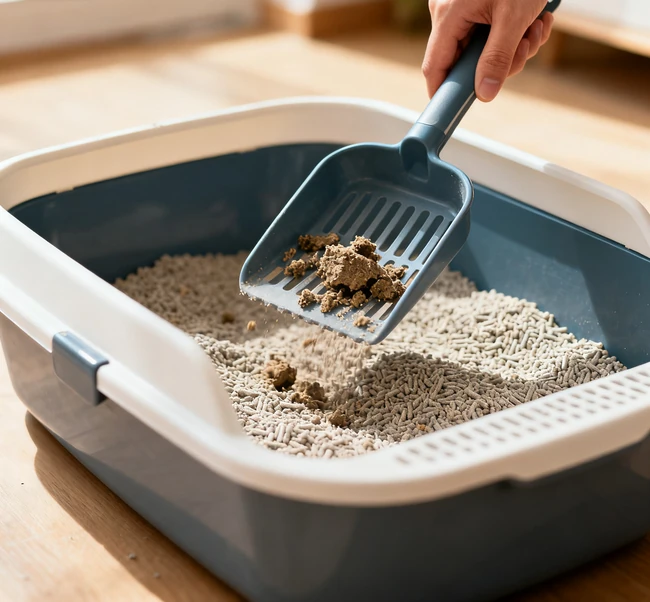
- Daily: Scoop out solid waste. Then, use a litter scoop to thoroughly stir the entire box. This helps distribute the urine-saturated litter and allows it to dry, which controls odor.
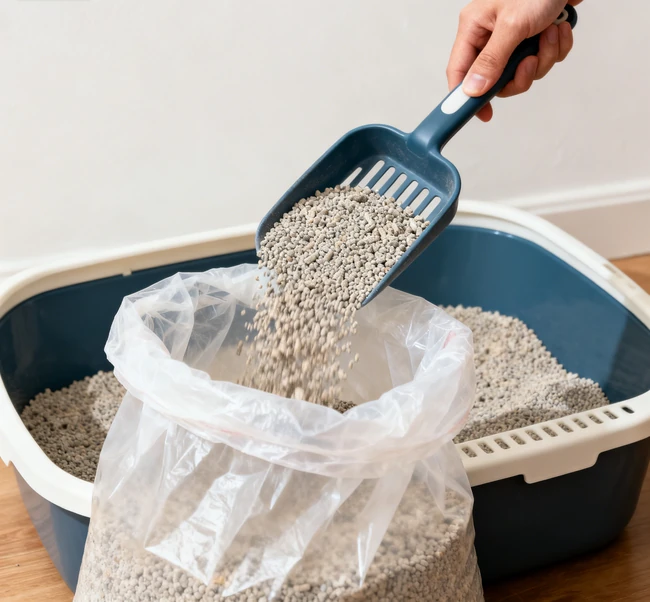
- Weekly (or as needed): Completely empty the entire box. The frequency depends on the type of litter and the number of cats. For a deep dive, read our article on How Often Should You Change Cat Litter?
- Cleaning: Wash the empty box with warm, soapy water, rinse thoroughly, and dry before adding fresh litter. Avoid harsh chemicals as the smell can deter cats.
If you have multiple cats, proper maintenance is even more critical. Be sure to check out How Many Litter Boxes Per Cat? for best practices.
Frequently Asked Questions (FAQ)
Is non-clumping litter better for kittens?
Yes, it is often recommended. Kittens are curious and may ingest litter. Non-clumping litter, especially natural varieties like paper or wood, is less likely to cause an intestinal blockage if accidentally eaten compared to clumping clay litter.
How often should I completely change non-clumping litter?
This varies by product and usage. For a single cat, most non-clumping litters need a full change every 5-7 days. However, crystal litters can last up to a month for one cat, as they are highly effective at drying out solid waste. Always follow the manufacturer’s guidelines and rely on your nose—if it smells, it’s time for a change.
Does non-clumping litter control odor as well as clumping?
It can, but it requires a different maintenance routine. Because urine isn’t removed immediately, you must stir the litter daily to distribute and dry the moisture. If maintained properly, many non-clumping litters, especially crystals and pine, offer excellent odor control. For more tips, see our complete guide on How to Get Rid of Cat Litter Smell.
Can I use non-clumping litter in a self-cleaning litter box?
Generally, no. Most self-cleaning boxes are specifically designed for clumping litter. Using non-clumping litter can damage the mechanism. Always check the manufacturer’s instructions. If you’re considering an automatic box, read our review: Self Cleaning Litter Box Worth It?
What is the most eco-friendly non-clumping litter?
Litters made from biodegradable, renewable, or recycled materials are the most eco-friendly. Our top picks in this category are wood pellet litters (like Feline Pine or Ökocat) and paper litters (like Yesterday’s News). They are compostable (where facilities allow) and have a lower environmental impact than mined clay litters. For safe disposal methods, consult our guide on How to Dispose of Cat Litter.
How does PawLitter test and review non-clumping litters?
At PawLitter, our reviews are built on a foundation of trust and real-world experience. We conduct hands-on testing for a minimum of 30 days with real cats in home environments. We evaluate litters based on strict criteria: odor control, absorbency, dust, tracking, and most importantly, cat acceptance. We are transparent about our affiliate partnerships and never let commissions influence our ratings. Our “cats-first” philosophy means we prioritize your pet’s health and comfort above all else.
Related Topics
- The Ultimate Guide to Finding the Best Litter Box for Multiple Cats
- How Much Cat Litter to Use?
- Covered vs Uncovered Litter Box?
- Is It Okay to Put Cat Litter in the Toilet?
- PawLitter Litter Box Reviews & Guides
Conclusion
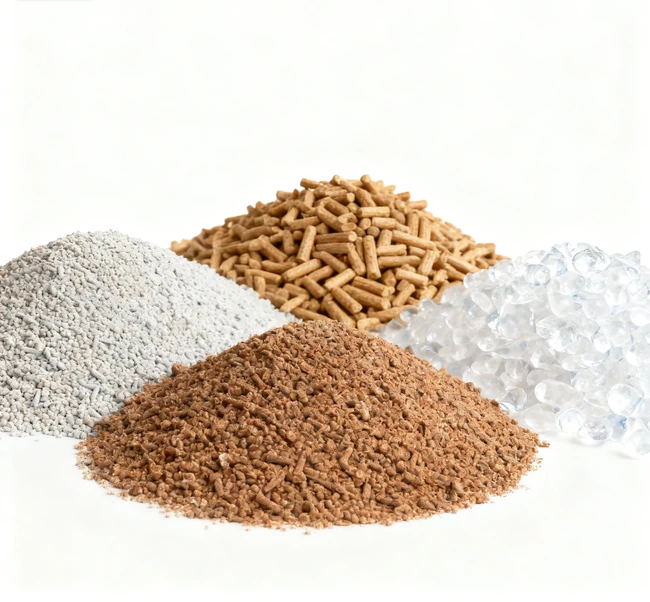
The best non-clumping cat litter is one that effectively manages odor, suits your maintenance style, and, most importantly, is accepted by your cat. From the superior drying power of crystal litters to the natural, low-dust benefits of wood and paper, there is a high-quality option for every need. Remember, the right litter is a key component of your cat’s health and happiness. We encourage you to consider your cat’s unique preferences and explore more in-depth reviews and guides on PawLitter to find the perfect litter box solution for your home.

Related Articles
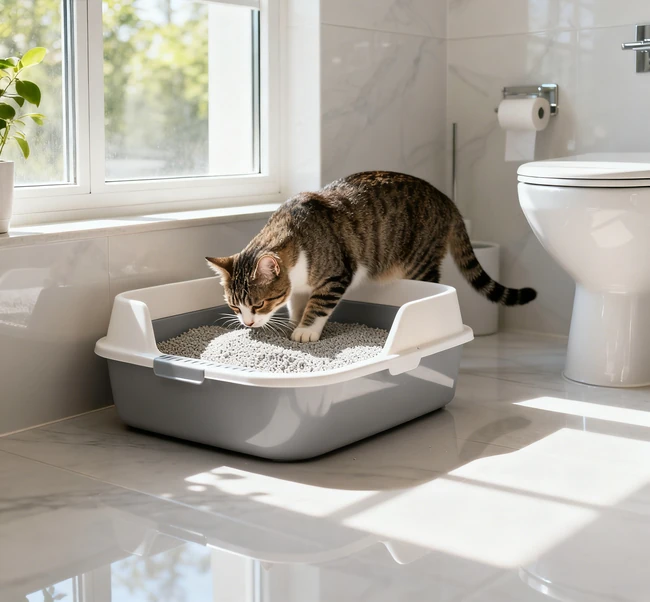 Automatic Cat Litter Box
How Often Should You Clean a Litter Box?The Ultimate Guide
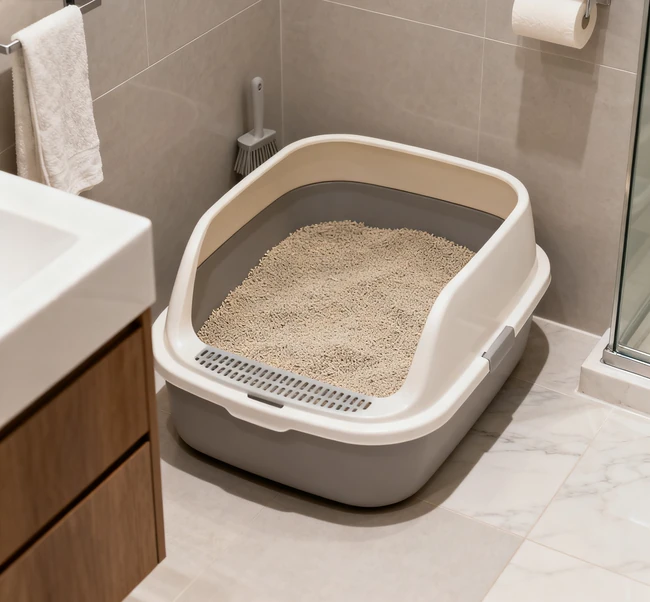 Automatic Cat Litter Box
How to Clean a Litter Box?A Step-by-Step Guide for a Fresh, Odor-Free Home
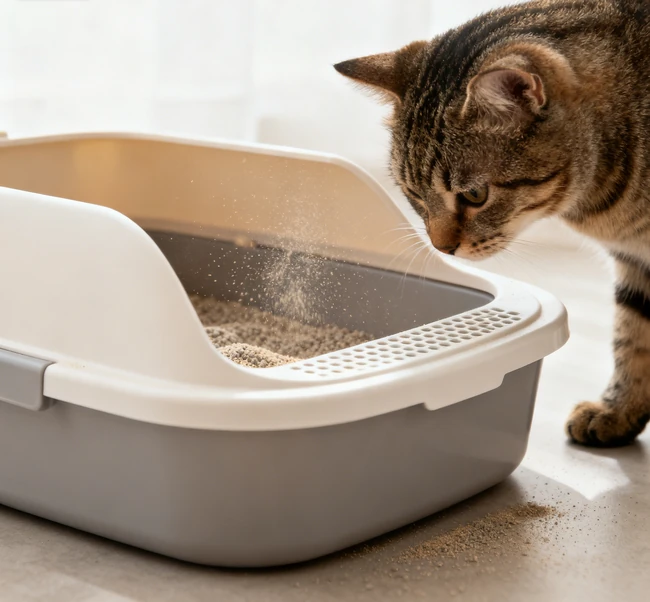 Automatic Cat Litter Box
Is Inhaling Cat Litter Dust Harmful?A Vet-Reviewed Guide
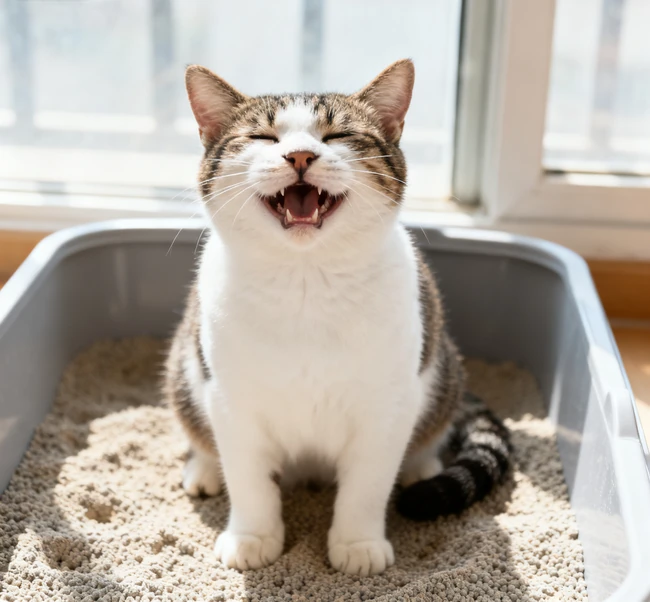 Automatic Cat Litter Box
The Best Dust Free Cat Litters?A 2024 Guide for a Cleaner, Healthier Home
 Automatic Cat Litter Box
How Often Should You Change Cat Litter?A Vet-Reviewed Guide
 Automatic Cat Litter Box