





The Ultimate Guide to Finding the Best Litter Box for Multiple Cats

Managing a multi-cat household is a joy, but it comes with unique challenges—chief among them, finding a litter box solution that keeps everyone happy. With multiple cats, the standard “one box per cat, plus one extra” rule can quickly lead to a laundry room or basement overrun with litter boxes. The key to harmony isn’t just more boxes; it’s smarter boxes. This comprehensive guide, backed by PawLitter’s independent, real-world testing, will cut through the clutter and help you choose the best litter box for multiple cats, ensuring a cleaner home and happier felines.
Why Multiple Cats Need a Specialized Litter Box Solution
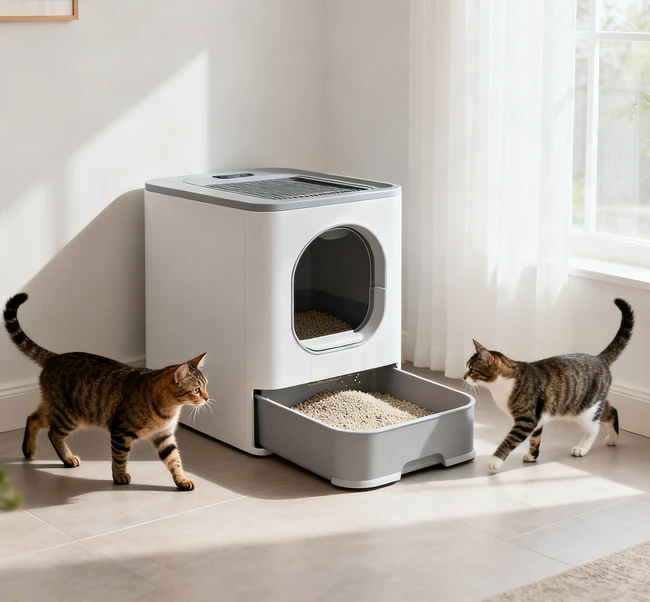
Cats are territorial by nature, and their bathroom habits are a core part of that behavior. In a multi-cat home, a standard single-cat litter box can become a source of stress, leading to inappropriate elimination, conflicts, and a home that constantly smells of ammonia. A proper multi-cat litter box addresses these core issues:
- High Volume & Fast Accumulation: More cats mean more waste, overwhelming a standard box’s capacity and odor-control abilities.
- Territorial Disputes: A dominant cat might guard a single box, preventing more timid cats from accessing it.
- Hygiene Preferences: Fastidious cats will avoid a dirty box. With multiple users, a box becomes “dirty” much faster.
- Space Constraints: Finding room for 3, 4, or even 5 separate boxes is often impractical.
Key Features to Look for in a Multi-Cat Litter Box
Based on our extensive testing with multiple feline testers, we’ve identified the non-negotiable features that separate the best from the rest.
1. Ample Size and High Capacity
The golden rule is n+1—one litter box per cat, plus one extra. A large, high-capacity box can sometimes fulfill the role of multiple smaller boxes. Look for boxes that are at least 22 inches long, allowing even large cats to turn around and dig comfortably. A larger surface area also helps distribute waste, keeping parts of the box clean for longer. Remember, proper litter box placement is just as important as the box itself.
2. Superior Odor Control
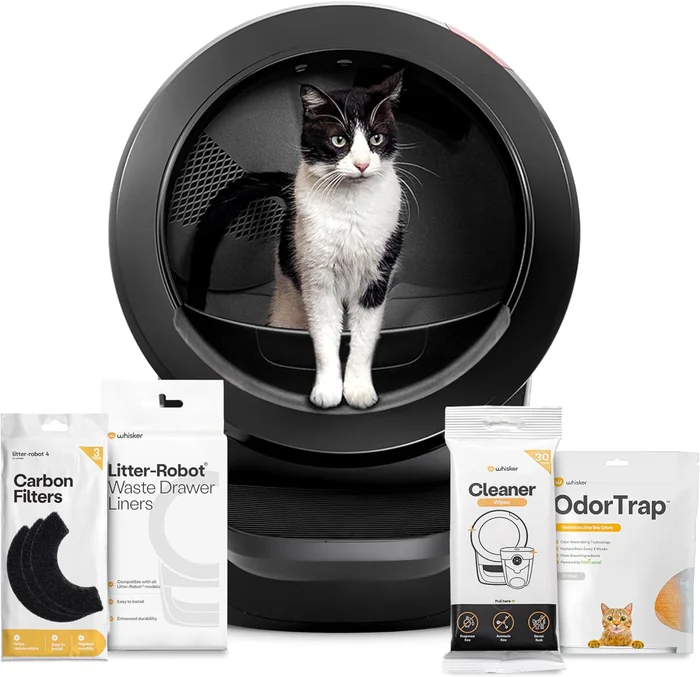
Multi-cat waste generates powerful odors. While the right type of cat litter is crucial, the box itself plays a huge role. Covered boxes and those with built-in carbon filters can help contain smells. Self-cleaning models are the ultimate solution, removing waste minutes after each use to prevent odor from ever building up.
3. Ease of Cleaning and Maintenance
You’ll be scooping a lot. Features that simplify this chore are worth their weight in gold. Top-entry boxes can reduce litter tracking, while sifting systems and removable liners make deep cleaning less of a hassle. For the ultimate in convenience, an automatic self-cleaning box handles the scooping for you. For tips on the safest way to handle the waste, see our guide on how to dispose of cat litter.
4. Privacy and Accessibility
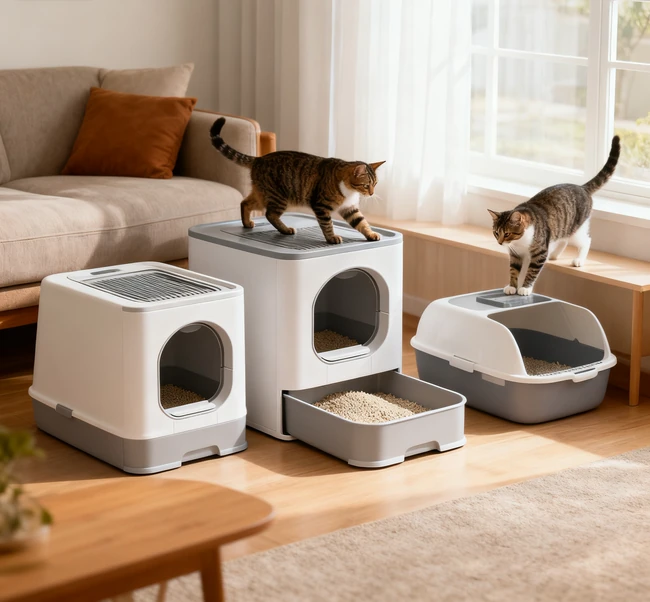
Consider your cats’ personalities. Some prefer the privacy and smell-containment of a covered hood. Others feel trapped and vulnerable in an enclosed space and may prefer a large, open-top box. In multi-cat homes, it’s often best to offer a mix of both types to suit different preferences and prevent bullying.
Top Litter Box Types for Multiple Cats: A Comparative Analysis
| Type | Best For | Pros | Cons |
|---|---|---|---|
| Extra-Large Open Boxes | Households with cats who dislike covered boxes; budget-conscious owners. | Highly accessible, no scary mechanics, inexpensive, easy to clean. | No odor control, high litter tracking, requires frequent scooping. |
| Top-Entry Boxes | Reducing litter tracking; containing sprayers; curious dogs. | Excellent at containing litter and smells, provides privacy, deters dogs. | Not suitable for kittens, seniors, or cats with mobility issues. |
| Self-Cleaning (Automatic) Boxes | Busy households; superior odor control; minimizing daily chores. | Automatic waste removal, best odor control, encourages consistent use. | High initial cost, requires power, some cats are startled by the noise. |
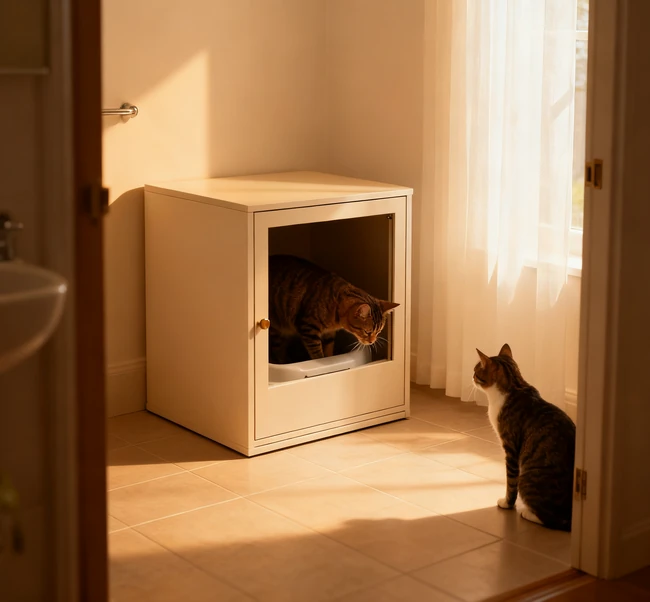
| Litter Box Furniture & Enclosures | Aesthetic integration into home decor; providing a private “room.” | Hides the litter box, reduces tracking, can include odor-filtering systems. | Can be cramped for large cats, may trap odors inside, more expensive. |
PawLitter’s Testing Philosophy: How We Evaluate for Multi-Cat Homes
At PawLitter, we don’t just read specs—we put litter boxes to the test in real homes with real cats. Our testing process for multi-cat solutions is especially rigorous.
- 30-Day Minimum Testing: Every product we review is used for at least 30 days by a household with multiple cats to assess long-term durability and cat acceptance.
- Cat-First Criteria: We observe ease of entry/exit, comfort while inside, and any signs of stress or avoidance. A box that cats won’t use is a failure, no matter how many features it has.
- Owner Convenience: We measure odor control after 24 hours, ease of scooping/emptying, litter consumption, and noise levels (for automatic models).
- Transparent & Unbiased: We purchase all products ourselves and are transparent about our affiliate partnerships. Our goal is to give you the honest pros and cons.
Beyond the Box: Essential Tips for Multi-Cat Success
Choosing the right box is only half the battle. Implementing these strategies is critical for long-term peace.
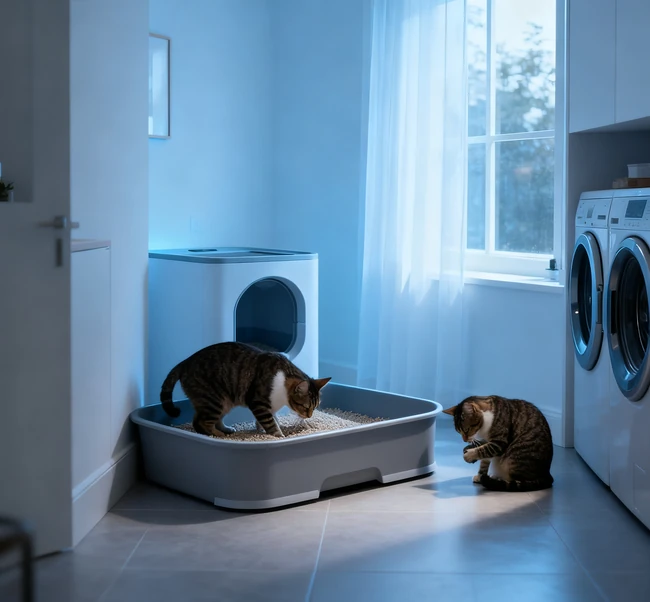
- Strategic Placement: Don’t place all boxes in one location. Spread them out in different, low-traffic areas of your home to prevent resource guarding. Learn more about where you should not put a litter box.
- Rigorous Cleaning Schedule: Scoop all boxes at least once, preferably twice, daily. Perform a full litter change and box wash weekly.
- Choose the Right Litter: A high-quality, clumping litter is non-negotiable for multi-cat homes. It makes scooping easier and controls odor more effectively. Discover what is the use of cat litter and how to choose wisely.
- Monitor Health: Multiple cats can make it hard to track who is having issues. Consistent litter box problems from one cat can be a sign of a medical issue like a UTI.
Frequently Asked Questions
How many litter boxes do I need for 3 cats?
The general rule of thumb is one litter box per cat, plus one extra. So for 3 cats, you should ideally have 4 litter boxes. However, this can be adjusted based on the types of boxes you use. One very large, high-capacity automatic litter box might successfully serve two cats, but you should still provide at least one additional standard box in a different location.
Are self-cleaning litter boxes safe for multiple cats?
Yes, most modern self-cleaning boxes are perfectly safe. They have safety sensors to pause the cycle if a cat enters. The main concern is whether all your cats will accept the noise and motion. It’s often recommended to keep one traditional box available during the transition period. For households considering this option, understanding how to litter train a cat to a new box is useful.
My cats are suddenly fighting over the litter box. What should I do?
This is often a sign of stress or resource guarding. Immediately add more litter boxes in different, separated locations to break the pattern. Ensure the boxes are kept impeccably clean. If the behavior persists, a vet visit is recommended to rule out underlying medical issues causing pain or stress, and you may need to consult a cat behaviorist.
Is it safe to have a litter box in a bedroom with multiple cats?
While possible, it’s not ideal, especially with multiple cats. The volume of waste will lead to stronger odors and increased dust, which you can learn more about in our article on inhaling cat litter dust. If you must have a box in the bedroom, it needs to be scooped multiple times a day, be well-ventilated, and use a very low-dust, high-odor-control litter. For a deep dive, read our guide on sleeping in a room with a litter box.
Can I flush the waste from a self-cleaning litter box?
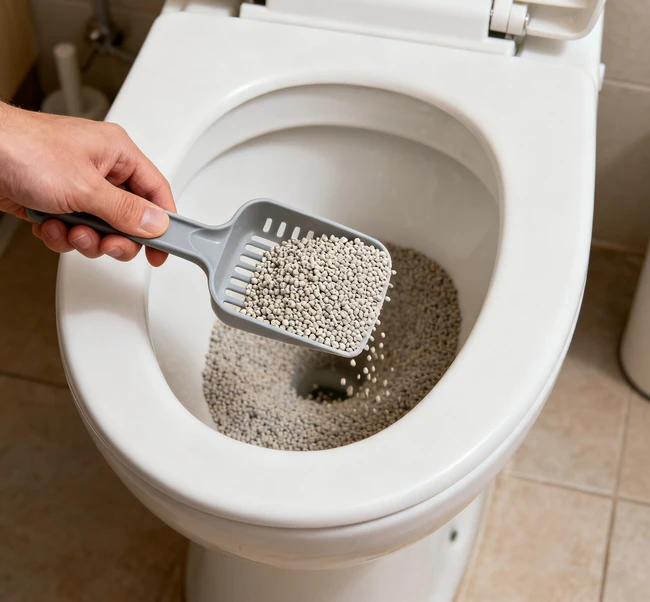
We strongly advise against it. Even if the litter is labeled “flushable,” it can cause serious plumbing blockages and damage septic systems. Cat feces can also contain parasites that are not effectively treated by water treatment plants. The safest method is to bag the waste and dispose of it in the trash. For more information, see our definitive guides on putting litter in the toilet and flushing cat poop without litter.
How does PawLitter test and review litter boxes for multiple cats?
At PawLitter, our reviews are built on a foundation of real-world testing and transparency. We purchase all products ourselves and test them in homes with multiple cats for a minimum of 30 days. We evaluate based on strict criteria: cat acceptance (do they use it comfortably?), odor control, ease of cleaning, durability, and value. We are an independent site and are transparent about our use of affiliate links, ensuring our opinions are never for sale. Our mission is to help you find the best solution for your unique feline family.
Related Topics
- Which Type of Cat Litter is Best?
- How to Litter Train a Cat
- Litter Box Placement Guide
- What is a Litter for Cats?
- PawLitter Litter Box Reviews & Guides
Conclusion
Finding the best litter box for multiple cats is a balance of capacity, convenience, and, most importantly, your cats’ comfort and preferences. Whether you opt for a simple, extra-large open box, a discreet piece of furniture, or invest in the ultimate convenience of a self-cleaning model, the goal is the same: a clean, accessible, and low-stress bathroom environment for every cat in your home. Remember to observe your cats’ behavior—they will tell you what works and what doesn’t. For more in-depth reviews and practical tips on everything from litter types to behavioral solutions, explore the rest of our expert guides on PawLitter.

Related Articles
 Automatic Cat Litter Box
The Best Cat Litter for Odor Control in 2025?Expert Tested & Reviewed
 Automatic Cat Litter Box
The Best Non-Clumping Cat Litters?A 2024 Guide for Cat Owners
 Automatic Cat Litter Box
What is the Use of Cat Litter?A Complete Guide for Cat Owners
 Automatic Cat Litter Box
Is It Okay to Put Cat Litter in the Toilet?The Definitive Guide
 Automatic Cat Litter Box
Where Should You Not Put a Litter Box?The Ultimate Guide to Bad Placement
 Automatic Cat Litter Box