


The Ultimate Guide to the Best Flushable Cat Litters in 2024

For cat owners seeking the ultimate in convenience, the promise of flushable cat litter is incredibly appealing. Imagine simply scooping and flushing waste away, eliminating the need for heavy, smelly trash bags. But is it safe? And which products truly deliver on their promise? At PawLitter, we’ve put the leading brands to the test in our real-world, cat-first trials. This comprehensive guide cuts through the marketing hype to bring you an honest look at the best flushable cat litters, the crucial safety considerations, and whether they’re the right choice for your home and your feline friend.
What Exactly is Flushable Cat Litter?
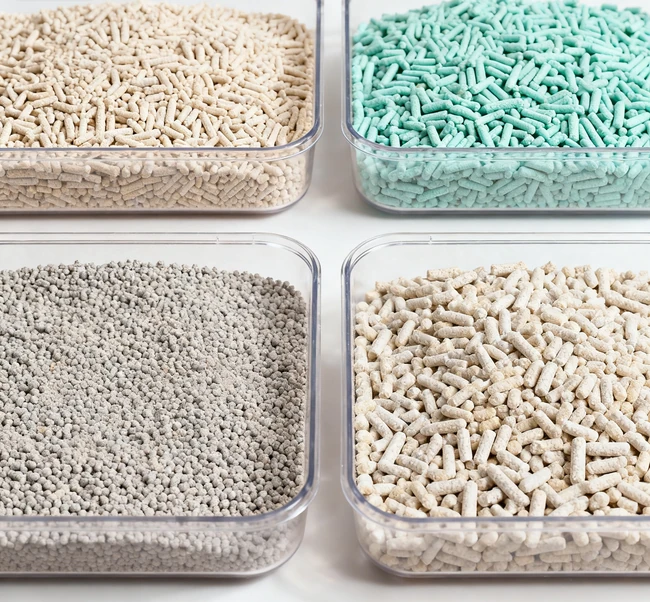
Flushable cat litter is typically made from biodegradable, plant-based materials that are designed to dissolve or break down in water. Unlike traditional clay or silica gel litters, which can clog pipes and damage plumbing, these litters are sourced from materials like corn, wheat, wood, pine, or recycled paper. The core idea is that both the litter and the waste can be safely processed by municipal sewage or septic systems, offering a more eco-friendly and convenient disposal method. However, the term “flushable” comes with significant caveats that every responsible cat owner must understand.
The Critical Safety Debate: To Flush or Not to Flush?
This is the most important section of this guide. While manufacturers market these products as flushable, many plumbers and municipal water authorities strongly advise against it. The primary concerns are:
- Plumbing Clogs: Even “dissolvable” litters can clump and create blockages in your home’s pipes, leading to expensive repairs.
- Septic System Damage: For homes with septic tanks, the litter may not break down quickly enough, accumulating and disrupting the delicate bacterial balance necessary for the system to function.
- Water Treatment Issues: Litter can contribute to “fatbergs” and other blockages in municipal sewer systems.
- Environmental Toxoplasmosis Risk: Cat feces can contain the Toxoplasma gondii parasite, which is not always killed by water treatment plants and can harm marine life.
Our Verdict: Always check with your local water authority and follow their guidelines. If you decide to flush, do so sparingly and never flush large clumps at once. For a deeper dive into the pros and cons, see our definitive guide on Is It Okay to Put Cat Litter in the Toilet?.
Our Top Picks for Best Flushable Cat Litter
Based on our hands-on testing at PawLitter—where we evaluate products over at least 30 days for clump strength, odor control, dust, tracking, and, of course, flushability—here are our top recommendations.
1. World’s Best Cat Litter (Corn-Based)
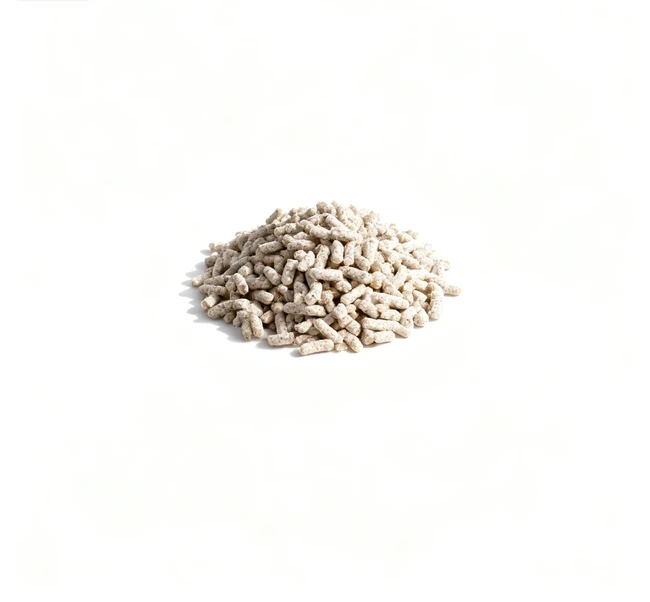
This is arguably the most well-known brand in this category. Our testing confirmed its excellent clumping ability and superior odor control. The corn-based formula is highly absorbent and does a remarkable job of locking in ammonia smells. It flushes fairly well in small quantities, but we still advise caution. It’s a great option for multi-cat households, and you can learn more about managing multiple cats in our Ultimate Guide to Finding the Best Litter Box for Multiple Cats.
- Pros: Excellent odor control, strong clumps, low dust, multiple formulas available.
- Cons: Can be pricey, some cats may track the smaller granules.
2. ökocat Natural Wood Clumping Litter (Wood-Based)
If you’re looking for a lightweight, incredibly low-dust option, ökocat is a fantastic choice. Made from reclaimed wood, it’s highly absorbent and forms firm clumps. It has a natural, fresh pine scent that effectively neutralizes odors without perfumes. In our flush tests, it dispersed well. This litter aligns with our “cats-first” principle as it’s free from chemicals and artificial additives. To keep your home clean with any litter, check out our tips on How to Stop Cat Litter Tracking.
- Pros: Extremely low dust, lightweight, natural odor control, highly sustainable.
- Cons: The texture may be unfamiliar to some cats initially.
3. Feline Pine Original Non-Clumping Litter (Pine-Based)
This litter operates on a different principle. Instead of clumping, the pine pellets disintegrate into sawdust when wet, which falls to the bottom of the box. You simply sift out the solid waste and flush it. It offers unbeatable natural odor control—the pine smell is very effective. It’s also one of the most affordable and eco-friendly options. For guidance on maintaining a non-clumping litter box, our article on How Often Should You Change Cat Litter? is a great resource.
- Pros: Very affordable, excellent natural odor control, virtually no tracking.
- Cons: Some cats dislike the pellet texture, requires a sifting litter box.
Flushable Cat Litter Comparison Table
| Brand & Type | Primary Material | Clumping? | Odor Control | Dust Level |
|---|---|---|---|---|
| World’s Best Cat Litter | Corn | Yes | Excellent | Low |
| ökocat Natural Wood | Wood | Yes | Very Good | Very Low |
| Feline Pine Original | Pine | No | Excellent | Very Low |
How to Safely Use Flushable Cat Litter
If you’ve weighed the risks and decided to proceed, follow these golden rules to minimize problems:
- Flush Small Amounts: Only flush one clump or a small scoopful at a time. Never dump the entire box contents.
- Give It Time: Wait a few minutes between flushes to allow the litter to fully travel through the pipes.
- Check Local Regulations: This cannot be overstated. Your municipality may explicitly prohibit flushing any cat litter.
- Septic Caution: If you have a septic system, be extra cautious. Use a litter marked as “septic-safe” and consider composting solid waste instead.
- Maintain Your Box: Regular scooping is key. For a pristine home, our guide on How to Get Rid of Cat Litter Smell offers proven strategies.
Pros and Cons of Flushable Litter
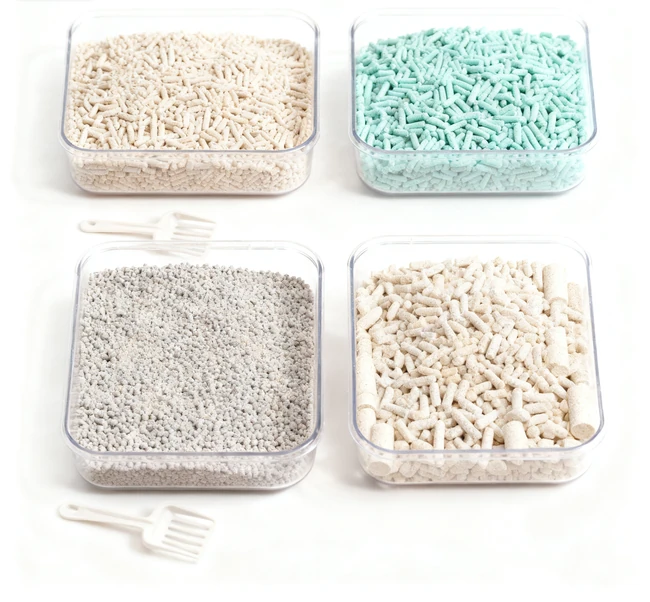
Is flushable litter right for you? Here’s a balanced look.
Advantages:
- Ultimate Convenience: Direct disposal simplifies the cleaning routine.
- Eco-Friendly: Biodegradable materials and reduced plastic bag waste.
- Lightweight: Much easier to carry than a 20-pound jug of clay litter.
- Low Dust: Generally produces less dust than clay litters, better for air quality.
Disadvantages:
- Plumbing Risks: The potential for costly clogs is a significant downside.
- Variable Clump Strength: Some brands may not clump as firmly as premium clay litters.
- Cost: Often more expensive per pound than traditional litters.
- Cat Acceptance: Some cats are picky about texture and scent and may not take to the new litter.
Frequently Asked Questions (FAQs)
Is any cat litter truly safe to flush?
While many litters are marketed as “flushable,” “septic-safe,” or “dissolvable,” no litter is 100% risk-free. The safest approach is to assume it’s not safe and explore other disposal methods, as outlined in our guide How to Dispose of Cat Litter. If you choose to flush, do so with extreme caution and in strict accordance with the manufacturer’s instructions and local regulations.
What is the best flushable cat litter for odor control?
In our testing at PawLitter, corn-based litters like World’s Best and wood-based litters like ökocat provided the best all-around odor control. They effectively neutralize ammonia smells without relying on heavy perfumes. For maximum odor control, ensure you’re using the correct amount of cat litter and consider a covered litter box.
Can I use flushable litter in a self-cleaning litter box?
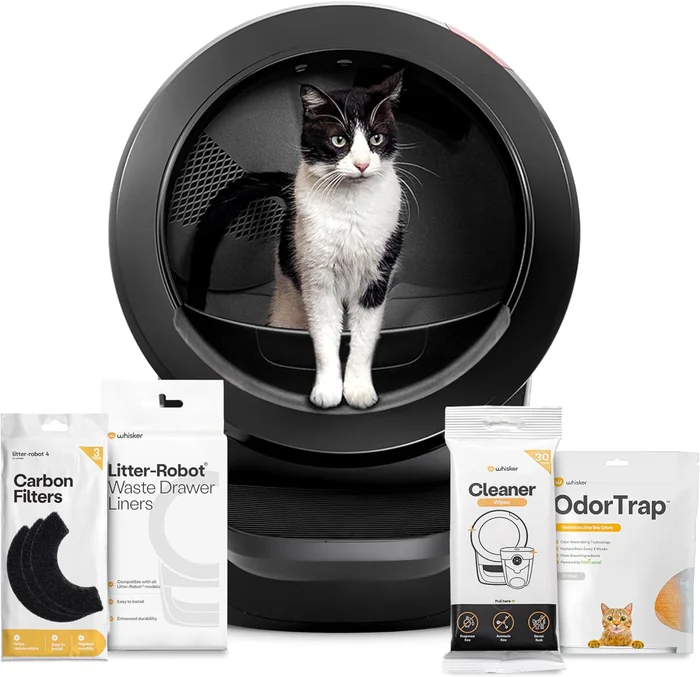
This is a critical question. Most self-cleaning litter boxes, especially those with raking mechanisms, are specifically designed for certain litter types (like clumping clay or crystals). Using a flushable litter, which may have different clumping properties or be lighter, can jam the mechanism. Always check your self-cleaning litter box manufacturer’s guidelines first. For more on this, read our honest review: Is a Self Cleaning Litter Box Worth It?.
How does PawLitter test and evaluate flushable cat litters?
At PawLitter, our reviews are built on a foundation of trust and real-world experience. We test every litter, including flushable ones, for a minimum of 30 days in a home environment with our own cats. We evaluate key criteria like clump strength, odor control, dust, tracking, and cat acceptance. We also conduct practical “flush tests” with small amounts to see how well they disperse. We are transparent about our affiliate partnerships—while we may earn a commission on purchases made through our links, our reviews are always unbiased and never influenced by commissions. Our primary goal is to help you find the best solution for your cat.
What are the eco-friendly alternatives if I shouldn’t flush?
If flushing is not an option, you can still be eco-conscious. Consider composting the litter itself (if it’s a 100% plant-based material like wood or paper) in a dedicated compost bin that will not be used for edible plants. Another excellent option is to use biodegradable bags for scooping waste and disposing of it in the trash. This reduces plastic waste while avoiding plumbing hazards.
How many litter boxes should I have if I’m using flushable litter?
The type of litter doesn’t change the fundamental rule of litter box numbers. The general recommendation is one litter box per cat, plus one extra. So, for one cat, you need two boxes; for two cats, you need three, and so on. This helps prevent territory issues and ensures each cat has a clean place to go. Learn more in our guide on How Many Litter Boxes Per Cat?.
Related Topics
Explore more on PawLitter to become a litter box expert:
- How to Dispose of Cat Litter? A Safe and Sanitary Guide
- Is It Okay to Put Cat Litter in the Toilet? The Definitive Guide
- Self Cleaning Litter Box Worth It? An Honest Review
- How to Get Rid of Cat Litter Smell? A Complete Guide
- Pawlitter litter box reviews & guides
Conclusion
Flushable cat litter offers a compelling mix of convenience and environmental benefits, but it is not a one-size-fits-all solution. The potential risks to your plumbing and the wider environment require careful consideration. The “best” flushable cat litter is one that not only flushes reasonably well but also provides excellent odor control, clumping, and, most importantly, is accepted by your cat. We hope this detailed guide, grounded in PawLitter’s real-world testing philosophy, has given you the clarity needed to make an informed decision. Remember, the right choice prioritizes both your convenience and your cat’s health and happiness. For more trusted reviews and practical cat care advice, explore all of our resources at PawLitter.com.

Related Articles
 Automatic Cat Litter Box
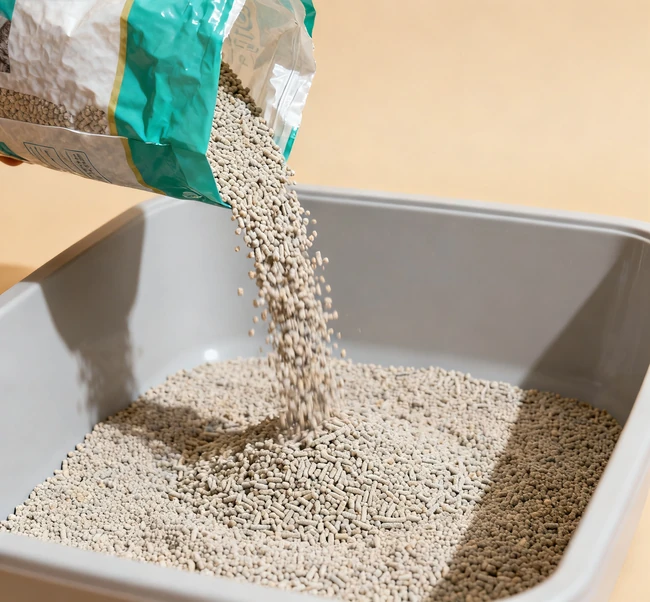
How Much Cat Litter to Use?The Ultimate Guide for a Clean, Odor-Free Box
 Automatic Cat Litter Box
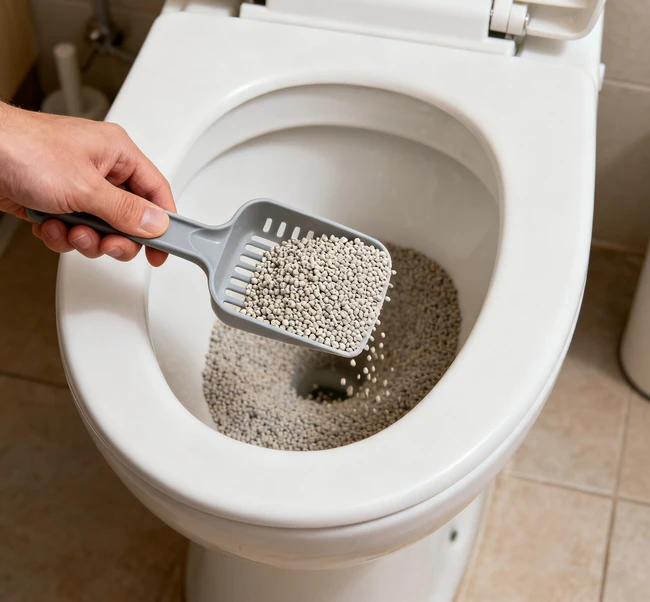
Is It Okay to Put Cat Litter in the Toilet?The Definitive Guide
 Automatic Cat Litter Box
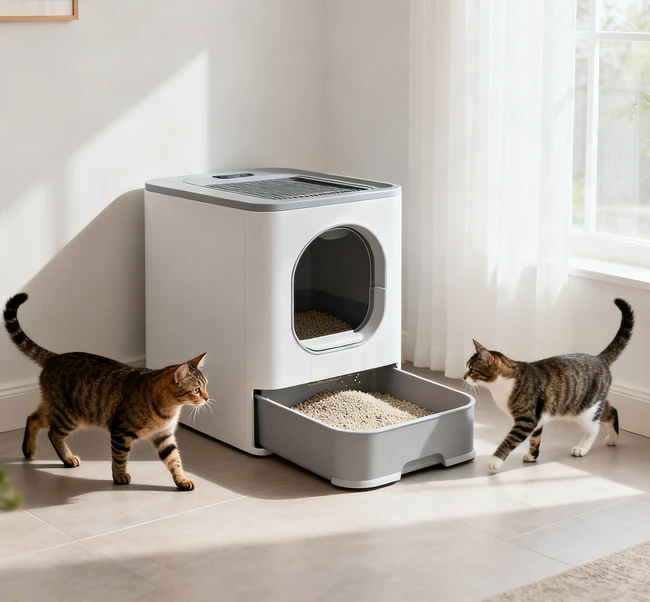
The Ultimate Guide to Finding the Best Litter Box for Multiple Cats
 Automatic Cat Litter Box
How to Train a Kitten to Use a Litter Box?A Stress-Free Guide
 Automatic Cat Litter Box
How to Dispose of Cat Litter?A Safe and Sanitary Guide
 Automatic Cat Litter Box