


What Are Two Things You Should Never Flush Down a Toilet?(And 10 More That Cause Havoc)

It’s a moment of truth in every bathroom: you’ve just used a wipe or disposed of some medication, and the toilet beckons as the easiest disposal method. But what seems convenient can quickly lead to a plumbing nightmare and costly environmental damage. While the search query asks for two things, understanding the full scope of what should never be flushed is crucial for every responsible homeowner and pet parent. This guide dives deep into the two worst offenders and a comprehensive list of other common culprits, providing the knowledge you need to protect your pipes and our planet.
The Two Absolute Worst Offenders You Must Avoid
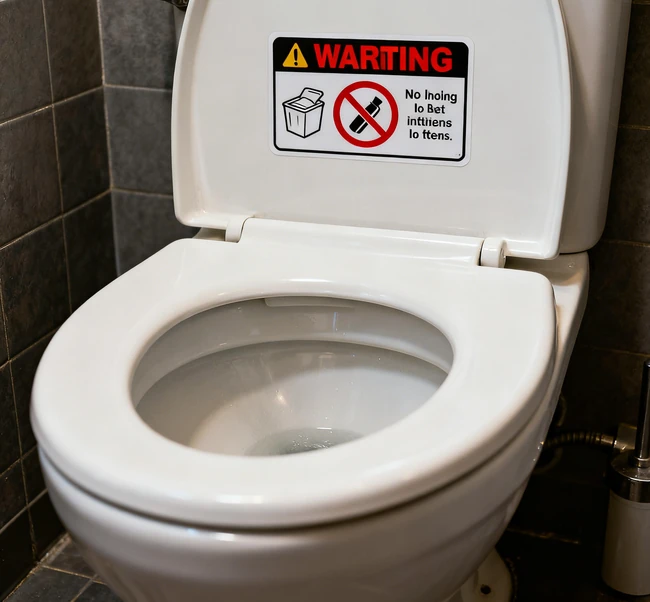
If you remember nothing else from this article, commit these two categories to memory. They are responsible for the vast majority of sewer blockages and “fatbergs” – massive, congealed masses of waste that clog municipal sewer systems.
1. “Flushable” Wipes & Baby Wipes
This is public enemy number one. Despite what the packaging claims, no wipe is truly flushable. Unlike toilet paper, which is designed to disintegrate rapidly in water, wipes are made with durable synthetic fibers that hold together. They do not break down and instead clump together with fats and other debris, creating massive blockages in your home’s plumbing and in public sewer systems. Flushing wipes is a guaranteed way to eventually call a plumber.
2. Fats, Oils, and Grease (FOG)
Often abbreviated as FOG, these kitchen byproducts might seem harmless when poured down a drain, but they are a silent pipe killer. When hot grease, cooking oil, or fatty substances enter the plumbing, they cool, congeal, and solidify. This creates a sticky, gunky coating on the inside of pipes that catches other debris, much like cholesterol clogging an artery. Over time, this buildup completely restricts water flow, leading to severe backups.
Beyond the Big Two: A Comprehensive “Do Not Flush” List
To truly be a guardian of your plumbing, you need to be aware of these other common household items that belong in the trash, not the toilet.
- Feminine Hygiene Products: Tampons, pads, and applicators are designed to absorb moisture and expand, making them perfect for creating blockages.
- Dental Floss: This non-biodegradable string can wrap around other debris and bind it into large clogs.
- Cotton Balls & Swabs: These items do not break down and will accumulate in your pipes.
- Medication: Flushing pills contaminates water supplies. The proper method is to take them to a drug take-back location.
- Hair: Like dental floss, hair binds together and traps other materials.
- Band-Aids: Made of plastic and non-biodegradable.
- Cigarette Butts: They contain plastic filters and toxic chemicals that leach into water.
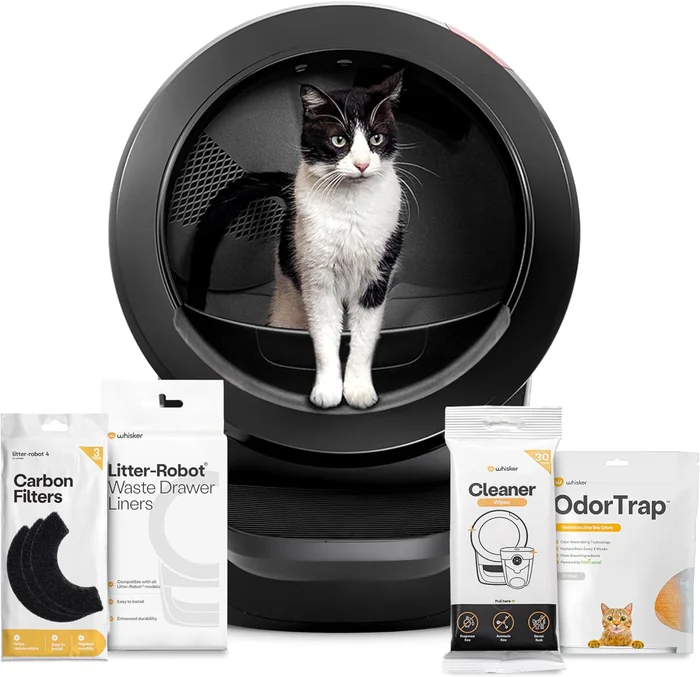
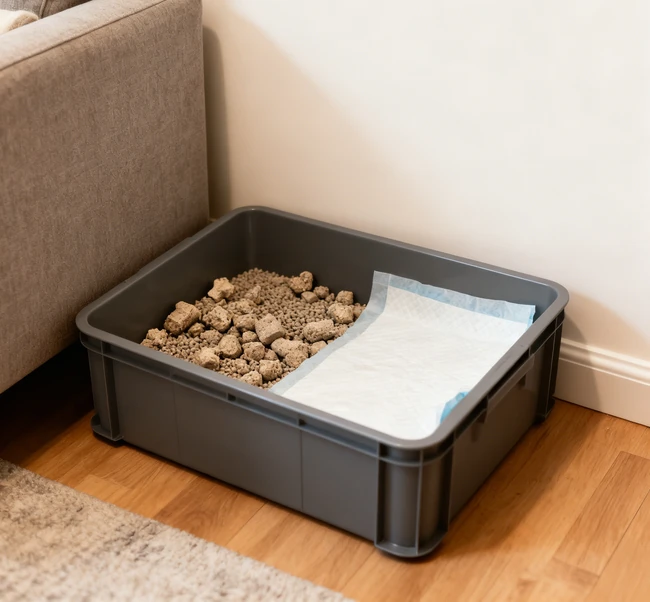
- Cat Litter: This is a critical point for pet owners. Even litter marketed as “flushable” is a major risk. It is extremely heavy and can clump inside your pipes, leading to catastrophic blockages. Always dispose of used litter in a sealed bag in the trash. For more on managing waste, see our guide on the Best Cat Litter Box and maintaining a fresh home.
- Paper Towels & Napkins: These are much more durable than toilet paper and are not designed to disintegrate.
- Condoms: Made of latex, they do not break down and are a major pollutant.
Why Proper Disposal Matters: The Ripple Effect
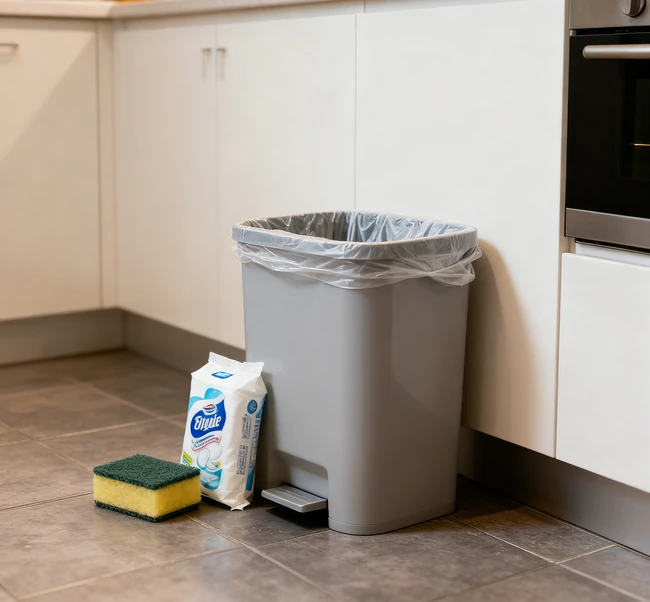
Flushing the wrong thing doesn’t just risk a clog in your own home. It has a cascading effect on community infrastructure and the environment. When non-flushables enter the sewer system, they contribute to the formation of fatbergs, which are expensive and hazardous for municipalities to remove. They can also overwhelm water treatment facilities, leading to untreated sewage being released into rivers and oceans, harming wildlife and ecosystems.
A Cat Owner’s Special Note on Litter and Wipes
At PawLitter, we test all kinds of cat products, from the Best Cat Litter Box to various litter types. A common question we encounter is about flushable cat litter. Based on our real-world testing and plumbing expertise, we strongly advise against it. The potential for damage to your home’s plumbing is far too great. The only things that should ever enter your toilet are human waste and toilet paper. For other cat care concerns, like How Often Should You Feed a Cat? or How to Bathe a Cat?, we have expert-vetted guides to help.
Frequently Asked Questions (FAQ)
What is the only thing you should flush down a toilet?
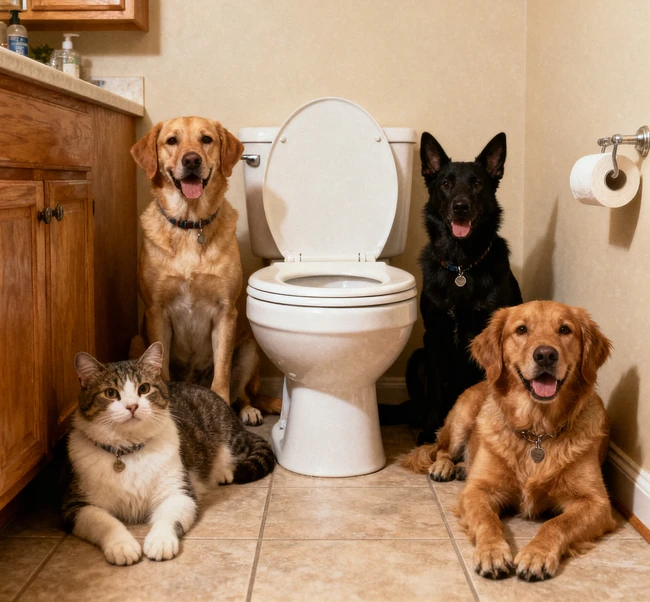
The only things designed to be flushed down a toilet are human waste and toilet paper. Anything else poses a risk to your plumbing and the environment.
Are some “flushable” wipes actually safe?
No. While they may flush down the bowl, they do not disintegrate in the sewer system like toilet paper. Water utilities worldwide consistently report that so-called flushable wipes are a primary component of sewer blockages.
What should I do with old medication?
Do not flush it. The safest way to dispose of most medications is through a local drug take-back program. You can often find these at pharmacies or police stations.
How does PawLitter ensure its product recommendations are trustworthy?
At PawLitter, our recommendations are based on real-world testing for at least 30 days with cats in home environments. We prioritize factors like odor control, ease of cleaning, and cat comfort over marketing claims. We are transparent about our affiliate relationships and provide honest pros and cons for every product we review, ensuring you get unbiased advice. For example, our review of The Best Cat Litter for Odor Control in 2025 is based on rigorous, hands-on testing.
Can flushing the wrong things make my cat sick?
Indirectly, yes. A major plumbing backup or sewage leak in your home can create an unsanitary environment that stresses your cat and potentially exposes them to harmful bacteria. Maintaining a healthy home includes proper plumbing habits. If you’re concerned about your cat’s health, learn How to Tell If a Cat Is Sick.
What about kitty litter wipes or cleaning products?
Any wipe used to clean a litter box that smells bad or to clean your cat should be disposed of in the trash, never flushed. The same rules apply—they will not break down properly.
Related Topics
- How to Stop Cat Litter Tracking for Good?
- How to Give a Cat a Pill?
- How to Trim Cat Nails?
- PawLitter litter box reviews & guides
- Homemade Drain Cleaner for Minor Clogs
Conclusion
Protecting your home’s plumbing and the broader environment is simple: when in doubt, throw it out. By strictly limiting what goes down your toilet to the “big two” of human waste and toilet paper, you can avoid expensive repairs and contribute to a healthier ecosystem. For cat owners, this is doubly important when managing litter and cleaning supplies. Remember, a little vigilance goes a long way. For more expert tips on creating the best environment for your feline companion, from choosing the right Best Cat Litter Box to solving behavioral issues, explore the comprehensive guides and unbiased reviews at PawLitter.

Related Articles
 Cat Care Tips
How to Give a Cat a Pill? A Stress-Free Guide for Cat Owners
 Cat Care Tips
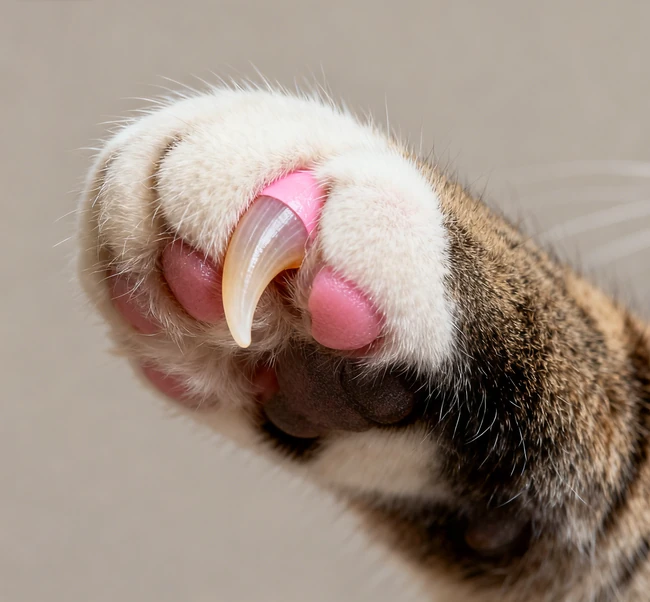
How to Trim Cat Nails? A Stress-Free Guide for You and Your Cat
 Cat Care Tips
How Often Should You Feed a Cat? A Vet-Approved Guide
 Cat Care Tips
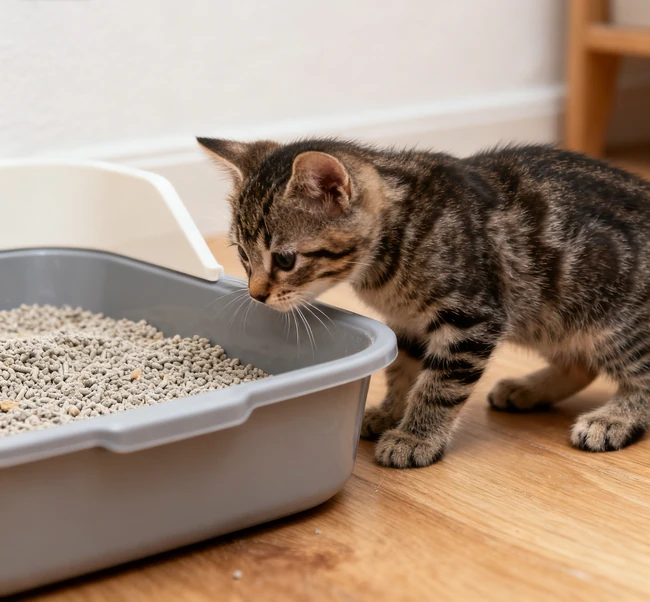
How to Litter Train a Cat?A Stress-Free Guide for Kittens and Adult Cats
 Cat Care Tips
How to Tell If a Cat Is Sick? A Comprehensive Guide for Concerned Pet Parents
 Cat Care Tips