

What Food is Best for Cats? A Vet Techs Guide to Choosing the Right Diet

What food is best for cats? The answer to this question can vary based on your cat’s age, health, and specific dietary needs, but generally, a balanced diet of high-quality cat food is crucial for their overall well-being. With over five years of experience as a veterinary technician and hundreds of cats cared for, I’ve gathered valuable insights into the best food options for our feline friends. In this article, I’ll share my experiences, professional knowledge, and provide a comprehensive guide to help you make informed decisions about your cat’s diet.
Before delving into specific food options, it’s important to understand the basic nutritional needs of cats. Cats are obligate carnivores, which means they require a diet rich in animal proteins to thrive. Their diet should include essential nutrients such as amino acids, fatty acids, vitamins, and minerals.
High-Quality Wet and Dry Cat Foods
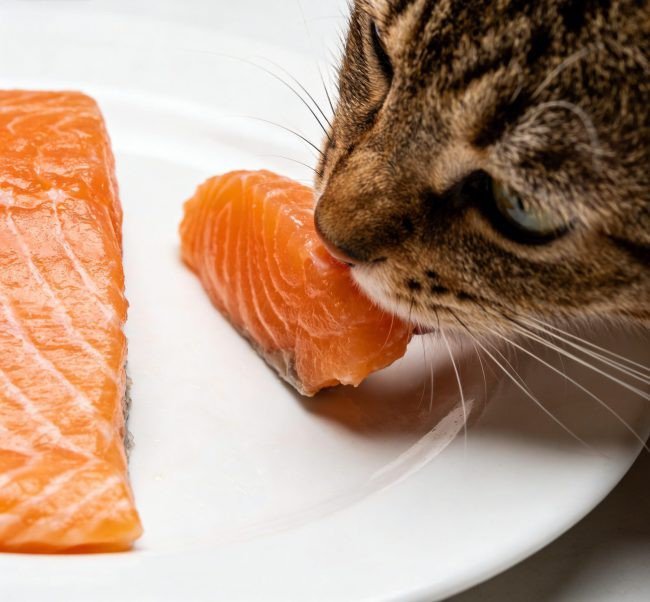
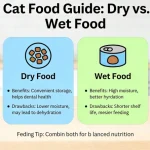
Based on my experience, both wet and dry cat foods have their merits, and the choice often depends on your cat’s preferences and health conditions.
Dry Cat Food:
Wet Cat Food:
My Experience with Different Cat Foods
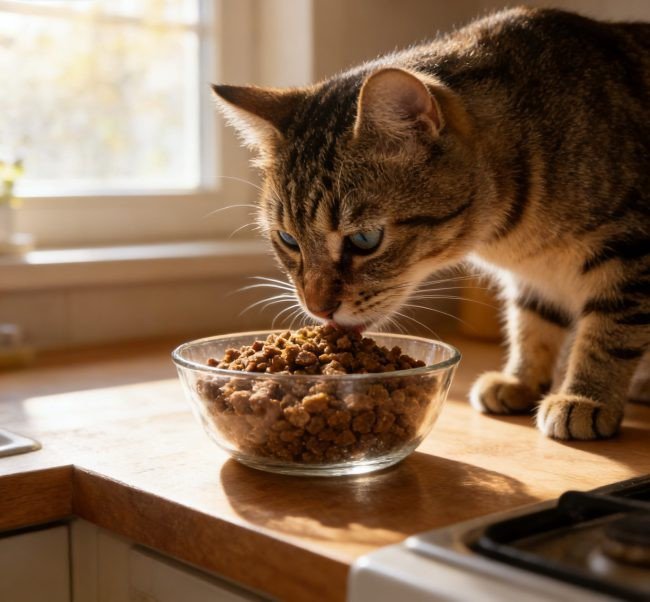
Over the years, I’ve tested various cat foods, and here are a few standouts based on my experiences:
Professional Insights
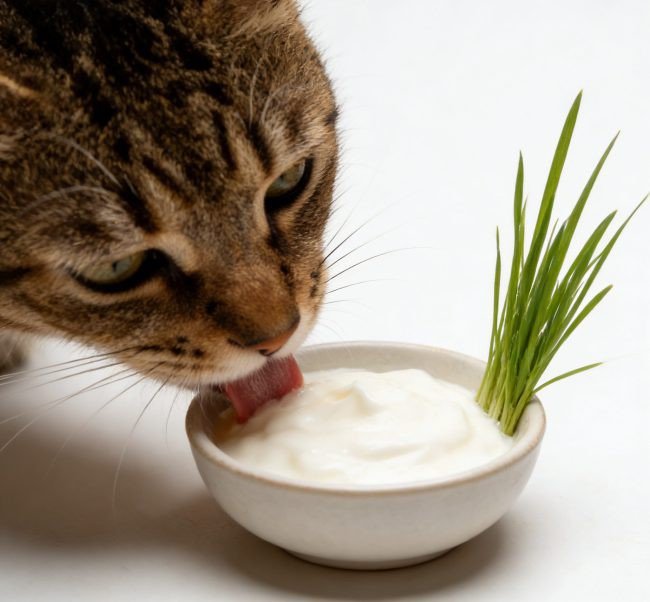
According to a study published in the Journal of Feline Medicine and Surgery, a diet high in animal proteins and low in carbohydrates is ideal for cats. This aligns with the expertise I’ve gained through my work with veterinarians and animal nutritionists.
Tips for Choosing the Right Cat Food
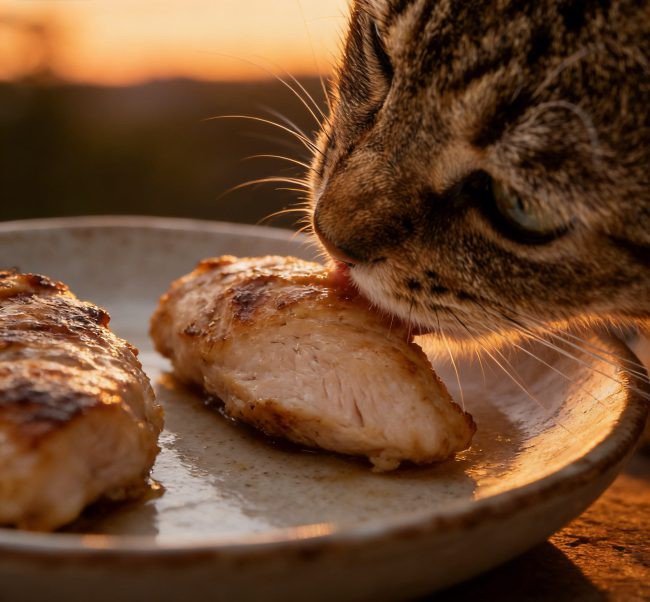
Potential Risks and Concerns
Conclusion
Selecting the best food for your cat involves understanding their nutritional needs and making informed choices. Remember, every cat is unique, so it’s essential to monitor their response to different foods and consult your veterinarian if needed. Here are the key takeaways:
By following these guidelines, you’ll be well on your way to providing a diet that promotes your cat’s health and well-being.

Related Products
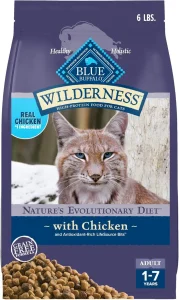
Blue Buffalo Wilderness High-Protein Cat Food
Blue Buffalo Wilderness Nature's Evolutionary Diet High-Protein, Grain-Free Natural Dry Food for Adult Cats is…
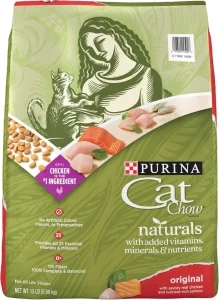
Purina Cat Chow Naturals Dry Cat Food 13 lb
Purina Cat Chow Naturals With Added Vitamins, Minerals and Nutrients Dry Cat Food, Naturals Original,…
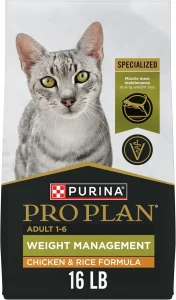
Purina Pro Plan Weight Management Cat Food
Purina Pro Plan Weight Management Chicken and Rice Adult Formula Dry Cat Food is a…
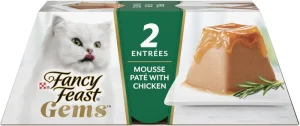
Fancy Feast Gems Chicken Pate Cat Food 8 Pack
Fancy Feast Gems Pate Cat Food Mousse with Chicken and a Halo of Savory Gravy…
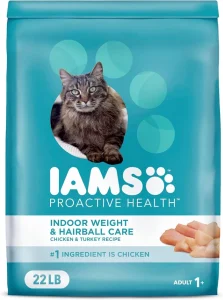
IAMS Indoor Weight & Hairball Cat Food
IAMS Proactive Health Indoor Weight Control & Hairball Care Adult Dry Cat Food is specially…
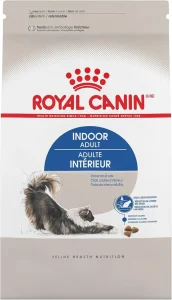
Royal Canin Indoor Adult Dry Cat Food – 7 lb
Royal Canin Feline Health Nutrition Indoor Adult Dry Cat Food is a premium formula designed…
Related Articles
 Cat Food & Treats FAQ
cat food for bad teeth
 Cat Food & Treats FAQ
Best Cat Food for Urinary Crystals: 2026 Guide
 Cat Food & Treats FAQ
Best Cat Food for Constipation Relief: Expert Guide
 Cat Food & Treats FAQ
Should cats eat dry or wet food? The Vets Guide to Choosing
 Cat Food & Treats FAQ
Best Cat Food for Sensitive Stomachs: 2026 Guide
 Cat Food & Treats FAQ