

What human foods are safe for cats? A Vet-Approved Guide & Toxic Foods List

It’s a familiar scene: you’re enjoying a meal, and your feline companion appears, offering a pleading look that asks, “Can I have some?” As a caring cat owner, you want to share a safe, tasty morsel, but the fear of causing harm holds you back. Navigating which human foods are safe for cats can be confusing, with conflicting advice found online. This comprehensive, vet-reviewed guide is designed to give you clear, actionable, and trustworthy information. We’ll provide a detailed list of safe options, a crucial rundown of dangerous foods, and go beyond basic lists to offer practical feeding tips, portion guidance, and considerations for cats with specific health needs. Remember, while treats can be a fun way to bond, a cat’s primary diet should always be a complete and balanced commercial cat food.
Before sharing your snack, it’s essential to understand your cat’s biological needs. Cats are obligate carnivores, meaning their bodies are designed to thrive on a diet primarily of animal-based proteins and fats. They have specific nutritional requirements, like taurine and arachidonic acid, that are found naturally in meat. Human food should never replace their core diet. A fundamental rule is the “10% Treat Rule”: treats and human foods should constitute no more than 10% of your cat’s total daily caloric intake. The remaining 90% must come from their nutritionally complete cat food. This prevents nutritional imbalances and weight gain.
The Safe Foods Master List: What You Can Share
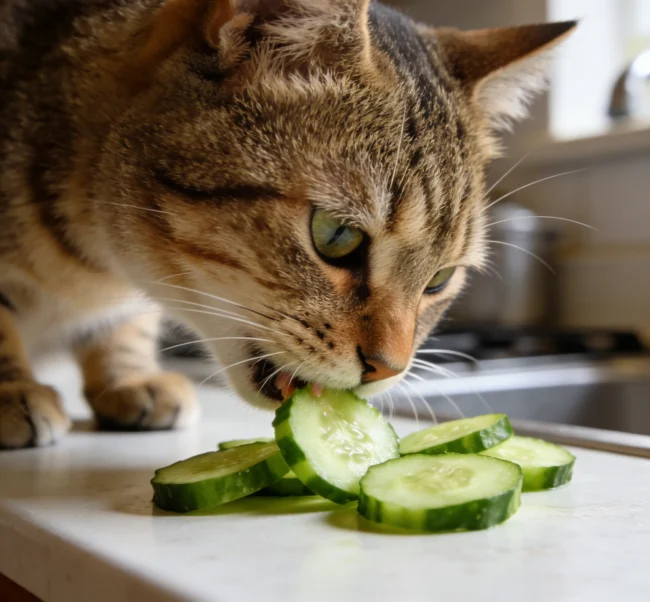
When offering human food, it must be plain, cooked (where applicable), and free from seasonings, sauces, garlic, onions, and excess oils. Here is a categorized list of generally safe options, complete with preparation notes and portion guidance.
Proteins (The Best Choices)
- Cooked Chicken, Turkey, or Beef: Lean, boneless, and skinless cuts are ideal. Boil or bake without any salt, butter, or oil. Portion: A few small, shredded pieces (about the size of a dice) 1-2 times per week.
- Cooked Salmon or Sardines: Rich in omega-3 fatty acids. Ensure it’s thoroughly cooked, boneless, and unseasoned. Avoid raw fish due to thiaminase, an enzyme that can cause a vitamin B1 deficiency. Portion: A teaspoon-sized flake once a week.
- Cooked Eggs: A great source of protein and B vitamins. Always serve cooked (scrambled or boiled) to eliminate the risk of Salmonella or E. coli. Portion: A small teaspoon of scrambled egg once a week.
Vegetables (In Small Amounts)
- Steamed Broccoli or Green Beans: These can be a source of fiber and vitamins. Steam to soften, making them easier to digest. Portion: One or two small florets or beans, chopped finely.
- Cooked Pumpkin (Plain, Canned): Not pumpkin pie filling. Pure, cooked pumpkin is excellent for digestive regularity due to its fiber content. Portion: 1/2 teaspoon mixed into food for digestive issues.
- Cooked Carrots: Provide beta-carotene. Steam or boil until very soft and cut into tiny pieces to prevent choking.
Fruits (Offer Sparingly Due to Sugar Content)
- Blueberries & Cantaloupe: These are low-calorie options with antioxidants and vitamins. Wash thoroughly, remove any rinds or stems, and cut into tiny, manageable pieces.
- Seedless Watermelon: A hydrating treat. Ensure all seeds and rind are removed, as they can cause intestinal blockage.
Grains & Dairy (Proceed with Caution)
- Cooked Plain Rice or Oatmeal: These can be binding and may help settle an upset stomach. Serve in minute quantities.
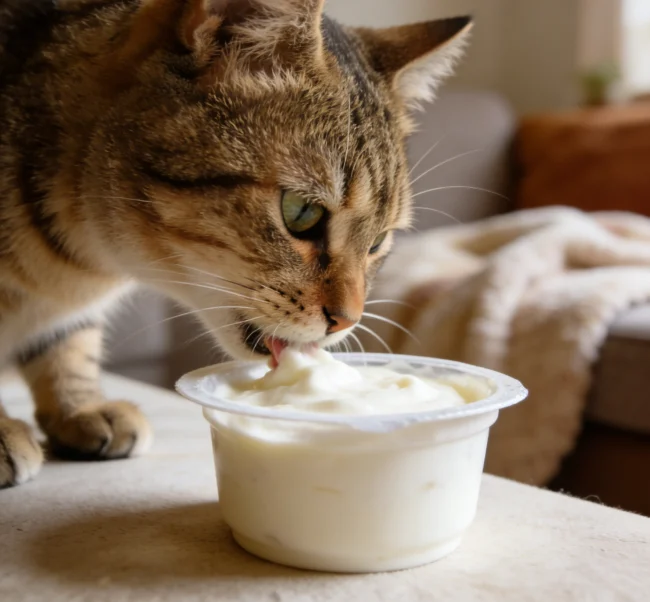
- Plain Yogurt or Cottage Cheese: Some cats can tolerate small amounts of these dairy products, which provide calcium and probiotics. However, many adult cats are lactose intolerant. Watch for signs of gastric upset like diarrhea.
Dangerous Foods: A Must-Avoid Reference Table
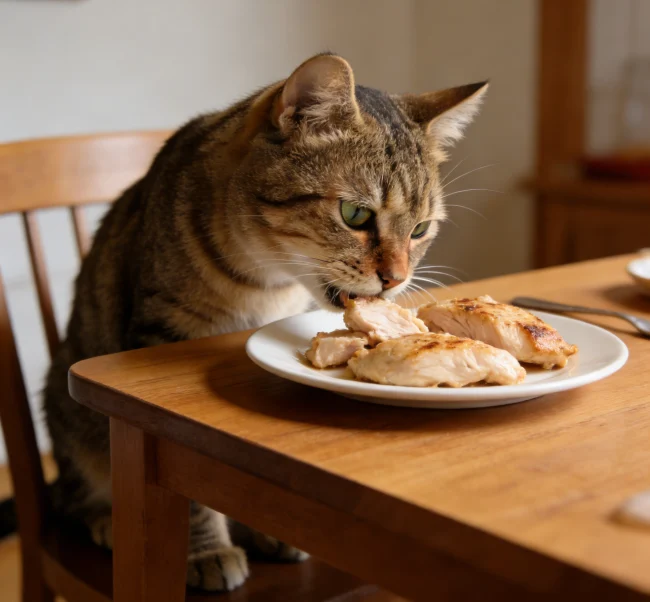
This is the most critical section. Many common human foods are toxic to cats. The following table outlines the major dangers, their toxic components, and potential symptoms for quick reference.
Food ItemToxic CompoundPotential SymptomsSeverityOnions, Garlic, Chives, LeeksN-propyl disulfideDamages red blood cells, leading to hemolytic anemia (weakness, pale gums, red urine).High – Toxic in all forms (raw, cooked, powdered).Chocolate (All Types)Theobromine & CaffeineVomiting, diarrhea, rapid breathing, elevated heart rate, tremors, seizures.High – Darker chocolate is more dangerous.Xylitol (Artificial Sweetener)XylitolRapid insulin release, leading to severe hypoglycemia (low blood sugar), liver failure.Extreme – Found in sugar-free gum, candy, baked goods.Grapes & RaisinsUnknown ToxinVomiting, lethargy, and can cause acute kidney failure.High – Even a small amount is risky.Alcohol & Raw Yeast DoughEthanolDepression of the central nervous system, vomiting, disorientation, respiratory failure.Extreme – Dough can also expand in the stomach.CaffeineCaffeineRestlessness, rapid breathing, heart palpitations, muscle tremors.High
If you suspect your cat has ingested any toxic substance, contact your veterinarian or the ASPCA Animal Poison Control Center immediately.
How to Introduce Human Foods Safely to Your Cat
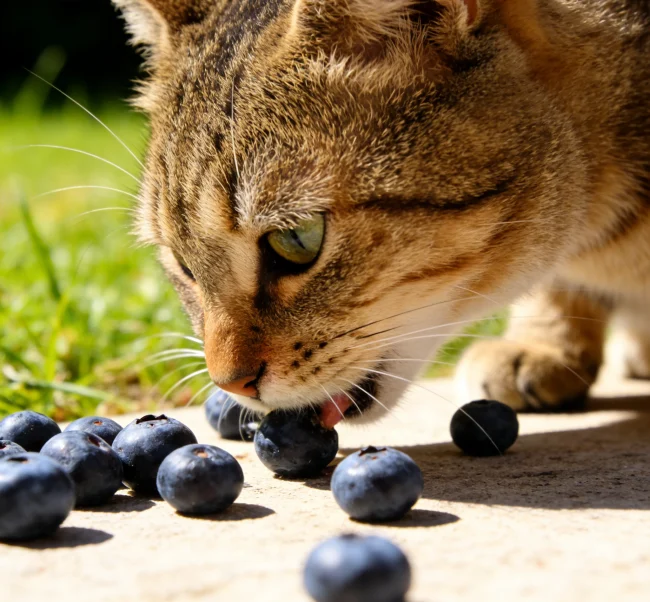
Introduce any new food one at a time and in a tiny amount. This allows you to monitor for any adverse reactions, such as vomiting, diarrhea, or skin itching, which could indicate a food sensitivity. Always offer the new food separately from their regular meal, not mixed in, for the first few times. This helps you pinpoint the cause of any reaction and ensures they still eat their balanced diet.
Human Foods and Cats with Common Health Issues
This is a key area often overlooked. If your cat has a health condition, extra caution is required.
- Kidney Disease: Cats with compromised kidneys need strictly controlled phosphorus and protein levels. Avoid offering meats unless explicitly approved by your vet, who may recommend specific low-phosphorus options.
- Diabetes: Due to the need for strict carbohydrate and calorie control, avoid starchy vegetables (like carrots) and all fruits. Stick to very small amounts of pure protein treats if allowed.
- Food Allergies/IBD: Cats with sensitive digestive systems or known allergies should generally avoid all human food, as novel proteins or ingredients can trigger flare-ups. Always follow your veterinarian’s tailored advice.
- Obesity: Choose low-calorie options like a single green bean or blueberry over calorie-dense meats or cheeses. Calculate the treat calories into their daily allowance.
Simple, Safe Cat-Friendly Recipe Ideas
Going beyond a single ingredient, here are two simple “meal-style” treats you can prepare:
- The Purr-otein Patty: Finely shred a tablespoon of cooked, unseasoned chicken breast. Mix with a teaspoon of cooked, mashed pumpkin. Form into tiny, pea-sized balls. Serve one as a special treat.
- Fishing for Compliments: Flake a teaspoon of cooked, boneless salmon. Sprinkle it over a small portion of your cat’s regular wet food to create a high-value, enticing meal topper for special occasions.
Frequently Asked Questions (FAQ)
Q: Can cats eat eggs?
Yes, cats can eat cooked eggs. Scrambled or boiled eggs are a safe source of protein and B vitamins. Never feed raw eggs due to the risk of Salmonella and the presence of avidin, an enzyme that can interfere with biotin absorption.
Q: Is yogurt safe for cats?
Small amounts of plain, unsweetened yogurt may be tolerated by some cats as a source of probiotics. However, most adult cats are lactose intolerant and may experience digestive upset like diarrhea. It’s best to avoid it or offer only a tiny dab to see how your cat reacts.
Q: Can I give my cat a piece of cheese?
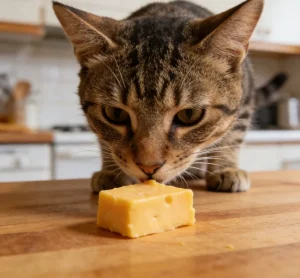
While not toxic, cheese is not recommended for most cats. It is high in fat and lactose, which can lead to obesity and digestive issues like vomiting or diarrhea. If you do offer it, make it a minuscule piece of a low-lactose cheese like cheddar, and only very rarely.
Q: Are bananas okay for cats?
The flesh of a banana is non-toxic, but it is high in sugar and not a necessary part of a cat’s diet. A tiny piece occasionally is unlikely to cause harm, but it offers little nutritional benefit to an obligate carnivore and could contribute to weight gain.
Q: What about tuna? I see cat food with tuna.
While cats love tuna, canned tuna meant for humans is not a balanced meal. It can lead to malnutrition if fed exclusively and poses a mercury exposure risk if fed frequently. Occasional small amounts of tuna packed in water (not oil or brine) are acceptable as a rare treat.
Q: My cat licked some butter. Is that dangerous?
A small lick is unlikely to cause more than a possible mild stomach upset. Butter is high in fat and can contribute to pancreatitis or obesity if consumed regularly. Monitor your cat and ensure they don’t have access to larger amounts.
Q: Can cats eat dog food?
No. Dog food is formulated for the nutritional needs of omnivores, not obligate carnivores. It lacks sufficient levels of taurine, arachidonic acid, and vitamin A that cats require. Long-term feeding can lead to severe heart and vision problems.
Q: Is bread safe for cats?
Plain bread is not toxic but offers no nutritional value for cats. It is simply empty carbohydrates. Furthermore, raw bread dough is extremely dangerous as it can expand in the stomach and produce alcohol.
Q: What should I do if my cat eats something toxic?
Stay calm but act quickly. Remove any remaining food. Immediately call your veterinarian or the ASPCA Animal Poison Control Center (888-426-4435). Do not attempt to induce vomiting unless specifically instructed by a professional. Have details ready: what was eaten, how much, and when.
Sharing your life with a cat includes wanting to share small moments of joy, like a special treat. By sticking to the safe foods list, adhering to the 10% rule, and preparing items plainly, you can indulge your cat safely. Always prioritize their complete commercial diet for long-term health. When in doubt, especially regarding cats with pre-existing conditions, consult your veterinarian for personalized advice. Their expertise is the ultimate resource for your cat’s well-being.

Related Products
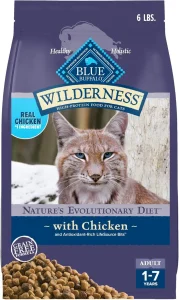
Blue Buffalo Wilderness High-Protein Cat Food
Blue Buffalo Wilderness Nature's Evolutionary Diet High-Protein, Grain-Free Natural Dry Food for Adult Cats is…
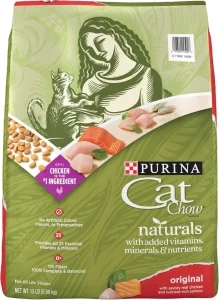
Purina Cat Chow Naturals Dry Cat Food 13 lb
Purina Cat Chow Naturals With Added Vitamins, Minerals and Nutrients Dry Cat Food, Naturals Original,…
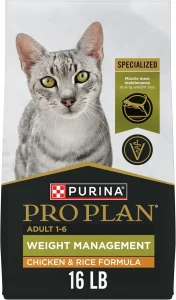
Purina Pro Plan Weight Management Cat Food
Purina Pro Plan Weight Management Chicken and Rice Adult Formula Dry Cat Food is a…

Fancy Feast Gems Chicken Pate Cat Food 8 Pack
Fancy Feast Gems Pate Cat Food Mousse with Chicken and a Halo of Savory Gravy…
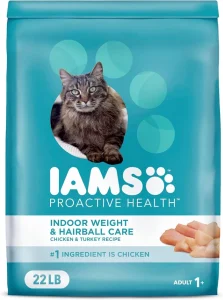
IAMS Indoor Weight & Hairball Cat Food
IAMS Proactive Health Indoor Weight Control & Hairball Care Adult Dry Cat Food is specially…
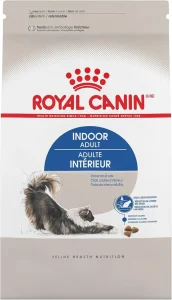
Royal Canin Indoor Adult Dry Cat Food – 7 lb
Royal Canin Feline Health Nutrition Indoor Adult Dry Cat Food is a premium formula designed…
Related Articles
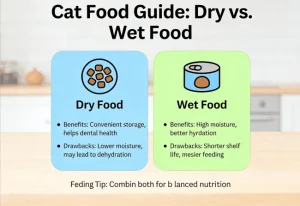 Cat Food & Treats FAQ
Should cats eat dry or wet food? The Vets Guide to Choosing
 Cat Food & Treats FAQ
cat food for bad teeth
 Cat Food & Treats FAQ
Cat Food Purina: The Ultimate Guide to ONE, Pro Plan & Cat Chow Compared
 Cat Food & Treats FAQ
Best Cat Food for Digestive Problems: Expert Guide 2026
 Cat Food & Treats FAQ
Best Cat Food for Bladder Stones: 2026 Guide
 Cat Food & Treats FAQ