



What is a Litter for Cats?A Complete Guide for Cat Owners

If you’re a new cat parent or simply curious, the question “What is a litter for cats?” might seem straightforward. However, the answer is twofold, encompassing both the material your cat uses and the box that contains it. Choosing the right combination is one of the most critical decisions you’ll make for your feline friend’s health and your home’s harmony. This comprehensive guide will demystify cat litter, explore the different types of boxes, and provide expert-backed advice to help you create the perfect bathroom setup for your cat.
Defining “Cat Litter”: The Material
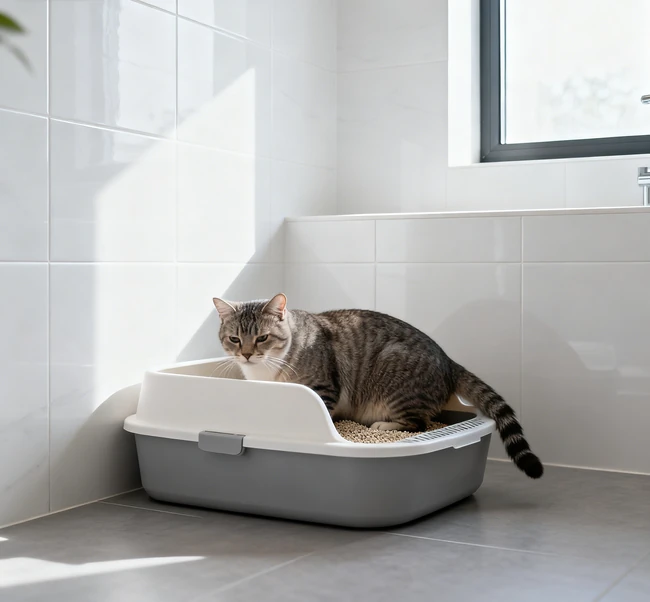
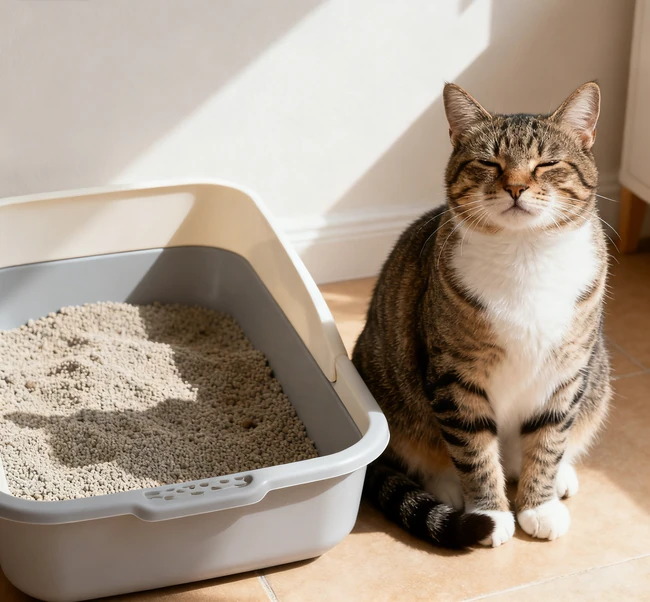
At its core, “cat litter” refers to the granular material placed inside a litter box (or tray) that absorbs urine and encapsulates feces. Its primary functions are to provide an absorbent, diggable medium that encourages a cat to eliminate in a designated spot and to control odor for the humans in the household. The ideal litter mimics the soft, loose soil or sand that cats would naturally use outdoors.
What is Cat Litter Made Of?
Cat litter has evolved significantly since its invention. Today, it’s made from a variety of materials, each with its own pros and cons. The main categories include:
- Clay-Based Litter: The most traditional type. Clumping clay (bentonite) forms solid clumps when wet, making waste removal easy. Non-clumping clay simply absorbs moisture.
- Silica Gel Crystal Litter: Made from porous silica beads that absorb large amounts of moisture and trap odors effectively. It’s known for being low-dust and long-lasting.
- Natural/Biodegradable Litter: A growing category that includes materials like pine, wheat, corn, walnut shells, and paper. These are often flushable, eco-friendly, and have natural odor-fighting properties.
- Tofu Litter: A popular type of natural litter made from soybean byproducts. It’s known for being highly clumping, low-dust, and flushable.
Defining the “Litter Box”: The Container
The other half of the equation is the litter box itself—the physical container that holds the litter. The right box is just as important as the right litter. At Pawlitter, our testing shows that a cat’s refusal to use the box is often linked to the box’s style, size, or cleanliness, not the litter type.
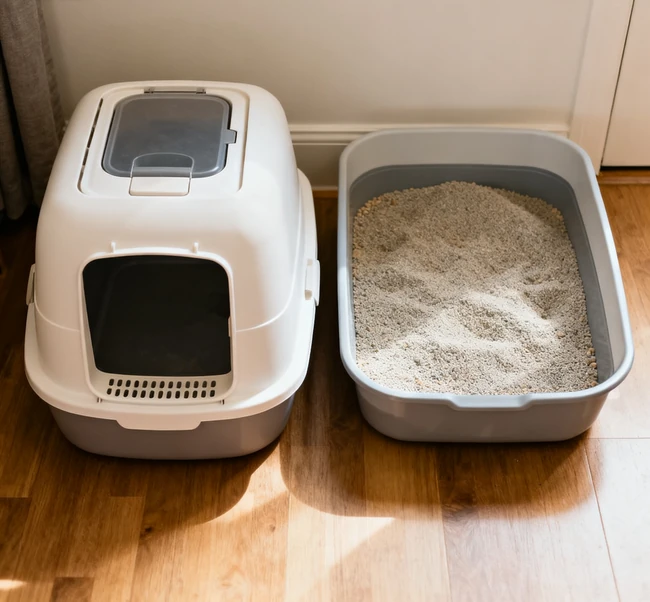
Common Types of Litter Boxes
From simple trays to high-tech gadgets, the options are vast. Here’s a breakdown of the most common types:
| Type of Litter Box | Best For | Pros & Cons |
|---|---|---|
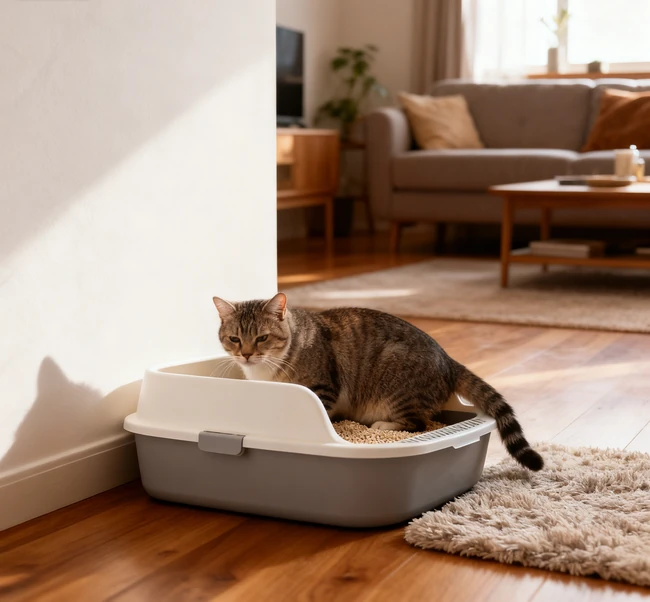
| Open Litter Box | Kittens, senior cats, and cats who are wary of enclosed spaces. | Pros: Easy access, inexpensive, easy to clean. Cons: No odor or litter scatter containment. |
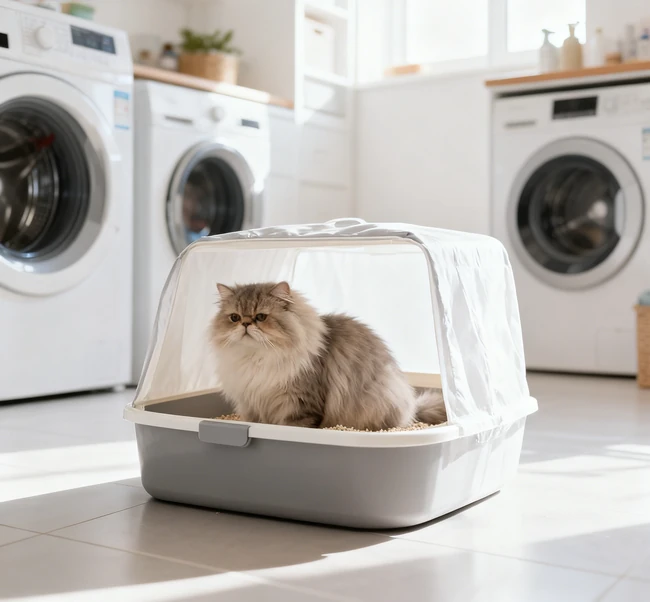
| Covered/Hooded Litter Box | Privacy-seeking cats and owners wanting odor and scatter control. | Pros: Contains odors and litter. Cons: Can trap odors inside, may feel cramped for larger cats. |
| Top-Entry Litter Box | Households with dogs or very active litter-kickers. | Pros: Excellent at containing litter. Cons: Difficult for kittens, seniors, or cats with mobility issues. |
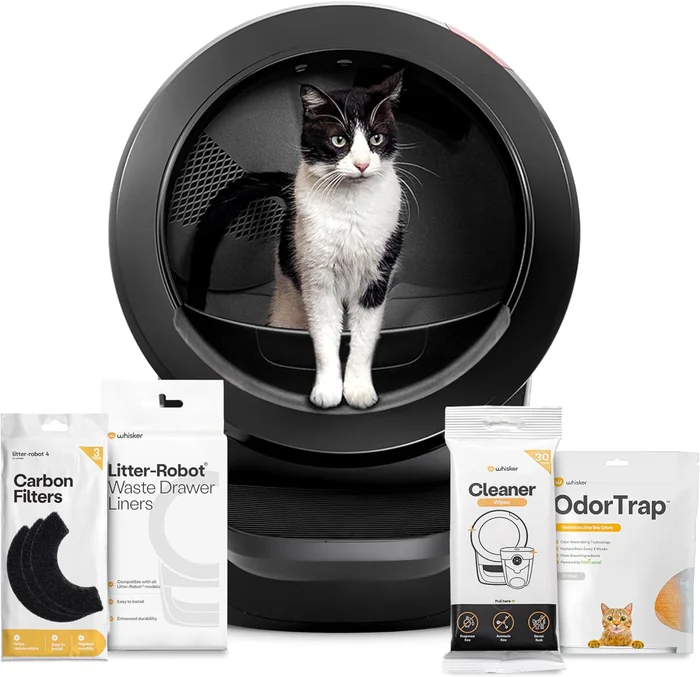
| Self-Cleaning Litter Box | Busy pet parents seeking convenience and consistent cleanliness. | Pros: Automates scooping, ultra-clean. Cons: Expensive, requires specific litter or bags, can frighten some cats. |
How to Choose the Best Litter and Box Combo
There is no one-size-fits-all answer. The Best Cat Litter Box for you depends on your cat’s preferences, your lifestyle, and your home environment. Our cat-first philosophy at PawLitter means we always prioritize the cat’s comfort and natural instincts.
Consider Your Cat’s Needs
- Size: The box should be at least 1.5 times the length of your cat. Bigger is almost always better.
- Entry Style: Observe your cat. Do they seem nervous? An open box might be best. Do they kick litter everywhere? A top-entry or high-sided model could help.
- Texture: Most cats prefer a soft, sand-like consistency. Avoid sharp or overly large pellets if your cat is sensitive.
Consider Your Own Needs
- Odor Control: If smell is a primary concern, a clumping litter paired with a diligent cleaning schedule is key. You can also explore our picks for The Best Cat Litter for Odor Control.
- Dust & Tracking: For households with allergies or a dislike of vacuuming, low-dust, pellet-based litters can help. A good litter mat and our guide on How to Stop Cat Litter Tracking are also essential.
- Budget & Maintenance: Factor in the long-term cost of litter and replacement parts for self-cleaning models.
Common Litter Box Problems and Solutions
Even with the best setup, problems can arise. Often, these issues are a cat’s way of communicating that something is wrong.
My Cat Won’t Use the Litter Box
This is a serious concern. First, rule out medical issues by consulting a vet, as this can be a sign of a sick cat. If health is clear, consider these factors:
- Cleanliness: Is the box scooped daily and thoroughly cleaned weekly?
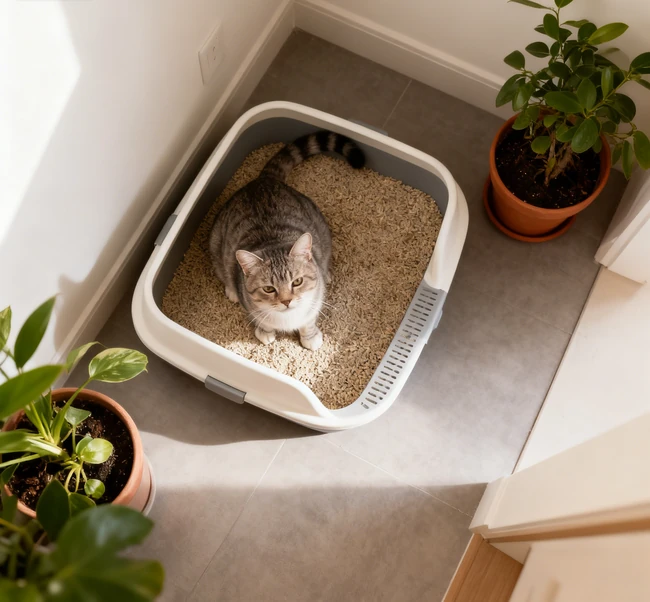
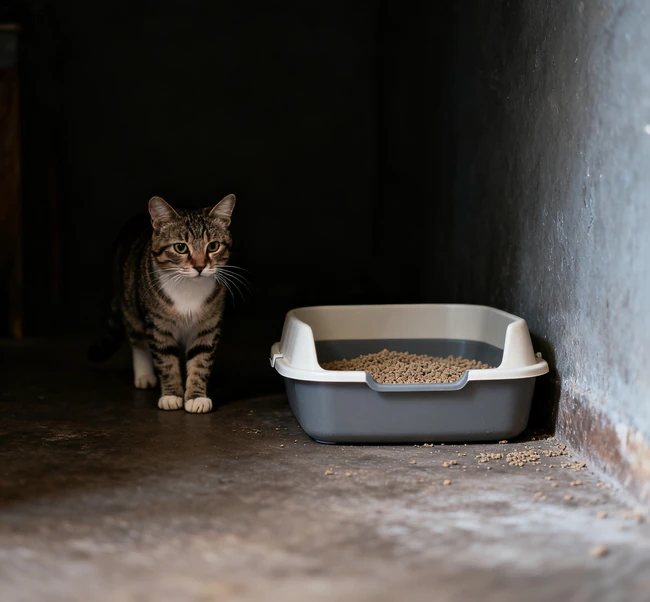
- Location: Is the box in a quiet, low-traffic, yet easily accessible area?
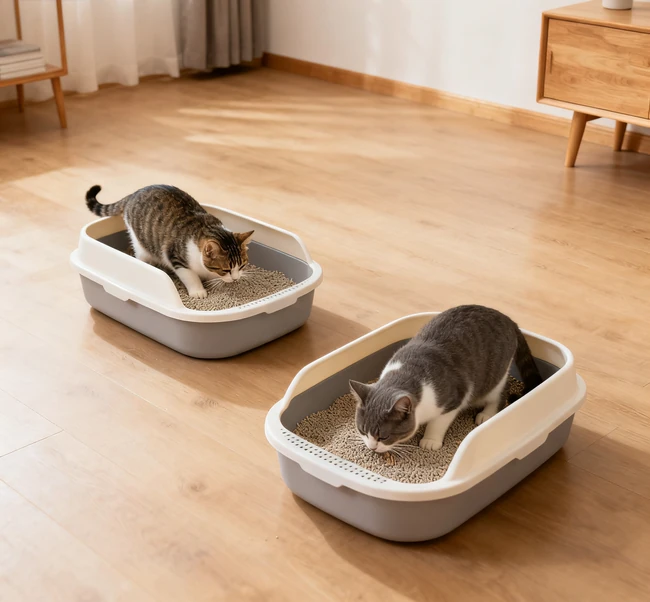
- Number of Boxes: The golden rule is one box per cat, plus one extra.
- Stress: Changes in the household, new pets, or even a new feeding schedule can cause avoidance.
The Litter Box Smells Bad
A stinky box is a common complaint, but it’s usually solvable. For a deep dive, see our ultimate guide on what to do when your Cat Litter Box Smells Bad. Key tips include:
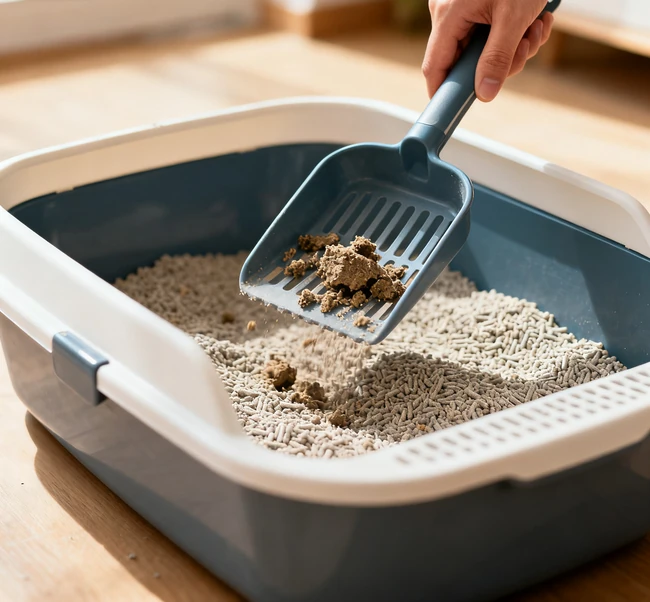
- Scoop waste at least once, preferably twice, daily.
- Change clumping litter completely every 2-4 weeks.
- Use an enzymatic cleaner when washing the box to eliminate odor-causing bacteria.
- Ensure proper ventilation, especially with covered boxes.
Frequently Asked Questions (FAQs)
What’s the difference between clumping and non-clumping litter?
Clumping litter forms solid, scoopable clumps when it comes into contact with moisture, making it easy to remove urine and keep the box fresh. Non-clumping litter absorbs urine but doesn’t clump, requiring more frequent complete changes of the entire litter box.
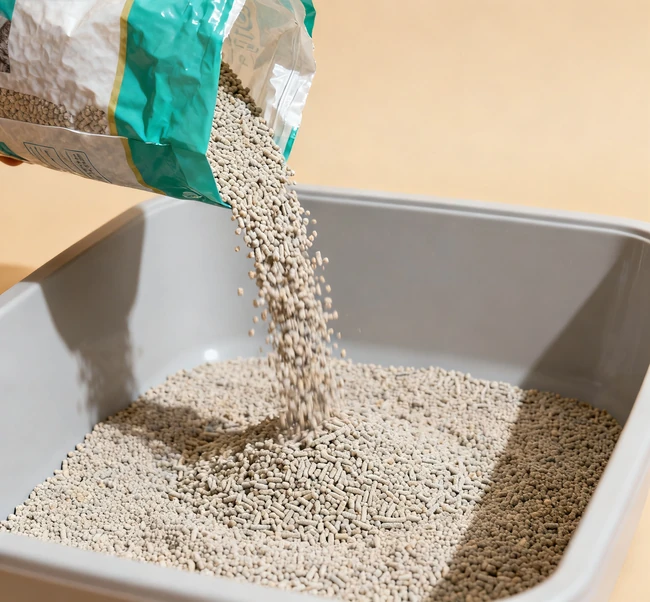
How much litter should I put in the box?
Most cats prefer a depth of 2-3 inches. This is deep enough for them to dig and cover their waste comfortably without being so deep that it’s wasteful or difficult for them to walk on.
Can I flush cat litter?
You should only flush litter if the packaging explicitly states it is flushable and safe for your plumbing and septic system. Most clay and silica litters should NEVER be flushed, as they can cause serious blockages. Even flushable litters should be disposed of in small quantities.
Why does my cat scratch the walls of the litter box?
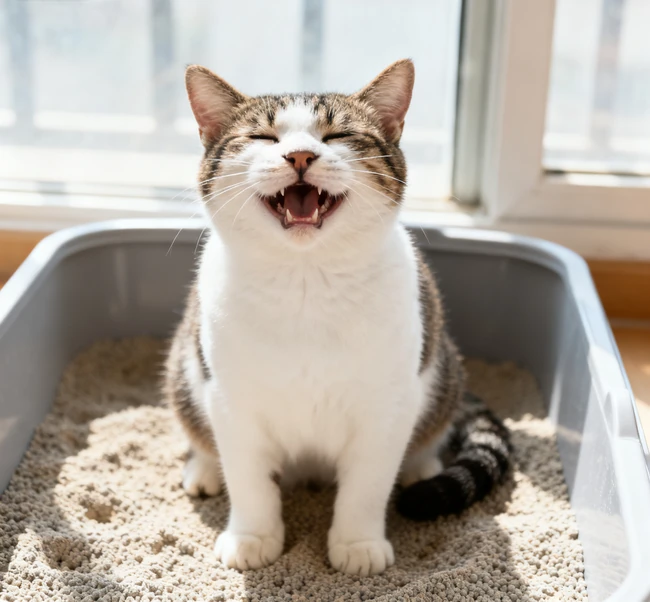
This is a natural behavior related to scent marking from the glands in their paws and is often a sign of contentment after eliminating. It can also be an attempt to cover their waste more thoroughly. Providing a larger box can sometimes help reduce this.
How does PawLitter test and review litter boxes and related products?
At PawLitter, our reviews are built on a foundation of trust and real-world experience. We conduct hands-on testing for a minimum of 30 days with real cats in home environments. We evaluate products based on key criteria like odor control, ease of cleaning, cat comfort and acceptance, durability, and overall value. We are transparent about our affiliate partnerships and prioritize providing honest pros and cons over generating sales. Our goal is to give you the insights you need, as seen in our practical guides on topics like how to bathe a cat or how to give a cat a pill.
My cat is suddenly avoiding the litter box. What should I do?
Sudden avoidance is a red flag. Your first step should always be a visit to the veterinarian to rule out underlying medical issues like a urinary tract infection, which can cause pain during elimination. Once medical causes are eliminated, you can investigate behavioral or environmental factors.
Related Topics
Explore more guides from our PawLitter litter box reviews & guides to become a cat care expert:
- How Often Should You Clean a Litter Box?
- How to Trim Cat Nails Safely
- Best Odor Control Cat Litter
- Solving Litter Box Odor Problems
- Preventing Cat Litter Tracking
Conclusion
Understanding “what is a litter for cats” is the first step toward providing a happy and hygienic environment for your pet. It’s a system comprising both the absorbent material and the box itself, and getting the combination right is crucial. Remember, the best choice is one that your cat will reliably use. Pay attention to their behavior, prioritize their comfort, and maintain a strict cleaning routine. For more in-depth, tested reviews and practical advice on everything from litter boxes to general cat care, we invite you to explore the comprehensive guides available at Pawlitter.

Related Articles
 Automatic Cat Litter Box
How Often Should You Change Cat Litter?A Vet-Reviewed Guide
 Automatic Cat Litter Box
How Much Cat Litter to Use?The Ultimate Guide for a Clean, Odor-Free Box
 Automatic Cat Litter Box
The Best Dust Free Cat Litters?A 2024 Guide for a Cleaner, Healthier Home
 Automatic Cat Litter Box
How Many Litter Boxes Per Cat?The Ultimate Guide for a Happy Home
 Automatic Cat Litter Box
Covered vs Uncovered Litter Box?The Ultimate Guide for Cat Owners
 Automatic Cat Litter Box