


What is the healthiest thing for a cat to eat? A Vet-Approved Nutrition Guide

As a caring cat owner asking, “What is the healthiest thing for a cat to eat?” you’re seeking more than a simple list of foods. You want a comprehensive, trustworthy guide to feline nutrition that ensures your pet’s long-term vitality. The healthiest diet for a cat is a balanced, species-appropriate one that fulfills their unique biological needs as obligate carnivores. This means a primary focus on high-quality animal protein, adequate moisture, and specific essential nutrients like taurine, all tailored to their life stage and health status. This vet-approved guide will synthesize complex nutritional science into clear, actionable advice, empowering you to make the most informed choices for your cat’s bowl and well-being.
Cats are not small dogs, nor are they omnivores. Their physiology is exquisitely tuned for a meat-based diet. This biological imperative, known as being an “obligate carnivore,” means they have a critical dietary requirement for nutrients found only in animal tissue. Their bodies are inefficient at synthesizing certain vitamins and amino acids from plant sources. For instance, taurine, an amino acid vital for heart function, vision, and reproduction, is absent in plants. A deficiency can lead to devastating health issues like dilated cardiomyopathy. Their metabolism is also geared for deriving energy from protein and fat, not carbohydrates. Understanding this fundamental truth is the first step to providing the healthiest diet: it must be centered on high-quality animal ingredients.
The Core Nutritional Pillars of a Healthy Cat Diet

A nutritionally complete diet rests on several key pillars. First is high-quality protein, which should be the most abundant ingredient, providing essential amino acids for muscle maintenance, immune function, and overall metabolism. Second are fats, particularly animal-based fats like chicken fat or fish oil, which supply energy and essential fatty acids (like arachidonic acid and omega-3s) for skin, coat, and cellular health. Third are vitamins and minerals in precise ratios—vitamin A from liver, calcium, and phosphorus for bones—which are best provided through a balanced commercial diet or carefully formulated recipes. The most critical yet often overlooked pillar is water. Cats have a low thirst drive, making moisture content in food paramount for urinary and kidney health.
Decoding Commercial Cat Food: How to Make an Informed Choice
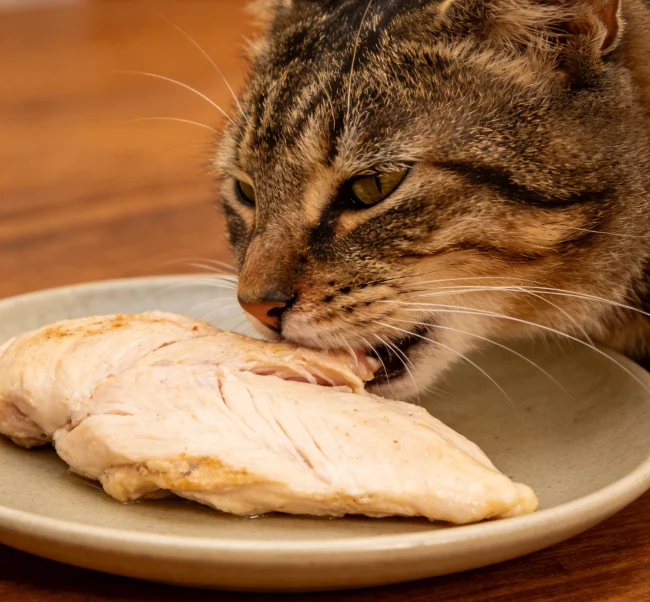
Navigating the pet food aisle can be overwhelming. The healthiest commercial option is one that is “complete and balanced” according to standards set by the Association of American Feed Control Officials (AAFCO) for your cat’s specific life stage. The real skill lies in interpreting the label beyond marketing claims.
Ingredient List & Guaranteed Analysis: Ingredients are listed by weight. Look for a named animal protein (e.g., “chicken,” “salmon”) as the first ingredient, not a generic “meat” or “poultry.” Understand that “meat by-products” (clean internal organs like liver, heart) are nutrient-dense and not inherently low-quality. The guaranteed analysis shows minimum percentages of crude protein and fat and maximum percentages of fiber and moisture. Use it for comparison, but remember it doesn’t indicate ingredient quality or digestibility.
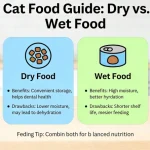
Wet Food vs. Dry Food: This is a crucial decision with significant health implications.
| Feature | Wet/Canned Food | Dry/Kibble |
|---|---|---|
| Moisture Content | High (70-80%) | Low (5-10%) |
| Primary Health Benefit | Promotes hydration, supports urinary tract health, lower in carbohydrates | Convenient, can aid dental tartar reduction through chewing (but not a substitute for brushing) |
| Protein & Carb Typical Profile | Often higher protein, lower carbohydrates | Often higher carbohydrates (needed for kibble form), variable protein |
| Cost & Storage | Typically more expensive per calorie, requires refrigeration after opening | More calorie-dense, cost-effective, easy to store |
For optimal health, many veterinarians recommend a diet primarily or exclusively of wet food, or at least incorporating it regularly to increase total water intake.
Beyond the Bag: Safe Human Foods & The Reality of Homemade Diets

While a complete commercial diet is safest, some human foods can be offered as occasional treats. Safe options include cooked, unseasoned chicken, turkey, or fish (boneless), small amounts of cooked egg, and certain vegetables like steamed broccoli or carrot. Always avoid onions, garlic, chives, grapes, raisins, chocolate, caffeine, alcohol, and xylitol (an artificial sweetener), as these are toxic.
The Homemade Diet Challenge: Driven by a desire for control and wholesomeness, some owners consider homemade meals. It is critical to understand that simply feeding cooked meat or fish is not nutritionally complete and will lead to severe deficiencies or excesses over time. A 2026 review in the Journal of Feline Medicine and Surgery concluded that over 95% of homemade recipes found online are deficient in at least one essential nutrient. If you are determined to pursue this path, it is non-negotiable to work with a board-certified veterinary nutritionist. They will formulate a recipe specific to your cat, prescribe necessary supplements (like calcium, taurine, and vitamin mixes), and recommend regular blood work to monitor health.
Tailoring Nutrition: Life Stage and Health Considerations

The “healthiest” diet evolves throughout a cat’s life. Kittens require food labeled for “growth” or “all life stages,” which is higher in calories, protein, and minerals like calcium. Adult cats (1-7 years) need maintenance diets to support an ideal body condition. Senior cats (7+ years) may benefit from diets with adjusted protein levels (high-quality, easily digestible protein remains crucial), added joint support nutrients, and controlled phosphorus for kidney health. Cats with medical conditions such as chronic kidney disease, diabetes, food allergies, or obesity require therapeutic diets prescribed by a veterinarian. Never put a cat on a medically restricted diet without professional guidance.
A Practical Guide to Cost vs. Nutritional Value
Providing a healthy diet doesn’t always mean buying the most expensive brand. Value lies in nutritional adequacy, not price tag. Compare the cost per calorie, not per can or bag. Mid-priced brands that meet AAFCO standards and have a named meat as the first ingredient can be excellent choices. Investing in higher-quality food can be preventative healthcare, potentially reducing future veterinary costs for issues like urinary crystals or obesity-related diabetes. For budget-conscious owners, incorporating a portion of a high-quality wet food into a balanced dry diet can boost nutrition and hydration affordably.
Implementing Change: Transition Plans and Problem-Solving
Switching foods must be done gradually over 7-10 days to avoid gastrointestinal upset. Start by mixing 25% new food with 75% old, gradually increasing the ratio. For finicky eaters or multi-cat households, strategies like scheduled feeding times (rather than free-feeding), using puzzle feeders for mental stimulation, and separating cats during meals can promote healthy eating habits. Always ensure fresh water is available in multiple locations, away from the food bowl.
Frequently Asked Questions (FAQ)
Q: Is dry food or wet food healthier for my cat?
For most cats, wet food is considered healthier due to its high moisture content, which supports kidney and urinary tract health. It is also typically lower in carbohydrates. Dry food is more convenient and can help with dental health through mechanical scraping, but it should not be the sole source of nutrition. A combination or a primarily wet diet is often recommended by veterinarians.
Q: Can I feed my cat a vegetarian diet?
No. Cats are obligate carnivores and require nutrients like taurine, vitamin A, and arachidonic acid that are not available in sufficient or bioavailable forms from plants. A vegetarian diet will lead to severe, life-threatening nutritional deficiencies and is considered inhumane.
Q: How often should I feed my cat?
This depends on age and lifestyle. Kittens need multiple small meals (3-4 times daily). Most adult cats do well with two measured meals per day. Scheduled feeding helps prevent obesity. Some cats, especially those prone to urinary issues, may benefit from more frequent, smaller meals. Consult your vet for a personalized plan.
Q: Are grain-free diets better for cats?
Not necessarily. True food allergies to grains are rare in cats; they are more commonly allergic to animal proteins. Grain-free diets often replace grains with other carbohydrate sources like potatoes or legumes. Recent veterinary research has focused on a potential link between some grain-free diets (high in legumes) and heart disease in dogs, and while a direct link in cats is less clear, it underscores the importance of choosing diets based on nutritional science, not trends.
Q: What human foods are absolutely toxic to cats?
You must avoid onions, garlic, chives, leeks, grapes, raisins, chocolate, caffeine, alcohol, raw yeast dough, and any foods containing the sweetener xylitol. Even small amounts of these can cause serious illness or death.
Q: How can I tell if my cat’s food is high quality?
Look for an AAFCO nutritional adequacy statement for your cat’s life stage. The first ingredient should be a specified animal protein (e.g., “deboned chicken”). Avoid foods with excessive fillers like corn, wheat, or soy listed in the top ingredients, and those with artificial colors, flavors, or preservatives like BHA/BHT.
Q: My cat is overweight. What is the healthiest diet for weight loss?
The healthiest approach is a vet-supervised weight loss plan. It typically involves a controlled-calorie diet, often a prescription weight management food that is high in protein and fiber to promote satiety. Simply reducing portion size of a regular diet may lead to nutrient deficiencies. Increased play and exercise are also crucial components.
Q: Is it safe to give my cat milk?
Despite the popular image, most adult cats are lactose intolerant. Cow’s milk can cause digestive upset, including diarrhea. Special “cat milk” products are lactose-free and safer as an occasional treat, but water should always be the primary drink.
Q: Do indoor cats need a different diet than outdoor cats?
Yes, often. Indoor cats tend to be less active and have a lower calorie requirement. They benefit from a diet formulated for “indoor” or “weight control” lifestyles, which is often higher in fiber and has a carefully managed calorie density to help prevent obesity.
Q: How do I transition my cat to a new food?
Transition slowly over 7-10 days to avoid stomach upset. Start with a mix of 25% new food and 75% old food for a few days, then move to a 50/50 mix, then 75% new/25% old, before finally switching completely to the new food. If diarrhea or vomiting occurs, slow the transition further.
Q: Should I be concerned about by-products in cat food?
Not necessarily. In the context of pet food, “by-products” refer to clean, nutrient-rich internal organs (like liver, heart, lungs) that are highly palatable and nutritious for cats. They are not “fillers.” The concern is more with vague sourcing (e.g., “meat by-products” vs. “chicken by-products”).
Q: Are raw diets healthier for cats?
Raw diets carry significant risks, including bacterial contamination (Salmonella, E. coli) for both the pet and the household, and potential for parasitic infection. While proponents cite benefits, most veterinary organizations, including the American Veterinary Medical Association, discourage raw diets due to public health risks. If pursued, it must be done under strict guidance from a veterinary nutritionist.
Q: How much water should my cat drink daily?
A general guideline is that a cat should consume about 50-60ml of water per kilogram of body weight per day. Since cats on wet food get much of their water from their diet, they may drink very little. Cats on dry food must drink more. Always provide fresh, clean water in a wide, clean bowl (some cats prefer fountains).
Q: What are the signs of a good quality commercial cat food?
Signs include: a named animal protein as the #1 ingredient, an AAFCO statement, appropriate life stage labeling, transparency about the manufacturer, and the absence of artificial colors/flavors. Reputable brands often employ veterinary nutritionists and conduct feeding trials.
Providing the healthiest diet for your cat is one of the most impactful ways to ensure a long, vibrant life. It requires moving beyond marketing hype to understand the core principles of feline nutrition as an obligate carnivore. Prioritize high-quality animal protein, essential nutrients, and adequate hydration—primarily through wet food—while tailoring choices to your cat’s individual needs. Remember, the most perfect diet plan should always be implemented in partnership with your veterinarian, who can provide personalized advice and regular health monitoring. Your informed choices at the food bowl are a direct investment in your cat’s health and happiness.

Related Products
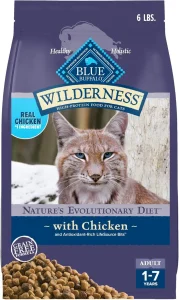
Blue Buffalo Wilderness High-Protein Cat Food
Blue Buffalo Wilderness Nature's Evolutionary Diet High-Protein, Grain-Free Natural Dry Food for Adult Cats is…
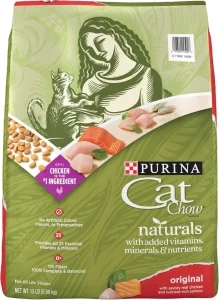
Purina Cat Chow Naturals Dry Cat Food 13 lb
Purina Cat Chow Naturals With Added Vitamins, Minerals and Nutrients Dry Cat Food, Naturals Original,…
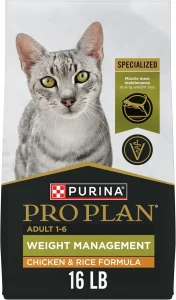
Purina Pro Plan Weight Management Cat Food
Purina Pro Plan Weight Management Chicken and Rice Adult Formula Dry Cat Food is a…

Fancy Feast Gems Chicken Pate Cat Food 8 Pack
Fancy Feast Gems Pate Cat Food Mousse with Chicken and a Halo of Savory Gravy…
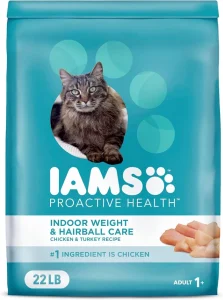
IAMS Indoor Weight & Hairball Cat Food
IAMS Proactive Health Indoor Weight Control & Hairball Care Adult Dry Cat Food is specially…
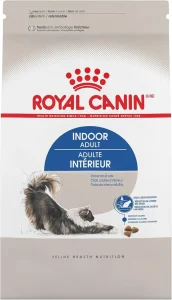
Royal Canin Indoor Adult Dry Cat Food – 7 lb
Royal Canin Feline Health Nutrition Indoor Adult Dry Cat Food is a premium formula designed…
Related Articles
 Cat Food & Treats FAQ
cat food for sensitive skin
 Cat Food & Treats FAQ
Best Cat Food for Food Sensitivities: 2026 Guide
 Cat Food & Treats FAQ
Best Cat Food for Bladder Stones: 2026 Guide
 Cat Food & Treats FAQ
Best Cat Food for Weight Management: Expert Guide
 Cat Food & Treats FAQ
What human foods are safe for cats? A Vet-Approved Guide & Toxic Foods List
 Cat Food & Treats FAQ