



What is the Use of Cat Litter?A Complete Guide for Cat Owners

If you’re a new cat parent, you might find yourself staring at bags of cat litter in the pet store, wondering, “What is the use of cat litter, really?” While the primary purpose is obvious, the right litter does so much more than just provide a place for your cat to go. It’s a critical tool for managing odors, monitoring your cat’s health, and ensuring your feline friend’s overall well-being and happiness. In this comprehensive guide, we’ll dig into the essential functions of cat litter, explore the different types available, and even uncover some surprising alternative uses. By understanding the full scope of its uses, you can make an informed choice that keeps both you and your cat content.
The Primary Uses of Cat Litter: More Than Just a Toilet
At its core, cat litter serves one fundamental purpose, but the way it accomplishes this task has evolved significantly. Modern cat litter is engineered for performance, comfort, and convenience.
1. Providing a Designated Bathroom Area
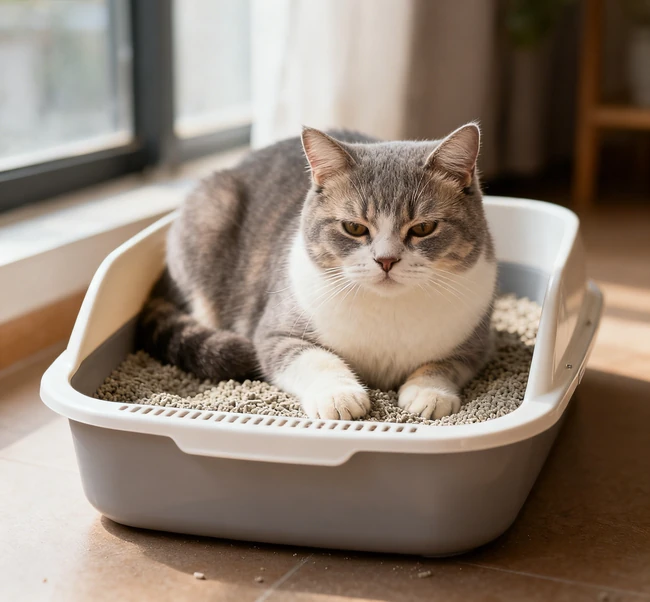
Cats are instinctively drawn to loose, granular materials for elimination. Cat litter satisfies this natural digging and burying instinct, preventing your cat from choosing your favorite houseplant or a pile of laundry as an alternative. A consistent, clean litter box location is key to preventing behavioral issues. For help choosing the right setup, explore our guides on the Best Cat Litter Box and optimal litter box cleaning frequency.
2. Moisture Absorption and Clumping
This is where litter technology shines. Most litters are designed to absorb urine quickly, pulling moisture away from the surface to keep your cat’s paws dry.
- Clumping Litter: Forms solid clumps when wet, making it easy to scoop out urine and feces entirely. This leaves the rest of the litter clean and extends its life.
- Non-Clumping Litter: Absorbs moisture but doesn’t form clumps. It requires more frequent complete changes but is often more affordable.
3. Odor Control and Neutralization
Perhaps the most appreciated use of cat litter by owners is odor control. High-quality litters contain ingredients like activated charcoal, baking soda, or proprietary scent-neutralizing compounds that trap and eliminate ammonia and other unpleasant smells. Effective odor control is crucial for maintaining a fresh-smelling home. For the top performers, check out our review of The Best Cat Litter for Odor Control in 2025.
Understanding Different Types of Cat Litter
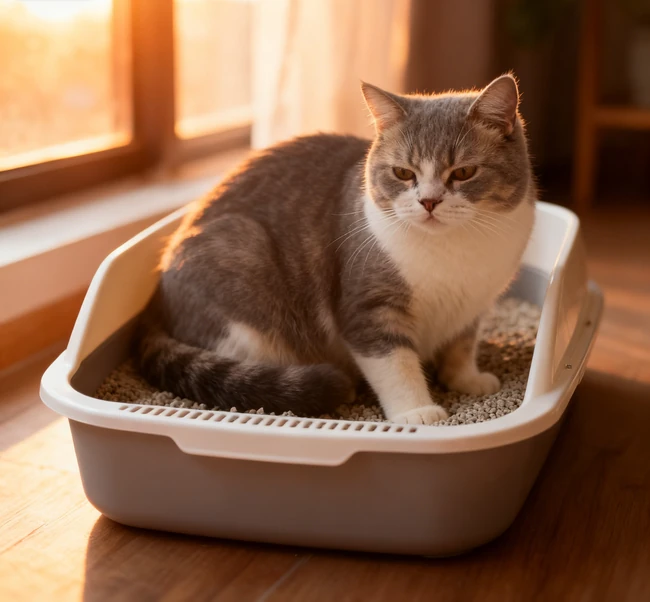
Not all litters are created equal. The material a litter is made from directly impacts its primary uses, from absorbency to dust levels. Here’s a quick comparison:
| Litter Type | Primary Material | Key Uses & Benefits | Potential Drawbacks |
|---|---|---|---|
| Clay (Clumping) | Bentonite Clay | Excellent clumping, high absorbency, widely available | Can be dusty, heavy, not biodegradable |
| Clay (Non-Clumping) | Absorbent Clay | Economical, good odor control | Less effective waste removal, requires full changes more often |
| Silica Gel (Crystals) | Silica Dioxide | Superior odor control and moisture absorption, long-lasting, low dust | Can be more expensive, some cats dislike the texture |
| Natural/Biodegradable | Pine, Wheat, Corn, Paper | Eco-friendly, low dust, often lightweight, safe if ingested | Clumping can be less firm, may track more, can attract pests |
At PawLitter, we test all these litter types in real homes with real cats to see how they perform in daily use, because the best litter is ultimately the one your cat will actually use.
Surprising Alternative Uses for Cat Litter
Beyond the litter box, cat litter (especially non-clumping, clay-based varieties) has several practical household uses thanks to its incredible absorbency.
- Emergency Moisture Absorber: Place an open container of litter in a musty basement, garage, or storage closet to reduce humidity and prevent mildew.
- Traction on Ice: In a pinch, non-clumping clay litter can be sprinkled on icy steps and walkways for added grip, similar to sand.
- Spill Cleanup: Quickly cover up oil or grease spills in the garage with litter. Let it sit to absorb the liquid, then sweep it up.
- Fresh-Smelling Car: A sock filled with litter and tied shut can be placed under a car seat to act as a deodorizer.
The Health Monitoring Use of Cat Litter
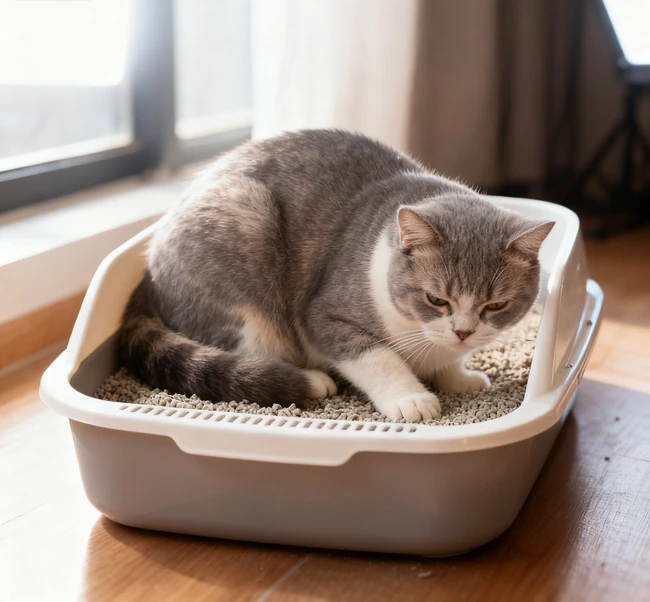
Your cat’s litter box is a window into their health. By observing changes in your cat’s waste, you can catch potential issues early.
- Urinary Health: Straining to urinate, frequent small clumps, or blood in the urine can signal a serious Urinary Tract Infection (UTI) or blockage.
- Digestive Health: Diarrhea, constipation, or visible worms in the feces are clear indicators that something is wrong.
- Behavioral Clues: Suddenly avoiding the litter box could indicate pain (like arthritis) or a negative association with a dirty or poorly placed box.
Being vigilant about these signs is a crucial part of pet ownership. For more on recognizing health issues, read our guide on How to Tell If a Cat Is Sick.
Choosing the Right Litter for Your Cat’s Needs
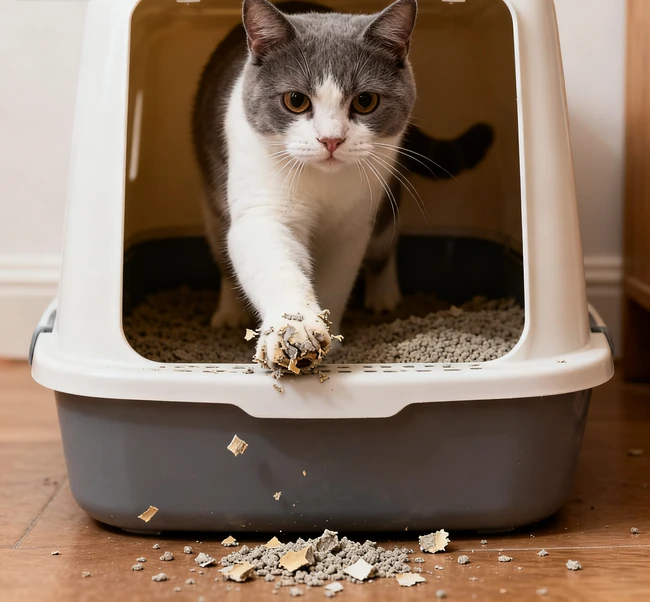
The “best” litter depends on your cat’s preferences and your household’s needs. A multi-cat household will have different requirements than a single-cat home. Consider factors like dust (important for cats with asthma), scent (unscented is often preferred by cats), and texture. Remember, a litter your cat refuses to use is useless, no matter how great its features seem. It’s also important to pair your litter with a well-designed box to minimize mess; learn How to Stop Cat Litter Tracking for Good.
Frequently Asked Questions
What is the main purpose of cat litter?
The main purpose of cat litter is to provide a hygienic, absorbent, and instinctually satisfying material for indoor cats to urinate and defecate in. It controls odor, facilitates easy cleanup, and helps maintain a clean home environment.
Can I use something else if I run out of cat litter?
In an emergency, you can use shredded newspaper, sand, or soil. However, these are not long-term solutions as they offer poor odor control and absorbency compared to commercial cat litter. It’s best to use a proper cat litter for your cat’s health and your home’s cleanliness.
Is scented or unscented litter better?
This is often a matter of human preference versus cat preference. Many cats are sensitive to strong perfumes and may avoid heavily scented litters. Unscented litter or litter with a very mild, natural odor is generally better accepted by most felines.
How does PawLitter test and evaluate cat litter and litter boxes?
At PawLitter, our testing is rooted in real-world experience. We conduct hands-on testing for a minimum of 30 days in real home environments with actual cats. We evaluate based on strict criteria: odor control, ease of cleaning, cat comfort and acceptance, dust and tracking, and overall durability. We are transparent about our affiliate relationships and prioritize a “cats-first” approach, meaning we’ll never recommend a product we wouldn’t feel confident using with our own pets.
How often should I completely change all the litter?
For clumping litter, a complete change is typically needed every 2-4 weeks, depending on the number of cats. For non-clumping litter, it should be changed completely at least once a week. Always follow the manufacturer’s guidelines and trust your nose—if it smells, it’s time for a change. For a detailed schedule, see our Ultimate Guide to Litter Box Cleaning.
Can the wrong litter cause health problems?
Yes. Excessively dusty litter can exacerbate feline asthma. Some cats may also be allergic to certain materials or perfumes in litter. Furthermore, if a cat dislikes the litter texture or scent, it may hold its waste or eliminate outside the box, leading to urinary tract infections or other health issues. If you’re struggling with a smelly box that might deter your cat, our guide on a smelly litter box can help.
Related Topics
- How Often Should You Feed a Cat?
- How to Bathe a Cat Stress-Free
- How to Give a Cat a Pill
- How to Trim Cat Nails
- PawLitter Litter Box Reviews & Guides
Conclusion
So, what is the use of cat litter? It’s far more than a simple convenience. It’s an essential tool for providing for your cat’s natural instincts, maintaining a fresh and clean home, and even monitoring your feline companion’s health. From its primary function as a bathroom substrate to its surprising alternative uses and its role as a health indicator, cat litter is a cornerstone of responsible cat ownership. The key is to find a litter that your cat approves of and that fits your lifestyle. For more in-depth reviews and practical tips on everything from litter boxes to general cat care, we invite you to explore the comprehensive guides and unbiased reviews at PawLitter.

Related Articles
 Automatic Cat Litter Box
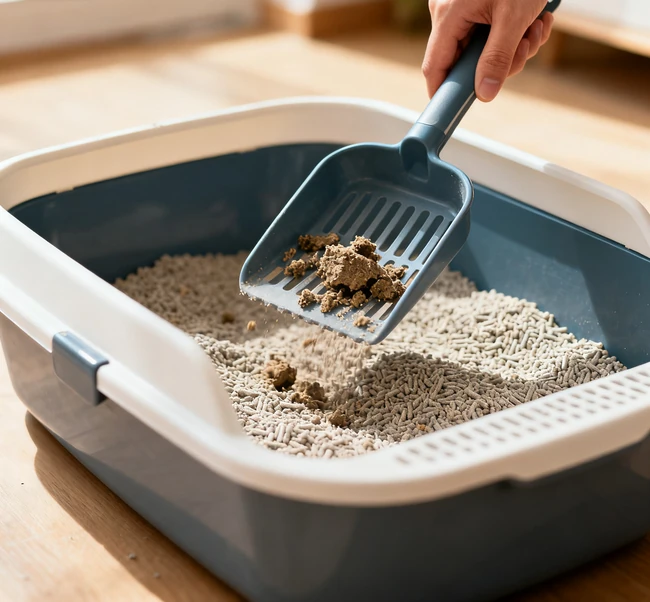
How Often Should You Change Cat Litter?A Vet-Reviewed Guide
 Automatic Cat Litter Box
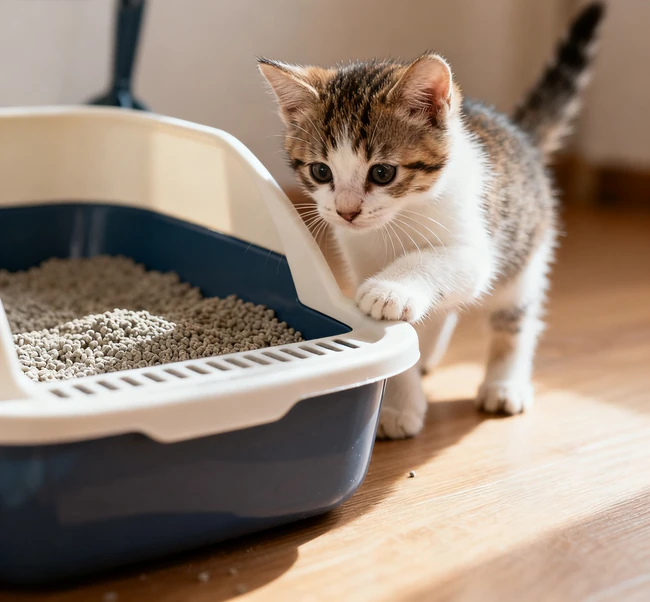
How to Train a Kitten to Use a Litter Box?A Stress-Free Guide
 Automatic Cat Litter Box
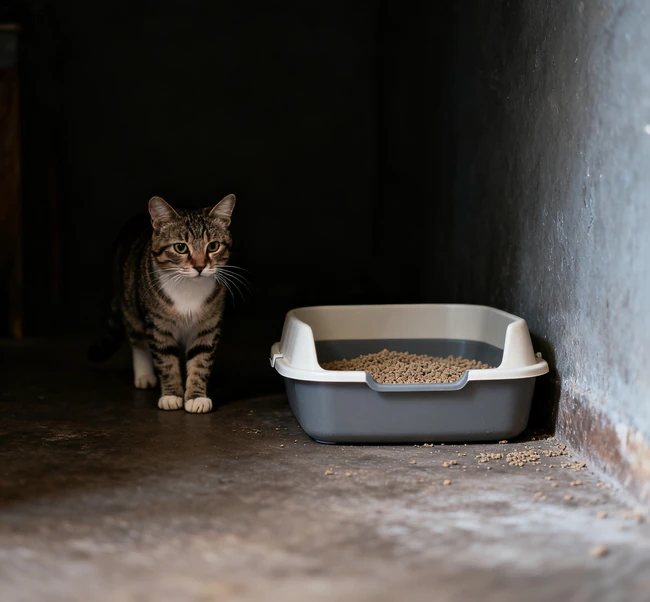
Where Should You Not Put a Litter Box?The Ultimate Guide to Bad Placement
 Automatic Cat Litter Box
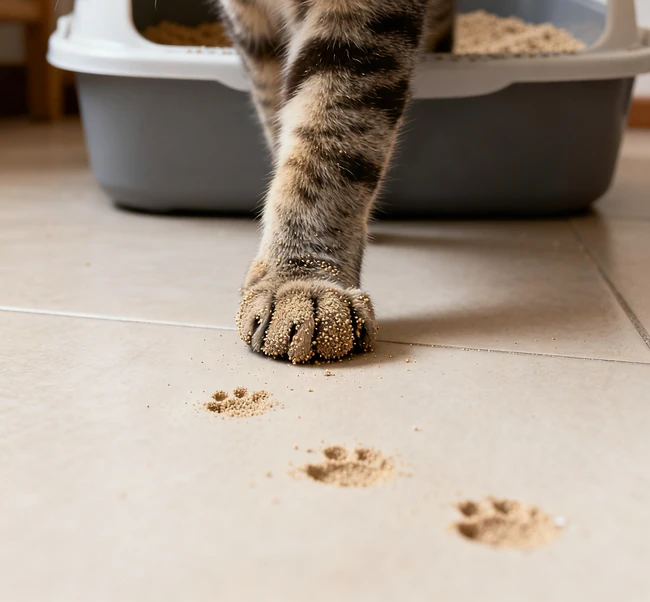
How to Stop Cat Litter Tracking for Good?The Ultimate Guide
 Automatic Cat Litter Box
How to Stop Cat Litter Tracking?The Ultimate Guide for a Cleaner Home
 Automatic Cat Litter Box