







Where Should You Not Put a Litter Box?The Ultimate Guide to Bad Placement

Choosing the perfect litter box is only half the battle; placing it in the right spot is the other, equally crucial half. A poorly placed litter box can lead to a host of problems, from your cat refusing to use it (and choosing your favorite rug instead) to constant odors and stress for both you and your pet. At Pawlitter, where we test litter boxes in real homes with real cats, we’ve seen firsthand how placement can make or break the entire litter box experience. This guide will walk you through the absolute worst places to put a litter box, based on feline behavior and our practical testing insights.
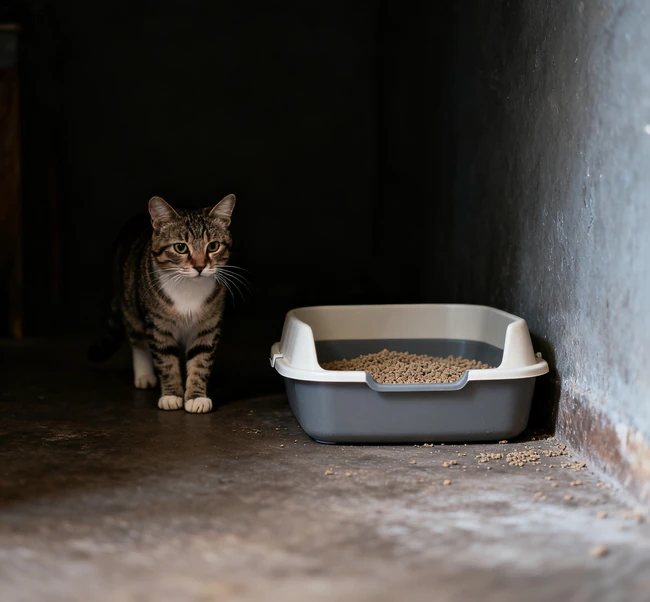
Why Litter Box Placement Matters So Much
Cats are creatures of habit with strong instincts. In the wild, eliminating waste is a vulnerable activity, so they seek out locations that feel safe, quiet, and easily accessible. A litter box placed in a stressful or inconvenient location violates these core instincts. The result is often avoidance, which manifests as inappropriate elimination around your house. Proper placement is a non-negotiable part of preventing a smelly litter box and ensuring your cat’s long-term bathroom habits are healthy.
The 7 Worst Places to Put a Cat Litter Box
Based on common feline behavioral patterns and our experience at PawLitter, here are the locations you should avoid at all costs.
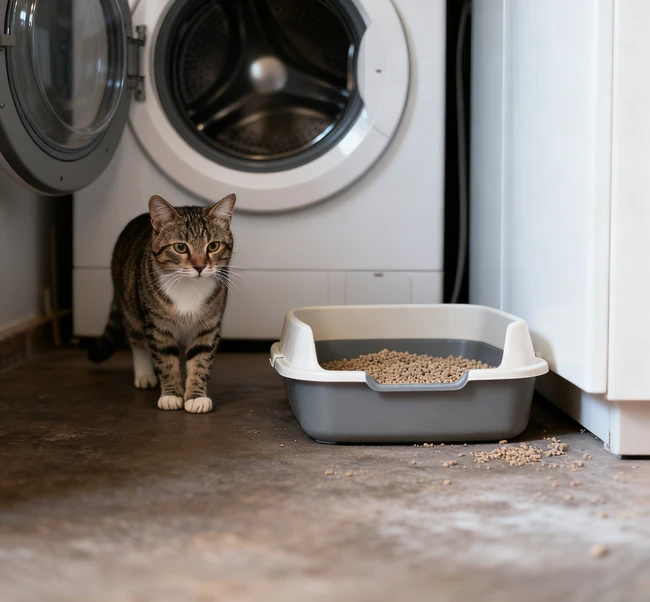
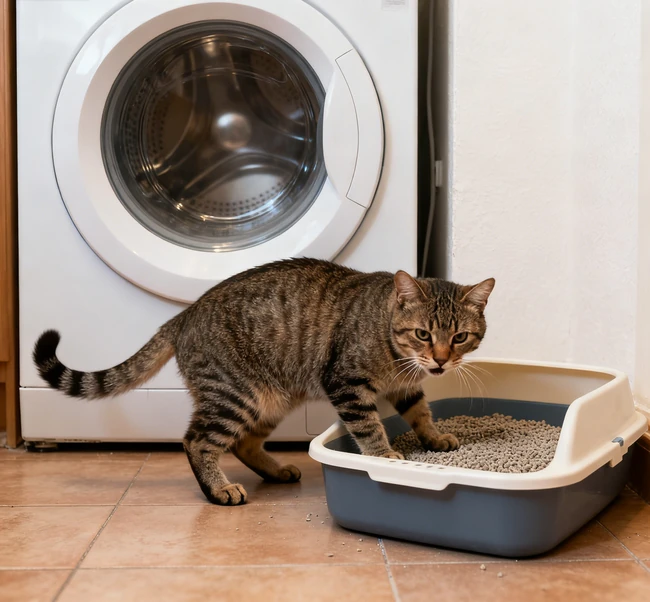
1. In a Dark, Noisy, or Cramped Laundry Room
This is one of the most common mistakes. While it seems like an out-of-the-way solution, the laundry room is a terrible choice for several reasons:
- Sudden Loud Noises: The violent spin cycle of a washer or dryer can startle a cat, creating a negative association with the litter box.
- Trapped and Cornered: Laundry rooms are often small, with only one exit. A cat feels vulnerable if it can’t see an escape route.
- Safety Hazards: Curiosity about appliances can lead to dangerous situations.
If the laundry room is your only option, ensure the machines are never running while your cat has access, and never use a covered box that further traps them.
2. Next to Food and Water Bowls
Would you want to eat your dinner in your bathroom? Neither does your cat. Cats are naturally clean animals and have an instinct to keep their elimination area separate from their feeding and sleeping areas. Placing the litter box too close to their food can cause stress and lead them to reject either the food area or the litter box. Maintain a clear, generous distance between these essential stations.
3. In a High-Traffic or Noisy Hallway
Placing a litter box in a main thoroughfare of your home, like a busy hallway or the middle of the living room, subjects your cat to constant interruptions. The comings and goings of family members, children running past, or loud televisions can make a cat feel too exposed and anxious to relax and do its business. Cats prefer a low-traffic area where they can have some peace and quiet.
4. A Dark, Forgotten Basement or Garage
Out of sight should not mean out of mind for your cat. Basements and garages are often poorly lit, cold, and infrequently visited. A cat may not want to make the long, lonely journey to a scary basement, especially at night. Furthermore, these areas often house the best cat litter box solutions, but if the location is wrong, even the best product will fail. If you must use a basement, ensure it is well-lit, climate-controlled, and that your cat has easy, unrestricted access at all times.
5. A Cramped Bathroom
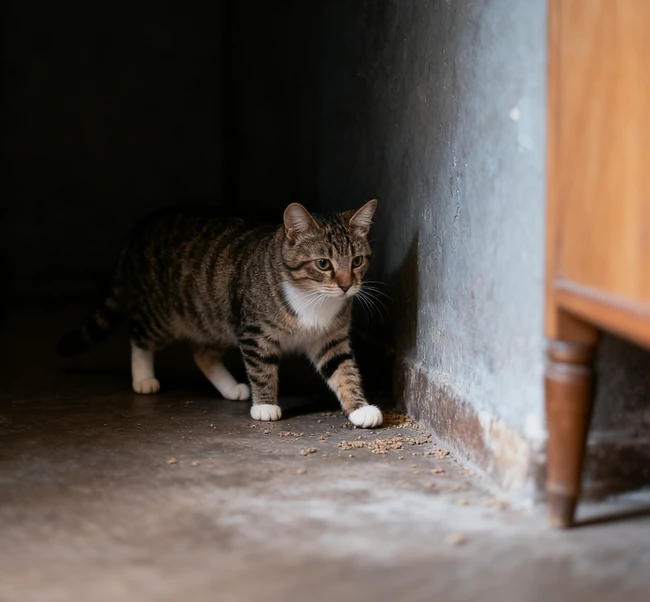
A small bathroom can be almost as bad as a laundry room. The sudden flush of a toilet or the rush of a shower can be frightening. In a tiny bathroom, the litter box may also be too close to the door, making a cat feel cornered every time someone enters. If using a bathroom, ensure it’s a secondary one or one that is spacious enough to give your cat a comfortable buffer zone.
6. Near a Cat’s Favorite Sleeping Spot
Just as with food, cats do not want to sleep near their bathroom. The odors and the activity associated with the litter box can disturb their rest. A cat’s bed or a favorite napping perch should be a sanctuary, far removed from the litter box area.
7. Right Next to Another Litter Box
In multi-cat households, you need multiple boxes, but placing them side-by-side is a common error. Cats will perceive two boxes right next to each other as one large litter box. This doesn’t solve territory issues and can allow a dominant cat to guard both boxes at once. The general rule is one litter box per cat, plus one extra, all in separate locations. This is a key strategy in managing litter box cleanliness in a multi-cat home.
Where *Should* You Put the Litter Box? The Ideal Spots
Now that we’ve covered the no-go zones, let’s focus on the ideal characteristics of a good litter box location.
- Quiet and Low-Traffic: A spare room, a quiet corner of a home office, or a large, calm bathroom.
- Easily Accessible 24/7: Your cat should never be blocked from its box by a closed door.
- Multiple Escape Routes: Cats prefer locations where they can see approaching “threats” and have more than one way to exit.
- Well-Ventilated: Helps with odor control, but avoid drafty areas.
- Private but Not Isolated: A sense of privacy is good, but total isolation is not.
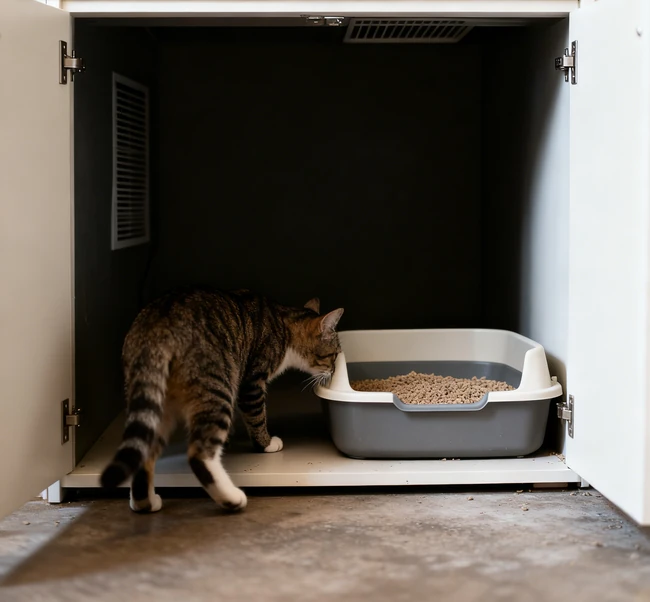
Solutions for Tricky Spaces: Litter Box Furniture
If your home is small and every location seems problematic, consider litter box furniture or enclosures. These are cabinets or decorative pieces designed to hide the litter box inside. They provide the privacy and aesthetic appeal you want while giving your cat the quiet, dedicated space it needs. In our reviews of litter box furniture and enclosures, we always evaluate the size of the opening, interior space for the cat to turn around, and ventilation.
Frequently Asked Questions (FAQs)
What is the number one reason a cat avoids its litter box?
The number one reason is typically a dirty litter box. Cats are fastidiously clean, and if the box is not scooped daily and cleaned regularly, they will find a cleaner spot, like your carpet. Medical issues are a close second, so any sudden change in litter box habits warrants a vet visit. For a deep dive, see our guide on how to tell if a cat is sick.
Can I put two litter boxes next to each other?
No. As mentioned, cats see two boxes side-by-side as one single location. This does not provide the territorial distribution needed in a multi-cat home and can lead to one cat blocking access for the others. Always place litter boxes in separate, distinct locations.
Is it okay to put a litter box in a closet?
Yes, a closet can be a great spot, but with one critical modification: remove the door or keep it permanently propped open. A cat must never be trapped inside or locked out of its bathroom. You can also consider cutting a cat-sized hole in the closet door for easy access.
How does PawLitter test litter boxes to ensure they work in real homes?
At PawLitter, our mission is to provide honest, cat-first recommendations. We conduct hands-on testing for a minimum of 30 days in real home environments with cats of different sizes and temperaments. We evaluate based on strict criteria: odor control, ease of cleaning, cat comfort and acceptance, durability, and overall value. We are transparent that we use affiliate links, but our reviews are never influenced by commissions, ensuring you get unbiased advice. You can read more about our process in our PawLitter litter box reviews & guides.
My cat suddenly started peeing next to the box. What should I do?
First, rule out medical issues with a veterinarian, as conditions like UTIs can cause this behavior. If they get a clean bill of health, consider if anything has changed. Did you move the box? Change the litter? Add a new pet to the home? The problem is often stress or dissatisfaction with the box’s state or location. A thorough clean of the area with an enzymatic cleaner and a review of your litter box cleaning routine is a great first step.
What’s the best way to reduce litter tracking from the box?
Litter tracking is a common headache. Using a high-sided litter box or a top-entry box can help. Placing a high-quality litter trapping mat outside the box is essential. For more targeted solutions, check out our dedicated guide on how to stop cat litter tracking for good.
Related Topics
- How Often Should You Feed a Cat? A Vet-Approved Guide
- How to Bathe a Cat? A Stress Free Step by Step Guide
- The Best Cat Litter for Odor Control in 2025
- How to Give a Cat a Pill? A Stress-Free Guide
- How to Trim Cat Nails? A Stress-Free Guide
Conclusion
Finding the right spot for your cat’s litter box is a critical component of a harmonious home. By avoiding high-traffic, noisy, or intimidating locations and instead choosing quiet, safe, and accessible spots, you respect your cat’s natural instincts and prevent a world of behavioral problems. Remember, the best litter box is one that your cat will actually use consistently. For more expert-tested advice on everything from self-cleaning litter boxes to solving common cat care challenges, explore the in-depth reviews and guides at PawLitter.

Related Articles
 Automatic Cat Litter Box
How to Clean a Litter Box?A Step-by-Step Guide for a Fresh, Odor-Free Home
 Automatic Cat Litter Box
Cat Litter Box Smells Bad? Your Ultimate Guide to a Fresher Home
 Automatic Cat Litter Box
The Best Cat Litters for Multiple Cats?An Unbiased 2024 Guide
 Automatic Cat Litter Box
The 7 Best Natural Cat Litters of 2025?An Expert, Tested Guide
 Automatic Cat Litter Box
Which Type of Cat Litter is Best?The Ultimate Guide for Cat Owners
 Automatic Cat Litter Box