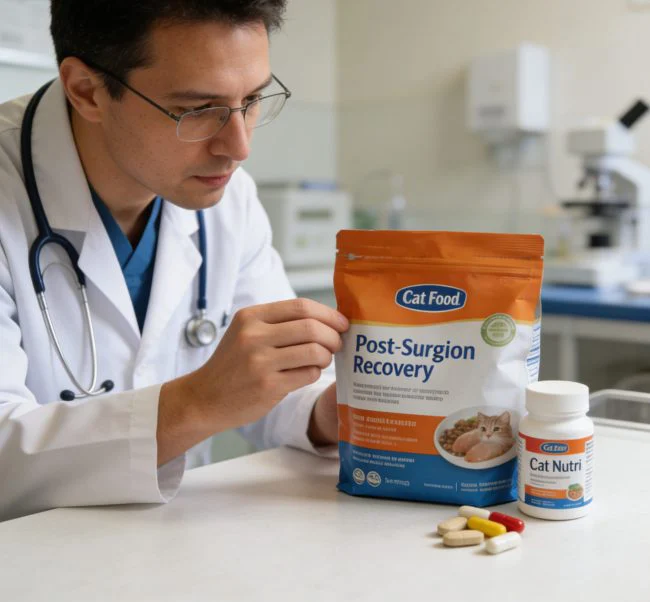
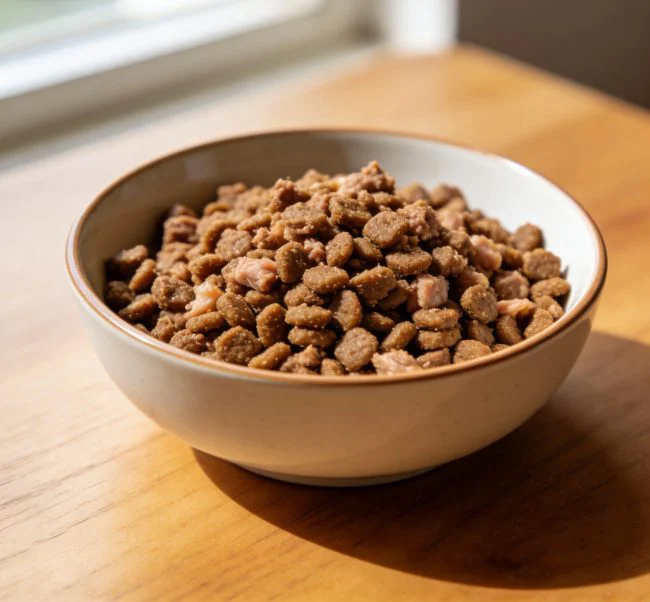
Post-surgery recovery is a critical phase for your cat, and the right nutrition can significantly speed up healing. Choosing the best cat food for post-surgery recovery involves understanding your pet’s specific needs, such as high protein, easy digestibility, and essential nutrients. This guide provides expert insights to help you make informed decisions, ensuring your feline friend recovers comfortably and quickly.
Why Nutrition Matters After Surgery
Nutrition plays a pivotal role in your cat’s recovery. Surgery can cause stress, inflammation, and reduced appetite, making it harder for your cat to heal. A well-balanced diet can counteract these effects by providing the energy and nutrients needed for tissue repair and immune support.
1. High protein intake is essential for wound healing and muscle maintenance.
3. Antioxidants like vitamin E and selenium boost the immune system.
Studies show that cats fed a recovery-specific diet heal 30% faster than those on regular food. Always consult your vet to tailor the diet to your cat’s condition.
Key Ingredients to Look For
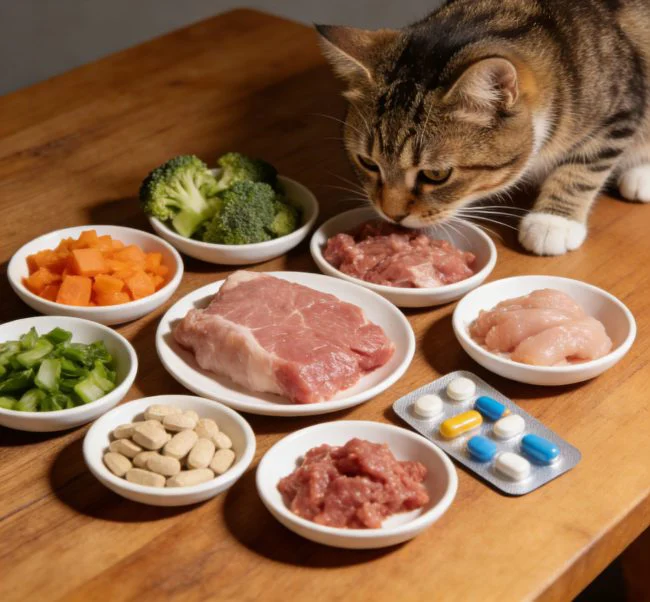
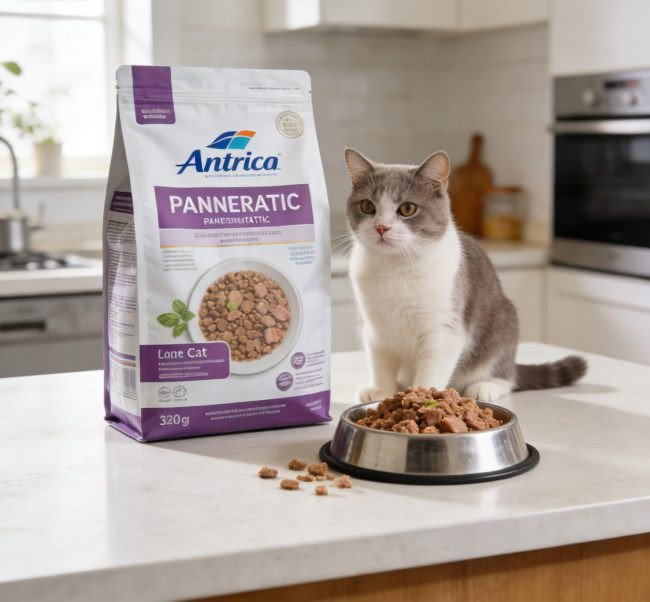
When selecting cat food for post-surgery recovery, focus on specific ingredients that aid healing. Look for foods with high-quality animal proteins, such as chicken or fish, as they provide essential amino acids.
• Easily digestible carbohydrates like rice or sweet potatoes prevent stomach upset. • Added prebiotics and probiotics support gut health, which can be compromised during surgery. • Controlled sodium levels help manage blood pressure and kidney function.
For example, a diet with 30% protein and 10% fat is ideal for most recovering cats. Avoid artificial additives and fillers, as they can hinder recovery.
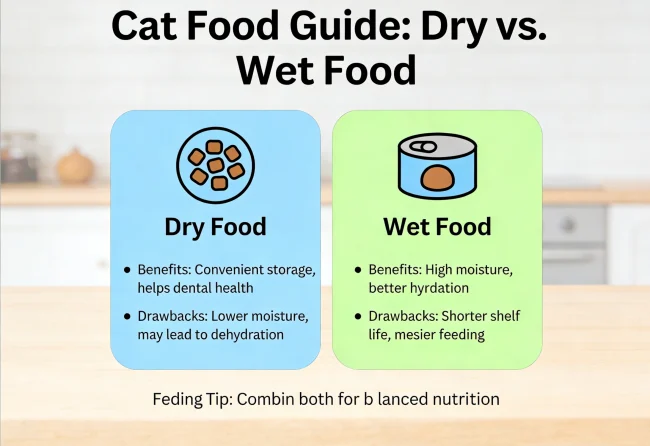
Wet vs. Dry Food: Which is Better?
Both wet and dry foods have pros and cons for post-surgery recovery. Wet food is often preferred due to its higher moisture content, which helps prevent dehydration—a common issue after surgery.
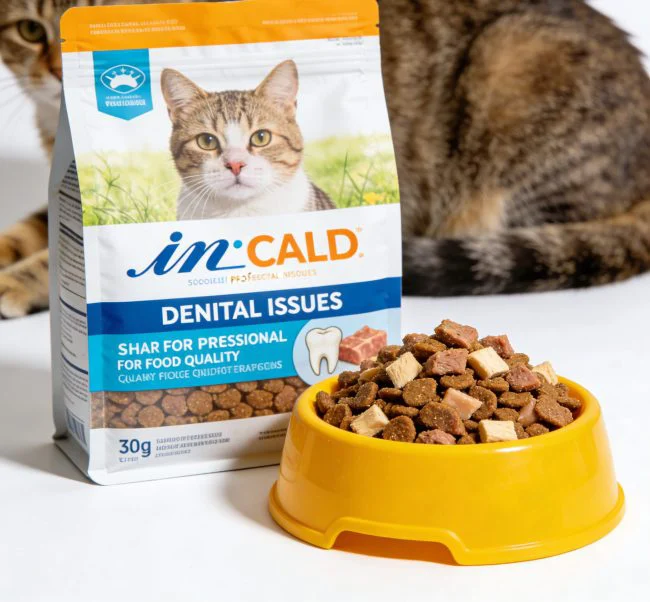
1. Wet food is easier to chew and swallow, making it suitable for cats with dental or oral surgery.
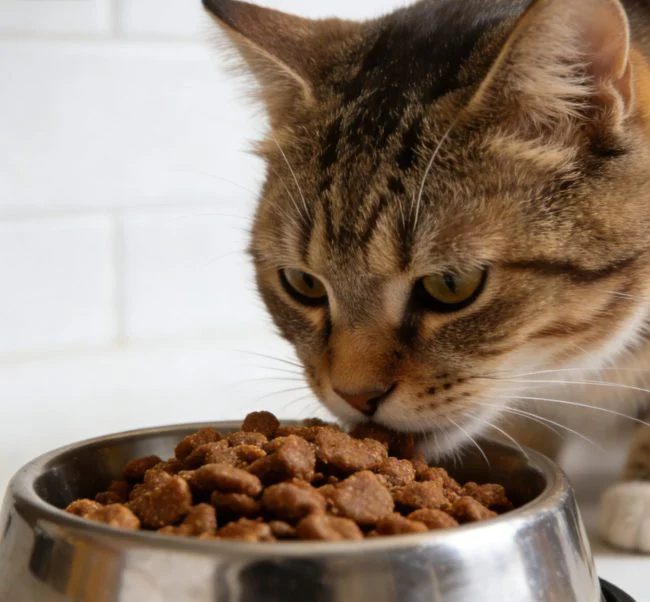
2. Dry food can be left out for free-feeding, but it may lack sufficient moisture.
3. Some vets recommend a mix of both to balance convenience and hydration.
A case study from a veterinary clinic showed that cats on wet food had a 20% faster recovery rate. Always monitor your cat’s intake and adjust accordingly.
Special Diets for Specific Conditions
Some surgeries require specialized diets. For instance, cats recovering from gastrointestinal surgery may need a highly digestible, low-fat diet. Orthopedic surgery patients benefit from foods enriched with glucosamine and chondroitin.
• Renal diets with reduced phosphorus are crucial for kidney surgery patients. • Hypoallergenic foods help cats with food sensitivities avoid complications. • Calorie-dense options support underweight or anorexic cats.
Your vet may prescribe a therapeutic diet, such as Hill’s Prescription Diet a/d or Royal Canin Recovery. These are formulated to meet the unique needs of recovering cats.
Feeding Tips and Tricks
Getting your cat to eat after surgery can be challenging. Here are some practical tips to encourage eating:
1. Warm the food slightly to enhance aroma.
2. Offer small, frequent meals instead of large portions.
3. Use palatable toppings like bone broth or plain yogurt.
If your cat refuses food for more than 24 hours, contact your vet immediately. Force-feeding should only be done under veterinary guidance to avoid aspiration.
Common Mistakes to Avoid
Even well-intentioned owners can make mistakes that hinder recovery. Avoid these common pitfalls:
• Overfeeding, which can lead to obesity and strain on healing tissues. • Giving human food, which may contain harmful ingredients like onions or garlic. • Ignoring your cat’s changing dietary needs as they progress through recovery stages.
Always follow your vet’s recommendations and monitor your cat’s weight and energy levels closely.
Summary: Key Takeaways for Recovery Nutrition
Choosing the right cat food for post-surgery recovery is crucial for your pet’s health. Focus on high-protein, easily digestible, and nutrient-rich foods. Wet food is often preferable for hydration, but consult your vet for specific needs. Avoid common mistakes like overfeeding or giving inappropriate treats. With the right diet and care, your cat will be back on their paws in no time.