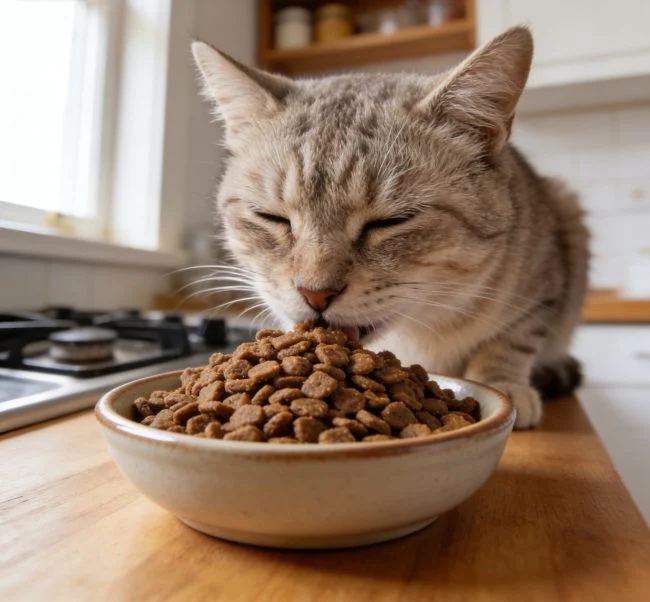
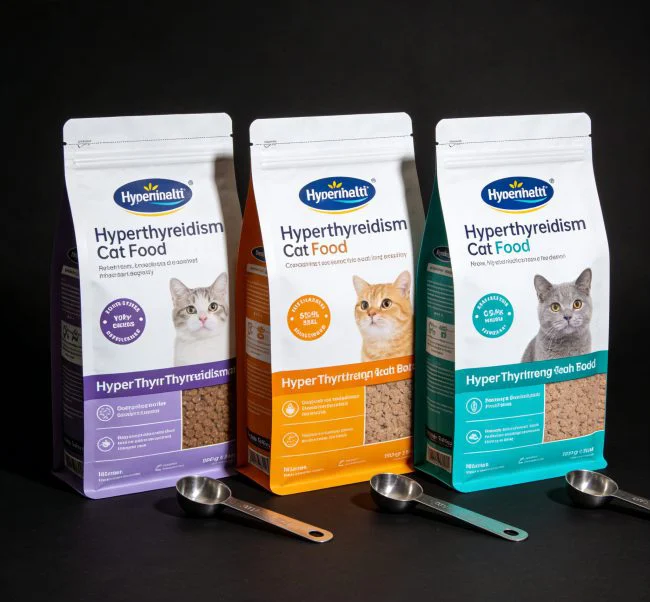
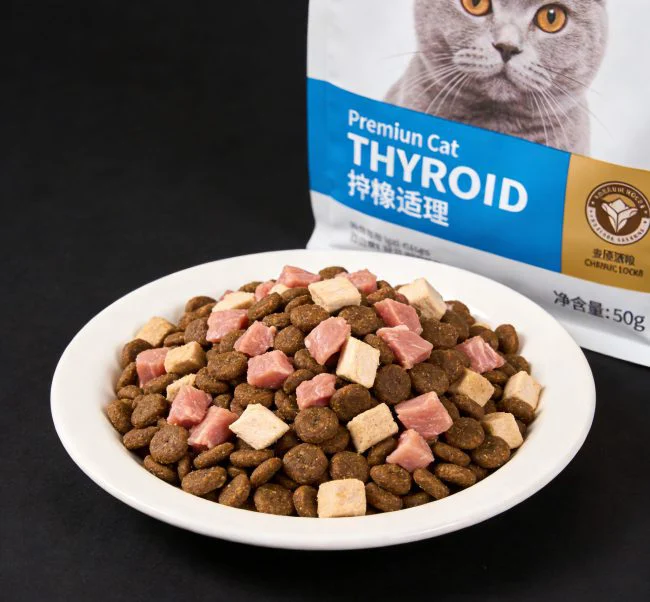
Managing hyperthyroidism in cats requires a comprehensive approach, with diet playing a pivotal role. This guide provides actionable insights into selecting the best cat food for hyperthyroidism, ensuring your feline companion receives optimal nutrition while managing their condition. From understanding dietary restrictions to exploring vet-recommended options, this article covers everything you need to make informed decisions for your cat’s health.
Understanding Hyperthyroidism in Cats
Hyperthyroidism is a common endocrine disorder in older cats, caused by an overproduction of thyroid hormones. This condition accelerates metabolism, leading to symptoms like weight loss, increased appetite, and hyperactivity. Early diagnosis is crucial for effective management.
1. Symptoms to watch for: Weight loss despite increased hunger, vomiting, diarrhea, and excessive thirst.
Dietary adjustments can significantly impact the management of hyperthyroidism. A specialized diet can help control hormone levels and improve your cat’s quality of life.
Key Nutritional Considerations
When selecting cat food for hyperthyroidism, focus on limiting iodine intake, as excessive iodine can exacerbate the condition. Look for foods formulated with controlled iodine levels, typically under 0.32 ppm.
• High-quality protein: Essential for maintaining muscle mass. • Low iodine: Critical for managing thyroid hormone production. • Balanced nutrients: Ensure overall health and well-being.
Consult your veterinarian to determine the appropriate iodine levels for your cat’s specific needs. Over-restricting iodine can lead to deficiencies, so professional guidance is vital.
Top Recommended Cat Foods
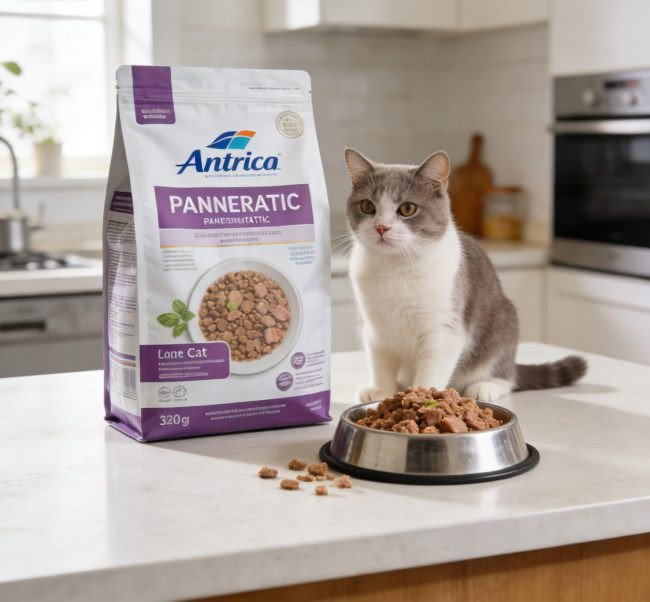
Several commercial cat foods are designed specifically for hyperthyroid cats. Hill’s Prescription Diet y/d Thyroid Care is a popular choice, formulated with limited iodine to support thyroid health.
1. Hill’s y/d: Clinically proven to reduce thyroid hormone levels within three weeks.
2. Royal Canin Thyroid Support: Offers controlled iodine and high-quality protein.
3. Homemade diets: Customizable but require veterinary nutritionist input to ensure balance.
Always transition to new foods gradually to avoid digestive upset. Monitor your cat’s response and adjust as needed under veterinary supervision.
Homemade Diets: Pros and Cons
Homemade diets offer control over ingredients but require careful planning. They can be tailored to your cat’s preferences but may lack essential nutrients if not properly formulated.
Pros: • Customizable ingredients and portions. • Avoidance of fillers and allergens.
Cons: • Risk of nutritional imbalances. • Time-consuming preparation.
Work with a veterinary nutritionist to create a balanced homemade diet. Regular blood tests will help ensure your cat’s nutritional needs are met.
Monitoring and Adjusting the Diet
Regular monitoring is essential to assess the effectiveness of dietary management. Schedule follow-up vet visits every 3-6 months to check thyroid levels and overall health.
2. Weight monitoring: Ensure stable or healthy weight gain.
3. Symptom observation: Note changes in appetite, energy, and coat condition.
Adjustments may be needed based on your cat’s response. Always consult your vet before making significant changes to their diet or medication regimen.
Conclusion
Choosing the right cat food for hyperthyroidism involves balancing iodine restriction, high-quality protein, and overall nutrition. Commercial options like Hill’s y/d offer convenience and proven results, while homemade diets provide customization but require expert guidance. Regular veterinary monitoring ensures the diet remains effective and safe. By prioritizing your cat’s nutritional needs, you can manage hyperthyroidism effectively and enhance their quality of life.