Arthritis in cats can significantly impact their quality of life, but the right diet can make a difference. This guide explores how specialized cat food for arthritis can alleviate pain, improve mobility, and enhance overall well-being. You’ll learn about key ingredients, dietary strategies, and top recommendations to help your feline friend live comfortably. Whether your cat is showing early signs or managing chronic joint issues, this article provides actionable insights to make informed choices.
Understanding Arthritis in Cats
Arthritis, or osteoarthritis, is a degenerative joint disease common in older cats. It occurs when cartilage wears down, causing bones to rub together. This leads to pain, stiffness, and reduced mobility. Studies show that 90% of cats over 12 years old exhibit some form of arthritis. Early signs include reluctance to jump, decreased activity, and irritability. While there’s no cure, dietary interventions can slow progression and manage symptoms effectively.
Key Ingredients to Look For
When selecting cat food for arthritis, focus on anti-inflammatory and joint-supporting ingredients:
2. Glucosamine and chondroitin support cartilage health.
3. Antioxidants like vitamin E and C combat oxidative stress.
4. High-quality protein maintains muscle mass, easing joint strain.
Look for foods with these components in clinically effective doses. For example, 250 mg of glucosamine per 10 lbs of body weight is often recommended.
Wet vs. Dry Food: Which Is Better?
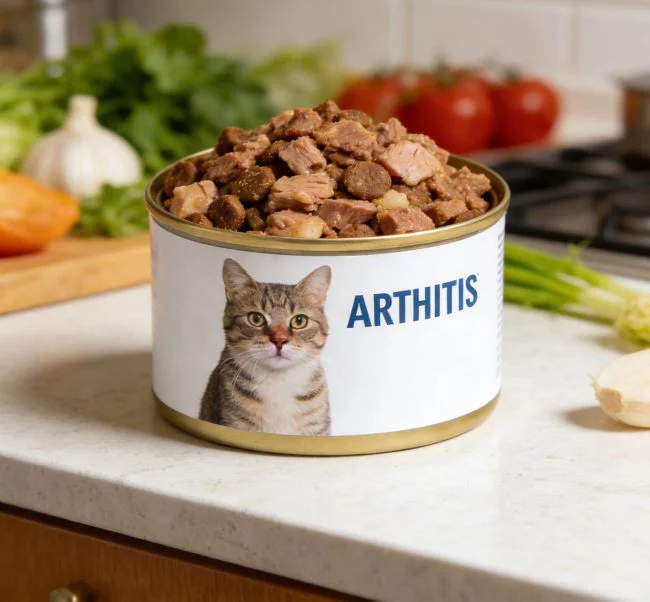
Both wet and dry foods can be formulated for arthritis, but wet food offers advantages. Its higher moisture content supports hydration, which is crucial for joint health. Additionally, wet food is often more palatable for senior cats with reduced appetite. However, some dry foods include higher concentrations of joint supplements. Consider your cat’s preferences and specific needs when choosing.
Homemade vs. Commercial Diets
Commercial diets are convenient and nutritionally balanced, but homemade meals allow customization. If opting for homemade, ensure:
• Adequate omega-3 sources like fish oil. • Proper glucosamine supplementation. • Consultation with a veterinary nutritionist.
Commercial options like Hill’s Prescription Diet j/d or Royal Canin Veterinary Diet Mobility Support are vet-recommended for their proven efficacy.
Feeding Strategies for Arthritic Cats
Adjusting feeding habits can enhance the benefits of arthritis-focused diets:
1. Feed smaller, frequent meals to maintain energy levels.
2. Use elevated bowls to reduce strain on neck and joints.
3. Monitor weight to prevent excess stress on joints.
Combining these strategies with the right diet can significantly improve your cat’s comfort and mobility.
Top Recommended Brands
Based on veterinary reviews and ingredient analysis, here are top choices:
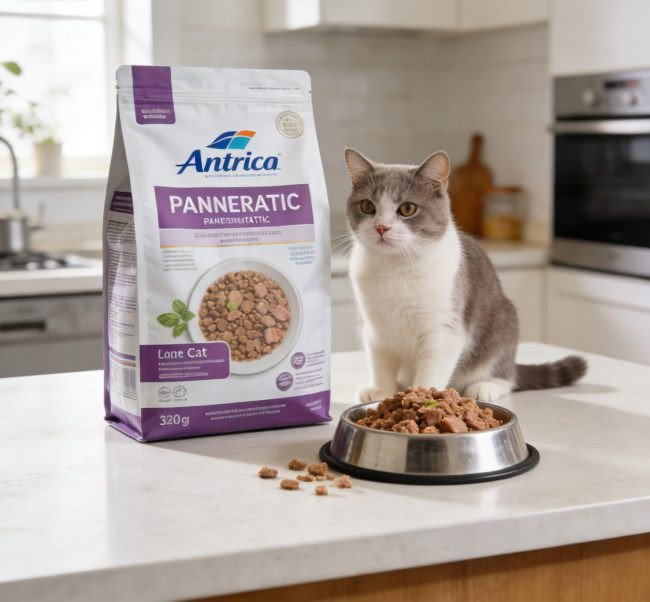
• Hill’s Prescription Diet j/d: Rich in omega-3s and L-carnitine. • Royal Canin Mobility Support: Contains green-lipped mussel extract. • Purina Pro Plan Joint Health: Offers glucosamine and EPA.
Always consult your vet before switching diets to ensure suitability for your cat’s condition.
Conclusion
Choosing the right cat food for arthritis can transform your cat’s life. Prioritize foods with omega-3s, glucosamine, and antioxidants, and consider wet options for added hydration. Whether commercial or homemade, ensure the diet meets your cat’s specific needs. With proper nutrition and care, arthritic cats can enjoy a happier, more active life.