Best Cat Food for Constipation Relief: Expert Guide

Constipation in cats is a common but uncomfortable issue that can lead to serious health problems if left untreated. Choosing the right cat food for constipation relief can make a significant difference in your pet’s digestive health. This guide provides actionable insights into selecting the best food options, understanding key ingredients, and implementing dietary changes to alleviate constipation. By the end of this article, you’ll have a clear roadmap to improve your cat’s bowel movements and overall well-being.
Understanding Cat Constipation
Constipation in cats occurs when there is difficulty or infrequency in passing stools. This can be caused by dehydration, low fiber intake, or underlying medical conditions like megacolon. Symptoms include straining in the litter box, hard dry stools, and lethargy. According to veterinary studies, chronic constipation affects about 10% of cats, particularly older ones. Early intervention through diet can prevent complications like obstipation or colon damage.
Key factors contributing to constipation include:
1. Insufficient water intake
2. Lack of dietary fiber
3. Sedentary lifestyle
4. Hairballs blocking the digestive tract
Recognizing these triggers is the first step toward choosing an effective cat food for constipation relief.

Key Ingredients to Look For
When selecting cat food for constipation relief, focus on ingredients that promote hydration and fiber. High-moisture wet foods are ideal, as they provide both water and essential nutrients. Look for foods containing soluble fiber like pumpkin or psyllium husk, which helps soften stools. Probiotics and prebiotics are also beneficial, as they support gut health and regular bowel movements.
Examples of beneficial ingredients:
• Pumpkin puree (natural source of fiber)
• Oat bran or beet pulp (insoluble fiber)
• Chicken or fish broth (hydration)
• Probiotic strains like Lactobacillus
Avoid foods high in fillers like corn or wheat, which can exacerbate digestive issues.
Wet vs. Dry Food for Constipation
Wet food is generally superior for constipation relief due to its high moisture content. Dry kibble, while convenient, can contribute to dehydration if not paired with adequate water intake. A study by the Journal of Feline Medicine found that cats on wet food diets had a 50% lower incidence of constipation compared to those on dry food alone.
If you prefer dry food, consider these tips:
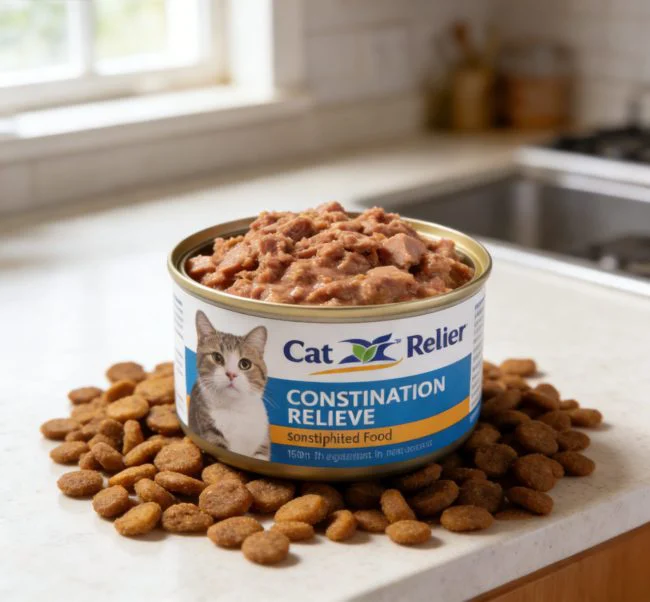
1. Add water or broth to the kibble
2. Choose formulas with added fiber
3. Ensure constant access to fresh water
For best results, a combination of wet and dry food may work well, provided the wet portion constitutes at least 50% of the diet.
Homemade vs. Commercial Cat Food
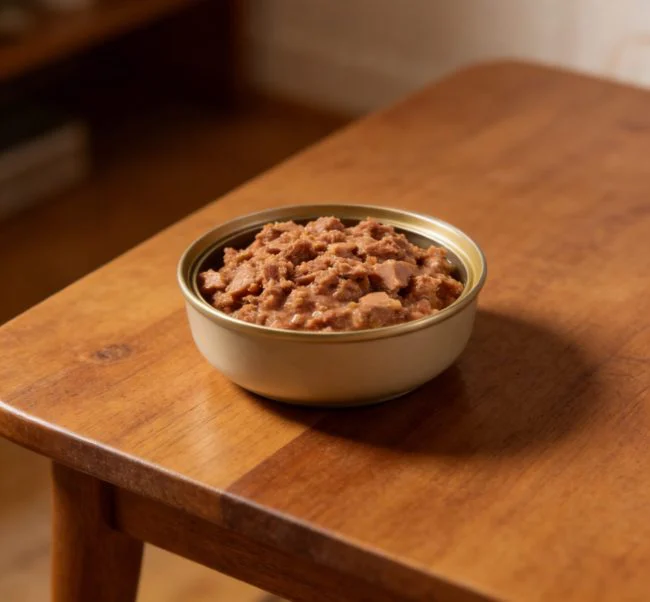
Both homemade and commercial cat foods can relieve constipation, but each has pros and cons. Commercial foods are formulated to meet nutritional standards and often include targeted fiber blends. Homemade diets allow for ingredient control but require careful balancing to avoid deficiencies.
Pros of commercial foods:
• Vet-approved formulations
• Consistent quality
• Added nutrients like taurine
Pros of homemade diets:
• Customizable fiber content
• No preservatives or fillers
• Cost-effective for some owners
Consult a vet before switching to a homemade diet to ensure it meets all nutritional needs.
Top Recommended Cat Food Brands
Several brands excel in providing cat food for constipation relief. Royal Canin Digestive Care and Hill’s Science Diet Adult Indoor are popular choices, offering balanced fiber and moisture. Purina Pro Plan Focus Urinary Health also supports digestive health with its high-protein, fiber-rich formula.
Key features of these brands:
• Royal Canin: Prebiotics and controlled fiber
• Hill’s: Natural fiber and antioxidants
• Purina: Real meat and omega fatty acids
Always transition to new foods gradually over 7-10 days to avoid digestive upset.
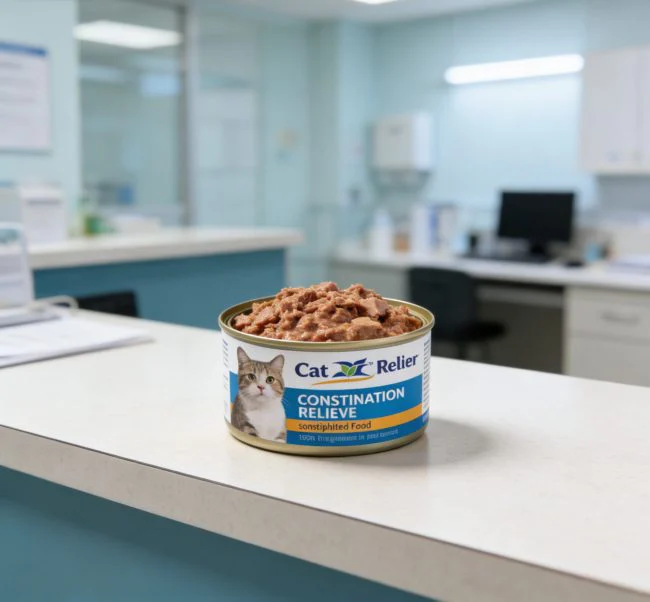
Additional Tips for Relieving Constipation
Diet is just one part of the solution. Encourage your cat to drink more water by using fountains or multiple water bowls. Regular playtime can also stimulate bowel movements. Grooming your cat frequently reduces hairball ingestion, a common constipation culprit.
Other effective strategies:
• Add a teaspoon of olive oil to food
• Provide a high-fiber treat like green beans
• Schedule regular vet check-ups
These measures, combined with the right cat food, can significantly improve your cat’s digestive health.
Conclusion
Choosing the right cat food for constipation relief involves understanding your cat’s specific needs and selecting ingredients that promote hydration and fiber. Wet foods with natural fibers like pumpkin, combined with probiotics, are highly effective. Brands like Royal Canin and Hill’s offer reliable options, but homemade diets can also work if properly balanced. Remember to transition foods slowly and incorporate lifestyle changes like increased water intake and exercise. With these steps, you can ensure your cat stays regular and healthy.

Related Products
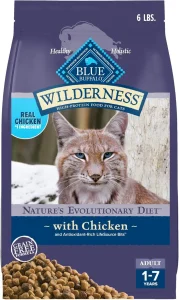
Blue Buffalo Wilderness High-Protein Cat Food
Blue Buffalo Wilderness Nature's Evolutionary Diet High-Protein, Grain-Free Natural Dry Food for Adult Cats is…
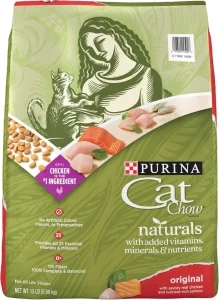
Purina Cat Chow Naturals Dry Cat Food 13 lb
Purina Cat Chow Naturals With Added Vitamins, Minerals and Nutrients Dry Cat Food, Naturals Original,…
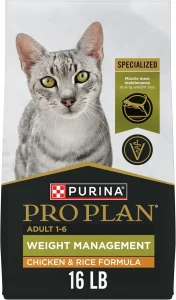
Purina Pro Plan Weight Management Cat Food
Purina Pro Plan Weight Management Chicken and Rice Adult Formula Dry Cat Food is a…
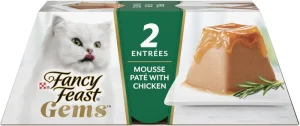
Fancy Feast Gems Chicken Pate Cat Food 8 Pack
Fancy Feast Gems Pate Cat Food Mousse with Chicken and a Halo of Savory Gravy…
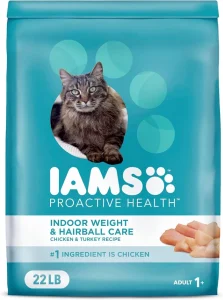
IAMS Indoor Weight & Hairball Cat Food
IAMS Proactive Health Indoor Weight Control & Hairball Care Adult Dry Cat Food is specially…
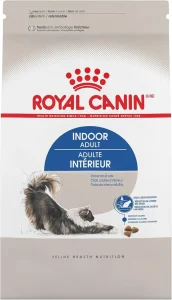
Royal Canin Indoor Adult Dry Cat Food – 7 lb
Royal Canin Feline Health Nutrition Indoor Adult Dry Cat Food is a premium formula designed…
Related Articles
 Cat Food & Treats FAQ
Best Cat Food for Diarrhea: Expert Tips & Top Picks
 Cat Food & Treats FAQ
cat food for anemia
 Cat Food & Treats FAQ
Can I give rice to my kitten? A Vet-Approved Safety & Feeding Guide
 Cat Food & Treats FAQ
cat food for pancreatitis: A Veterinarian-Approved Guide to Nutritional Management and Diet Selection
 Cat Food & Treats FAQ
Best Cat Food for Post-Surgery Recovery: 2026 Guide
 Cat Food & Treats FAQ