

Best Cat Food for Sensitive Stomachs: 2026 Guide

Finding the right cat food for sensitive stomachs can be challenging, but it’s essential for your feline’s health. This guide provides expert insights, practical tips, and product recommendations to help you make an informed decision. Whether your cat suffers from vomiting, diarrhea, or food allergies, we’ve got you covered with actionable advice to improve their digestion and overall well-being.
Understanding Sensitive Stomachs in Cats
A sensitive stomach in cats can manifest as frequent vomiting, loose stools, or excessive gas. These symptoms often indicate underlying issues like food intolerances, allergies, or poor digestion. Identifying the root cause is the first step toward finding the right cat food for sensitive stomachs.
1. Common triggers include high-fat diets, artificial additives, and hard-to-digest proteins.
2. Breeds like Siamese and Ragdoll are more prone to digestive issues.
3. Age and stress can also exacerbate stomach sensitivity.
Consult your vet to rule out medical conditions like pancreatitis or inflammatory bowel disease. Once diagnosed, dietary adjustments can significantly improve your cat’s quality of life.

Key Ingredients to Look For
When choosing cat food for sensitive stomachs, focus on high-quality, easily digestible ingredients. Limited ingredient diets (LIDs) are often recommended to minimize allergens.
• Single-source proteins like chicken or salmon
• Grain-free options with sweet potatoes or peas
• Prebiotics and probiotics for gut health
Avoid foods with fillers, artificial preservatives, and excessive fats. Brands like Hill’s Science Diet and Royal Canin offer specialized formulas designed for digestive health.
Wet vs. Dry Food: What’s Better?
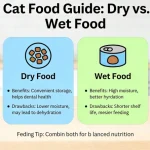
Both wet and dry cat food can work for sensitive stomachs, but each has pros and cons. Wet food is often more palatable and hydrating, making it ideal for cats with low appetite or dehydration issues.
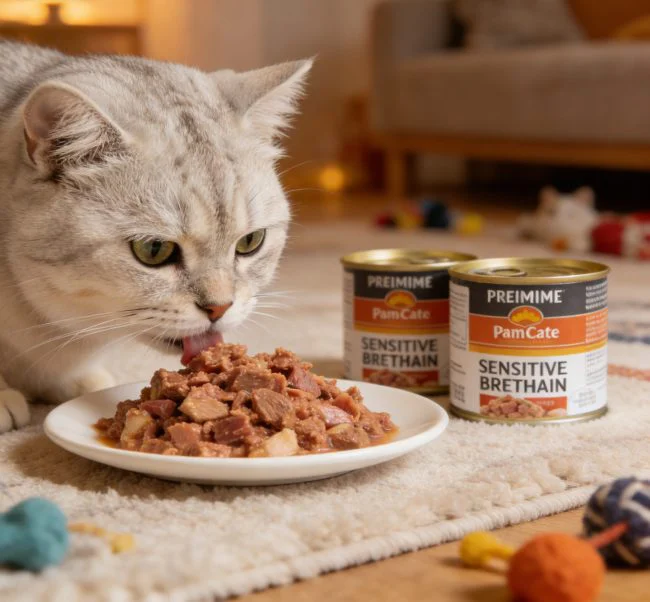
1. Wet food: Higher moisture content, easier to chew.
2. Dry food: Convenient, promotes dental health.
3. Mixed feeding: Combines benefits of both.
If your cat prefers dry food, choose a formula with smaller kibble sizes and added digestive enzymes. Always transition slowly to avoid further stomach upset.
How to Transition to a New Diet
Switching your cat’s food requires a gradual approach to prevent digestive upset. Follow these steps for a smooth transition:
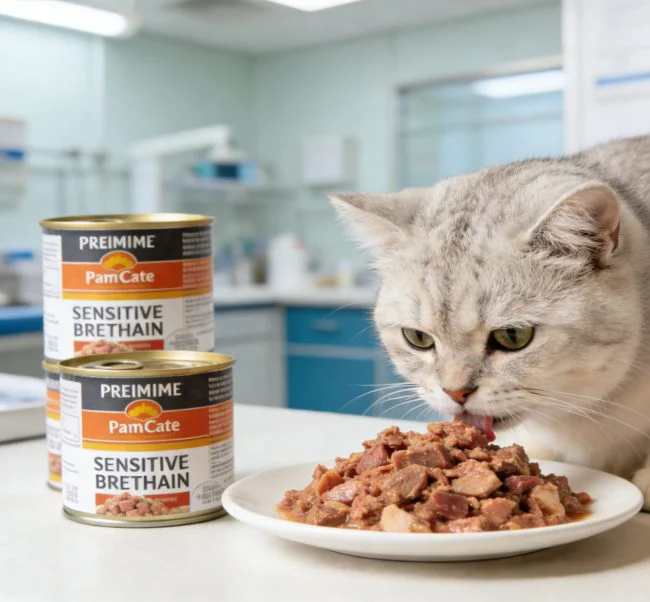
1. Start with 25% new food and 75% old food for the first 2-3 days.
2. Increase to 50/50 over the next few days.
3. Finish with 75% new food and 25% old food before fully switching.
Monitor your cat’s reaction during this period. If symptoms persist, consult your vet for alternative options.
Top Brands for Sensitive Stomachs
Several brands excel in producing cat food for sensitive stomachs. Here are our top picks for 2026:
• Hill’s Prescription Diet i/d: Vet-recommended for digestive health.
• Royal Canin Digestive Care: Formulated with highly digestible proteins.
• Blue Buffalo Basics LID: Grain-free with limited ingredients.
These brands undergo rigorous testing to ensure they meet the nutritional needs of cats with sensitive stomachs.

Homemade vs. Commercial Diets
Some owners opt for homemade diets to control ingredients. While this can be effective, it requires careful planning to avoid nutritional deficiencies.
1. Consult a veterinary nutritionist for balanced recipes.
2. Use high-quality proteins and avoid toxic ingredients like onions or garlic.
3. Supplement with taurine and other essential nutrients.
Commercial diets are often safer and more convenient, but homemade options can work if done correctly.
Final Thoughts
Choosing the right cat food for sensitive stomachs involves understanding your cat’s needs and selecting high-quality, digestible ingredients. Whether you opt for wet, dry, or homemade food, prioritize your cat’s health and consult your vet for personalized advice. With the right diet, your feline friend can enjoy a happier, healthier life.

Related Products
Blue Buffalo Wilderness High-Protein Cat Food
Blue Buffalo Wilderness Nature's Evolutionary Diet High-Protein, Grain-Free Natural Dry Food for Adult Cats is…
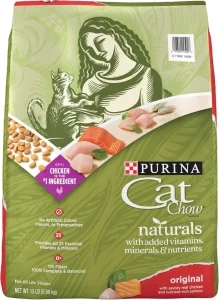
Purina Cat Chow Naturals Dry Cat Food 13 lb
Purina Cat Chow Naturals With Added Vitamins, Minerals and Nutrients Dry Cat Food, Naturals Original,…
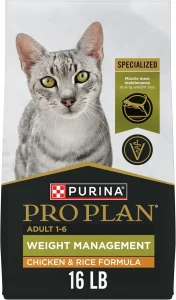
Purina Pro Plan Weight Management Cat Food
Purina Pro Plan Weight Management Chicken and Rice Adult Formula Dry Cat Food is a…

Fancy Feast Gems Chicken Pate Cat Food 8 Pack
Fancy Feast Gems Pate Cat Food Mousse with Chicken and a Halo of Savory Gravy…
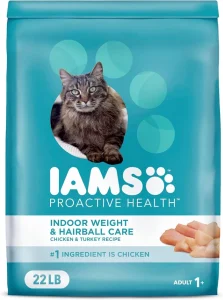
IAMS Indoor Weight & Hairball Cat Food
IAMS Proactive Health Indoor Weight Control & Hairball Care Adult Dry Cat Food is specially…
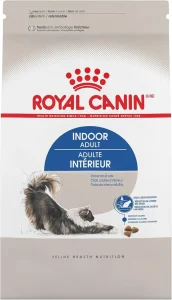
Royal Canin Indoor Adult Dry Cat Food – 7 lb
Royal Canin Feline Health Nutrition Indoor Adult Dry Cat Food is a premium formula designed…
Related Articles
 Cat Food & Treats FAQ
Best Cat Food for Hyperthyroidism: Expert Tips & Guide
 Cat Food & Treats FAQ
What Food is Best for Cats? A Vet Techs Guide to Choosing the Right Diet
 Cat Food & Treats FAQ
cat food for anemia
 Cat Food & Treats FAQ
Best Prescription Cat Food: 2026 Buyer’s Guide
 Cat Food & Treats FAQ
Best Cat Food for Eye Problems: Expert Guide & Tips
 Cat Food & Treats FAQ