Managing thyroid issues in cats, particularly hyperthyroidism, requires a tailored approach to nutrition. The right cat food for thyroid issues can significantly improve your feline’s health and quality of life. This guide provides expert insights into dietary management, key nutrients, and practical tips to help you make informed choices. Whether your cat is newly diagnosed or you’re optimizing their care, this article offers actionable advice to support their thyroid health.
Understanding Thyroid Issues in Cats
Hyperthyroidism is the most common thyroid disorder in cats, especially those over 10 years old. It occurs when the thyroid gland produces excess hormones, leading to symptoms like weight loss, increased appetite, and hyperactivity. Left untreated, it can cause heart disease and kidney problems. Early diagnosis is crucial, and diet plays a pivotal role in managing the condition.
1. Symptoms to watch for: Weight loss despite increased eating, vomiting, diarrhea, and excessive thirst.
3. Treatment options: Medication, surgery, radioactive iodine, or dietary management.
Dietary management is a non-invasive option that can stabilize hormone levels when done correctly. Consult your veterinarian to determine the best approach for your cat’s specific needs.
Key Nutrients for Thyroid Health
When selecting cat food for thyroid issues, focus on nutrients that support thyroid function and overall health. Iodine is a critical component, as it directly influences hormone production. However, excessive iodine can exacerbate hyperthyroidism, so controlled levels are essential.
• Limited iodine: Prescription diets like Hill’s y/d restrict iodine to manage hormone production. • High-quality protein: Supports muscle mass and energy levels. • Antioxidants: Vitamins E and C reduce oxidative stress. • Omega-3 fatty acids: Promote heart and kidney health, often compromised in hyperthyroid cats.
Avoid foods high in iodine, such as fish-based diets, unless otherwise advised. Always choose formulas designed for thyroid health to ensure balanced nutrition.
Prescription vs. Over-the-Counter Diets
Prescription diets are formulated specifically for cats with thyroid issues, offering precise nutrient control. Over-the-counter options may lack the necessary restrictions, making them less effective. Prescription diets like Royal Canin Thyroid Support and Hill’s y/d are clinically tested and recommended by veterinarians.
1. Prescription benefits: Controlled iodine, balanced nutrients, and veterinary oversight.
2. Over-the-counter risks: Variable iodine levels and potential nutrient imbalances.
3. Cost considerations: Prescription diets are pricier but offer targeted health benefits.
Discuss with your vet whether a prescription diet is necessary. In some cases, a combination of medication and specialized food may be the most effective approach.
Feeding Strategies for Thyroid Management
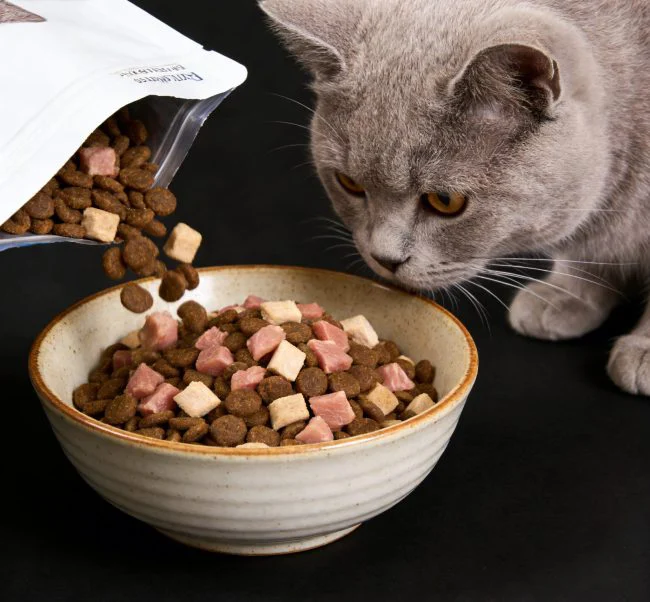
Consistent feeding routines are vital for cats with thyroid issues. Divide meals into two or three portions to stabilize metabolism and prevent overeating. Monitor your cat’s weight and adjust portions as needed to maintain a healthy body condition.
• Portion control: Use measuring cups to ensure accurate servings. • Hydration: Wet food can increase water intake, supporting kidney health. • Avoid free-feeding: Prevents excessive calorie consumption.
Regular vet check-ups will help track progress and adjust feeding plans. Keep a log of your cat’s weight, appetite, and behavior to share with your veterinarian.
Common Mistakes to Avoid
Even well-intentioned owners can make mistakes when managing thyroid issues through diet. Avoid these pitfalls to ensure your cat’s health remains optimal.
1. Ignoring vet advice: Self-prescribing diets can worsen the condition.
3. Over-reliance on treats: High-calorie treats can offset dietary benefits.
Always follow your veterinarian’s recommendations and prioritize consistency. Small adjustments can have a significant impact on your cat’s well-being.
Conclusion
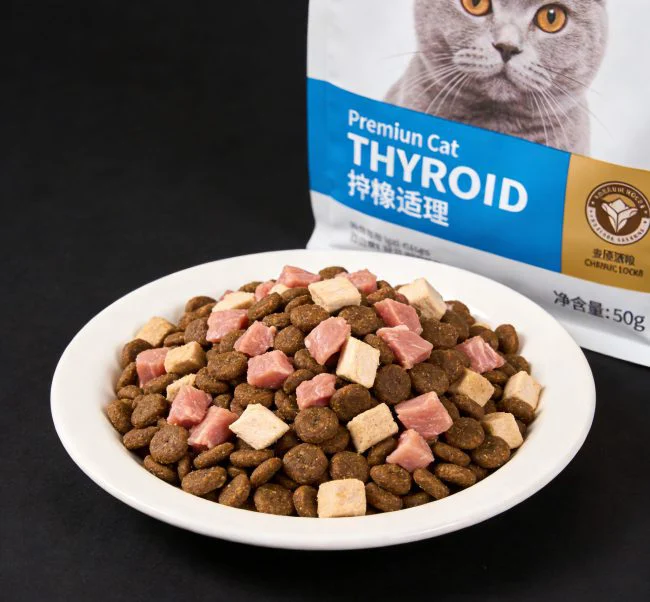
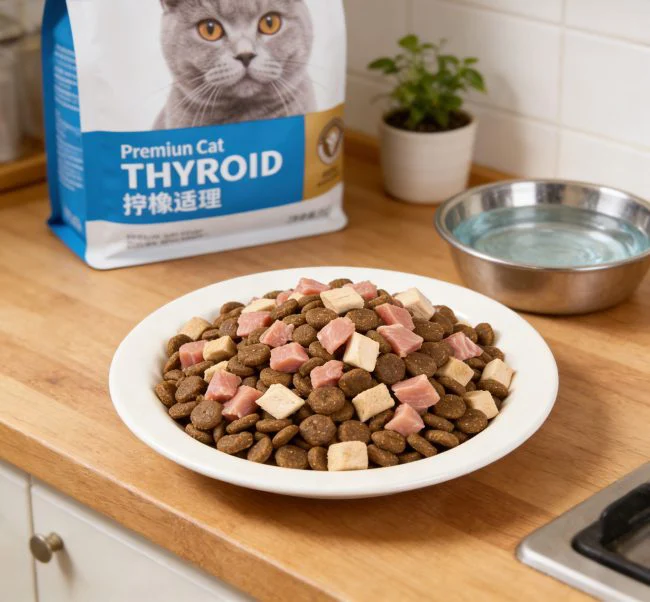
Choosing the right cat food for thyroid issues is a critical step in managing hyperthyroidism. Focus on controlled iodine levels, high-quality protein, and balanced nutrients to support your cat’s health. Prescription diets offer the most reliable solution, but always consult your vet for personalized advice. With proper nutrition and care, your cat can lead a happy, healthy life despite their thyroid condition.
James Anderson
About the Author & PawLitter
PawLitter is a leading online resource dedicated to providing evidence-based pet care information, comprehensive product reviews, and expert guidance for cat and dog owners worldwide.
Our Mission:
• Deliver honest, unbiased product reviews backed by real-world testing
• Share expert advice on pet health, nutrition, and behavior
• Help pet owners make informed purchasing decisions
• Build a trusted community of pet care enthusiasts
With years of experience in the pet industry and a commitment to quality content, we've helped thousands of pet owners find the best products and solutions for their beloved companions.
Industry Partnerships & Collaborations:
We actively seek partnerships with reputable pet brands, veterinary professionals, and industry experts who share our values of transparency and pet welfare. If you're interested in:
• Product reviews and testing
• Sponsored content opportunities
• Guest posting and content collaboration
• Affiliate partnerships
Please visit our Partnership page or contact us directly. We look forward to working together to advance pet care excellence.




 Cat Food & Treats FAQ
 Cat Food & Treats FAQ
 Cat Food & Treats FAQ
 Cat Food & Treats FAQ
 Cat Food & Treats FAQ
 Cat Food & Treats FAQ