

cat food for sensitive skin

Choosing the right cat food for sensitive skin can significantly improve your feline’s quality of life. Sensitive skin in cats often manifests as itching, redness, or flaking, which can stem from allergies, nutritional deficiencies, or environmental factors. This guide provides actionable insights into selecting the best food to alleviate these issues, backed by expert recommendations and scientific evidence. By understanding the key ingredients and dietary adjustments, you can help your cat achieve healthier skin and a shinier coat.
Understanding Sensitive Skin in Cats
Sensitive skin in cats is a common issue that can cause discomfort and distress. It often results from an overreaction of the immune system to certain triggers, such as food ingredients, pollen, or fleas. Symptoms include excessive scratching, bald patches, and hot spots. Identifying the root cause is essential for effective treatment.
1. Food allergies are a primary culprit, with proteins like beef, fish, or dairy being common triggers.
2. Environmental factors, such as dust mites or mold, can exacerbate skin sensitivity.
Consulting a veterinarian can help pinpoint the cause through allergy testing or elimination diets. Early intervention prevents secondary infections and improves your cat’s overall well-being.
Key Ingredients to Look For
When selecting cat food for sensitive skin, focus on ingredients that support skin health and reduce inflammation. High-quality proteins, limited allergens, and essential fatty acids are critical. Look for foods labeled “hypoallergenic” or “limited ingredient” to minimize potential triggers.
• Omega-3 and omega-6 fatty acids, found in fish oil or flaxseed, promote a healthy skin barrier.
• Novel proteins like duck or venison reduce the risk of allergic reactions.
• Antioxidants such as vitamin E and zinc support skin repair and immunity.

Avoid foods with artificial preservatives, colors, or fillers, as these can worsen skin issues. Reading ingredient labels carefully ensures you’re providing the best nutrition for your cat’s sensitive skin.
The Role of Hydrolyzed Proteins
Hydrolyzed proteins are a game-changer for cats with food allergies. These proteins are broken down into tiny fragments, making them less likely to trigger an immune response. Veterinary diets often feature hydrolyzed proteins as the primary ingredient.
1. Hydrolyzed soy or chicken proteins are commonly used in prescription diets.
2. These formulas are highly digestible and gentle on the stomach.
While effective, hydrolyzed diets can be expensive. Discuss with your vet whether this option suits your cat’s needs and budget. Alternatives like novel protein diets may also provide relief.
Grain-Free vs. Grain-Inclusive Diets
The debate between grain-free and grain-inclusive diets is ongoing, especially for cats with sensitive skin. Grains like wheat and corn can be allergens, but not all cats react negatively to them. Grain-free diets often substitute grains with legumes or potatoes, which can also cause issues in some cases.

• Grain-free diets may benefit cats with confirmed grain allergies.
• Grain-inclusive diets with whole grains like brown rice can provide fiber and nutrients.
• Always prioritize high-quality protein sources over grain content.
Conducting an elimination diet under veterinary guidance can help determine whether grains are problematic for your cat. Tailoring the diet to your cat’s specific needs is key to managing sensitive skin.
Supplements for Skin Health
In addition to a balanced diet, supplements can enhance skin health in cats. Omega-3 supplements, such as fish oil capsules, are particularly effective. They reduce inflammation and improve coat condition. Probiotics also support gut health, which is linked to skin immunity.
1. Fish oil supplements should contain EPA and DHA for optimal benefits.
2. Probiotics with strains like Lactobacillus acidophilus aid digestion.
3. Vitamin E and biotin supplements can further strengthen the skin barrier.
Always consult your vet before introducing supplements to avoid overdosing. Combining supplements with a tailored diet creates a comprehensive approach to managing sensitive skin.

Transitioning to a New Diet
Switching your cat to a new food for sensitive skin requires a gradual transition to avoid digestive upset. Start by mixing a small amount of the new food with the current diet, gradually increasing the proportion over 7-10 days.
1. Day 1-2: 25% new food, 75% old food.
2. Day 3-4: 50% new food, 50% old food.
3. Day 5-7: 75% new food, 25% old food.
4. Day 8+: 100% new food.
Monitor your cat for any adverse reactions, such as vomiting or diarrhea. If issues persist, consult your vet. A smooth transition ensures your cat adapts well to the new diet, maximizing its benefits for sensitive skin.
Common Mistakes to Avoid
When managing sensitive skin in cats, certain mistakes can hinder progress. Avoid these pitfalls to ensure your cat receives the best care.
• Ignoring veterinary advice and self-diagnosing allergies.
• Over-treating with topical creams without addressing dietary causes.
• Switching foods too frequently, which can disrupt digestion.
Consistency is crucial. Stick to the recommended diet and monitor improvements over time. Patience and adherence to expert guidance yield the best results for your cat’s skin health.
Summary
Managing sensitive skin in cats requires a holistic approach, focusing on diet, supplements, and veterinary guidance. Key takeaways include choosing foods with omega-3 fatty acids, novel proteins, and hydrolyzed ingredients. Avoid common allergens and transition diets gradually. Supplements like fish oil and probiotics can further support skin health. By prioritizing high-quality nutrition and avoiding pitfalls, you can help your cat achieve healthier skin and a happier life.

Related Products
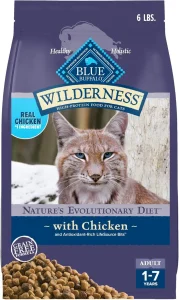
Blue Buffalo Wilderness High-Protein Cat Food
Blue Buffalo Wilderness Nature's Evolutionary Diet High-Protein, Grain-Free Natural Dry Food for Adult Cats is…
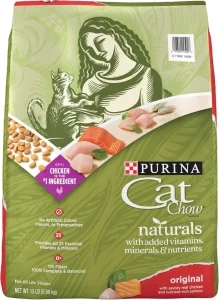
Purina Cat Chow Naturals Dry Cat Food 13 lb
Purina Cat Chow Naturals With Added Vitamins, Minerals and Nutrients Dry Cat Food, Naturals Original,…
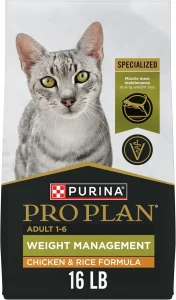
Purina Pro Plan Weight Management Cat Food
Purina Pro Plan Weight Management Chicken and Rice Adult Formula Dry Cat Food is a…

Fancy Feast Gems Chicken Pate Cat Food 8 Pack
Fancy Feast Gems Pate Cat Food Mousse with Chicken and a Halo of Savory Gravy…
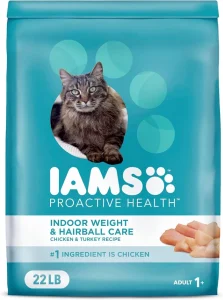
IAMS Indoor Weight & Hairball Cat Food
IAMS Proactive Health Indoor Weight Control & Hairball Care Adult Dry Cat Food is specially…
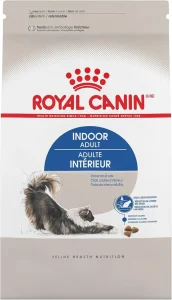
Royal Canin Indoor Adult Dry Cat Food – 7 lb
Royal Canin Feline Health Nutrition Indoor Adult Dry Cat Food is a premium formula designed…
Related Articles
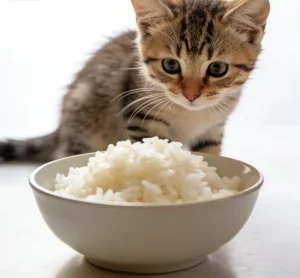 Cat Food & Treats FAQ
Can I give rice to my kitten? A Vet-Approved Safety & Feeding Guide
 Cat Food & Treats FAQ
Best Cat Food for Digestive Problems: Expert Guide 2026
 Cat Food & Treats FAQ
how much cat food should i feed my cat
 Cat Food & Treats FAQ
Best Cat Food for Sensitive Stomachs: 2026 Guide
 Cat Food & Treats FAQ
Best Cat Food for Dental Issues: 2025 Expert Guide
 Cat Food & Treats FAQ